
As I write this, I have only watched 12 new movies in 2020. I probably listened to even fewer new albums. I definitely read fewer new books. So alas, the lone category in which I feel (still not very) qualified to make any type of year-end list is television. And hey! That’s not so bad. I love TV.
The reputation for television has always been that it’s passive and escapist entertainment, especially compared with the lofty, high-art of cinema. And yet in 2020, movie theaters are closed, everybody is looking for an escape, and television can encompass almost anything. (If I were to list my favorite films, the top two would technically be episodes of an anthology series on a television streaming service.)
What I’m trying to get at is that 2020 was a down year for everything. And compared with last year, that probably extends to TV too. But, I also think television withstood the year better than most. There were plenty of good shows and even a few great ones. So without rambling any further, here are my ten favorite series of 2020.
As a final note, If a show didn’t make this list it’s because I think it is terrible and definitely not because there are literally hundreds of shows spread across dozens of streaming services.
 10. Industry (Season 1) – Mickey Down, Konrad Kay (HBO)
Industry is the most enigmatic show I’ve watched since Succession – by which I mean that I literally have no idea what is going to happen in each episode (except for copious amounts of drugs, sex, and bad decisions). To be honest, there are more than a few similarities to my favorite show: Industry documents the lives of people I don’t like doing work that I don’t understand in a way that is absolutely thrilling. But it would be unfair to say that Industry is anything but its own series. For one, it focuses on outsiders in a way few shows ever do. And two, the filmmaking and performances (in particular, Ken Leung in series-stealing role) are too spectacular to remain in the shadow of anything else.
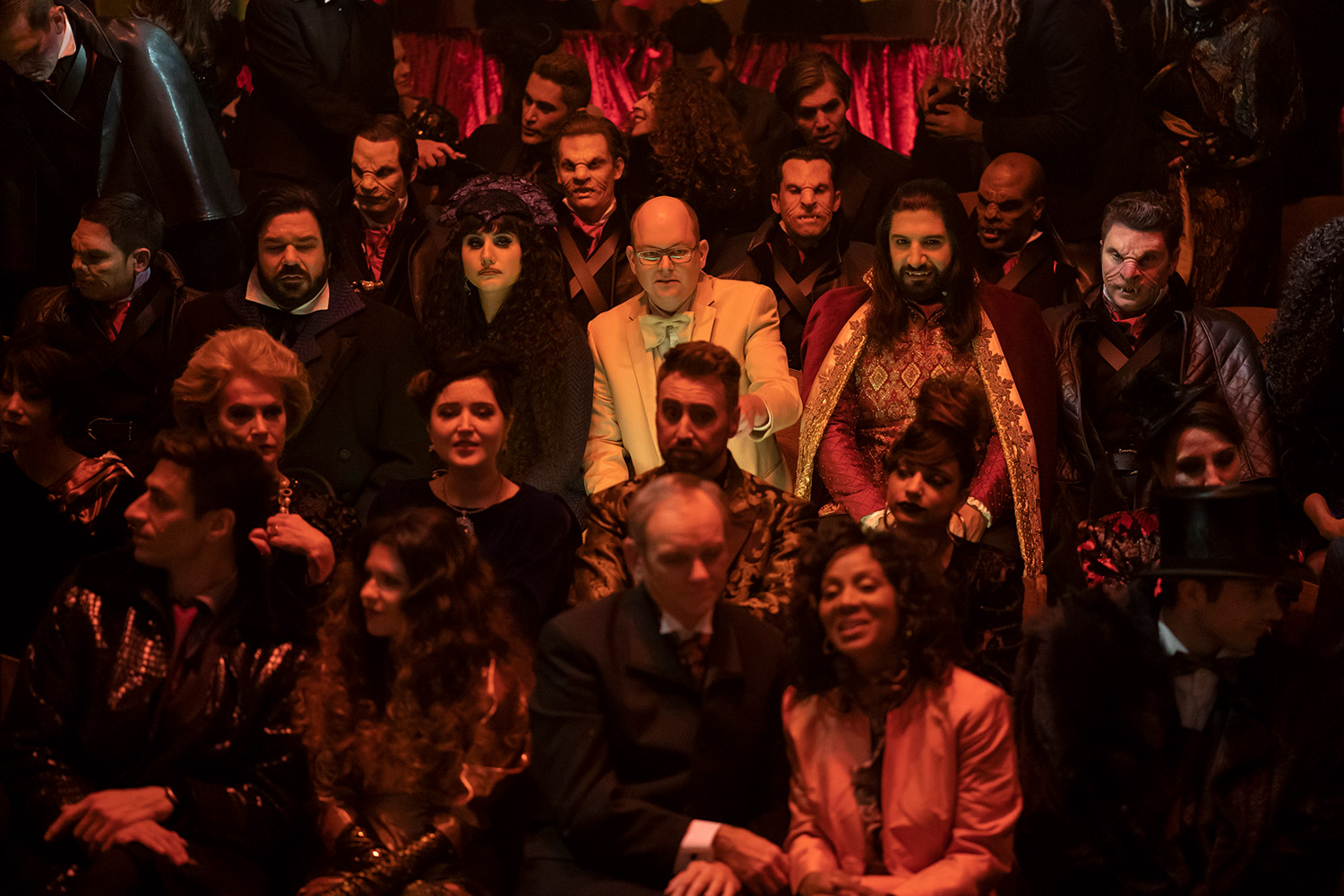
9. What We Do in the Shadows (Season 2) – Jermaine Clement (FX)
What We Do in the Shadows is the funniest show on TV. It’s one of the only shows that can make me laugh out loud even when I’m by myself. It’s just utterly, stupidly, hilarious. To some extent, that does make sense. The series employs the same style of humor as Clement’s previous show, Flight of the Conchords. Plus, the ensemble cast (Kayvan Novak, Matt Berry, Natasia Demetriou, Harvey Guillén, and Mark Proksch) is as good as any sitcom since It’s Always Sunny.
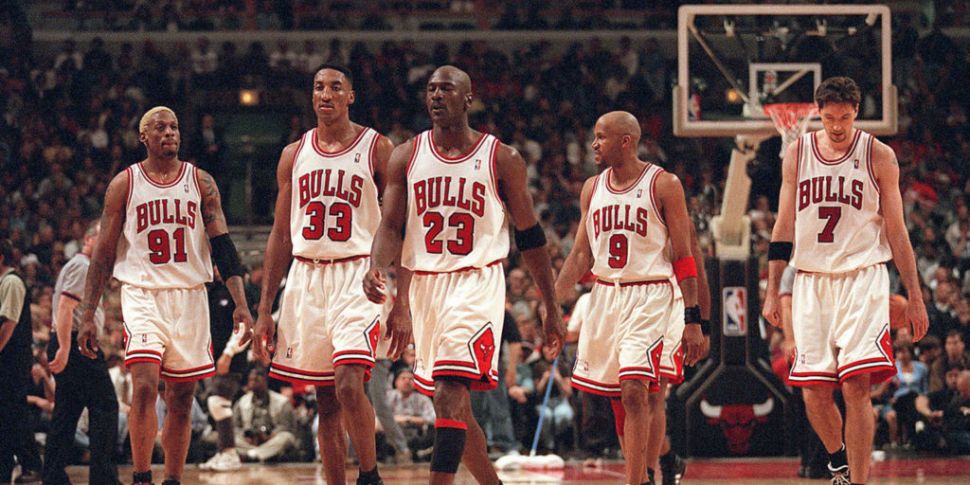 8. The Last Dance – Jason Hehir (ESPN / Netflix)
The Last Dance is so good that it doesn’t matter what your relationship to the 90s Bulls was to enjoy it. I loved it as a NBA fan who couldn’t wait to re-visit all these moments. My girlfriend loved it as someone who wasn’t sure whether or not the Bulls were going to win that last title (spoiler: they do). The standout feature of The Last Dance is of course its exceptional footage (I sincerely hope whoever made the decision to capture this season in film got their due). But Hehir still puts it together brilliantly with a non-linear timeline, meme-worthy interviews, and a killer soundtrack.
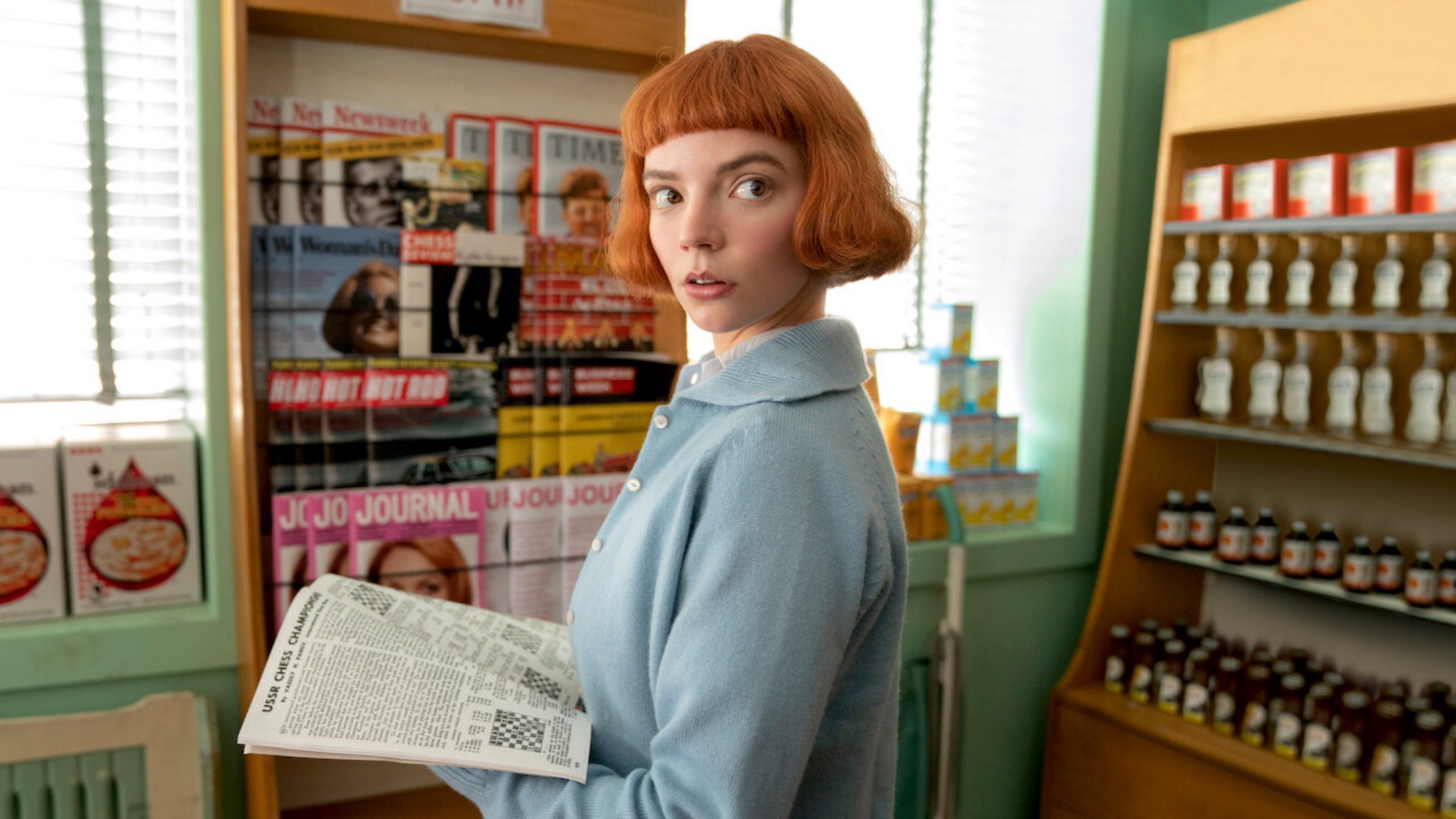
7. The Queen’s Gambit – Scott Frank (Netflix)
I can probably skip over this one considering everyone’s already seen it. Seriously though, how does a show about a fictional chess prodigy become this popular? Because it’s that good. The Queen’s Gambit is as addicting as the tranqs at the center of it. Everything from the 50s and 60s wardrobes and sets to the supporting performances to Scott Frank’s direction is flawlessly done. But the highlight is Anya Taylor- Joy. If The Queen’s Gambit were made ten years ago it’d be a movie. I hope that just because it’s a Netflix miniseries doesn’t take away from the fact that Anya Taylor-Joy is a movie star.

6. Murder on Middle Beach – Madison Hamburg (HBO)
It’s been an up and down year for true-crime docs at HBO. First there was I’ll be Gone in the Dark, a series that would be on my list if it didn’t scare me to death. Then there were the long and disappointing Atlanta’s Missing & Murdered and the somehow longer, even more disappointing, and newly-renewed The Vow. Thankfully, I closed the year on Murder on Middle Beach. Not only is this series the best of these true-crime docs, but it takes a fundamentally different approach from the others. Murder on Middle Beach does center itself on the unsolved murder of Hamburg’s mother but as the series progresses Hamburg increasingly turns his attention to issues of grief, trauma, family dynamics, and addiction in ways that are surprising and genuinely moving. Which is not to say that the true-crime of it all is any less interesting, but rather, that Hamburg achieves a level of empathy in this documentary that most others don’t even attempt.

5. How To with John Wilson (Season 1) – John Wilson (HBO)
It’s kind of impossible to talk about this show without just diving into how it’s made. How To…is comprised entirely of footage shot by one man (the titular John Wilson) linked together only by his hilarious, often insightful, and surprisingly poignant narration. I say surprisingly poignant because the episodes center on everything from small talk to scaffolding while using footage of…small talk and scaffolding? And yet, this series is often quite moving. The final episode is not only a gut-wrencher but easily the best COVID-specific material I’ve seen. Perhaps it’s fitting that in order to capture the absurdity of 2020, you need a show as strange as this.
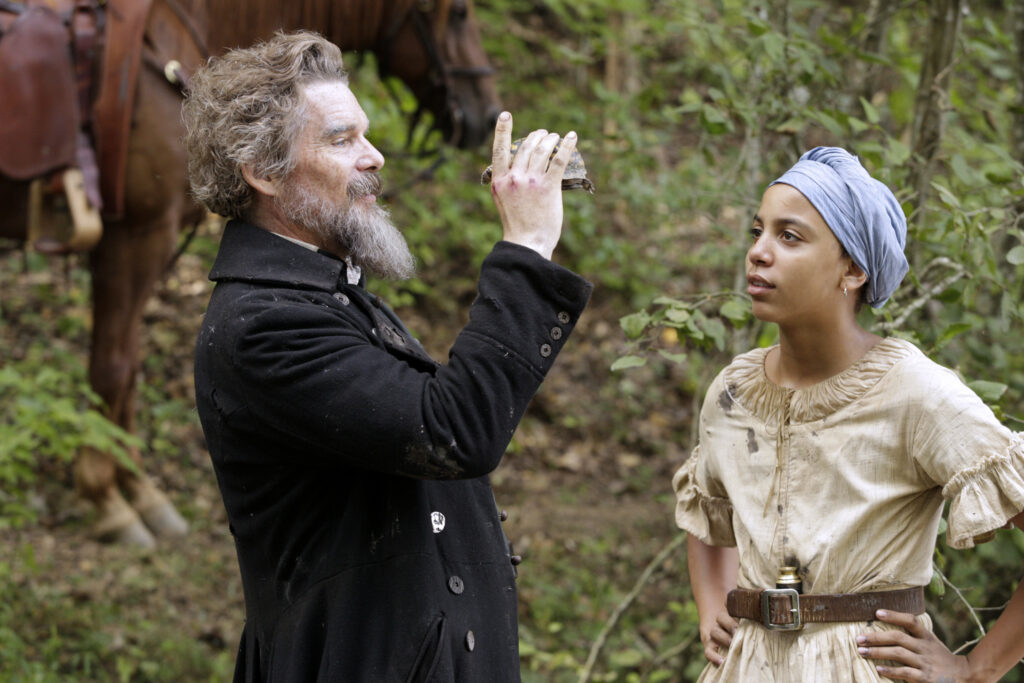
4. The Good Lord Bird – Ethan Hawke, Mark Richard (Showtime)
Making anything even vaguely political in 2020 is a tricky proposition. More than ever, audiences are aware of every optic and decision made behind a historical rendering: Who are portraying these figures? What story is this trying to tell? Whose story is this to tell? These are certainly important and overdue questions to ask, but it can also render most historical material these days pretty lifeless. This is not an issue for The Good Lord Bird. A career-best Ethan Hawke adapts James McBride’s novel, a fictional telling of John Brown and the Harpers Ferry Raid that is often…hilarious? Not only does this risk work, it overwhelms the series with real emotion and genuine humanity. The Good Lord Bird is a showcase for what you gain by taking risks. Making Daveed Diggs’s Frederick Douglass an overwhelmed ladies-man, for instance, is a choice. But it’s precisely the type of choice that makes this series and these events feel alive. As the tag before each episode says, “All of this is true. Most of it happened.”

3. Betty (Season 1) – Crystal Moselle (HBO)
The highest praise I can give to Betty is that I watched it all in one sitting. It is genuinely that good (and also pretty short). On paper, it’s a fairly simple premise. The series sets out to capture the lives of an all-girl group of New York City skaters. And it does that masterfully. But every aspect of Betty, from the filmmaking to the performances, is so good that it elevates the show to being something beyond that. Just try to make it through the “F**kin’ Problems” scene in the first episode without smiling. Betty taps into the magic of being young, when each day can turn into its own adventure, in a way few shows or movies ever get right. In a year in which we can’t leave our homes, that was a special feeling to have.

2. Mrs. America – Dahvi Waller (FX on Hulu)
Perhaps the most surprising part of Mrs. America was in its ability to ask difficult questions. After all, the series is historical. You’d think that we would know the answers by now. And it’s not like the series waffles in its outlook or politics either. The show is bitingly clear in its assessment: this country failed in its inability to ratify the E.R.A. The question it asks, rather, is why did we fail?
To answer this, Mrs. America turns what could have been a gimmick into its greatest strength. Each episode of the series focuses on one character involved in this battle. We get Cate Blanchett’s Phyllis Schlafly, Rose Byrne’s Gloria Steinem, Uzo Aduba’s Shirley Chisolm along with many other portrayals. And somehow this series, and these performances, are so good that you forget about this structure. Instead, you start to focus on every dynamic and debate happening within this battle.
This approach fully pays off in the series’ penultimate episode, “Houston,” in which all of these characters and viewpoints converge. In the episode, we watch as members of both sides face a series of critical decisions. The questions they ask are not easily answered, but then again, the answers aren’t really the point. The point is in each side’s approach.
At the end of this episode there is a brief glimpse of what this country should and could look like. Through it’s drive to meet these tough decisions, the Women’s Liberation Movement is briefly victorious (the fallout inevitably occurs in the appropriately-titled finale, “Reagan”). Without explicitly stating it, the series has finally given us its answer: The E.R.A failed because its supporters tried to do what was right while its opponents just did what was easy. But even with that outcome there is still a glimmer of hope. Mrs. America shows us that there is a power and importance in doing what is right. Unfortunately, it may never be easy.

1. I May Destroy You – Michaela Coel (HBO)
For as much TV as there is in 2020, there are still very few perfect series (or even seasons of TV) out there. It’s just an almost impossible proposition to pull off. On top of having to be generally excellent across the board, a perfect show must do two things that are almost always in direct contention. The first is to operate with a fine-tuned internal consistency, rhythm, and logic. In other words, the show must remain true to its world and its characters. And yet the second thing it must do is be surprising, innovative, and unexpected. It’d be too boring to watch otherwise. But how do you pull that off while also staying true to the rules of your series?
The answer from I May Destroy You is by subverting expectations. The best example of this ability occurs in the episode, “The Cause is the Cure.” All season, the series has been building toward a revelation and conflict between Arabella, the main character, and her best friend, Terry. But just as we prepare for this fallout, Arabella returns home. She processes a series of revelations about her mother and her own childhood. These revelations aren’t connected to her current dilemma, but they inform it. In turn, she returns home and lets this potential conflict go. It’s flat-out incredible storytelling. It goes against decades of TV storytelling logic while also being 100% true to this world. And it’s the type of thing this series pulls off time and time again.
On a weekly basis, Michaela Coel’s show seemingly had the ability to be anything it wanted: a surreal horror-comedy about social media, a flashback vacation to Italy, or even a series of murderous fever-dreams. But no matter what I May Destroy You was, it was always true, it was always surprising, and it was always excellent. In other words, perfect.

 Sam Writes Shit

2 thoughts on “My Favorite Shows of 2020”