

February
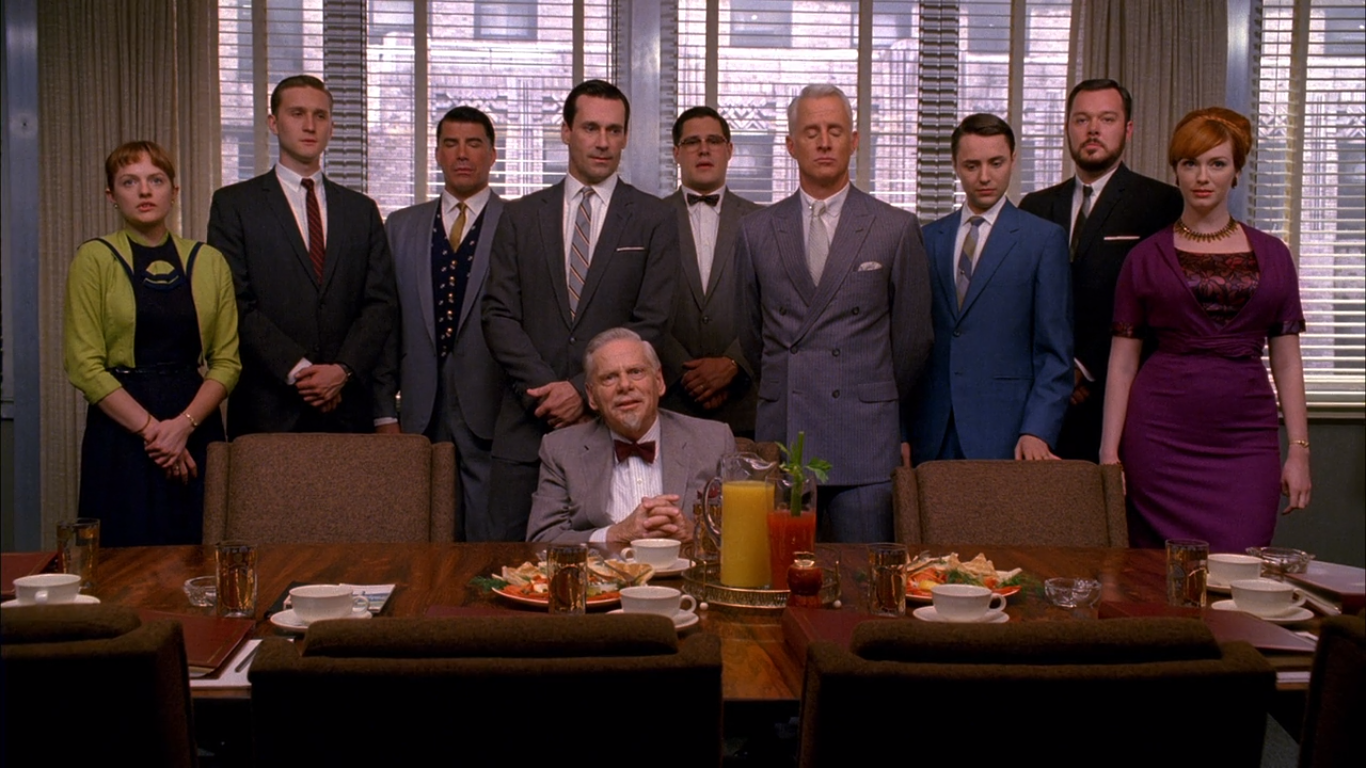
Mad Men – Matthew Weiner (AMC)*
My thoughts on Mad Men would not fit in this blog. For a breakdown of each season of the series, click here!
*Aired 2007-2015
March
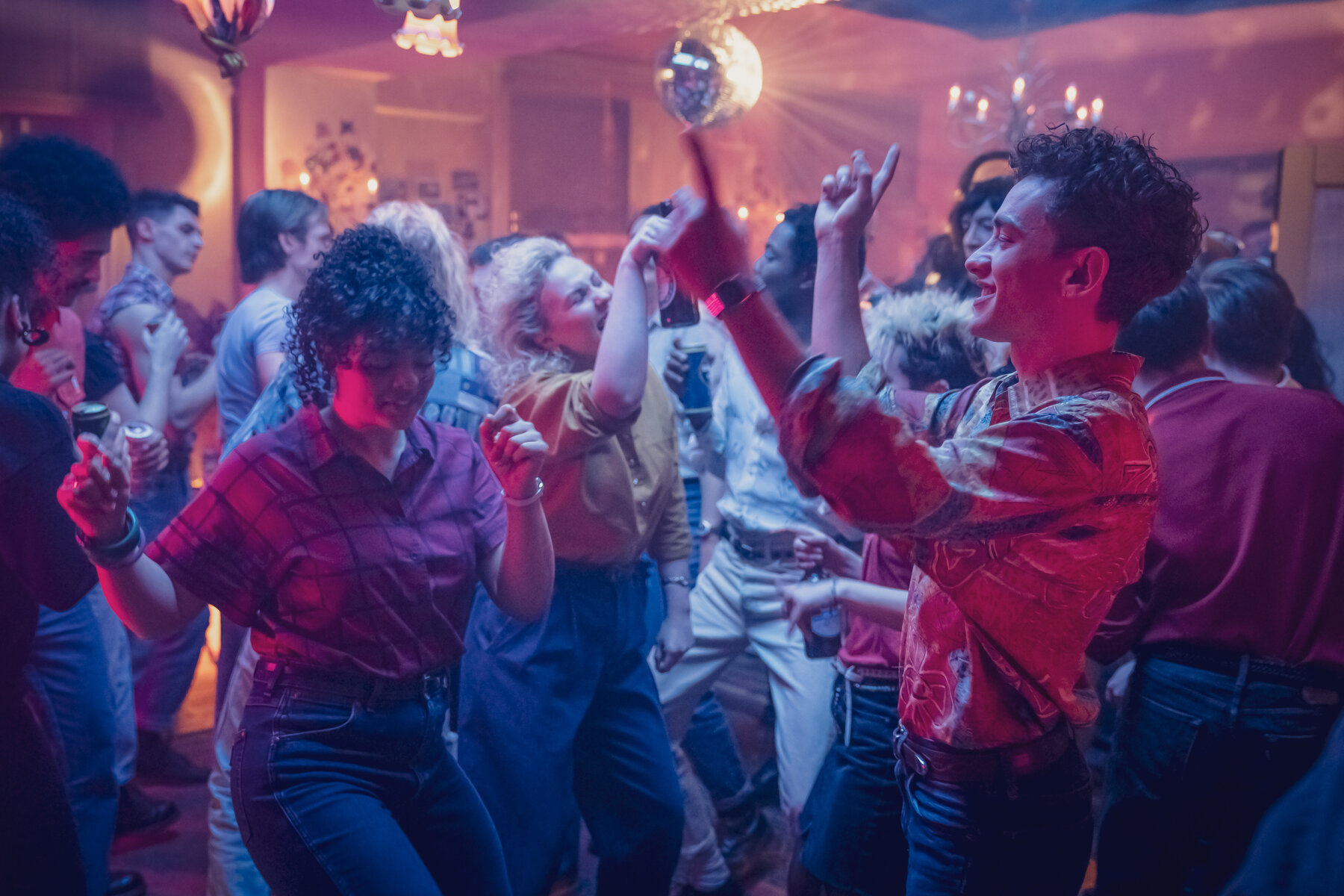
It’s a Sin – Russell T. Davies (Channel 4 / HBO Max)
We have our first contender for show of the year! Never mind that it’s the first 2021 series I’ve seen. I’m sure that it will still be at (or very close to) the top of my list at year’s end. On the most superficial level, it’s a series I was bound to like. It’s a Sin follows a group of gay men (and their friend Jill) as they live in 1980s London amid the growing AIDS crisis. It is incredibly reminiscent of Rebecca Makkai’s The Great Believers, which, if you’ve followed my reading log, you’ll know is my favorite novel of the last few years. Which is to say that It’s a Sin had all the makings of a good show. However, it’s through Russell T. Davies’ brilliant execution that it becomes a great one.
I don’t think there’s anywhere I can start but with the storytelling. I’m floored at how much ground this series is able to cover in just five episodes. The series is particularly skilled at capturing these beautiful and profound moments of characterization that last all of just a few minutes. The opening sequence of the series, for instance, is the perfect distillation and introduction of three of the main characters. We’re introduced to each of these young men in a way that tells us:
1. We like this character.
2. This character is gay.
3. How open this character is with their sexuality.
4. Why they’ve decided to move to London.
In other circumstances, these sequences could be entire movies. Here, the series captures this snapshot of all three men in a matter of minutes. And somehow, Davies and his team are able to use this economy over the course of the entire series without it ever feeling forced, rushed, or unearned. This is especially true of characters that are at the margins of the story. Characters like Gloria, Donald, or even Ritchie’s agent have pretty limited lines and screen time and yet feel like fully realized people.
However, what impresses me most about this series is how it places us in the mindset of these characters during this crisis. I’m thinking particularly of Colin, who has one of the best character arcs I’ve ever seen. In the third episode, Colin becomes increasingly ill, first through epileptic attacks and then (we realize) through the underlying HIV/AIDS infection that is causing them. But as we watch, we think there must be a mistake. We’ve spent two episodes with Colin and have seen that he’s the safest out of the group. We think his diagnosis must be the result of a mix-up in the overwhelmed hospital system. When we learn that they’ve drawn his blood, we fear the hospital will inadvertently give him this disease. In other words, the series gets us to try to rationalize and moralize this diagnosis. By the end of the episode, we finally do understand how/why Colin contracted the disease. Hopefully, we also realize that all of the rationalization and moralization we were trying to do doesn’t matter. That this was a highly infectious disease that killed anyone who had it, regardless of who they were. It feels devastating and real in a way that I can only guess approximates what it was like to live through these situations in real life.
For as amazing as the writing and storytelling are, I would be remiss not to mention all the other qualities that make It’s a Sin a remarkable series. The cast is unbelievable. This extends from Olly Alexander and Lydia West’s leading performances as Ritchie and Jill to smaller appearances by Keeley Hawes, Neil Patrick Harris, Stephen Fry, and Shaun Dooley. The soundtrack, as one can imagine, is phenomenal. But where I’d like to leave off is with the tone of the series. This, like any story covering this crisis, is a tragedy. At times, it’s harrowing to watch. Yet, in Ritchie’s final speech of the series, he laments that the crisis will overshadow how much fun this time was too. It’s something that the show takes to heart. For as painful as much of the series is, it’s also incredibly fun to watch. It captures and celebrates these characters in a truly beautiful way. It makes us realize just what was lost during this crisis.

Breaking Bad – Vince Gilligan (AMC)
As with Mad Men, my thoughts on Breaking Bad would not fit on this page. For reviews of each season, as well as a ranking of my favorite episodes and seasons, click here!
*Aired 2008-2013
June
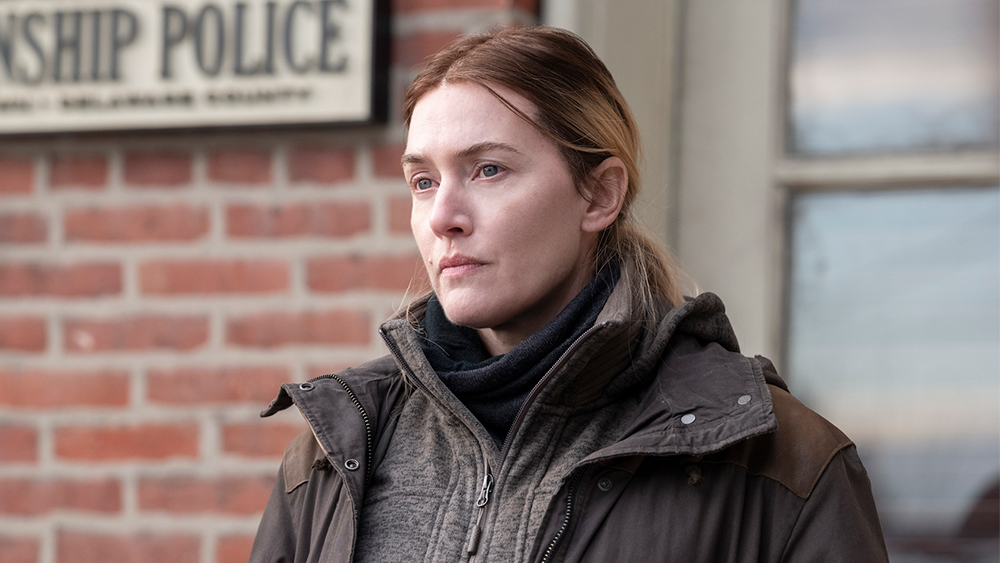
Mare of Easttown -Brad Ingelsby (HBO)
I thoroughly enjoyed this series. It’s the most fun I’ve had watching a mystery show in some time. There were moments, particularly at the end of each episode, that were as thrilling and compelling as anything I’ve seen on TV. So, as a baseline, I think this series was great. I can’t imagine any way that it won’t make my top ten at the end of the year. Now, here’s the question I’m wondering: Is Mare of Easttown an all-timer?
There’s something about the show that makes me resistant to that idea, which is weird because, again, I loved watching it. I think what I’m struggling with is how streamlined and self-aware the show is. In the past, a typical TV episode would follow the beats of a condensed movie. So there would be the climax at about the 45-minute mark and a resolution for the last 15 minutes. Recently, Netflix has changed this format to encourage bingeing. So the climax occurs at the very end of the episode and the resolution either doesn’t happen or occurs at the beginning of the following episode. It’s smart but also feels a little slick.
For better or worse, Mare of Easttown employs this type of pacing in almost every episode. In some instances, it was fantastic. The bar scene at the end of episode 5 is an all-time TV moment. In other parts though, the style felt manipulative to me. One of the first episodes ends with a reveal that Frank might be involved in Erin’s death. It’s stunning! The next week, that idea is dismissed almost immediately. It’s a plot point that’s more engineered than earned.
This is partly what I mean when I say Mare is self-aware. It knows how prestige mysteries have operated for the past decade. It’s the fast-paced, streamlined version of it. It’s Tom Petty’s Damn the Torpedoes compared with Big Star’s Thirteen. But there are aspects of this self-awareness that are really fucking cool. For one, Mare is centered almost entirely on women. It’s something I didn’t even notice until it was pointed out to me. What a great update to this typically male-dominated genre! Mare also just delights in its cast. I don’t know if I’ve had as much fun watching performances in a show. I really hope Kate Winslet and Jean Smart pick up awards for the series.
So I guess we’re back where we started. I have no idea if this is an “all-timer.” That’s probably something only distance can tell anyway. I do know that I had a hell of a time watching this series. And in a period in which the TV landscape is stacked, I’m confident that this will remain one of the best things I watched in 2021. That’s good enough for me.

Hacks – Lucia Aniello, Paul W. Downs, Jen Statsky (HBO MAX)
This may be my favorite thing I’ve seen this year. It’s everything you could want from a show: brilliant performances, an enticing plot, so much comedy, and something meaningful to say. I’m astounded by how well this show was put together. It’s not drastically different from the dozens of other 30-minute serialized comedies out there. Yet, there’s something in this show’s alchemy that sets it apart. I’d probably be a fool not to start with the two lead performances by Jean Smart and Hannah Einbinder. They’re both good in their own right but work exceptionally well as partners/foils. What really stands out to me, though, is the writing. Particularly how well balanced it is. The series allows its main characters to have real drama and stakes. Again, Jean Smart and Hannah Einbinder are very funny, but the show almost doesn’t need them to be. That’s because the series features supporting performances from Kaitlin Olsen, Paul Downs, Megan Stalter, and Poppy Liu, who are all hilarious in their own right. I really can’t say enough good things about this series. I’m so glad it’s coming back for another season.
July

I Think You Should Leave with Tim Robinson (Season 2) – Zach Kanin, Tim Robinson (Netflix)
Boy, oh boy. I’m not sure I really have a whole lot to say. I loved every minute of this season. This show is really just the funniest thing to me. I don’t think this season is quite as good as Season 1. Perhaps, it’ll grow in my estimation over time. Still, I’m sure I will keep rewatching these sketches until there is a Season 3.
ETA: I have not stopped thinking about these sketches in the week since I wrote this review. This season is having the same trajectory as Season 1 in which the show just kept getting funnier and funnier the more I thought about it. God bless Tim Robinson.

Mythic Quest (Seasons 1* & 2) – Charlie Day, Megan Ganz, Rob McElhenney (Apple TV+)
Mythic Quest is a very good show. It reminds me a bit of Better Call Saul in that you can tell this is a series made by television veterans. There’s just a whole lot to like about it. The cast is unbelievably stacked. To have the likes of Danny Pudi, F. Murray Abraham, and David Hornsby as supporting actors is really something. Not to mention the talent of actors whom I wasn’t familiar with, such as Charlotte Nicado, Imani Hakim, Jessie Ennis, Ashley Burch, and Naomi Ekperigin. All in all, it’s a really smart, streamlined comedy. But what makes Mythic Quest even more exciting to me is the flashes of greatness it has had over its first two seasons. There have been three episodes, all stand-alone installments, that have just blown me away. Two are episodes set in the past, in which the central tension of the show is put on hold for a half-hour. The other was perhaps the best COVID-related piece of television I’ve seen.
*Aired 2020

Betty (Season 2) – Crystal Moselle (HBO)
Season 1 of Betty was a blessing. For one night (because I couldn’t stop myself from watching the season in one night), it was the greatest relief from COVID that television could provide. It was cool, funny, and above all, incredibly endearing. The series showed the power of friendship, community, and identity like few things I had seen before. Season 2 of Betty is a bit of a different animal. The series stays connected to its characters and themes. But in this installment, the world has become much darker. Although that is obviously a decision made by Moselle and the other creators, it’s also something of a fact of the world. Betty is a series steeped in realism. The reality of the past year is not something that has escaped even these characters. Overall, I think the series is just as strong as it has ever been. In fact, one could easily argue that Moselle’s direction, as well as the strength of her cast, is even improved from Season 1. For me, though, it was a tough watch. Season 1 felt like an escape. Season 2 felt like a challenge.
August
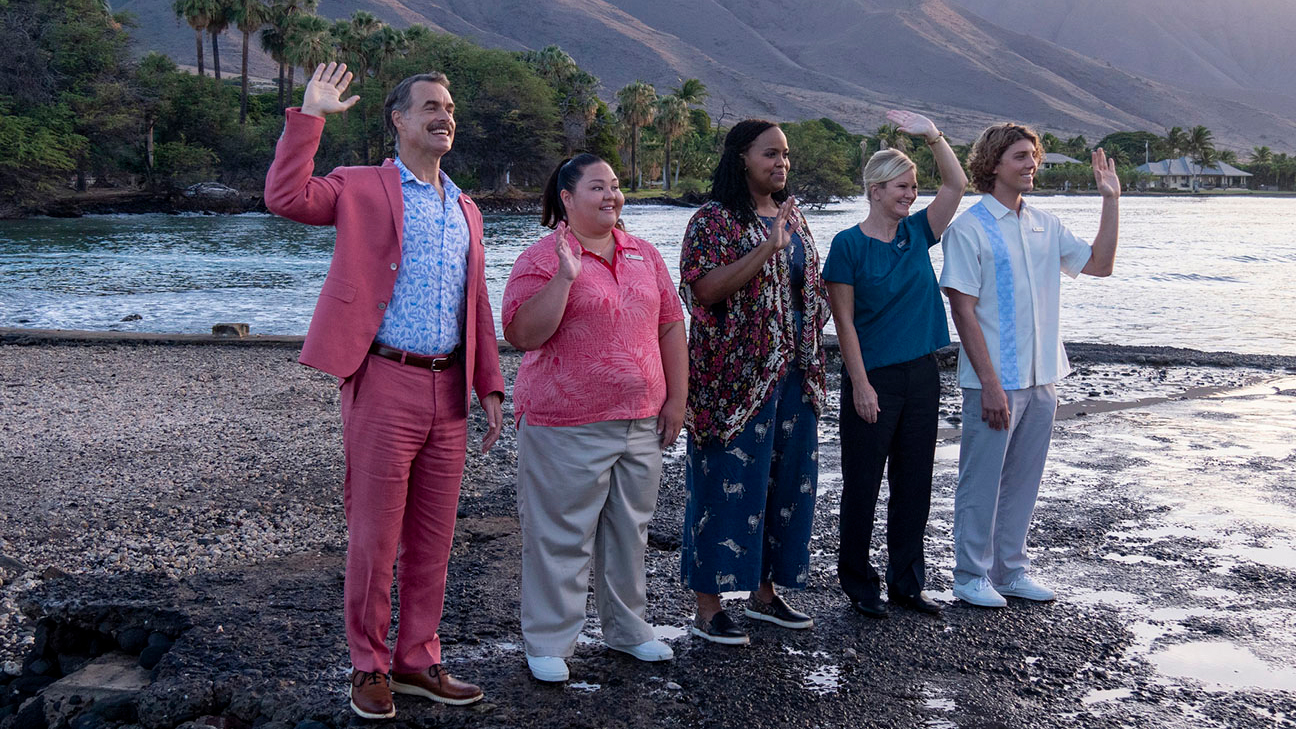
The White Lotus – Mike White (HBO)
I almost can’t believe how good this series is. From the pilot, it’s clear that it would be a worthwhile series. It’s dark, cynical, and wickedly funny. The cast and performances are exceptional. But what I didn’t count on is that it would have so much to say about class. This series touches on something real (and maybe even profound) by its conclusion and manages to never sacrifice any of the qualities I mentioned above. It feels like a parable without having to hit you over the head with the lesson. In fact, I think it’s possible one could watch and enjoy this show without engaging in any of the subtext. Of course, that person would miss out on just what elevates this show from being very good to being great. Really though, I can’t say enough good things about this series. It’s easily the surprise of the year for me. It might wind up being the show of the year.
September
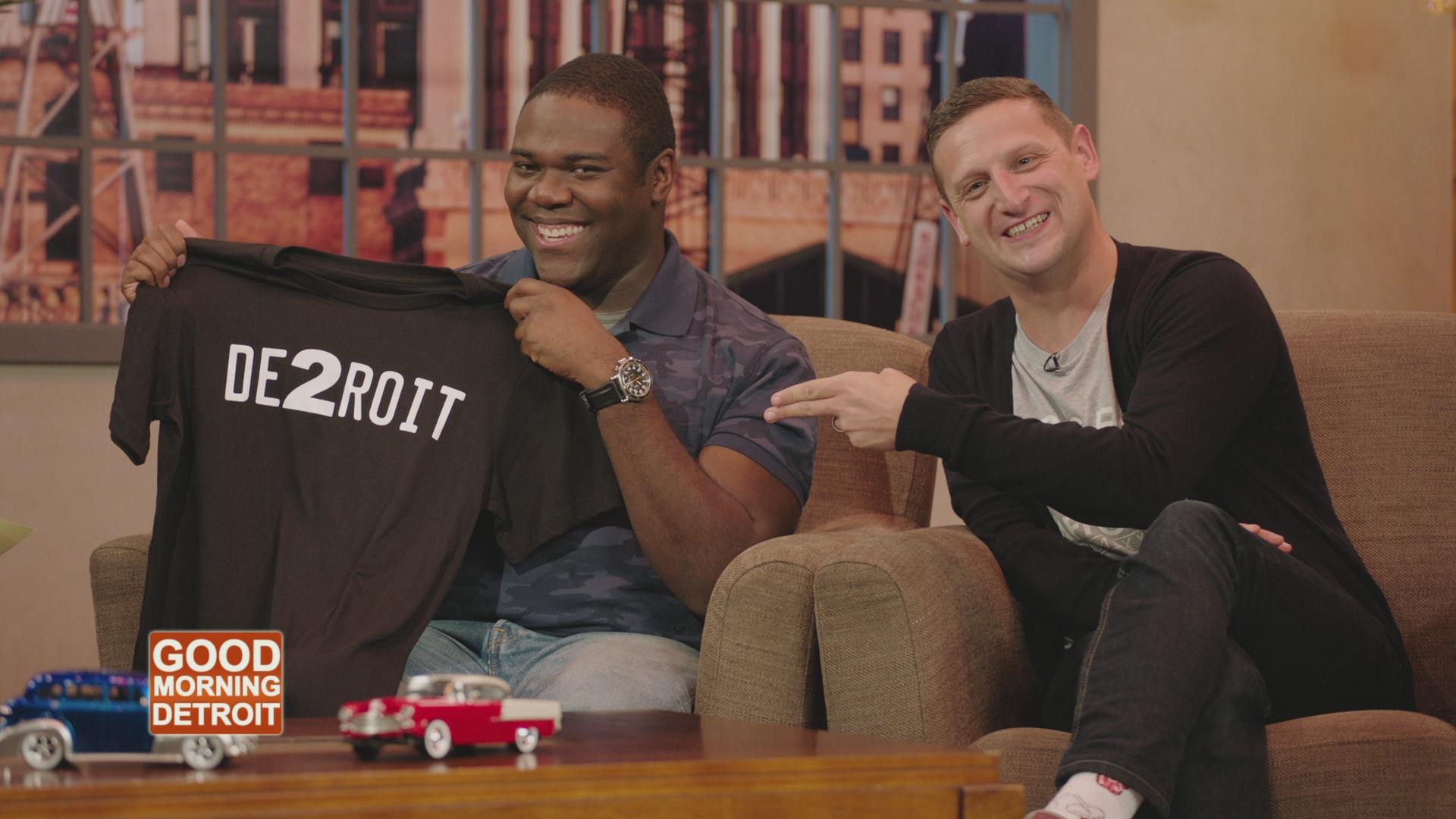
Detroiters – Sam Richardson, Tim Robinson, Zach Kanin, Joe Kelly (Comedy Central)*
I would have never come to this series without I Think You Should Leave. I didn’t even know about it when it was airing. Still, even considering that ITYSL is one of my favorite series ever, it’s disappointing that this was canceled so shortly into its run. This series is almost as funny as I Think You Should Leave, which means it’s funnier than almost anything else I’ve seen. I thought the prospect of a script and premise might slow the show down. But Tim Robinson and Sam Richardson seem to excel here because of that constraint. It’s really remarkable. It is hard to imagine how much more they could have gotten out of this show after 20 episodes. But from the start, the show was better and funnier than it had any right to be. I would have liked to see them have the chance.
*Aired 2017-2018

9/11: One Day in America – Daniel Bogado (National Geographic)
I was wary of my interest going into this. Mainly, that it might stem from a base human instinct to witness disaster. That question is addressed almost immediately. The footage this documentary captures is astounding. I was almost in awe of their magnitude. But while the documentary initially engages with the urge to see or re-live this event, it quickly moves past that. I believe it only shows the attacks on the towers three or four times across its six hours. That’s because the heart of this documentary is about the people killed, injured, and impacted by the event. What separates this from other 9/11 footage is that it turns its focus to individual experience over the magnitude of what happened. I have probably seen clips of the attack and its aftermath a dozen times. This is the first instance in which I could comprehend the attack on a more human level. It is all just extraordinarily moving. Ultimately, where the documentary succeeds most is in the portrait in depicts of human strength and resiliency. It’s impossible to come away from this without feeling more inspired and in communion with these people. I, like many others, have grown weary and cynical about the impact of these events on the world and our daily lives. The world is no doubt a worse place for the United State’s reaction to these events. This documentary doesn’t engage with the cause or effect of the attacks. Instead, it engages with the humanity involved by the people who lived and died through this day. I’m sure one could take that as propaganda of sorts. I should note that the 9/11 Museum and Memorial was a sponsor/producer of this series. But to me, this documentary managed to increase my compassion for my fellow human being. For that, I am grateful.

Normal People – Sally Rooney, Alice Birch, Mark O’Rowe (Hulu / BBC)*
I actually had a couple of false starts with this series last year. I stopped once because Gioia was also interested in watching it but we were on different schedules (how fitting!), and I stopped another time out of pure distraction. Having watched the series in total now, I’ll start by saying that I loved it. The series’ slow pacing, which was an initial hurdle, is perhaps what I loved most about it. In retrospect, my favorite episodes were those slow, seemingly uneventful ones at the beginning. A feature that is probably by design. Watching the series, I kept coming back to Hanya Yanagihara’s novel A Little Life. Both works document relationships plagued by mental illness and abuse over an extended period of time. They both also elicit a deep, visceral reaction from the reader/viewer. To be honest, I’m a bit furious over the ending of Normal People. I don’t understand how these characters can keep putting everything else in front of their relationship. It drives me crazy. However, that emotion indicates that I really engaged with and responded to the series. And that’s more or less how I felt reading A Little Life. If these works were merely good, I wouldn’t care so deeply about them. Anyways, I’m running out of time and there’s a lot to praise and a few things to critique about the show. I’ll quickly say that the performances by Paul Mescal and Daisy Edgar-Jones are exceptional. The cinematography and set design is consistently stunning. The writing and direction in the series is quite good. If I have a critique, it’s that the series somehow needed more time. My guess is that the novel more naturally and accurately captures the progression of time in these characters’ lives, that you feel Connell and Marianne’s individual lives separate from one another. By the nature of being a television series, this show has to focus pretty intensely on their relationship in each episode. The result can occasionally feel almost soapy. In most cases that’s fine and just an inconvenience of the medium. However, I do think it does render a questionable or even incomplete picture of sexual health at times. Particularly the way the series seems to connect abuse to BDSM. Again, what it says may not even be untrue about Marianne’s sexual life. However, I felt it needed more time and space to really explore that subject. I should probably just read the book!
*Aired 2020

Reservation Dogs – Sterlin Harjo, Taika Waititi (FX on Hulu)
This series is the surprise of the year. Fittingly, it has a lot in common with Betty, my biggest surprise from last year. Like Betty, Reservation Dogs is a hangout show documenting the lives of young adults seldom seen in film or television. But instead of following New York City women skaters, Res. Dogs follows a group of indigenous teenagers trying to break out of their reservation hometown in Oklahoma. Like Betty, there are obvious appeals to my taste. I love hangout shows and movies, I love series about young people coming into their own, and I love seeing perspectives I hadn’t considered before. On its surface, there’s just a ton to enjoy about this show.
What I didn’t expect was how fully-formed and exceptionally well-told this series would be. It reminds me of the debut album a band has been perfecting for years up until they finally got their shot. The storytelling in this series is just masterful. It deals so gracefully with intense and difficult subjects like grief, trauma, mental health, politics, race, and wealth. These issues feel present only because they are present in these characters’ lives. But what elevates this into consideration for my favorite show of the year is the way it blends mysticism, spirituality, and the supernatural into an otherwise grounded reality. There are moments of surreal beauty unlike anything I’ve seen on television before. I am honestly just blown away.
October

Ted Lasso (Seasons 1* & 2) -Jeff Ingold, Liza Katzer, Bill Lawrence, Jason Sudeikis (Apple TV+)
S1: This series has no right in being as good as it is. I can’t say enough nice things about it. Maybe that’s fitting. This show is legitimately in the running for my favorite series of the year. It feels profoundly different from other shows too. I would say that television (and maybe all media) operate in a primarily negative mode. Something bad happens to a character and they work to get back to neutral. In comedy, it’s usually a depiction of characters and situations that are so awful that you can’t help but laugh at them. “Thank god I don’t work there!” Ted Lasso, even compared with other touchstones of goodness like Parks and Recreation or Betty, is unrelentingly positive. It works from a mission that the most powerful force in one’s life may be their point of view. That’s really what the show is. It shows how impactful and meaningful it can be to simply be nice. And yet, it still does everything else a good comedy should do. This isn’t a boring, G-rated show. It has all the stakes, humor, and profanity as any other comedy. It just responds to all of that in an infectiously life-affirming way.
S2: Holy moly, did this show turn into a lightning rod. Can’t we just have nice things? It pains me to say it, but Season 2 is a significant step down from Season 1. I think the root of these problems center on the change of stakes from the first season. Ted Lasso started out as a story about a coach who was hired to (unknowingly) tank his club’s reputation. It was The Producers. There was a clear conflict and a clear goal: Could Ted win over his club’s owner? This season, in contrast, has turned into a soap opera. There are so many conflicts now that they all feel petty and insignificant. I honestly don’t even know what I’m rooting for to happen. That’s a problem! I’ll still watch Season 3. The show hasn’t totally lost me. But after a breakout first season, this has been a real bummer.
*Aired 2020

Squid Game – Hwang Dong-hyuk (Netflix)
I expected this series to subsist on style over substance. The way the show caught on, and the grizzly turn it takes at the end of its first episode, seemed to suggest it was centered on spectacle. I couldn’t have been more wrong. Of course, Squid Game is on pace to become the most-watched original series in Netflix’s history. And it certainly relishes in spectacle. The costumes, set design, and sequences of violence are unforgettable. But what makes Squid Game one of the best shows of the year are the layers upon layers of substance underneath. Frankly, I did not think I would continue with the series after that first episode. The magnitude of violence and brutality in this show is decidedly not my cup of tea. And yet, I stuck with Squid Game because of everything else the show was doing. Its characters are complicated, compelling, and nuanced. The performances are magnificent. I cannot get over how good Lee Jung-jae, Jung Ho-yeon, and O Yeong-su are in their roles. They might carry my three favorite performances this year. On top of that, the storytelling in the series is brilliant. The type of twist in the second episode is something the series repeats again and again. It manages to never do the thing you expect from it. To that point, I was more than sold on the series by the time we reached the final episode. Still, I have to say that this series nailed its ending. It was surprising, revealing, and made total sense all at once. I really can’t say enough about how impressive this show is. It could very well be my favorite show of the year.
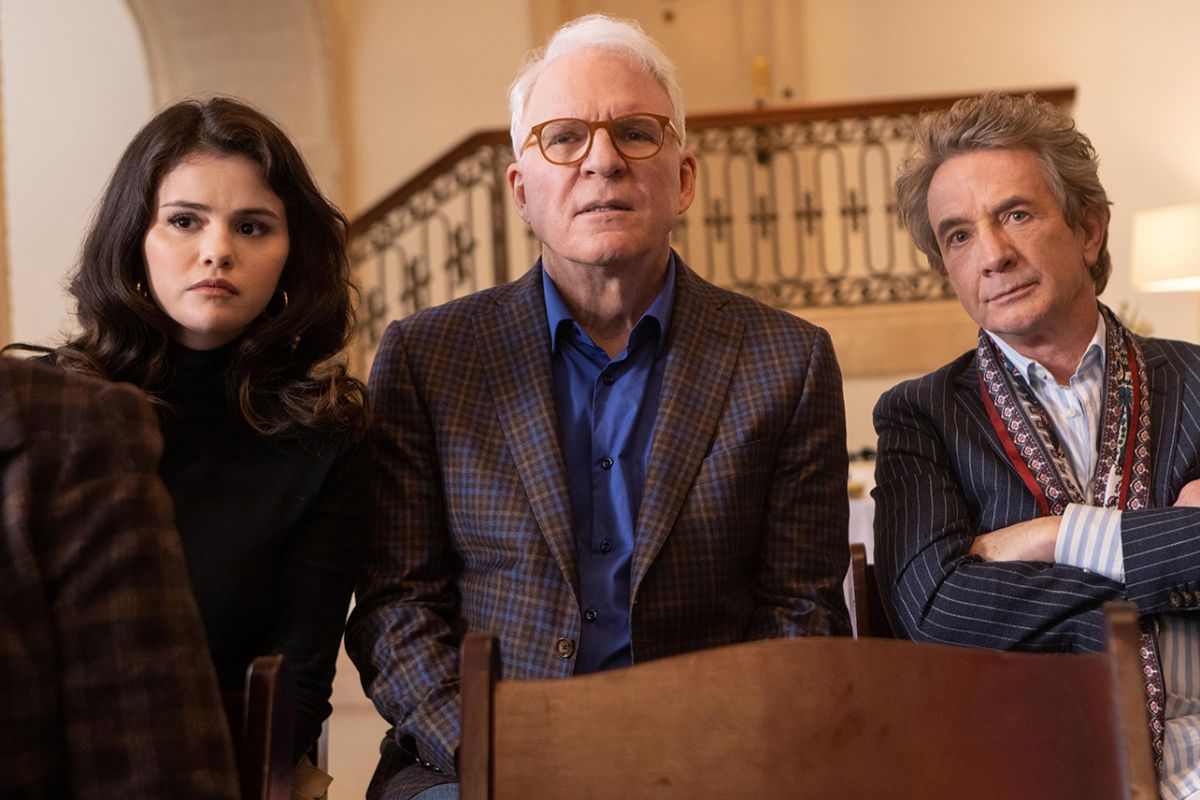
Only Murders in the Building – Steve Martin, John Hoffman (Hulu)
One of the more interesting (and honestly annoying) arguments that emerged from the Ted Lasso Season 2 discourse was the idea that viewers should be wary of comedies that aren’t actually funny. That’s obviously an extremely fraught argument. For one, I do think Ted Lasso is often funny. Which maybe speaks to the idea that comedy is subjective. Still, I can broadly understand the idea. There has been a wave of successful comedies lately, from The Good Place to Schitt’s Creek, that are truthfully not all that funny. Or, at the very least, not laugh out loud funny. Instead, they are nice, charming, and almost always exceptionally clever. All of which is to say, I think Only Murders could have potentially fallen into this category. Now, before people lose their minds, I am aware that Martin Short and Steve Martin are two of the funniest people to have ever lived. They are delightful in this series. Still, for most of this first season, I did think this series was often more clever than it was outrageously funny. So, what does that mean? Is the series bad? Should viewers be skeptical of Only Murders? Absolutely not. Perhaps this is where I can dismiss that Ted Lasso idea. Only Murders works because the series is smartly done and the stakes of the series are compelling. In fact, what impressed me most about the show was how well its murder/mystery plot was executed. Maybe the reason Ted Lasso Season 2 wasn’t great is because its plot and stakes didn’t make sense? A television comedy can work in a number of ways. Not every series needs to be What We Do in the Shadows or Curb Your Enthusiasm. Sometimes it just needs to be good.

You (Season 3) – Greg Berlanti, Sera Gamble (Netflix)
I’m not sure there’s a series more reflective of the current state of television than You. To start with, it had a promising but unsuccessful launch on Lifetime. It was then acquired by Netflix where it became a smash hit. While I do feel for Lifetime, it is hard to argue that Netflix isn’t the perfect place for it. To that point, I have only ever watched this series in binges. A fact that, returning to this season, made me realize that I couldn’t remember anything from the show’s previous installments. I don’t think that matters! What makes You a worthwhile series is specifically the experience of watching it. Maybe I’m being overly critical, but I don’t think You has that much to say. From personal experience, I know that it doesn’t give the viewer anything to think about. Instead, it seems to focus all of its energy on being the most riveting series possible for the 1 or 2 days a viewer spends watching it. To that end, Season 3 is as successful as ever. I loved watching it. I can’t imagine I’ll think about it for another year.
November

What We Do in the Shadows (Season 3) – Jermaine Clement (FX)
This is the funniest show on television right now. Honestly, it might not even be close. The Atlantic City episode from this season is up there with Seinfeld’s “Marine Biologist” or It’s Always Sunny’s “The Nightman Cometh.” I particularly love how many guest stars the series has brought it. It’s wonderful to see someone like Kristen Schaal in the show on a weekly basis. The end of this season took a turn in which it seems like the show might move in a more serialized direction. Normally, it’s something I wouldn’t be a fan of. But this show has proven that it deserves the benefit of the doubt. As long as it’s funny, I’ll keep watching.
 Impeachment: American Crime Story – Scott Alexander, Sarah Burgess (FX)
I have to admit I am still puzzled by the lukewarm reception this series has received. At the start of the year, this felt like it’d be, if not one of the best shows, at least one of the most talked about. Instead, it feels like this just came and went. My guess for why that happened would be three things. 1. This show was on FX but only accessible through live TV or the FX app. I wonder if people just couldn’t find this? 2. I think that people on all sides of the political spectrum are just sick of the Clintons. I’m not sure how many people had the appetite to sit through another retelling of these events. Now, in my mind, that’s unfortunate. I think the series actually does a pretty good job at showing this story from other angles, primarily from Monica Lewinsky’s point of view. It could sometimes be heavy-handed, but I did come away with a new perspective on this period of history. 3. While I think this show was good, it certainly wasn’t great. For as interesting as the series could be, it was also occasionally heavy-handed and long-winded. Which, again, is a shame. I think this is a season that deserves to be watched. Would I go out of my way to recommend it? Probably not.
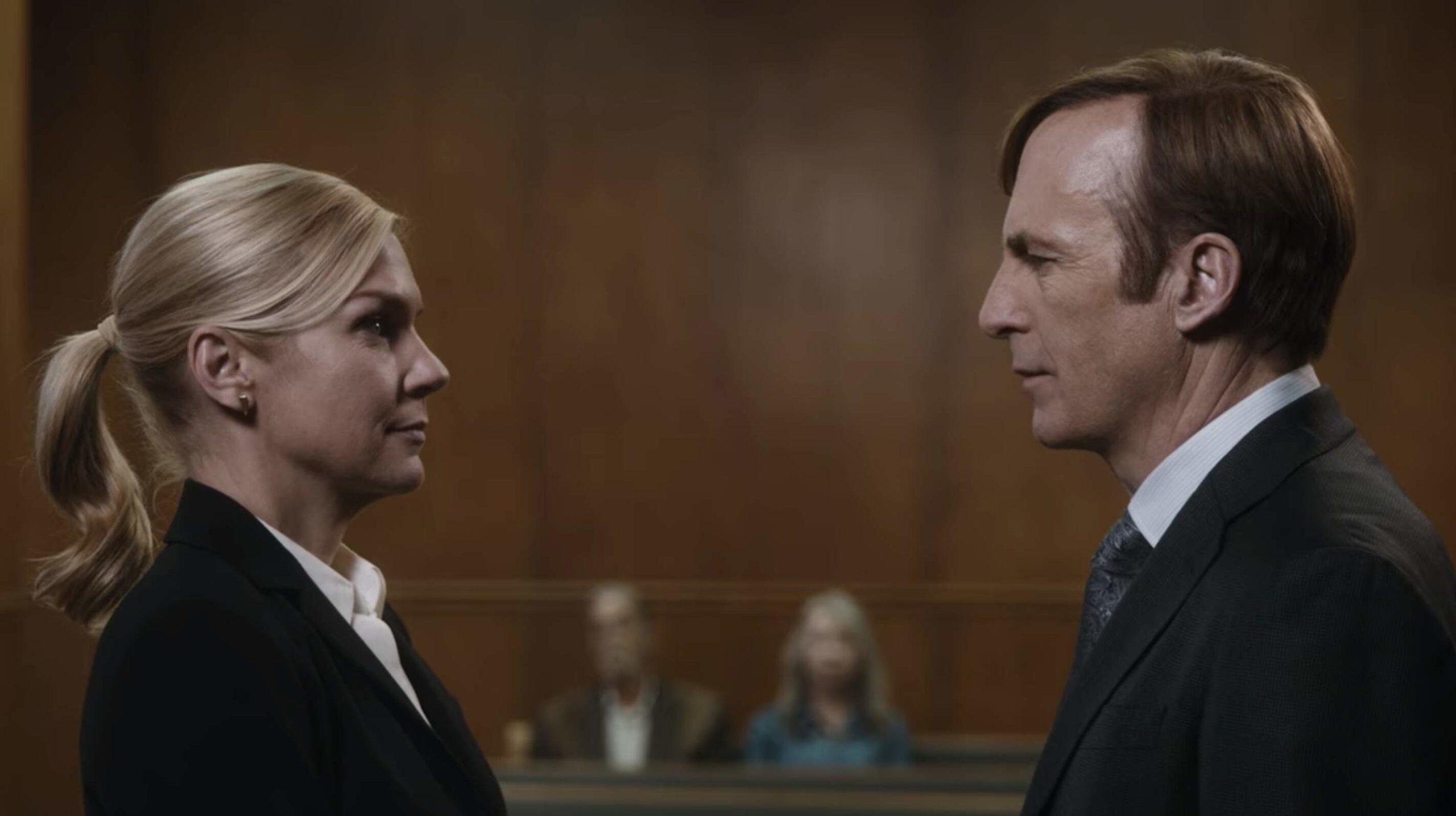 Better Call Saul (Seasons 1-5*) – Vince Gilligan, Peter Gould (AMC)
I have so much to say about Better Call Saul! However, I will not be saying it here. I am at the tail end of a project in which I’ve written essays about each and every one of Saul‘s fifty episodes. Stay tuned for more!
*Aired 2015-2020
December

The Great British Baking Show (Series 12) – Anna Beattie (Channel 4 / Netflix)
I fear I’m becoming an asshole. I really struggled with this season of the Bake Off. To the point where, as I write this, I have still not watched the finale. I don’t think there’s anything particularly egregious about this season compared to any other. But I found myself struggling each week to make it through the entire episode. But, really, my criticism of the show is that its episodes are long. Maybe I’ll be in a better headspace for it next year?
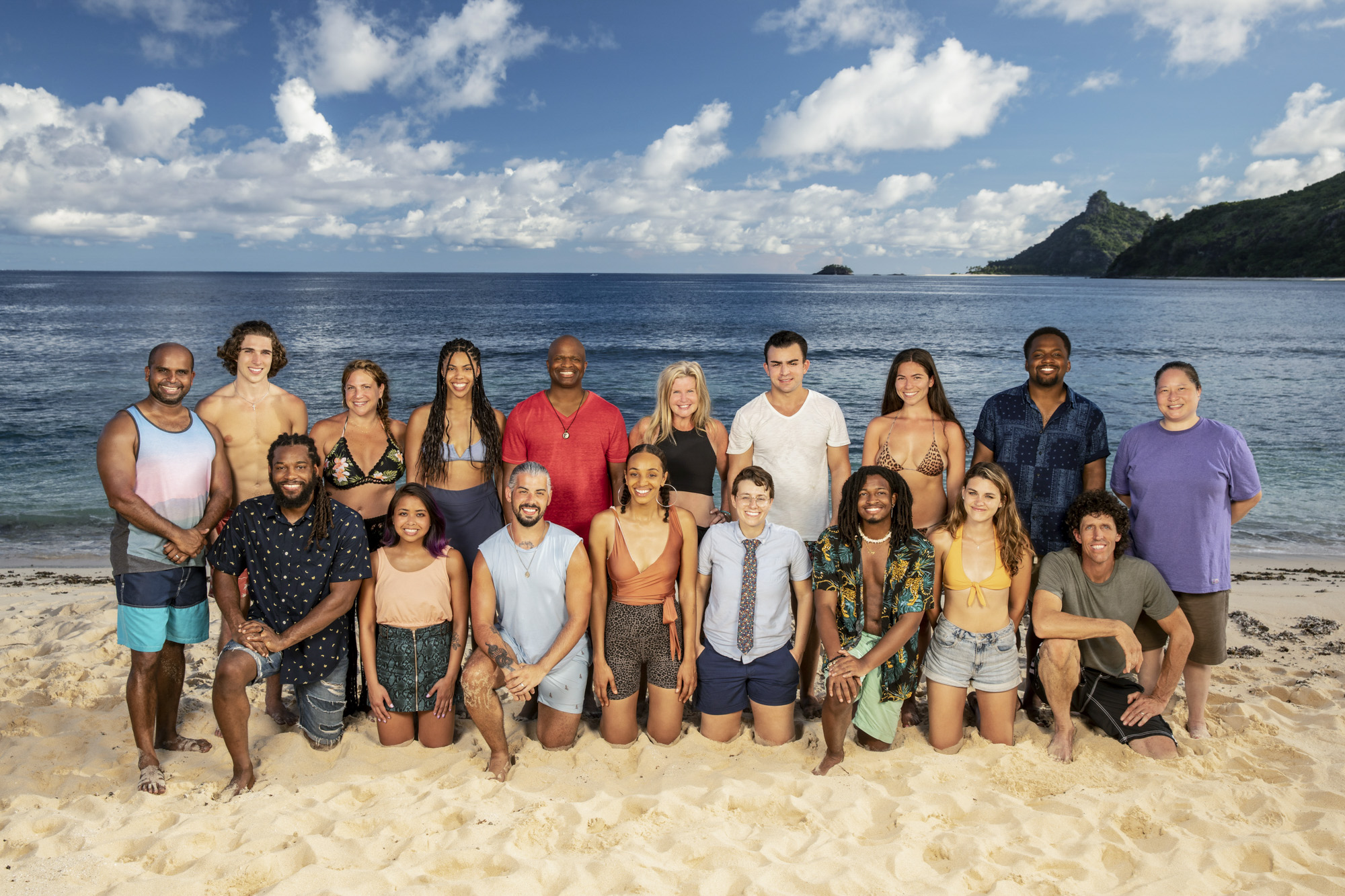
Survivor (Season 41)– Charlie Parsons, Mark Burnett, Jeff Probst (CBS)
Survivor is the best. Even in its 41st iteration, it’s compelling as ever. Overall, I thought this was a good but not great season. While many of the new twists were exciting in the moment, I wouldn’t want any of them to become a permanent fixture in the game. Moreover, this season featured a dynamic and exciting cast, but not one that was especially likable. I wonder if the condensed gameplay affected my perception of that?
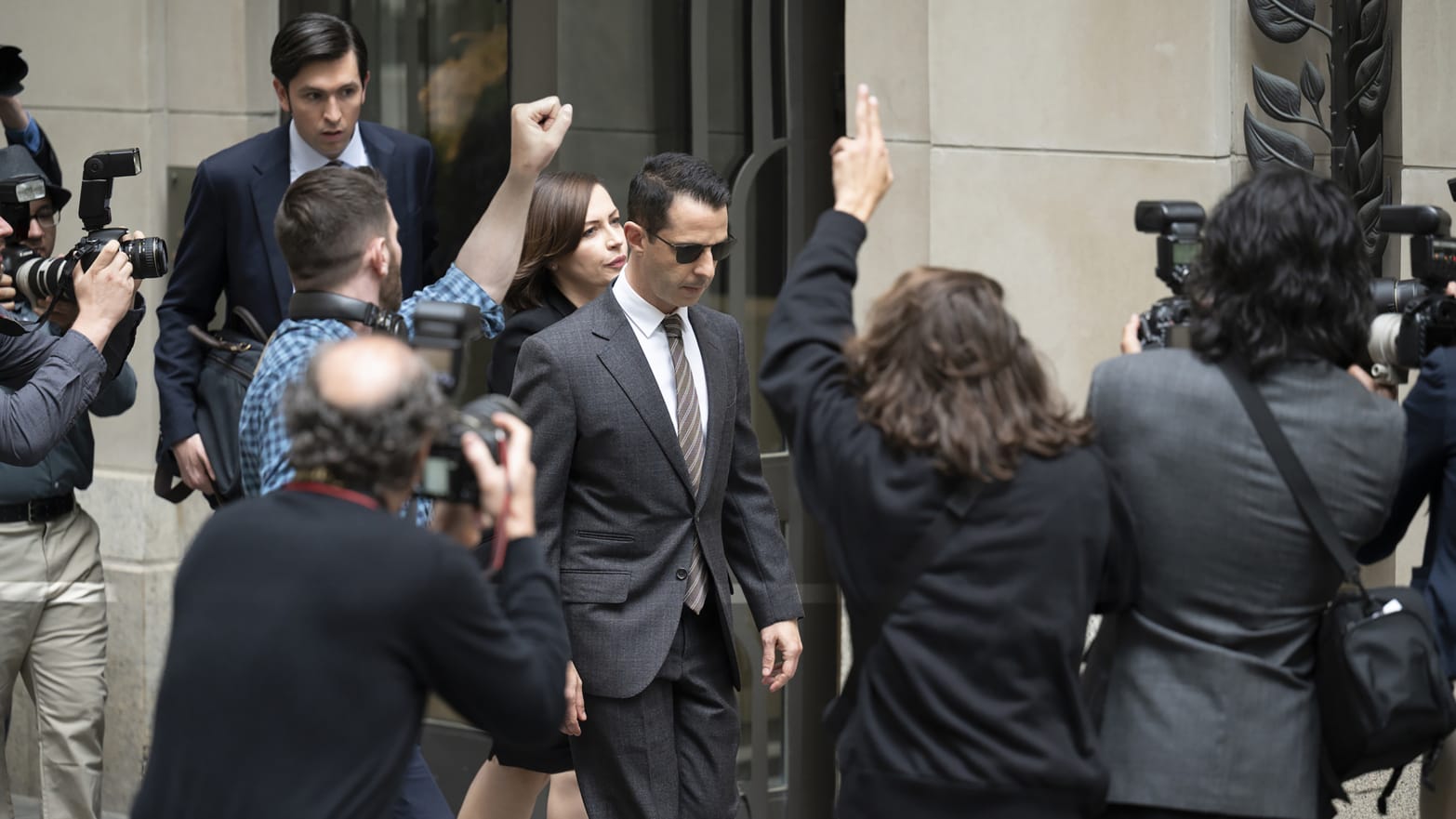
Succession (Season 3) – Jesse Armstrong (HBO)
There is no better feeling in television than when Succession is airing. For the nine weeks this show was back, it was the highlight of my week. Seriously, if every series in this blog aired its episodes at the same time, Succession is undoubtedly the one I’d watch first. And yet, for all that praise, I will say that Season 3 was (just very slightly) the weakest season to date. For the first time in the series’ run, you could feel the strain as the show hurdled toward its endpoint. On the other hand, this season’s conclusion was as brilliant and daring as anything Jesse Armstrong and his team have done to date. In fact, I would argue it ranks up there with the best season endings in television history (looking at you, Breaking Bad S4). All of which is to say that despite a few flaws here and there, Succession remains the best and most exciting series on TV.

Curb Your Enthusiasm (Season 11) – Larry David (HBO)
I honestly am not sure how objectively funny Curb Your Enthusiasm is at Season 11. The familiarity and premise of the show are too much for me to be objective about it. Like every other iteration of the show, I found this season to be absurdly delightful. I will say that Vince Vaughn’s Freddy Funkhouser is one of the best character additions to the show in a long while.

It’s Always Sunny in Philadelphia (Season 15) – Rob McElhenney (FXX)
I hope that Always Sunny continues making episodes forever. I thought this season was a pretty successful experiment for the show. They reduced the number of episodes from 10 to 8 and set the final four episodes of the season in Ireland. The show is obviously not as consistent or funny as it was in its prime, but a season like this proves it can remain fresh and worthwhile.
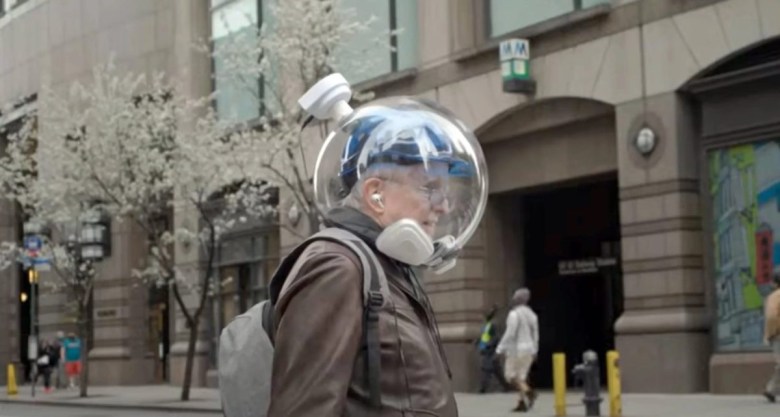
How To with John Wilson (Season 2) – John Wilson (HBO)
We are in an unprecedented era of television. There is more quality tv available than any one person could possibly watch. Hopefully, that’s apparent from this post! And yet, for this enormous boom, most of these shows are largely the same. I don’t mean to suggest that these series are unoriginal or in any way unworthy, but for the most part, they all draw on the same trusted format provided by legacy tv shows like Breaking Bad, The Sopranos, or Seinfeld. How To with John Wilson is different. Certainly, there have been video essays before. But I can’t remember a project in which these video essays could seemingly go on forever. Nor one in which the thematic basis for the project has more to do with a specific tone than any content. It’s truly remarkable. In terms of quality, I don’t think Season 2 necessarily does anything that Season 1 didn’t. But I’m just so impressed that this series proved it can keep going as long as John Wilson wants. It was a tremendous way to end the year!

 Sam Writes Shit
One thought on “2021 Television Log”