

February
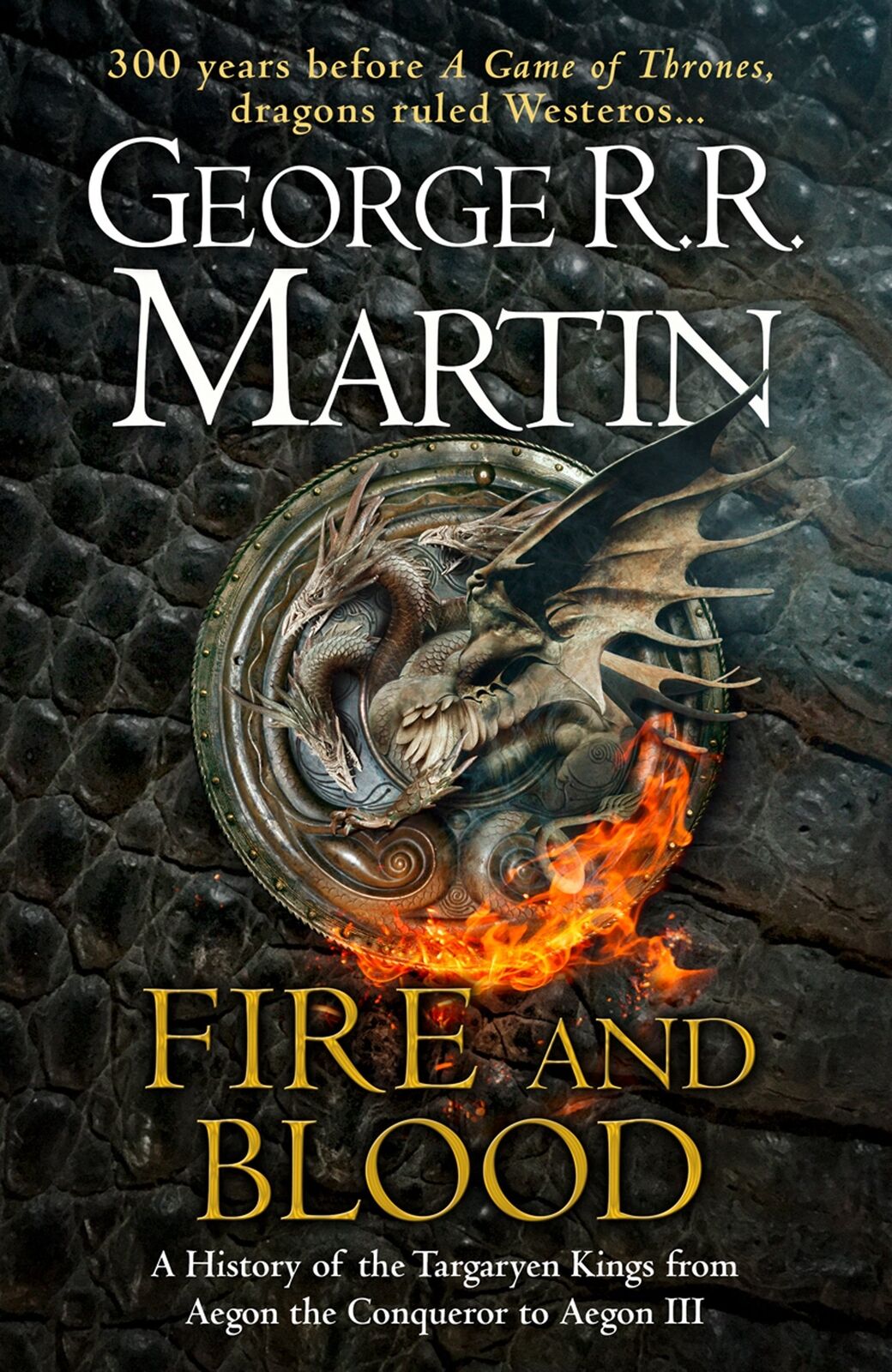
Fire & Blood – George R.R. Martin (2018)
What Martin manages to achieve here is astounding. I mean, this is a 700+ historical text of the world in his Song of Ice and Fire novels. The easiest comparison is to Tolkien’s The Silmarillion, a book that even to a massive Lord of the Rings fan like me, was too dry to finish. Overall, Fire and Blood is quite entertaining and especially fascinating to those wrapped up in Martin’s novels or in the House of the Dragon adaptation. I lost a bit of momentum towards the end, though I can’t say it was necessarily due to any drop off in quality, but again, because reading a 700+ page fake history starts to wear on you after a while.
March
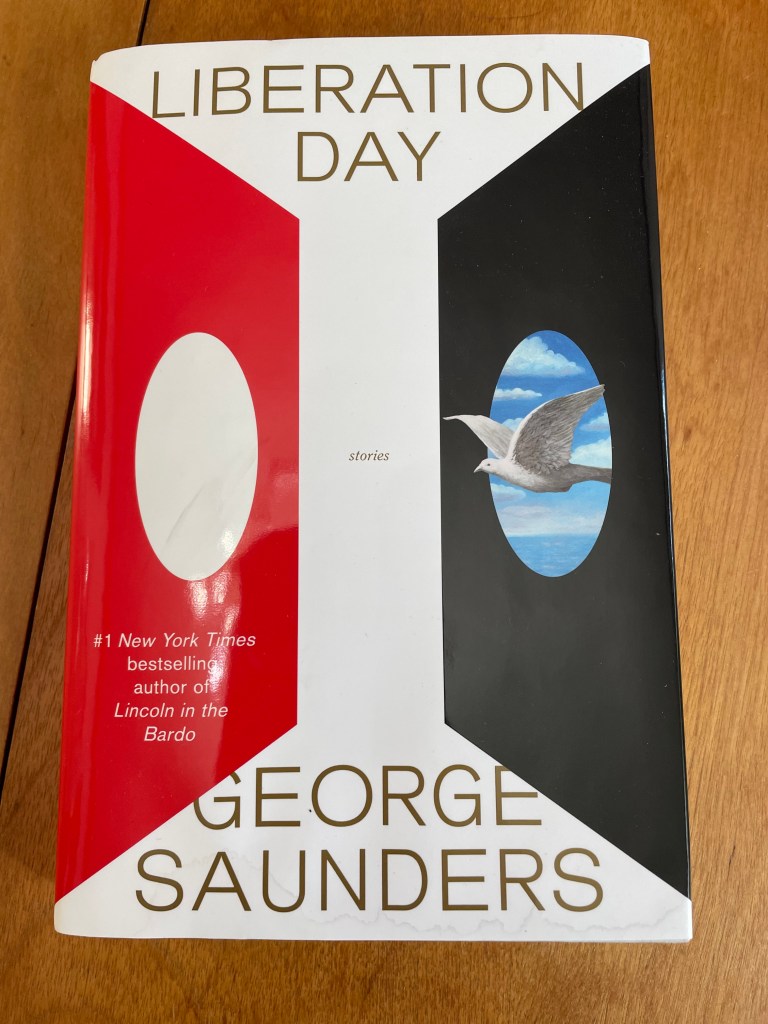
Liberation Day – George Saunders (2022)
George Saunders is my favorite author. As someone who doesn’t read a ton of short fiction, I’m inclined to agree with all the pundits who say he is the best at the genre right now. I don’t know if Saunders does anything radically different in this collection from his others, but again, that’s not why I read him. He sticks to his formula and turns out another collection of good to great stories. I hope he never stops.
April
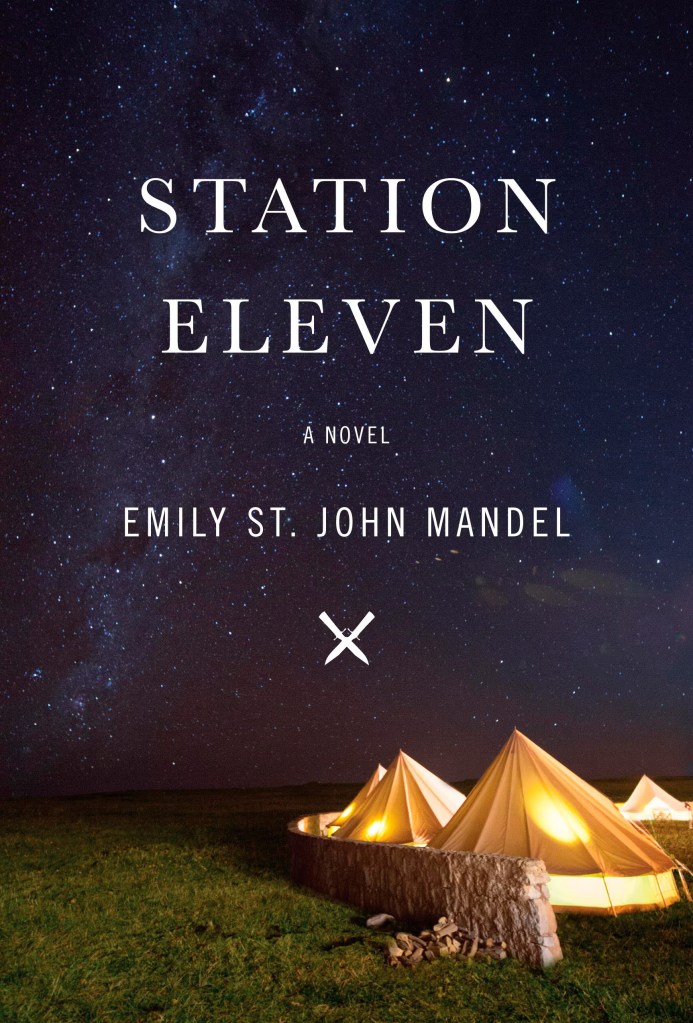
Station Eleven – Emily St. John Mandel (2014)
Station Eleven, as any reader of this blog will know, is among my favorite seasons of television ever. As soon as I had seen its pilot episode, I knew that one day I’d be reading the series’ original source material. Obviously, adaptations are tricky. And that’s never more true than when they’re for a story you hold dear. To fall back on an old favorite, let’s take Harry Potter. I’d consider those films to be in the 95th percentile of successful adaptations. The cast is phenomenal, the sets, costumes, and special effects are marvelously done, and for the most part, the films work as both their own pieces of media and as serviceable depictions of the novels. And yet, for as much as I can acknowledge how impressive these films are, there will forever be parts of these adaptations that bother me to no end. Why cut one storyline for another? Why insert this character here or take out this scene there? Why change the lore behind the story or how a particular piece of magic works?
What’s remarkable about Station Eleven is that the novel is markedly different from the season of TV that I fell in love with. Yes, it is fundamentally the same story, but there are major, major differences in how each is told. And these aren’t just changes as in one plot point is different or this character or storyline is cut out. There are pieces at the heart of the story that are almost unrecognizable from TV series to book. The relationship between Jeevan and Kirsten, for instance, as two of the main POV characters is drastically altered. In fact, their reunion, which is arguably the climactic event in the series, doesn’t even happen in the book. And truth be told, that example may very well be underselling how different each version of Station Eleven is. I mean, pretty much the entire ending is changed from book to show.
So what’s even more remarkable about these changes? Having now considered both versions of this story, I can safely say that I appreciate each one more even more than I previously did. In all honesty, this, to me, is the rare piece of media in which each version of the story stands completely on its own with its own reasons and merits for existing.
Now look, had Patrick Somerville decided to do a straight-up, beat-by-beat adaptation of this novel, I would have loved it and I think it would have been largely successful. Mandal’s book is simply that good. But, what I love even more about the adaptation now, is that the changes he makes all serve the story’s higher purpose. Meaning, that these key differences come not from wanting to put his own stamp on the novel or to condense plot points for an audience, but from determining how best to utilize this medium (television) to elicit the same emotions, feeling, and meaning that one gets from reading the book. As it turns out, you have to take different routes to get there. Some storylines and plot points just play better on TV than they do in a book. The same can be said in reverse. So, for instance, while giving Jeevan and Kirsten a full circle moment in the novel would have felt too engineered or architected to work, it’s exactly what the TV version of this story calls for.
Man, I know I spent most of my time talking about the TV version of this novel. But my purpose was more or less to say this. This world and story that Mandel crafted is among my favorite pieces of fiction ever. It’s a testament to her that somebody else could take this story, render it in a different way for a different medium, and have it elicit such powerful feelings and emotions. God bless Station Eleven.
June
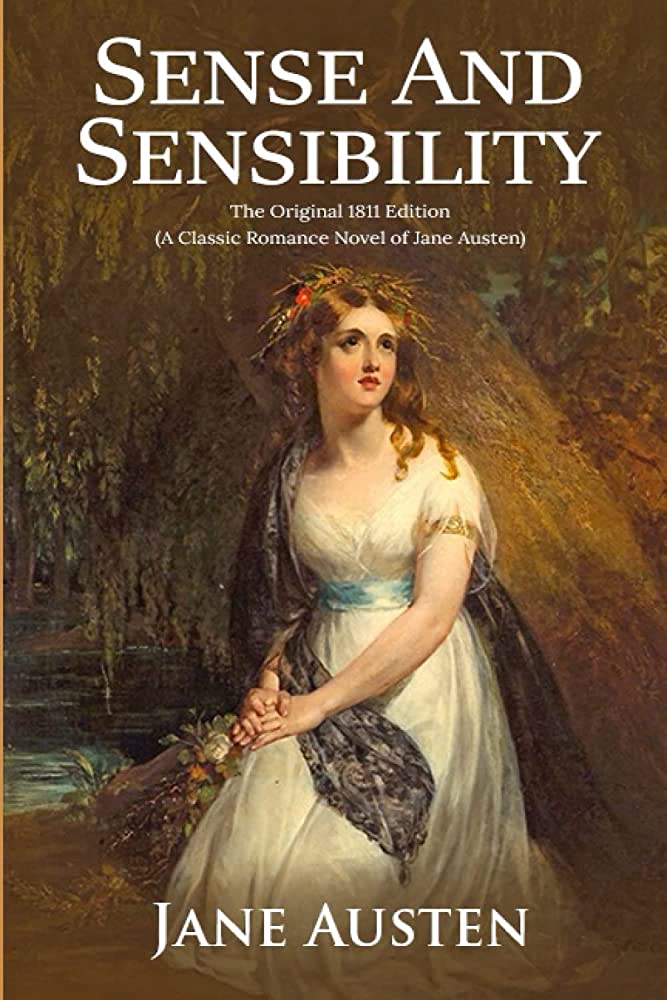
Sense and Sensibility – Jane Austen (1811)
I liked this book and I really like Jane Austen, but I must say, I struggled a bit through it. Part of it, I think, is from the failings of my own attention span. It took me a while to get back into rhythm with the pacing and narrative of a 200-year-old novel. Part of it though, I think, is due to Sense and Sensibility not being as fully realized as Pride and Prejudice. From that perspective, it was extraordinarily interesting to read and compare. You can see what skills, themes, and ideas Austen already had down in her very first novel. And, I think, you can see what she would improve upon in her later work. It should also be noted here that one of the lasting lessons in this book (in fact the concluding idea of the novel) is that marrying for wealth and security is much better than marrying for love and attraction. That’s something that hasn’t translated super well to the present. But still, I liked this novel, I’m glad I read it, and I’m even more excited to watch its stacked movie!
July
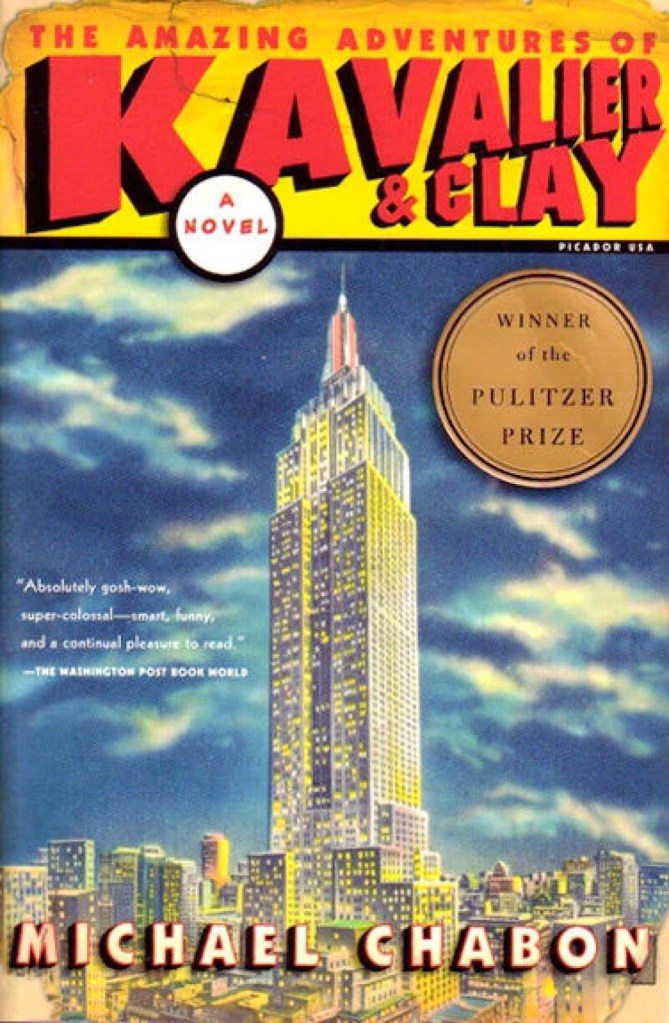
The Amazing Adventures of Kavalier & Clay – Michael Chabon (2001)
Since finishing In Search of Lost Time, I’ve struggled to get settled all the way back in a reading groove. To be clear, I quite liked Sense and Sensibility and even loved Station Eleven, but perhaps because I was already familiar with those stories, I just never reached that place where it’s impossible to put what you’re reading down. I got there and then some with Kavalier & Clay. In fact, it’s already on my shortlist for favorite books ever. Why?
First, it’s just a deeply felt and totally moving story. There’s nothing I love more than a character-based story. And while all sorts of amazing adventures do transpire, the plot stays laser-focused on our two main characters. Second, the story is beautifully told. This was my first encounter with Michael Chabon but, after just one novel, I’d consider him to be one of the best-written living authors. I particularly admire how his writing unspools the whole novel. He’ll start with a scene and then pull one thread, Joe’s arrival in New York for instance, to reveal Joe’s upbringing in Prague and the story of his flight from Europe to the United States. By the time we return to the original scene in Sammy’s bedroom in New York, we know everything we need to about Joe without Chabon needing to tell us. Instead, he’s just shown us.
The last piece of praise that I want to hand out, though I could go on, is actually something that I initially bumped against while reading. The novel is divided into sections and there is one section that, pretty clearly, is much less interesting than the others. In this section, one of our two main characters (Joe) basically removes himself from the action of the novel and our story follows him, in his isolation, to an air force base in Antarctica. It took me a while, even while I was bumping against it, to consider what bothered me about this section. Did I just hate Joe’s decision in the story? Or did I disagree with Chabon’s decision to take the novel in this direction? Ultimately, I think it was a bit of both which, considering how much I loved the novel to that point, was pretty amazing.
In retrospect, however, this section of the novel takes on a new form and purpose. In order for the ending of the novel to hit at full impact, the section becomes necessary. It might sound like a pretty obvious discovery, but until this book, I’m not sure I fully realized just how important structure is even to a page turning story like this. In fact, I’m not sure how many incredibly well-written, structurally ambitious, page-turning books I’ve ever read. Perhaps the highest praise I can give Kavalier & Clay is that it is all three of those things.
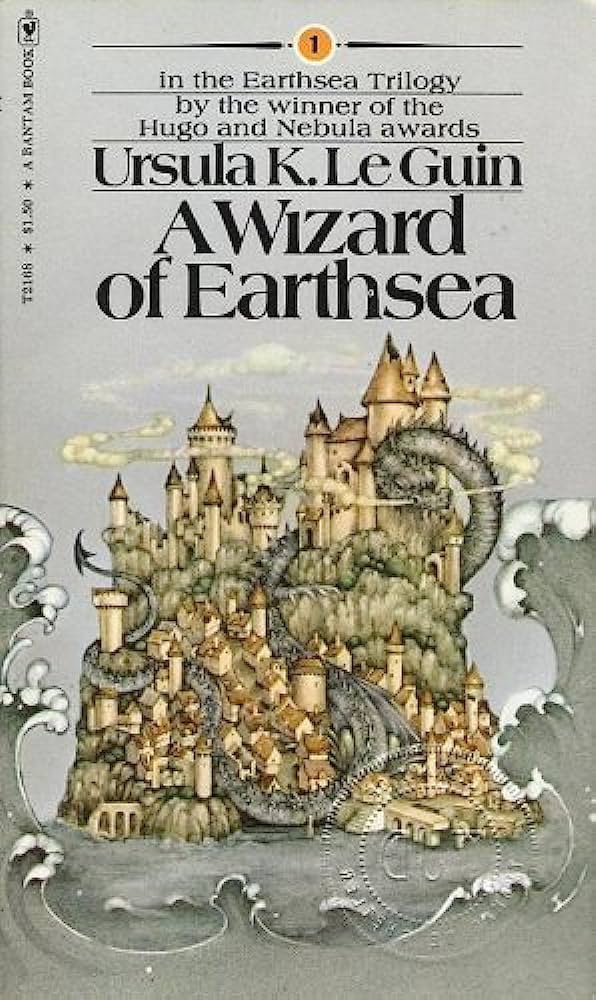
A Wizard of Earthsea – Ursula K. Le Guin (1968)
For the third time in three books, Ursula Le Guin amazes me. Readers of this blog will know how highly I rate Le Guin from my loving reviews of The Left Hand of Darkness and The Dispossessed. Still, I had some hesitation when it came to the novels of Earthsea. Though they are highly esteemed and written by an author I loved, I worried that something might be lost not just in the transition from science fiction to fantasy, but in a targeting a younger audience instead of adults. Clearly, this was not the case. For one, Le Guin writes fantasy as well as she writes science fiction. There is nothing lost in the imagination and world-building of Earthsea. Secondly, I kind of struggle to understand how this book is anymore suited to children than to a general audience. Le Guin’s writing is as brilliant as ever. In any case, A Wizard of Earthsea is a brilliant opening novel to a longer story. I can’t wait to keep reading.
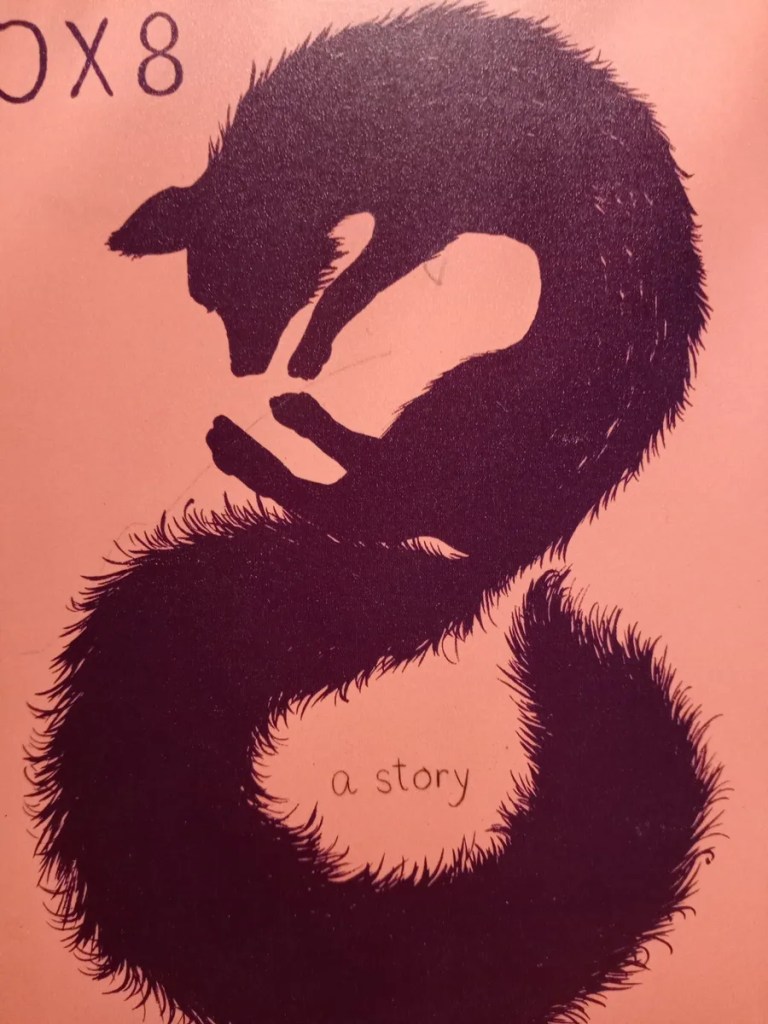
Fox 8 – George Saunders (2013)
I was debating whether or not to add this based just on its size. At 60ish illustrated pages, it seemed like it might be a little light to qualify as whatever preconception I have of a book. But then I read it and even though it’s a short novella, it is masterful in the way all George Saunders stories are masterful and thus due to the size of its impact must be included not only as just a book on my reading list, but as one of my favorite books I’ve read this year.
August
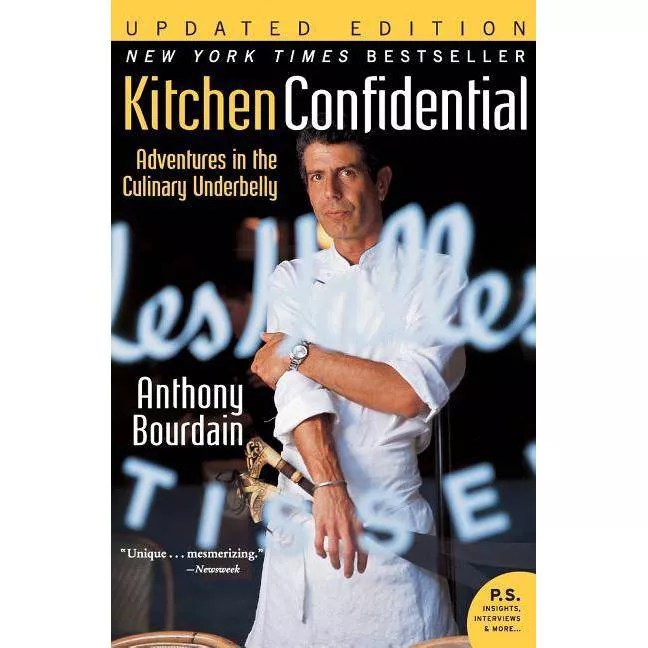
Kitchen Confidential: Adventures in the Culinary Underbelly – Anthony Bourdain (2000)
Having only engaged with Anthony Bourdain through television, it was really a trip getting to read him in this book before his rise to celebrity status. He’s a really good writer! This shouldn’t be a surprise as his narration in Parts Unknown and No Reservations is often poetic, but to see it pen to paper is another thing I suppose. His best feature is of course his voice. Twenty-three years later, I can’t say how many of the secrets in this book still exist in the culinary world. For a multitude of reasons, I think we’re just in a different time. Still, that did not lessen the impact of the book. You engage with Anthony Bourdain because he understands people. So while you may be nominally reading this book to learn about the restaurant business, it’s really most effective as a portrait of people and characters in this scene. Of course, reading this book now, there is of course a great inherent sadness in knowing that Bourdain is no longer with us and especially in the circumstances around his death. One of the great charms of the book is how assured and alive he feels as a narrator and writer.
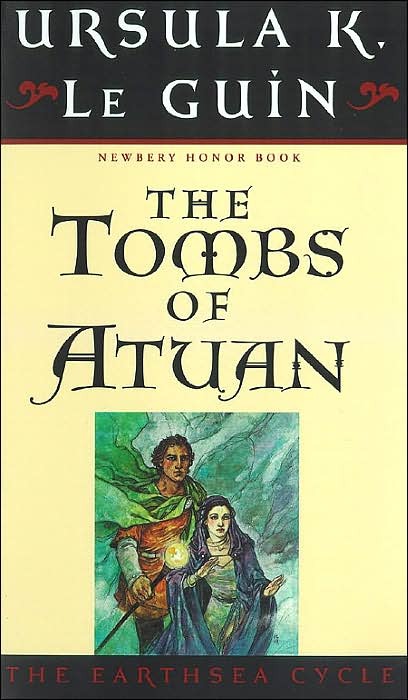
The Tombs of Atuan – Ursula K. Le Guin (1970)
Ursula Le Guin and this entire Earthsea cycle (at least two books in) is so, so, so good. How many other series would the second book pick up with a new protagonist in a new place decades after the setting of the first book? And of course, Le Guin not only makes it work, but uses it to expand this world while delivering a story that is just brilliantly efficient and masterfully told. I’m almost at a loss of what to say. I thought A Wizard of Earthsea was fantastic and I think Tombs of Atuan is significantly better. I can’t wait to tackle the next one.
September
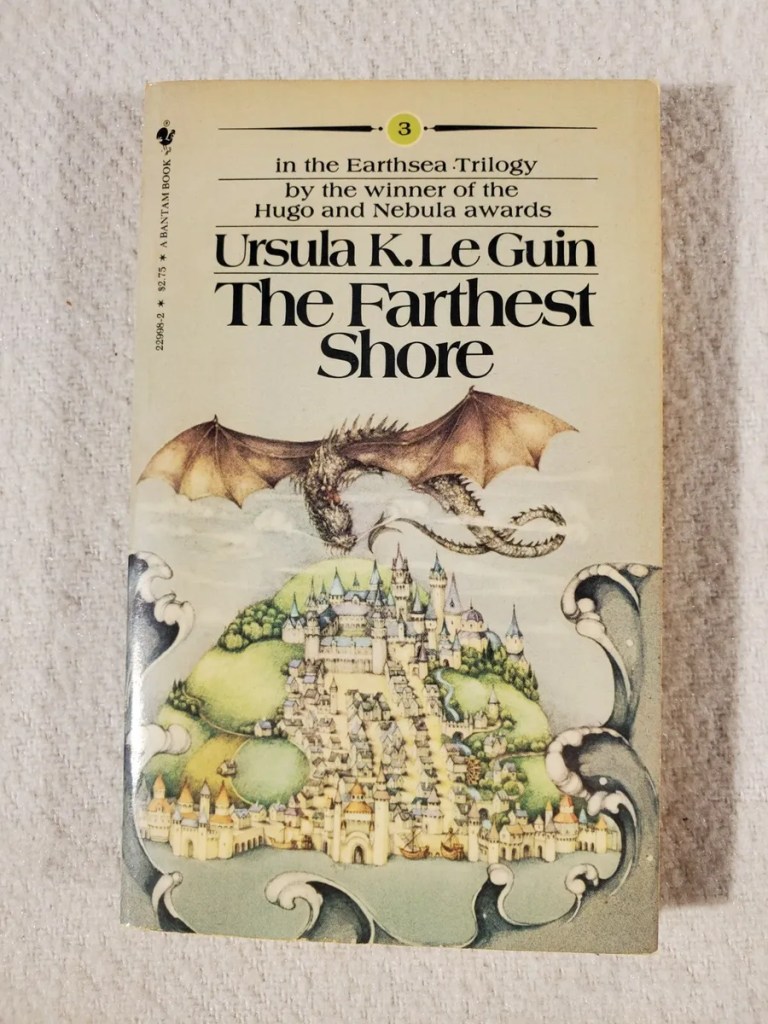
The Farthest Shore – Ursula K. Le Guin (1972)
I wish I could offer more insight or analysis into these books but across the board they’ve all been so brilliant I guess I’m at a loss of words. To read Ursula Le Guin is to read someone with a complete mastery of her craft. I don’t doubt or question a single decision that she makes. It’s important to say here, too, that while these books may have originally been targeted at a young adult audience, it’s not as if they are easy reads or pulpy page-turners. Le Guin really asks a lot of her readers in this series and it’s for that reason, among many others, that they are so rewarding.
October
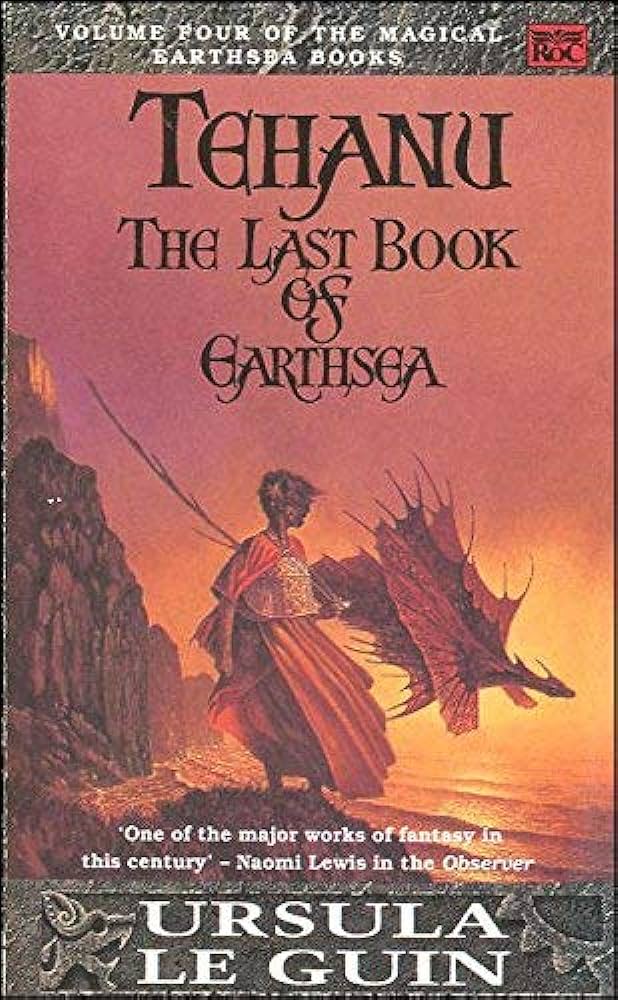
Tehanu – Ursula K. Le Guin (1990)
In a series in which every book has been nearly perfect, Tehanu may be my favorite entry. There’s not enough I can say in praise of Le Guin. I don’t know if I’ve ever had as much confidence in a writer or a storyteller as I do in her. One of the major challenges when writing science fiction (or in this case fantasy) is the balance between staying true to your story and crafting a thoughtful and meaningful message. There are major works, which I love, that can sometimes feel a little blunt in the way they convey the author’s intentions. The His Dark Materials novels are a perfect example of this. To me, Pullman is just a little too on the nose (especially in the final novel) with the message he wants the reader to walk away with. Le Guin, on the other hand, somehow crafts these stories that are full of ideology and meaningful insight and reflection on the “real world” and yet it never feels forced or crafted. She has a rare ability to craft her story and let the reader decide what to walk away with.
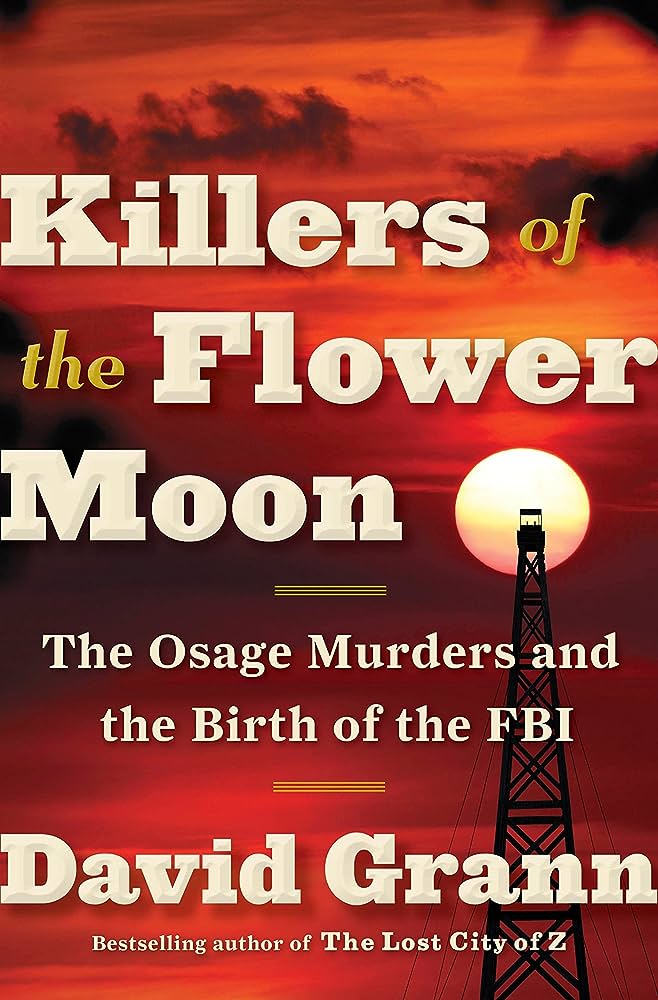
Killers of the Flower Moon – David Grann (2017)
Read this in preparation for Martin Scorsese’s film adaptation and I’m really glad I did. As you might expect, the book is able to provide setting, context, and additional information in a way that a film, even a masterful one, cannot. To anybody interested in the film, I’d highly recommend reading this as a companion. On its own, I quite liked it. At the very least, it’s a case and a history that I wish I had been taught earlier.
November
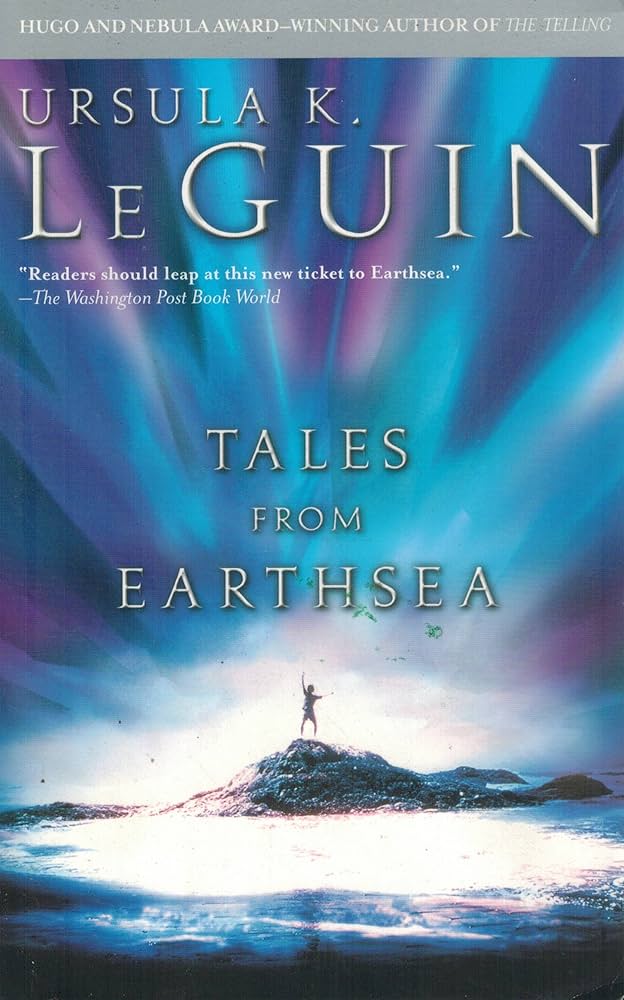
Tales From Earthsea – Ursula K. Le Guin (2001)
This took me a little longer to sink into than the other Earthsea books. The main reason for that, I’m pretty sure, was just my preference for a novel over short stories. And, to be fair, while the four Earthsea novels up to this point had all been hits, there are a couple of stories in this collection that I could live without. That being said, when the stories are good, they are great. More importantly, to the story of Earthsea as a whole, they feel essential. I particularly love how Le Guin is able to tie these stories, particularly “The Finder” and “Dragonfly” together (and to the overall series) despite taking place hundreds or thousands of years apart. She’s really just the most remarkable storyteller.
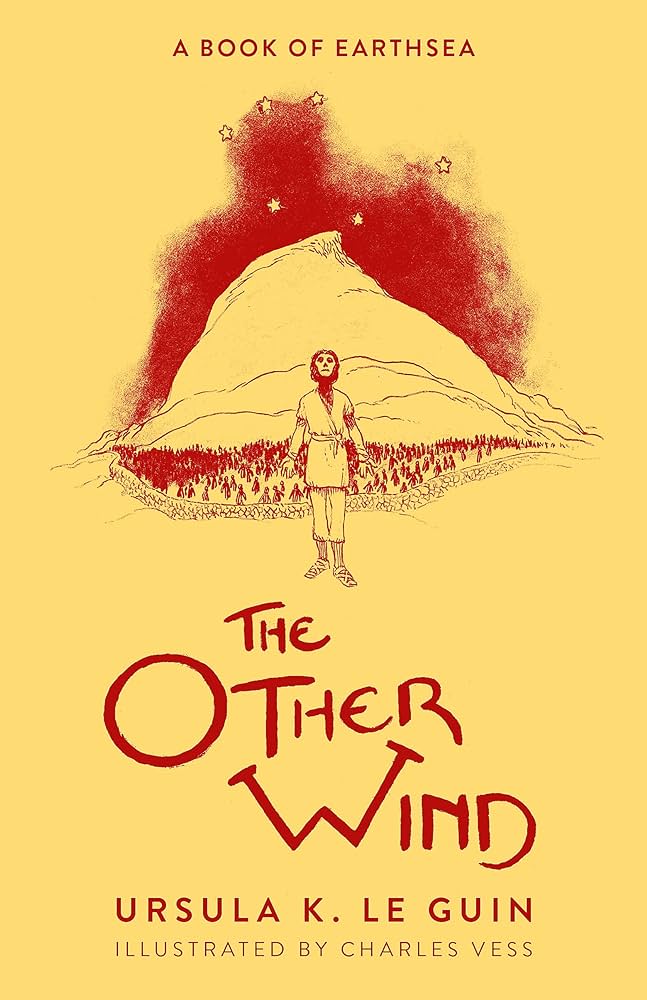
The Other Wind – Ursula K. Le Guin (2001)
The final book of Earthsea! I can’t say enough about how much I love this series and Le Guin’s writing. Even after six books and most of my year, I’m a bit sad to be moving on to something else. As a final installment of the series, I think The Other Wind does a marvelous job of wrapping our series and our story up. Much of my thinking on the series now is due to reading Le Guin’s lecture,”Earthsea Revisioned,” in which she identifies the first three novels as one trilogy and the next three books as a second trilogy. And certainly, much of what is in Tehanu, Tales from Earthsea, and The Other Wind does make the reader rethink and reevaluate the events of the first three novels. But to me, it still seems like one connected story or cycle.

 Sam Writes Shit
One thought on “2023 Reading Log”