2023 Movie Log: July

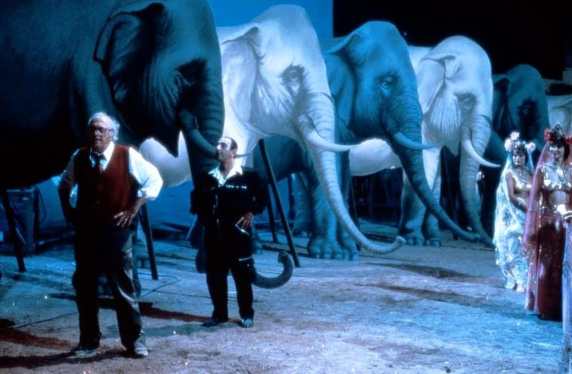
intervista
Intervista – Federico Fellini (1987)

2nd: And the Ship Sails On – Federico Fellini (1983)
Someone interviewed Fellini and asked him what the Rhinoceros that appears in this film was supposed to mean and he replied, “a symbol is a symbol inasmuch as one cannot explain it,” which, one is the coolest thing I’ve ever heard, and two feels like the perfect summation of this film and Fellini’s post 8 1/2 filmography.
Grade: B+

3rd: The Mummy Returns – Stephen Sommers (2001)
Say what you will about some of the plot devices in this movie, your son being kidnapped because you were too distracted by Rachel Weisz… Who couldn’t relate to that?
Grade: C+

7th: Intervista – Federico Fellini (1987)
This immediately goes on the list of best films about filmmaking. Late career or not, I’d also rank this with Fellini’s very best films. The sequence in which he revisits La Dolce Vita is as powerful as anything he’s ever done (which is to say as powerful as anything in the history of cinema).
To this day, most of my favorite filmmakers are the ones with which I feel most aligned from an artistic POV. I could never make even a terrible version of a Mike Leigh, Edward Yang, or Richard Linklater film, but those films move me and make sense to me on an instinctive level. I get them!
Fellini is different! I couldn’t tell you how or why or sometimes even what his films are doing. And yet, I couldn’t love a filmmaker more. There’s something so utterly alive and deeply human in Fellini’s films that is all the more rich precisely because of the singular way in which he expresses it.
Fellini is often described in terms of spectacle and carnival. That’s absolutely true and I think the best framework to describe his work. Zeroing in on this idea, the part of it that connects most to me is the dichotomy of what’s real and imagined in these films.
Fellini’s movies are full not just of spectacle, but also of the very real, not-so-spectacular people who make the spectacle. Does that mean the magic of it all is hollow? Absolutely not! In actuality, the fact that all of these spectacles are the work of very real, very silly, and inextricably flawed characters is what makes it great.
One could say that Fellini’s cinema (especially the latter half) is the cinema of dreams. They would be half correct in that sentiment. What they’d miss is what truly makes Fellini Fellini. He understood that all of these dreams, visions, and carnivals are only truly meaningful if you understand the person and the reason behind their conjuring. Fellini’s cinema is not merely the cinema of dreams, but of dreamers.
Grade: A-

9th: Interstellar – Christopher Nolan (2014)
For the first half of this movie, I was ready to eat my words about Mr. Christopher Nolan (a director whose movies I actually like for the most part, but still). All of the dichotomies that I had built up in my mind about his work (plot over story, twist over resolution, style over substance) were being erased before my very eyes. Here was finally the movie in which the style and scale of the filmmaking not only suited the story but were necessary to its telling. The only recent comparison I could come to was Arrival, and I was starting to think that Interstellar was not only bigger and more ambitious than that film but possibly better.
And then…well, the second half happens, I guess. Without exaggerating, I legitimately think every storytelling decision Nolan makes here is actively bad. If you want me to go into it scene by scene, I’d be happy to, just grab me for a drink.
For the purposes of this review, all I’d ask is how does one assess a movie like this? For now, I’m willing to give some credit where credit is due and concede that the ambition and execution of the first half should outweigh even a very bad latter half. On the whole, it’s probably not Nolan’s best film (is that actually Dunkirk?), but it is the one I enjoyed and will likely revisit the most.
Grade: B+

11th: Mission: Impossible – Brian De Palma (1996)
As someone who has only seen some of the sequels, Mission: Impossible is a really fascinating film to watch. It’d be a stretch to call this one realistic, but it is more grounded and plausible at the very least than what I’ve seen in the rest of the franchise. I can’t say if that’s for better or worse, but in any case, it holds up as a spy/action movie tremendously well. My favorite 1996ism of the movie is that despite all of the gadgets at his disposal (exploding chewing gum?), Ethan still has to manually translate his message by writing dozens of identical emails in different languages. Alas, sometimes our imaginations can only get us so far.
Grade: B+

16th: Mission: Impossible II – John Woo (2000)
This movie, with all of its ridiculousness included, rules. I know it was somewhat poorly received at the time, but whoever tapped John Woo to direct, should get a lot of credit (as should John Woo himself). Without knowing any of the background behind making these sequels, I wonder if the last act of MI:2 paved a new path forward for these sequels. One in which viewers knew that despite whatever difference each sequel had in store, they would always be promised an explosive finale.
Grade: B

16th: Mission: Impossible III – J.J. Abrams (2006)
I have the fewest words for the greatest installment. This is an all-time great action movie.
Grade: A-

20th: Barbie – Greta Gerwig (2023)
There is a small .01% of me that wonders if this movie will lose a fraction of its impact in the future because of the pop culture specificity of its jokes. And then I realized I’m only wondering this because it’s obvious that Greta Gerwig will be taught, studied, and thought of as one of the great filmmakers of our time. In any case, it feels very special to live in the same time that she’s making movies which is now 🙂 Tl;dr There’s a Proust joke!
Grade: A

30th: Oppenheimer – Christopher Nolan (2023)
So, to be clear, I am aware that I’m about to sound like someone who wants to ban books or something. And yes, I did just come out of this movie and am feeling hot. That all being said, this movie and its portrayal of historical events ranges from inconsistent and ill-conceived to downright irresponsible.  I don’t know if I’ve ever hated a movie more which is kind of amazing considering that I thought the first 90 minutes of this movie were the best thing Nolan’s ever done and genuinely phenomenal. But then I realized that he had no idea what he was doing with the tone of it and so here we are. I’m sure I’ll have more to say somewhere, but until then, you can at least enjoy this scathing review 🙂
Grade: F

2023 Movie Log: June

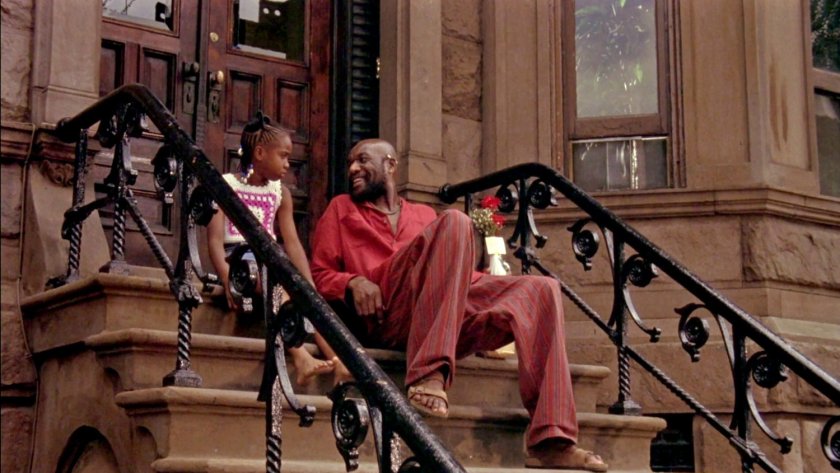
crooklyn

3rd: The Man Who Fell to Earth – Nicolas Roeg (1976)
I had resisted this movie for some time out of fear that it was more a “hey everyone, it’s David Bowie” film rather than a fully-realized interesting movie on its own. That idea, I now realize, was entirely misguided. The film is essentially a “hey everyone, it’s David Bowie” type deal, but rightfully so. He’s absolutely magnetizing on screen. In this case, it’s not only enough to carry the film, but to elevate it as well.
Grade: B

10th: Crooklyn – Spike Lee (1994)
My favorite movie I’ve seen in a long, long time. I’m really curious as to why this has been overlooked both within Spike Lee’s filmography and amongst hangout movies in general. Endless thanks to the Music Box for screening it!
Grade: A

12th: Sense and Sensibility – Ang Lee (1995)
A really solid film that may be one of the best adaptations of a classic I’ve seen. Lee does a remarkable job of cutting out and around the pieces of the novel that don’t make sense in a movie (or frankly the 20th century). But the essence of the novel is all there. Nothing is altered beyond recognition. Honestly, the most important decision he makes is recognizing that a Jane Austen novel comes down to its characters. The best thing about the film, and ultimately why it succeeds, are the performances, especially those given by the four leads.
Grade: B

18th: Legally Blonde – Robert Luketic (2001)
Aside from a few jokes/lines that have not aged well (but which 2000s comedy is without those), a flawless movie
Grade: A-

22nd: Bound – The Wachowskis (1996)
Maybe the most impressive debut film I can think of. I would love nothing more than an oral history or the like detailing how the Wachowskis got this made. It’s not only remarkably bold and subversive, but so completely assured of itself. It treats its audience so intelligently, you can tell it was made for film lovers. Also shout out to the Music Box. The first time I saw this was at 11:30am with maybe a third of the seats accounted for. This time we saw it at 11pm as part of a sold-out Rated Q screening featuring a DJ and a Drag Show pre-screening.
Grade: A

23rd: Asteroid City – Wes Anderson (2023)
French Dispatch was the first Wes Anderson film that I didn’t like. To me, the primary reason was for the first time, I felt Anderson’s style had finally eclipsed the emotional connection the rest of his films render. For the first half of Asteroid City, I feared I was up against the same thing. To be sure, I found it funny and charming, but once again, felt no deep, personal connection in the work. The last act completely flipped that. The scene on the balcony between playhouses is, I think, one of the most beautiful, mysterious, and powerful scenes that Anderson has ever made. I can’t even fully explain what it means, but in that moment, I felt the usual connection and investment I have during a Wes Anderson film.
Grade: B

24th: The Mummy – Stephen Sommers (1999)
Phenomenal! Aside from the obvious points about the film being incredibly fun and Brendan Fraser being remarkably charming (both true), I”m amazed by both the high body count as well as the breadth of fully realized characters in the film. Jungle Cruise could never.
Grade: A-

2023 Movie Log: May

Millennium-Mambo-1-1
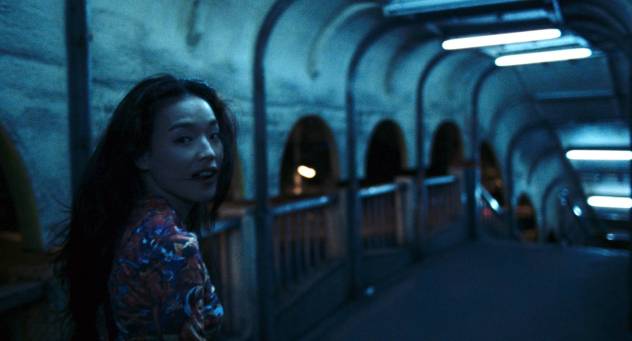
Millenium Mambo – Hou Hsiao-Hsien (2001)

Guardians of the Galaxy – James Gunn (2023)
This literally made my brain hurt and then one of my all time favorite songs would come on and I’d be like what do I do with this information.
Grade: D

Millennium Mambo – Hou Hsiao-Hsien (2001)
Hou Hsiao-Hsien is a legend and a brilliant filmmaker. But part of me also thinks that just having an incredibly beautiful woman smoking like two thousand cigs in Taipei automatically gets you halfway to a great movie.
Grade: B+

The Super Mario Bros. Movie – Michael Jelenic, Aaron Horvath (2023)
Sometimes giant corporations make movies and you know what, they’re pretty good. Also Jack Black, an absolute king.
Grade: B

Air – Ben Affleck (2023)
Jason Bateman used Bruce Springsteen lyrics to explain why he can abide Nike sweatshops and I still didn’t hate this movie? I’m really getting more and more stupid.
Grade: C+

Paddington – Paul King (2014)
Best movie ever?!
Grade: A

Paddington 2 – Paul King (2017)
Best movie ever?!
Grade: A

2023 Movie Log: April

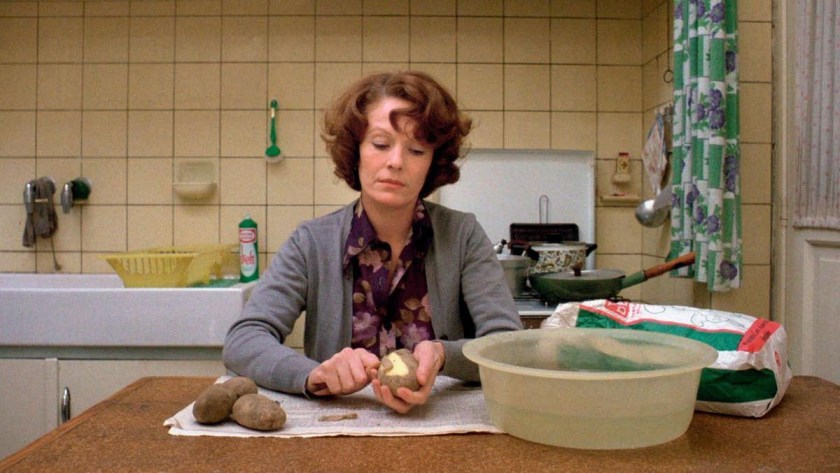
jeanne-dielman (1975)
Jeanne Dielman, 23, quai du Commerce, 1080 Bruxelles – Chantal Akerman (1975)

1st: Jeanne Dielman, 23, quai du Commerce, 1080 Bruxelles – Chantal Akerman (1975)
This film, in every fiber of its being, is a magic trick. It’s utterly hypnotic. I have never seen a movie so confident in its being. It only works because of the time and space Akerman lets the audience live, sit, and think with this character, and yet she never loses control over the audience or the film. If she were alive, and explained the thought process behind each frame of the film, I really don’t think I’d be much closer to understanding how it all works.
Grade: A

1st: Meshes of the Afternoon – Maya Deren, Alexandr Hackenschmied (1943)
I also had this ranked as the 16th greatest film of all time. Happy to see that Sight & Sound agrees with me.
Grade: B

1st: The Fugitive – Andrew Davis (1993)
Well thank god Harrison Ford was sporting a beard at the beginning of this. Never would’ve been able to disguise himself otherwise.
Grade: B-

4th: Akira – Katsuhiro Otomo
Wyclef Jean voice: Akira Akira.
Grade: B-

22nd: Beau is Afraid – Ari Aster (2023)
Ari Aster’s Babylon.
Grade: B+

2023 Reading Log

February

fire and blood 2

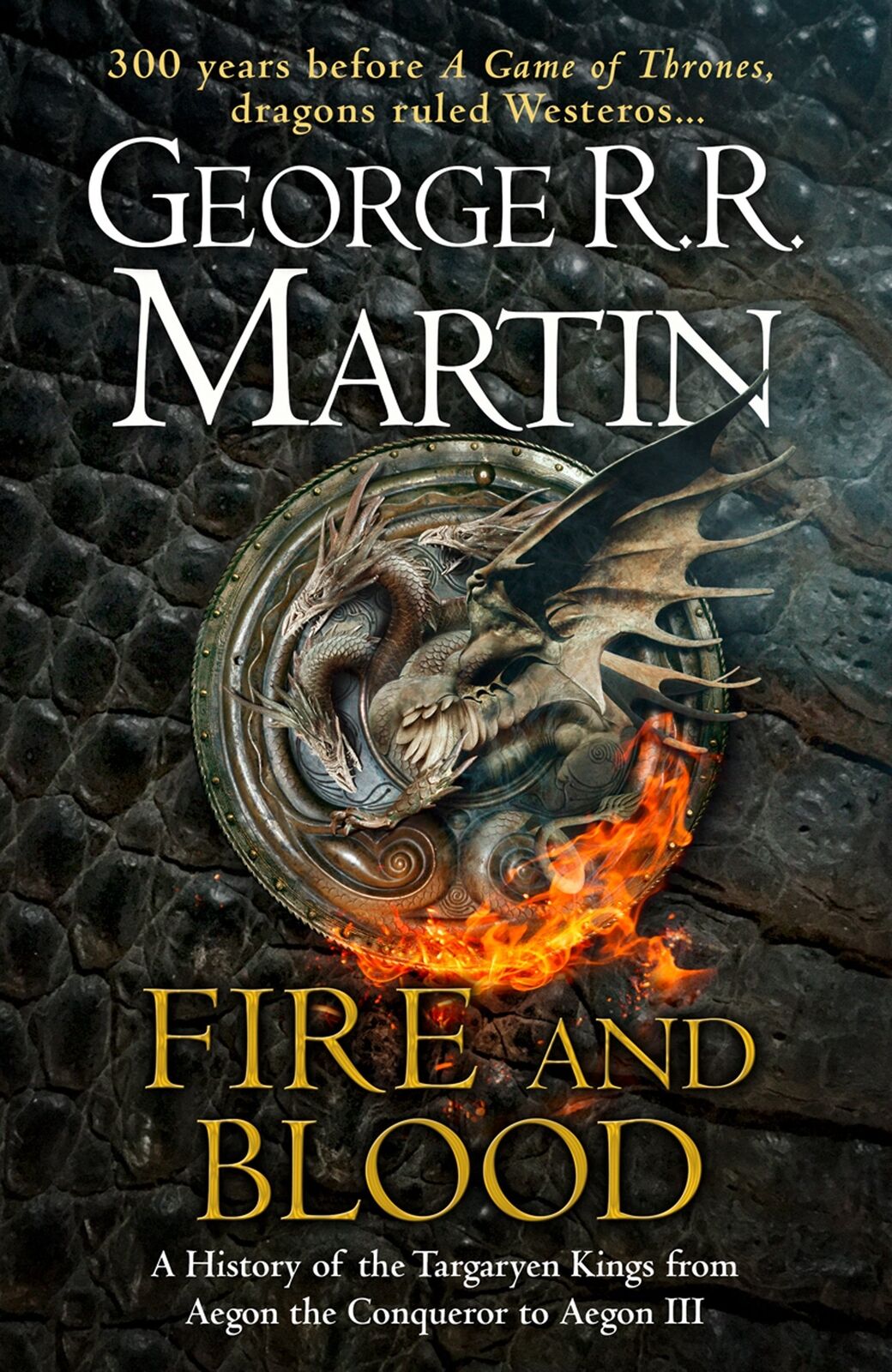
Fire & Blood – George R.R. Martin (2018) 
What Martin manages to achieve here is astounding. I mean, this is a 700+ historical text of the world in his Song of Ice and Fire novels. The easiest comparison is to Tolkien’s The Silmarillion, a book that even to a massive Lord of the Rings fan like me, was too dry to finish. Overall, Fire and Blood is quite entertaining and especially fascinating to those wrapped up in Martin’s novels or in the House of the Dragon adaptation. I lost a bit of momentum towards the end, though I can’t say it was necessarily due to any drop off in quality, but again, because reading a 700+ page fake history starts to wear on you after a while.

March

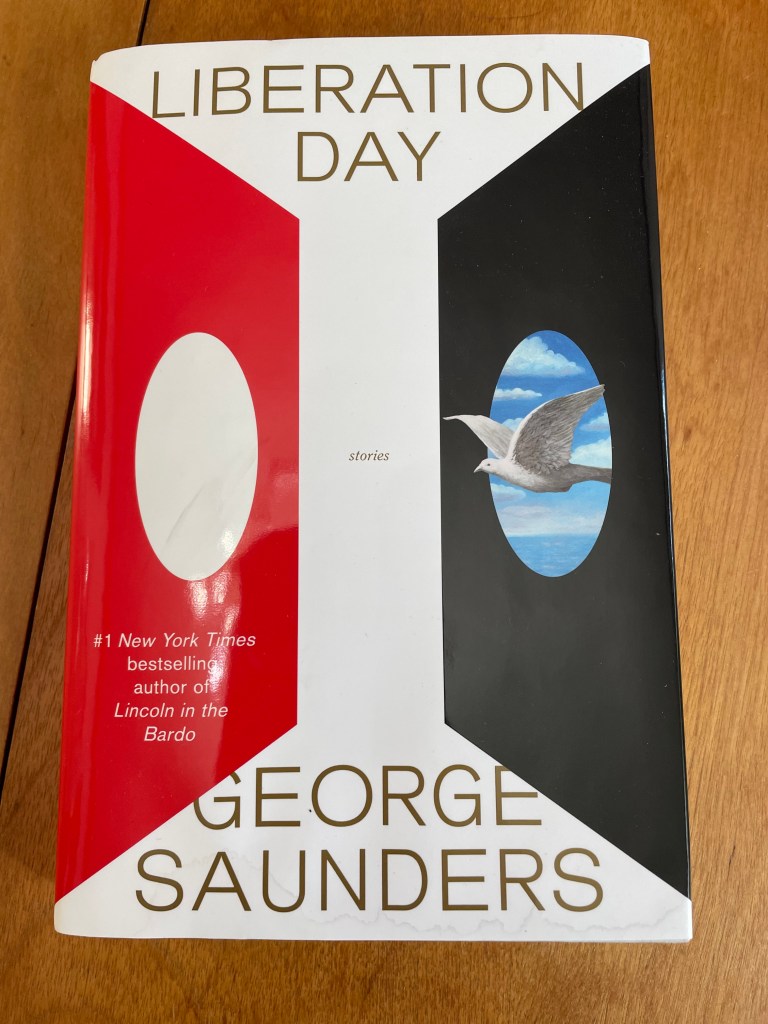
Liberation Day – George Saunders (2022) 
George Saunders is my favorite author. As someone who doesn’t read a ton of short fiction, I’m inclined to agree with all the pundits who say he is the best at the genre right now. I don’t know if Saunders does anything radically different in this collection from his others, but again, that’s not why I read him. He sticks to his formula and turns out another collection of good to great stories. I hope he never stops.

April

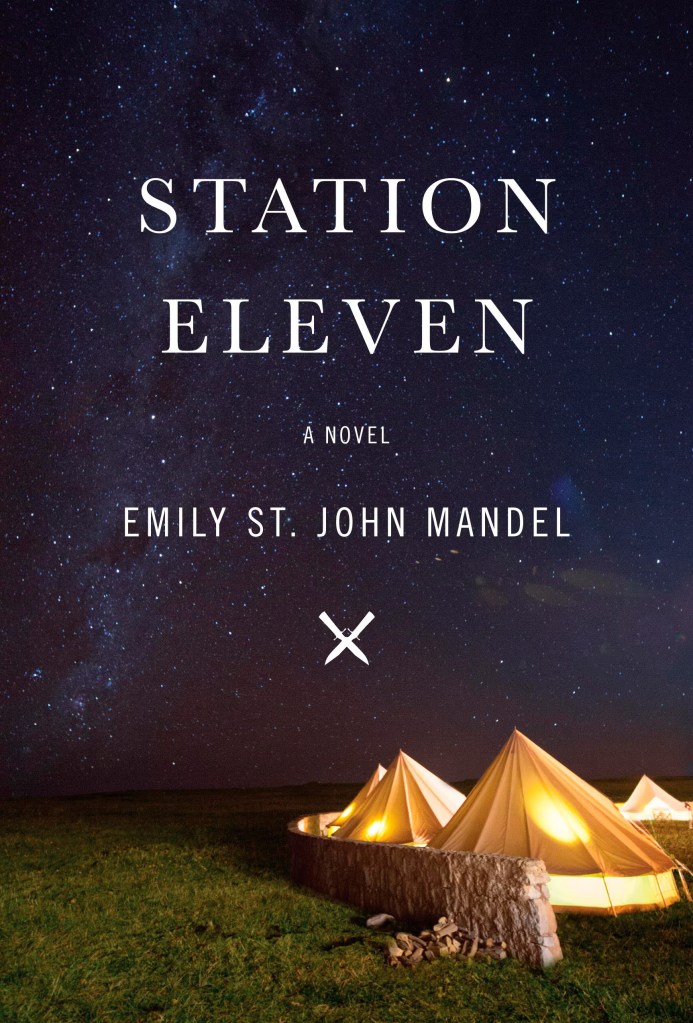
Station Eleven – Emily St. John Mandel (2014)
Station Eleven, as any reader of this blog will know, is among my favorite seasons of television ever. As soon as I had seen its pilot episode, I knew that one day I’d be reading the series’ original source material. Obviously, adaptations are tricky. And that’s never more true than when they’re for a story you hold dear. To fall back on an old favorite, let’s take Harry Potter. I’d consider those films to be in the 95th percentile of successful adaptations. The cast is phenomenal, the sets, costumes, and special effects are marvelously done, and for the most part, the films work as both their own pieces of media and as serviceable depictions of the novels. And yet, for as much as I can acknowledge how impressive these films are, there will forever be parts of these adaptations that bother me to no end. Why cut one storyline for another? Why insert this character here or take out this scene there? Why change the lore behind the story or how a particular piece of magic works?

What’s remarkable about Station Eleven is that the novel is markedly different from the season of TV that I fell in love with. Yes, it is fundamentally the same story, but there are major, major differences in how each is told. And these aren’t just changes as in one plot point is different or this character or storyline is cut out. There are pieces at the heart of the story that are almost unrecognizable from TV series to book. The relationship between Jeevan and Kirsten, for instance, as two of the main POV characters is drastically altered. In fact, their reunion, which is arguably the climactic event in the series, doesn’t even happen in the book. And truth be told, that example may very well be underselling how different each version of Station Eleven is. I mean, pretty much the entire ending is changed from book to show.

So what’s even more remarkable about these changes? Having now considered both versions of this story, I can safely say that I appreciate each one more even more than I previously did. In all honesty, this, to me, is the rare piece of media in which each version of the story stands completely on its own with its own reasons and merits for existing.

Now look, had Patrick Somerville decided to do a straight-up, beat-by-beat adaptation of this novel, I would have loved it and I think it would have been largely successful. Mandal’s book is simply that good. But, what I love even more about the adaptation now, is that the changes he makes all serve the story’s higher purpose. Meaning, that these key differences come not from wanting to put his own stamp on the novel or to condense plot points for an audience, but from determining how best to utilize this medium (television) to elicit the same emotions, feeling, and meaning that one gets from reading the book. As it turns out, you have to take different routes to get there. Some storylines and plot points just play better on TV than they do in a book. The same can be said in reverse. So, for instance, while giving Jeevan and Kirsten a full circle moment in the novel would have felt too engineered or architected to work, it’s exactly what the TV version of this story calls for.

Man, I know I spent most of my time talking about the TV version of this novel. But my purpose was more or less to say this. This world and story that Mandel crafted is among my favorite pieces of fiction ever. It’s a testament to her that somebody else could take this story, render it in a different way for a different medium, and have it elicit such powerful feelings and emotions. God bless Station Eleven.

June

sense and sensibility (1811)

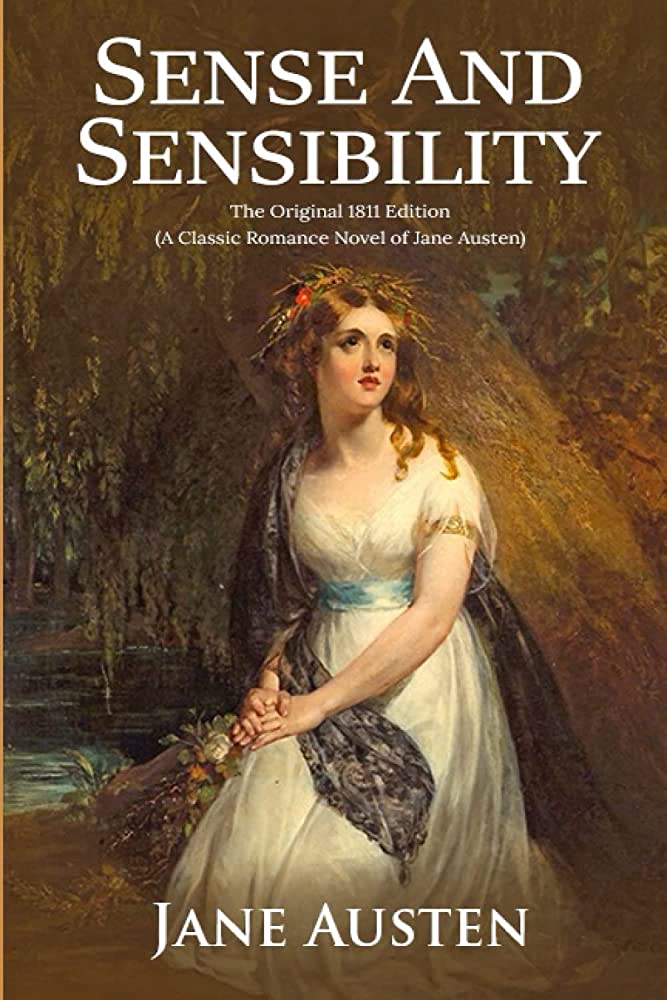
Sense and Sensibility – Jane Austen (1811) 
I liked this book and I really like Jane Austen, but I must say, I struggled a bit through it. Part of it, I think, is from the failings of my own attention span. It took me a while to get back into rhythm with the pacing and narrative of a 200-year-old novel. Part of it though, I think, is due to Sense and Sensibility not being as fully realized as Pride and Prejudice. From that perspective, it was extraordinarily interesting to read and compare. You can see what skills, themes, and ideas Austen already had down in her very first novel. And, I think, you can see what she would improve upon in her later work. It should also be noted here that one of the lasting lessons in this book (in fact the concluding idea of the novel) is that marrying for wealth and security is much better than marrying for love and attraction. That’s something that hasn’t translated super well to the present. But still, I liked this novel, I’m glad I read it, and I’m even more excited to watch its stacked movie! 

July

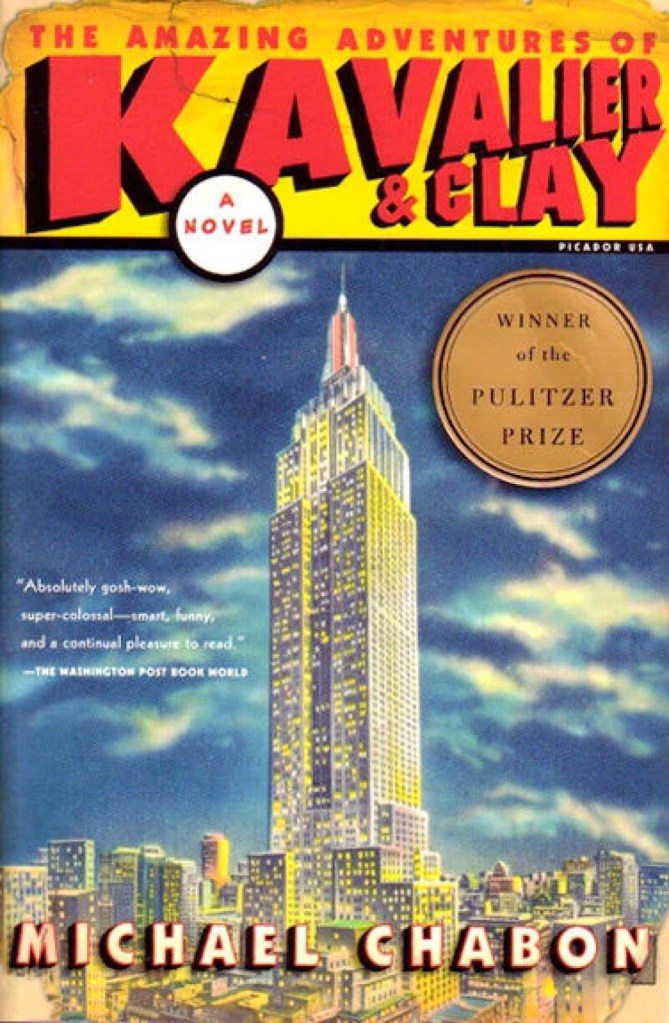
The Amazing Adventures of Kavalier & Clay – Michael Chabon (2001)
Since finishing In Search of Lost Time, I’ve struggled to get settled all the way back in a reading groove. To be clear, I quite liked Sense and Sensibility and even loved Station Eleven, but perhaps because I was already familiar with those stories, I just never reached that place where it’s impossible to put what you’re reading down. I got there and then some with Kavalier & Clay. In fact, it’s already on my shortlist for favorite books ever. Why?

First, it’s just a deeply felt and totally moving story. There’s nothing I love more than a character-based story. And while all sorts of amazing adventures do transpire, the plot stays laser-focused on our two main characters. Second, the story is beautifully told. This was my first encounter with Michael Chabon but, after just one novel, I’d consider him to be one of the best-written living authors. I particularly admire how his writing unspools the whole novel. He’ll start with a scene and then pull one thread, Joe’s arrival in New York for instance, to reveal Joe’s upbringing in Prague and the story of his flight from Europe to the United States. By the time we return to the original scene in Sammy’s bedroom in New York, we know everything we need to about Joe without Chabon needing to tell us. Instead, he’s just shown us.

The last piece of praise that I want to hand out, though I could go on, is actually something that I initially bumped against while reading. The novel is divided into sections and there is one section that, pretty clearly, is much less interesting than the others. In this section, one of our two main characters (Joe) basically removes himself from the action of the novel and our story follows him, in his isolation, to an air force base in Antarctica. It took me a while, even while I was bumping against it, to consider what bothered me about this section. Did I just hate Joe’s decision in the story? Or did I disagree with Chabon’s decision to take the novel in this direction? Ultimately, I think it was a bit of both which, considering how much I loved the novel to that point, was pretty amazing.

In retrospect, however, this section of the novel takes on a new form and purpose. In order for the ending of the novel to hit at full impact, the section becomes necessary. It might sound like a pretty obvious discovery, but until this book, I’m not sure I fully realized just how important structure is even to a page turning story like this. In fact, I’m not sure how many incredibly well-written, structurally ambitious, page-turning books I’ve ever read. Perhaps the highest praise I can give Kavalier & Clay is that it is all three of those things.

51PMMl8hENL._AC_UF1000,1000_QL80_

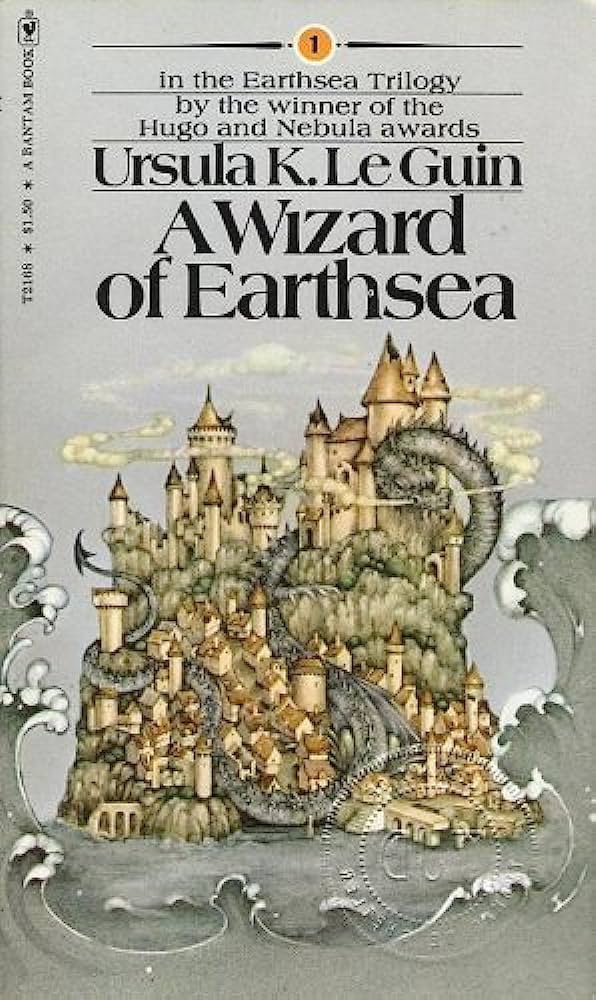
A Wizard of Earthsea – Ursula K. Le Guin (1968)
For the third time in three books, Ursula Le Guin amazes me. Readers of this blog will know how highly I rate Le Guin from my loving reviews of The Left Hand of Darkness and The Dispossessed. Still, I had some hesitation when it came to the novels of Earthsea. Though they are highly esteemed and written by an author I loved, I worried that something might be lost not just in the transition from science fiction to fantasy, but in a targeting a younger audience instead of adults. Clearly, this was not the case. For one, Le Guin writes fantasy as well as she writes science fiction. There is nothing lost in the imagination and world-building of Earthsea. Secondly, I kind of struggle to understand how this book is anymore suited to children than to a general audience. Le Guin’s writing is as brilliant as ever. In any case, A Wizard of Earthsea is a brilliant opening novel to a longer story. I can’t wait to keep reading.

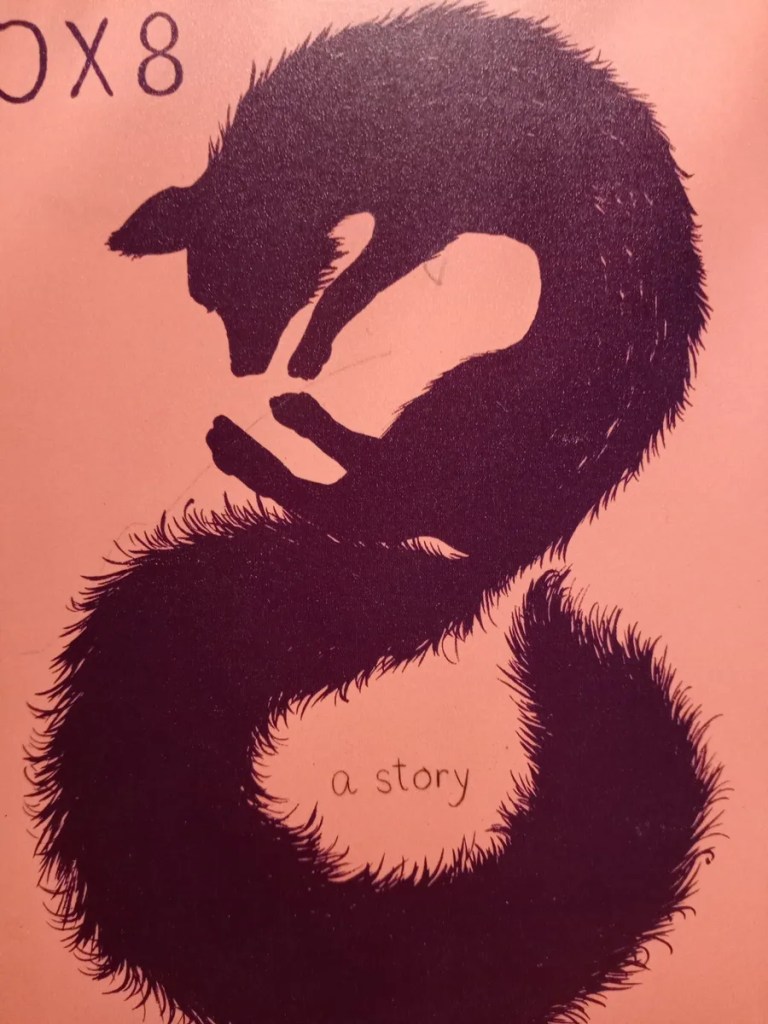
Fox 8 – George Saunders (2013) 
I was debating whether or not to add this based just on its size. At 60ish illustrated pages, it seemed like it might be a little light to qualify as whatever preconception I have of a book. But then I read it and even though it’s a short novella, it is masterful in the way all George Saunders stories are masterful and thus due to the size of its impact must be included not only as just a book on my reading list, but as one of my favorite books I’ve read this year.

August

kitchen confidential

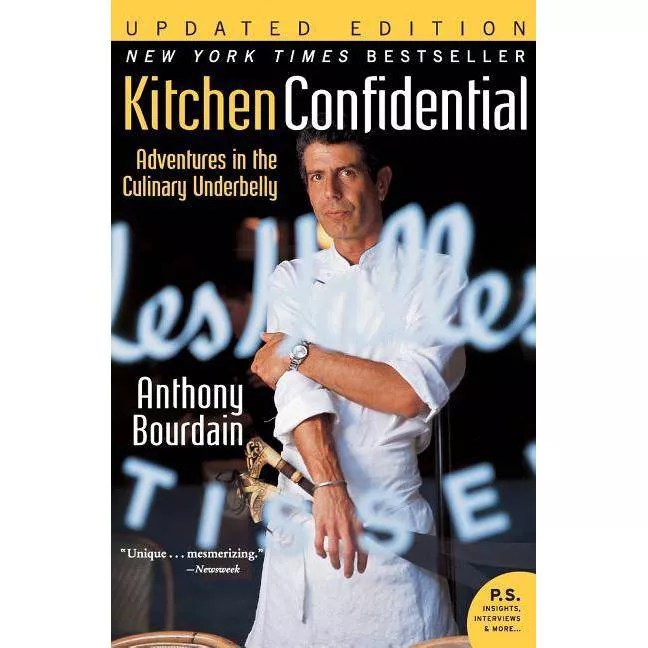
Kitchen Confidential: Adventures in the Culinary Underbelly – Anthony Bourdain (2000) 
Having only engaged with Anthony Bourdain through television, it was really a trip getting to read him in this book before his rise to celebrity status. He’s a really good writer! This shouldn’t be a surprise as his narration in Parts Unknown and No Reservations is often poetic, but to see it pen to paper is another thing I suppose. His best feature is of course his voice. Twenty-three years later, I can’t say how many of the secrets in this book still exist in the culinary world. For a multitude of reasons, I think we’re just in a different time. Still, that did not lessen the impact of the book. You engage with Anthony Bourdain because he understands people. So while you may be nominally reading this book to learn about the restaurant business, it’s really most effective as a portrait of people and characters in this scene. Of course, reading this book now, there is of course a great inherent sadness in knowing that Bourdain is no longer with us and especially in the circumstances around his death. One of the great charms of the book is how assured and alive he feels as a narrator and writer.

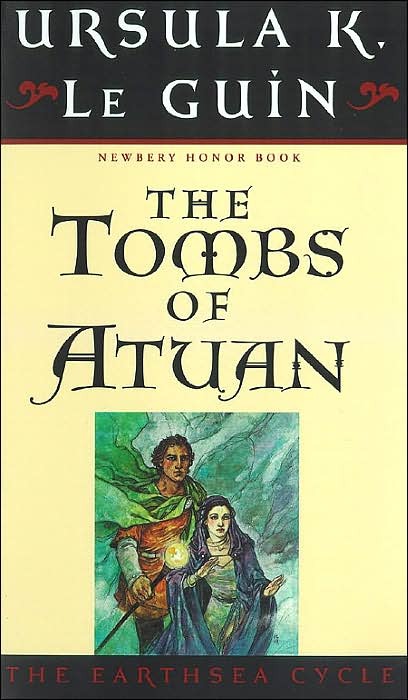
The Tombs of Atuan – Ursula K. Le Guin (1970)
Ursula Le Guin and this entire Earthsea cycle (at least two books in) is so, so, so good. How many other series would the second book pick up with a new protagonist in a new place decades after the setting of the first book? And of course, Le Guin not only makes it work, but uses it to expand this world while delivering a story that is just brilliantly efficient and masterfully told. I’m almost at a loss of what to say. I thought A Wizard of Earthsea was fantastic and I think Tombs of Atuan is significantly better. I can’t wait to tackle the next one.

September

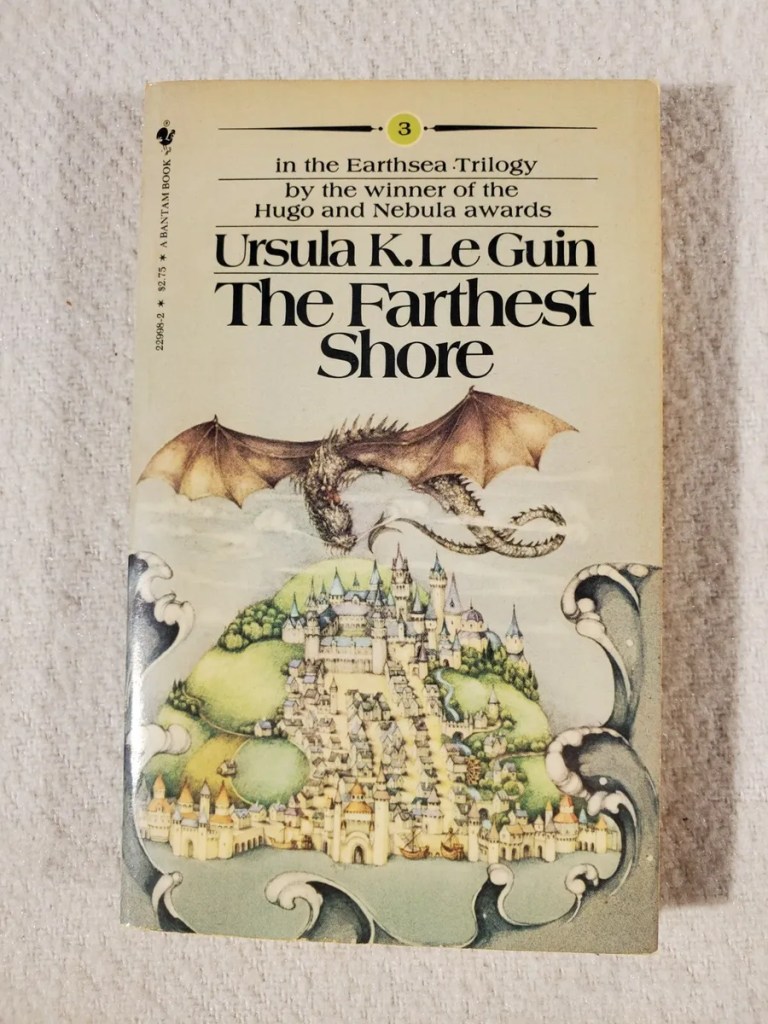
The Farthest Shore – Ursula K. Le Guin (1972)
I wish I could offer more insight or analysis into these books but across the board they’ve all been so brilliant I guess I’m at a loss of words. To read Ursula Le Guin is to read someone with a complete mastery of her craft. I don’t doubt or question a single decision that she makes. It’s important to say here, too, that while these books may have originally been targeted at a young adult audience, it’s not as if they are easy reads or pulpy page-turners. Le Guin really asks a lot of her readers in this series and it’s for that reason, among many others, that they are so rewarding.

October

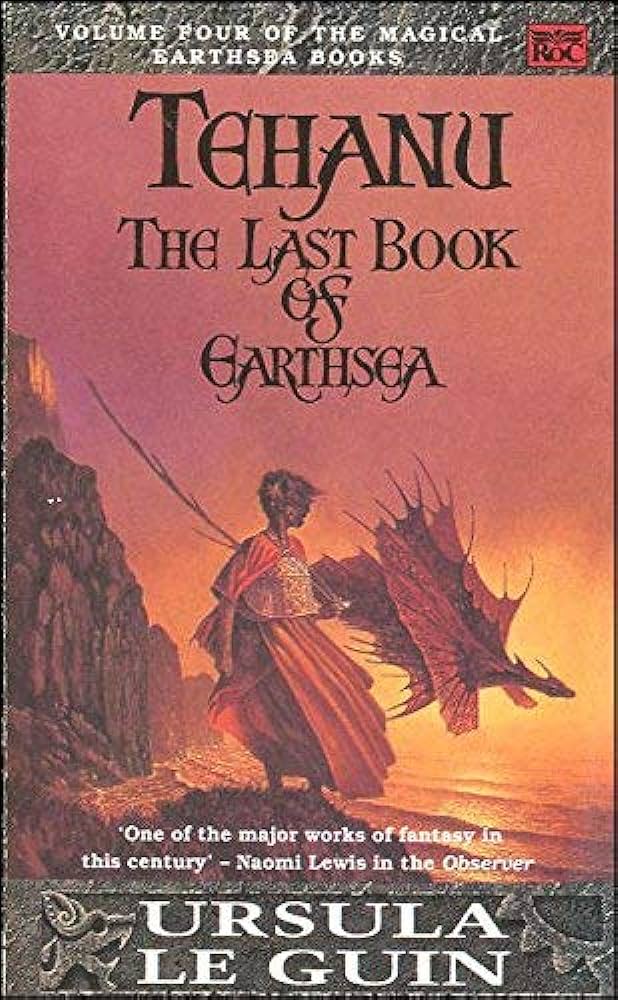
Tehanu – Ursula K. Le Guin (1990)
In a series in which every book has been nearly perfect, Tehanu may be my favorite entry. There’s not enough I can say in praise of Le Guin. I don’t know if I’ve ever had as much confidence in a writer or a storyteller as I do in her. One of the major challenges when writing science fiction (or in this case fantasy) is the balance between staying true to your story and crafting a thoughtful and meaningful message. There are major works, which I love, that can sometimes feel a little blunt in the way they convey the author’s intentions. The His Dark Materials novels are a perfect example of this. To me, Pullman is just a little too on the nose (especially in the final novel) with the message he wants the reader to walk away with. Le Guin, on the other hand, somehow crafts these stories that are full of ideology and meaningful insight and reflection on the “real world” and yet it never feels forced or crafted. She has a rare ability to craft her story and let the reader decide what to walk away with.

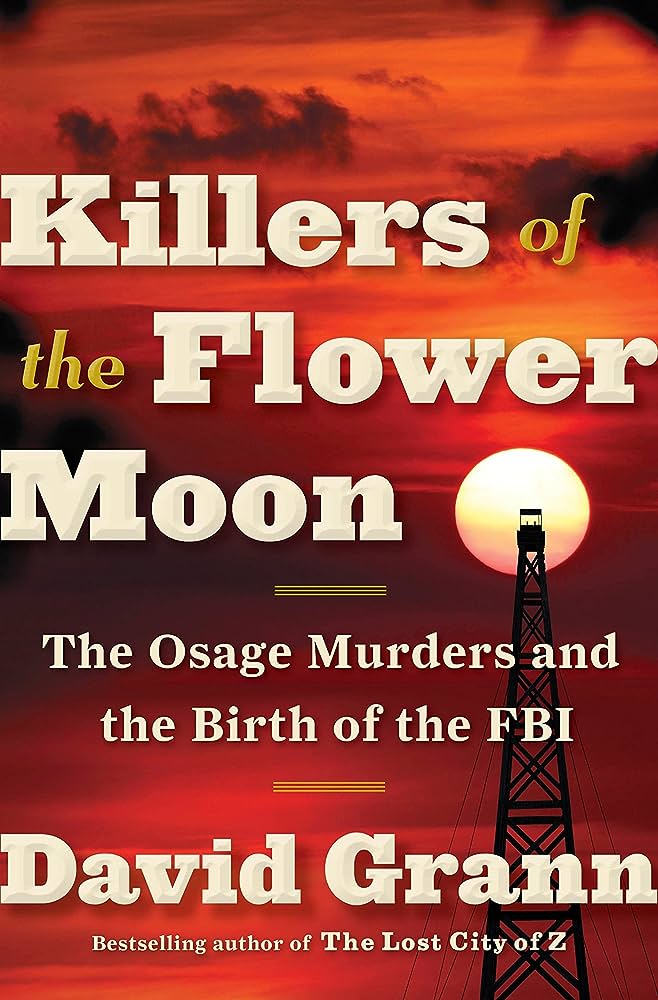
Killers of the Flower Moon – David Grann (2017)
Read this in preparation for Martin Scorsese’s film adaptation and I’m really glad I did. As you might expect, the book is able to provide setting, context, and additional information in a way that a film, even a masterful one, cannot. To anybody interested in the film, I’d highly recommend reading this as a companion. On its own, I quite liked it. At the very least, it’s a case and a history that I wish I had been taught earlier.

November

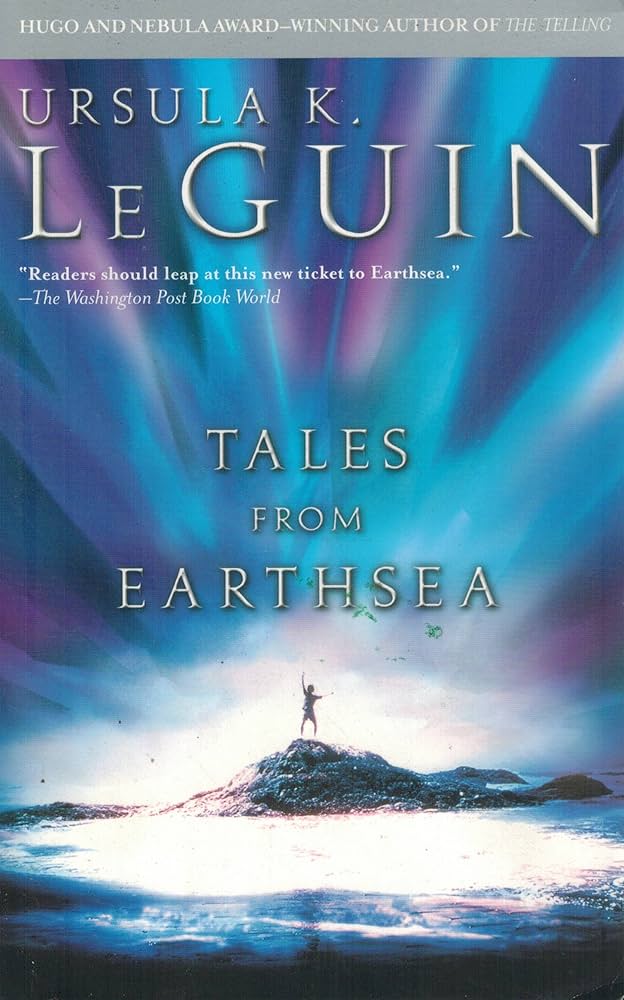
Tales From Earthsea – Ursula K. Le Guin (2001)
This took me a little longer to sink into than the other Earthsea books. The main reason for that, I’m pretty sure, was just my preference for a novel over short stories. And, to be fair, while the four Earthsea novels up to this point had all been hits, there are a couple of stories in this collection that I could live without. That being said, when the stories are good, they are great. More importantly, to the story of Earthsea as a whole, they feel essential. I particularly love how Le Guin is able to tie these stories, particularly “The Finder” and “Dragonfly” together (and to the overall series) despite taking place hundreds or thousands of years apart. She’s really just the most remarkable storyteller.

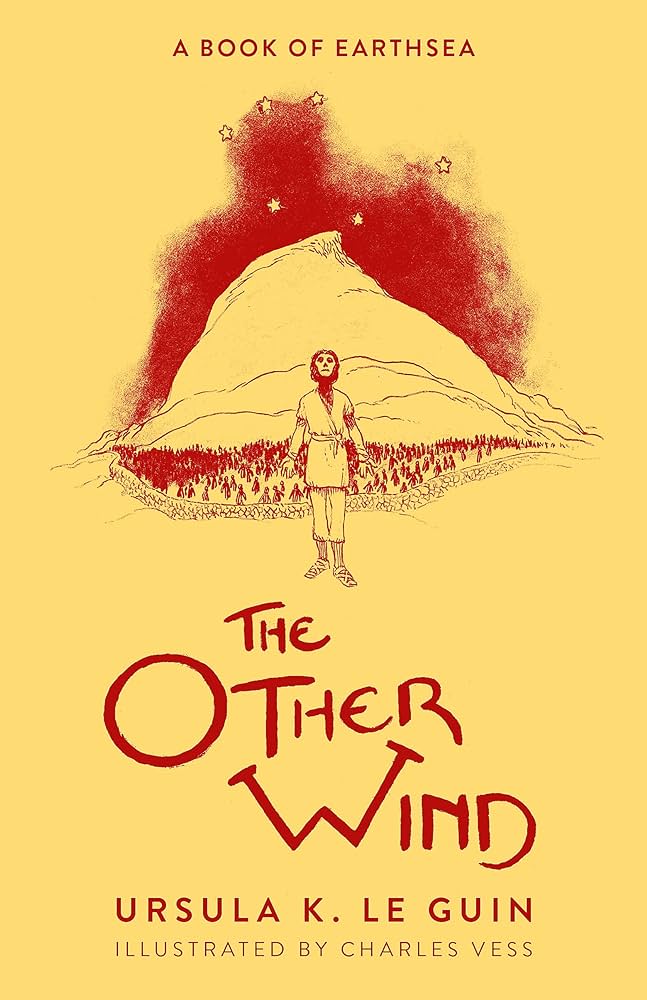
The Other Wind – Ursula K. Le Guin (2001)
The final book of Earthsea! I can’t say enough about how much I love this series and Le Guin’s writing. Even after six books and most of my year, I’m a bit sad to be moving on to something else. As a final installment of the series, I think The Other Wind does a marvelous job of wrapping our series and our story up. Much of my thinking on the series now is due to reading Le Guin’s lecture,”Earthsea Revisioned,” in which she identifies the first three novels as one trilogy and the next three books as a second trilogy. And certainly, much of what is in Tehanu, Tales from Earthsea, and The Other Wind does make the reader rethink and reevaluate the events of the first three novels. But to me, it still seems like one connected story or cycle.

2023 Movie Log: March

aftersun
Aftersun – Charlotte Wells (2022)

3rd: Everybody Wants Some!! – Richard Linklater (2016)
Richard Linklater achieved perhaps the greatest film ending of all time in Before Sunset and yet I maybe like this one more? “Who’s this fuck” slays me every time. Also, not to get all serious or anything, but my love for this movie is wholly unironic. Truly, I believe this is one of the best, smartest, and most underrated films of the last 20 years and thus why it will remain a permanent fixture in my letterbox’d favorites.
Grade: A

4th: Seven Samurai – Akira Kurosawa (1954)
Sometimes when you go through the “greatest films of all time” lists, the choices can feel fairly academic (and that’s coming from someone who genuinely loves crusty ol’ movies). In any case, I try to strike a balance between appreciating what a film was doing in its time vs. how much did I enjoy it as a silly boy living in 2023 trying to kill a few hours not looking at my phone.
In any case, one does not have to worry about this issue with Seven Samurai. My god! Sometimes films are considered the greatest of all time for a reason. There’s so much going on here, it’d be impossible to capture it all in one meandering letterbox’d review. Still, let me just say that the way Kurosawa frames and stages his compositions would be enough to captivate me for 3.5 hours. Take that and add a sensational story, amazing performances, and a brilliant score…yeah this is one of the greatest movies ever made.
Grade: A

5th: That Day, On the Beach – Edward Yang (1983)
One of the most ambitious debuts I’ve seen. It’s remarkable how much of what’s here ends up in later Yang films! I have no idea if this is unique to Yang, but I’ve finally zeroed in on one of his trademark camera moves. Often in this film (and in his subsequent work) the camera will move through streets, houses, etc. to land in one place where, a split second later, the scene will come into focus. For instance, we’ll move through a classroom and dozens of students to land at a spot in which, a millisecond later, the protagonist will meet us and begin the scene, the camera now fixed on her movement. In a film that’s tangibly about memory, it’s just a brilliant way to frame these flashbacks and identify where our memory starts and stops.
Grade: B+

11th: RRR – S.S. Rajamouli (2022)
Once every four years I take my brother to a movie and it is the greatest movie of all time.
Grade: A

17th: Dog Day Afternoon – Sidney Lumet (1975)
I’d put Pacino’s turn in this film against any performance I’ve seen. Aside from being utterly captivating (and really the main driver in keeping the film moving), Pacino brings a level of humanity, levity, and grace to this character without ever crossing the line into martyrdom. The performance isn’t meant to absolve the character’s sins, but it’s impossible as an audience not to empathize with him.
Grade: B+

19th: Okja – Bong Joon-ho (2017)
Bong Joon-ho is a master and no doubt my own biases are weighing this review down. I tend to be a stickler when it comes to messaging around and depictions of animals and animal cruelty. For me, everything around Okja and Mija’s storyline is phenomenal. I wish that were more of the movie. I struggle when it comes to the cartoonish villainy of Tilda Swinton and co or even the portrayal of the Animal Liberation Front. Just my two cents!
Grade: B

22nd: The Color of Money – Martin Scorsese (1986)
God dang it, now that’s a picture! Tom Cruise refusing to do anything besides action films after 1999 is some darkest timeline shit. He’s literally up against Paul Newman here and is chewing up these scenes. Guess someone just has to make the third installment of this unlikely trilogy where Tom Cruise is the old hat and like Miles Teller is the young hotshot (oh wait they already did that in Top Gun).
Grade: A-

22nd: Babylon – Damien Chazelle (2022)
What the fuck is wrong with people? Is this movie over the top? Are there some swings and misses? Sure! But at least Chazelle is trying to do something besides make a $10 million art film or a $100 million remake of a perfectly fine movie. Look, I’m probably as guilty as anybody, but somewhere along the line, we started judging art about whether or not it was “flawless” as opposed to its ambition. Sometimes mistakes are more interesting than perfection! Also, can’t believe my whole review is about how this isn’t a perfect movie. It’s a very good one! Live with it, folks!
Grade: B+

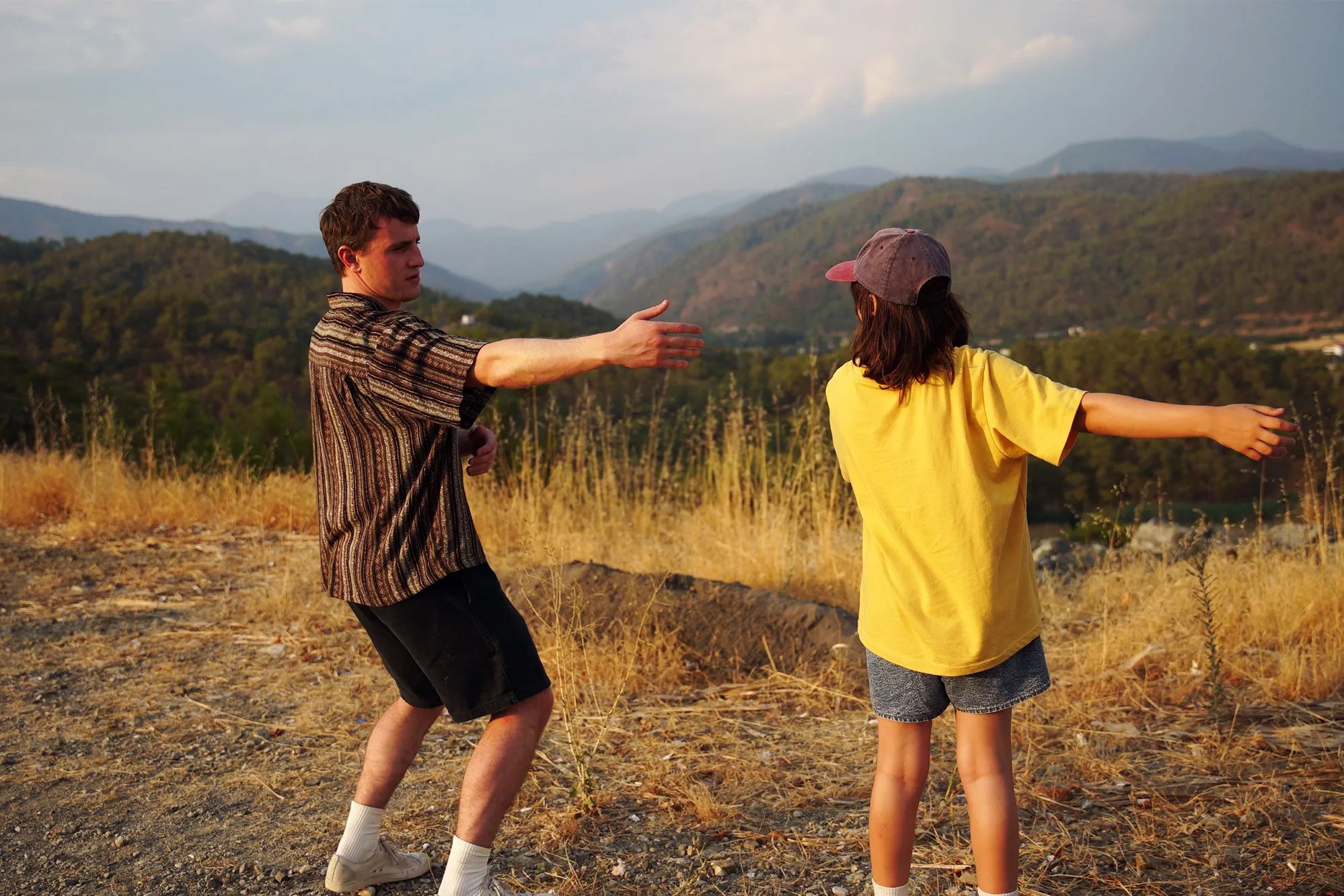
23rd: Aftersun – Charlotte Wells (2022)
Fuck me. The emotional intelligence to conceive this story let alone depict it with Wells’ sophistication is mind-boggling. I also can’t think of anybody else (past or present) better to play this part than Paul Mescal. Feels like a perfect storm of actor and director meeting at the right time.
Grade: A

25th: The Fabelmans – Stephen Spielberg (2022)
Strangely, like an extremely pleasant film to watch. Maybe that’s the non-child-of-divorce in me? But honestly, kind of a no-brainer that a director most synonymous with creating movie magic is pretty great at depicting the magic of movies. It’s kind of amazing that this didn’t get more love at the Oscars. Seems like the kind of film engineered for that type of audience.
Grade: B+

25th: Silence – Martin Scorsese (2016)
Good goddamn Andrew Garfield. Just love that guy. What a strange, beguiling film for Scorsese. I’m still processing it, to be honest. But I will say, that even two weeks later, this film is sticking with me. Particularly some of the decisions Scorsese makes in the last act of the film. I have a suspicion that I’ll be bumping this up to 4.5 or 5 stars next rewatch. Fuck it, I’m just gonna bump it up now. Good on you, Marty!
Grade: B+

26th: Parasite – Bong Joon-ho (2019)
Stopping by three years later just to say that this film is a miracle. If I had to pick one film that’ll jump up the rankings in the 2032 Sight & Sound it’d be this one.
Grade: A

30th: Secret Sunshine – Lee Chang-dong (2007)
I’m honestly overwhelmed trying to capture the sophistication in this film. It’s one of the strangest movies I’ve ever seen. Frankly, I’m kind of shocked that it was an international hit. I guess I shouldn’t underestimate audiences, but this isn’t a film that really jumps out as being broadly appealing. Ultimately, I think the lesson here is that if you follow your story and resist the urge to box it into a preconceived notion about what it should be, you’ll probably stumble upon something unique and way more interesting.
Grade: A-

31st: Tokyo Story – Yasujirō Ozu (1953)
In an alternate Sopranos universe, Carmella’s movie group watches this and she is finally able to appreciate Aj’s existential crisis, thereby reconciling the generational divide that eludes Ozu’s characters here.
Grade: A-

31st: Decision to Leave – Park Chan-wook (2022)
Still waiting to see the Park Chan-wook film that unlocks it all for me. Clearly, he’s a master of visual filmmaking and composition. I also believe that there’s something I’m missing in the mixed comic/melodramatic tone here or in the story’s many turns. Will post back once it all makes sense.
Grade: B

31st: Spirited Away – Hayao Miyazaki (2001)
This whole film is a masterpiece but goddamn, that final act.
Grade: A

2023 Movie Log: February

black narcissus
Black Narcissus – Emeric Pressburger, Michael Powell (1947)

1st: The Fly – David Cronenberg (1986)
Feel like there was a big missed opportunity for Geena Davis’s character to tell Brundlefly to “buzz off!” Other than that, can’t remember the last time a movie made me this attracted (to Geena Davis), repulsed (by Brundlefly), delighted (by Brundlefly), nauseated (by Brundlefly), or hungry (for candy bars). Almost as if Cronenberg saw the internet coming and knew we’d spend hours watching pimple popping and ingrown hair extraction videos.
Grade: A

2nd: Dead Ringers – David Cronenberg (1988)
Oh to be that lady slow dancing between two Jeremy Irons…
Grade: B+

5th: Black Narcissus – Emeric Pressburger, Michael Powell (1947)
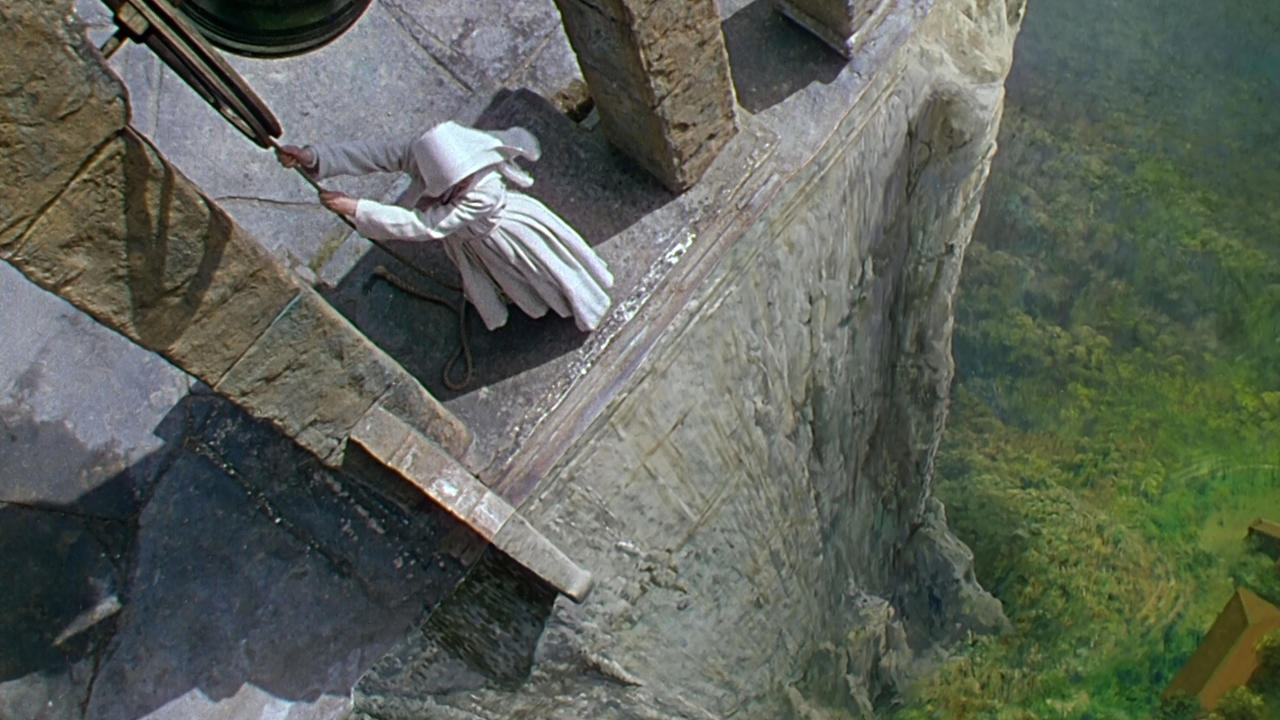
Man oh man, I have not been this blown away by a movie in some time. Especially compared with my film friends, I would say pre-1960s film is somewhat of a blind spot for me. There are, of course, many “early” films that I do love. But on the whole, even with noted classics, some of these films can, while being magnificent and worthwhile and rich, feel a bit like homework. Again, this is my own bias. I’m sure many people would find like 1970s Mike Leigh or Taiwanese New Wave to be homework to them. All of that is to say, however, that Black Narcissus, even as an early film, is in a whole other category for me. I’m not sure I’ve seen anything dating back 70+ years that actually feels not on par with more modern film, but in fact, better and more captivating than anything being made today. In all honesty, I don’t know if I’ve ever seen a film this technically flawless. The costumes, the sets, the cinematography, the performances, the staging, and especially the technicolor (ugh!) are just mesmerizing. And this, by the way, is all from a home viewing in the middle of the day. I can’t even imagine seeing this in film on the big screen. I suppose now that is my own divine mission!
Grade: A

8th: Deep Red – Dario Argento (1975)
I lack the background, insight, or even language to really write about Giallo critically. In fact, I think this is only my third Giallo viewing and each of these films has been an Argento (previous viewings were Suspiria and Phenomena). Still, this much I can say. I love visual style and tone, I love the way Argento moves his camera throughout scenes with these perfect reveal, I love that these movies probably have some real insight or offer a subversive lens to view sexuality, psychology, and violence, and yet to a layman like me, these films are mostly fun and campy. Oh! And I fucking love Goblin. Keep shreddin’ brothers.
Grade: B+

10th: The Red Shoes – Emeric Pressburger, Michael Powell (1948)
Okay! So apologies in advance for sounding like Mr. first day at film school but 1. I went to a semester of film school and they didn’t show me this! and 2. I mean, come on! This freakin movie. Most of what I said in my Black Narcissus review holds true here. First and foremost, I am just astounded by the production. Has any film ever looked this good? It’s almost hypnotic. When they show the actual ballet for 20 minutes, it’s so magnificent that I almost lost track of the main narrative just to follow the ballet within the film. I also just have to say Anton Walbrook, man oh man. Like an all-time performance to me.
Grade: A

12th: I Know Where I’m Going! – Emeric Pressburger, Michael Powell (1945)
Tonally this was a bit of a change-up for me after The Red Shoes and Black Narcissus. Still, even in a smaller story without that brilliant technicolor, there’s still plenty to be wowed by. The opening credits, the train montage, and especially the whirlpool sequence are just unbelievable. Tbh it makes me want to change my whole approach to film just to focus on making these elaborate stages and painted backdrops. There’s something magical in the “construction” of it all. I must say I was slightly disappointed at the beginning of this film that it wouldn’t be as visually gorgeous as the technicolor films, and then like the 7th-billed character shows up and she’s casually the most beautiful woman I’ve ever seen. Wonder what she’s up to these days 🤔
Grade: B

13th: The Life and Death of Colonel Blimp – Emeric Pressburger, Michael Powell (1943)
Possible disclaimer for this review: This is a British film about the British military and empire made during World War II, which makes me wary about some of the messaging in it. That being said, in just a few interviews after watching the film, I learned 1. That this film originates from a serial comic about a bumbling inept Colonel and 2. Powell and Pressburger not only gave up British funding and support for refusing to alter/censor parts of the script, but also lost their chances at knighthood for moving forward with the project. Which makes me think that the aspects of the film I may have initially questioned are probably much more intentional, subversive, and generally chill than I thought.
Non-Disclaimer Review: This film as a piece of art is so masterful that I likely could have moved past much of the historical messaging even if it isn’t/wasn’t completely chill anyway. The Red Shoes and Black Narcissus are both impeccably made films, but in each, the clear focus of the film is visual. Colonel Blimp still looks amazing, and I would be silly to say it’s lacking in anything from a technical or craft standpoint. Still, I think the focus in this one is clearly on narrative and storytelling which it does as well as any film I’ve seen. Honestly, the only thing that surpasses the writing in the film are the performances of its three leads: Roger Livesey as Clive Candy, my new favorite actor Anton Walbrook as Theo, and Deborah Kerr (playing three separate parts at the age of 21!).
Grade: A

15th: A Matter of Life and Death – Emeric Pressburger, Michael Powell (1946)
Can’t help but wonder how much more popular Led Zeppelin could have been had they titled their song “Escalator to Heavenly Courtspace”
Grade: B+

16th: Au Hasard Balthazar – Robert Bresson (1966)
If I had been Marie, this would’ve turned into John Wick
Grade: A-

17th: The Trial of Joan of Arc – Robert Bresson (1962)
There’s something I really enjoy in how tactile Bresson’s work is. There’s something almost process-oriented in his staging and camera work. Making a historical drama centered on real transcripts suits his style so well. That being said, I need someone to explain the French obsession with Joan of Arc to me. Between this and Dreyer’s film, I can appreciate the filmmaking but like, what am I missing in this story?
Grade: B-

18th: Watermelon Man – Melvin Van Peebles (1970)
An outrageous movie in 2023, I can’t even imagine what it was like seeing this in 1970. The fact alone that this was a major studio comedy boggles my mind. I am clearly not the right person to talk to about what this film means for Black cinema or as a precursor to the blaxploitation movement, but as a film, I really fucking enjoyed this. The first half or so feels like an absurd SNL skit, the second half I’d argue is almost transcendently great.
Grade: B+

18th: Boogie Nights – Paul Thomas Anderson (1997)
PTA is one of my favorite filmmakers in large part because of the precision and control he has as a director. I love all of his films, but for me, something like The Master is basically the platonic ideal not just of PTA’s filmography but of cinema as a whole. For that reason, I’ve always had a hard time defining my love for Boogie Nights in the scope of his work. The narrative of the film is one in which the characters and the plot spiral out of control. That’s clearly intentional. Still, there’s something about this movie that’s the least precise of PTA’s films. It’s long and often messy. It’s the only film of his in which there are scenes and sequences I think could and maybe should have been cut. It’s based in part off a mockumentary he made in high school and there are parts, especially in the second half of the film, that truly feel closer to an SNL skit or This is Spinal Tap than any of his other films. But even though those aspects are seemingly at odds with what I love about PTA, they end up just endearing me to this film more. For all of the grand and meticulously staged sequences in films like There Will be Blood, The Master, or Phantom Thread, is there anything as glorious as Alfred Molina singing along to that fucking mixtape?
Grade: A-

18th: Sweet Sweetback’s Baadasssss Song – Melvin Van Peebles (1971)
The impact and legacy that this film has for the independent film movement, Black Cinema, and the birth of blaxploitation cannot be understated. Still, it’d be foolish to loose sight of the fact that this movie, as a piece of filmmaking, even 52 years later, is maybe the most insane thing I’ve ever seen.
Grade: B+

21st: Get Out – Jordan Peele (2017)
This movie is a miracle. Almost every aspect of it is just brilliantly executed. I know Peele wrote the script himself, and obviously had a pretty complete vision for what he wanted to execute, but in lesser hands this film is a bad satire with a clever idea. As a movie watcher/wannabe critic, my brain often defaults to comparison, which I sometimes fear is reductive. That being said, what excites me most about Get Out upon a rewatch is the way in that Peele is able to take the construct of a Hitchcock film and just perfectly bend it to this story. Again, to be clear, Peele is his own director and this film his wholly original, but I really admire the way it plays with an existing genre and those tropes.
Grade: A

23rd: Don’t Play Us Cheap – Melvin Van Peebles (1973)
Easily the most enjoyable of the Van Peebles films I’ve seen so far. To that point, the music basically stands on its own. As in, I’ve already listened through the accompanying album twice this morning. It’s really hard to capture the energy of stage play on film, which I think is the most impressive thing this film pulls off. The talent and charisma of the cast is totally captivating.
Grade: B+

24th: Climax – Gaspar Noé (2018)
My first foray into Gaspar Noé! Apparently, this is among the least fucked up movies in his filmography? There’s a lot about his approach that, on paper, is just not for me, dog. I am just not a huge fan of artists whose main focus is to provoke the audience. That being said, I thought this was a pretty solid film! In fact, the second half, once everything starts spiraling, is what I liked most about it. Whatever his intentions were with making this, the horror aspects felt pretty undeniable to me.
Grade: B+

24th: Irreversible – Gaspar Noé (2002)
1. Went to see the “Straight Cut” of this movie and the theater just played the original version? 2. At said screening, my friend (who for the record invited me!) was the only female at an almost sold-out showing. Great stuff, Mr. Noé. 3. Once again, this is a movie that every part of my brain is telling me I should hate, and yet, I just kind of think the filmmaking is too good to completely let it go. Not trying to say that a great eye or talent excuses making something in bad faith, but it at least makes me hesitate before condemning the movie. 4. Having seen it now, feel like the “Straight Cut” would be way more unbearable. Jesus Christ.
Grade: B+

25th: The Birds – Alfred Hitchcock (1963)
Makes me wonder if this was one of the first “modern” disaster movies? It’s been said many times before, but Hitchcock’s decision to not explain why the birds are attacking really makes this movie. I’d be interested to dig more deeply into some of the psychological undercurrents running through the film (and whether those things are more or less fleshed out in du Maurier’s story): What’s up with the characters’ ages, What’s up with the mommy issues, etc.
Grade: B+

26th: Marnie – Alfred Hitchcock (1964)
Good golly there’s a lot going on here. I should probably just go ahead and check out some books/criticism on Hitchcock. Out of the films of his that I’ve seen, this feels like the most difficult one to categorize. It’s strange and messy, so much of it hinges on getting the viewer to the final explanatory scene, Sean Connery doesn’t even bother trying an American accent. For me, I think this film pairs really nicely with The Birds. Both are films that I would rate as being very good, but outside the top-tier of Hitchcock films. Moreover, both are films that I think are much more interesting to talk and think about than to watch.
Grade: B+

27th: The Bird with the Crystal Plumage – Dario Argento (1970)
My favorite Argento? It’s kind of amazing how fully formed his filmmaking style and vision was even in his first feature. I particularly love how concise the film is. There’s hardly a wasted moment and yet there is still every bit of humor, style, perversion, and misdirection that one gets from his later films
Grade: B+

2023 Television Log

January

fleishman

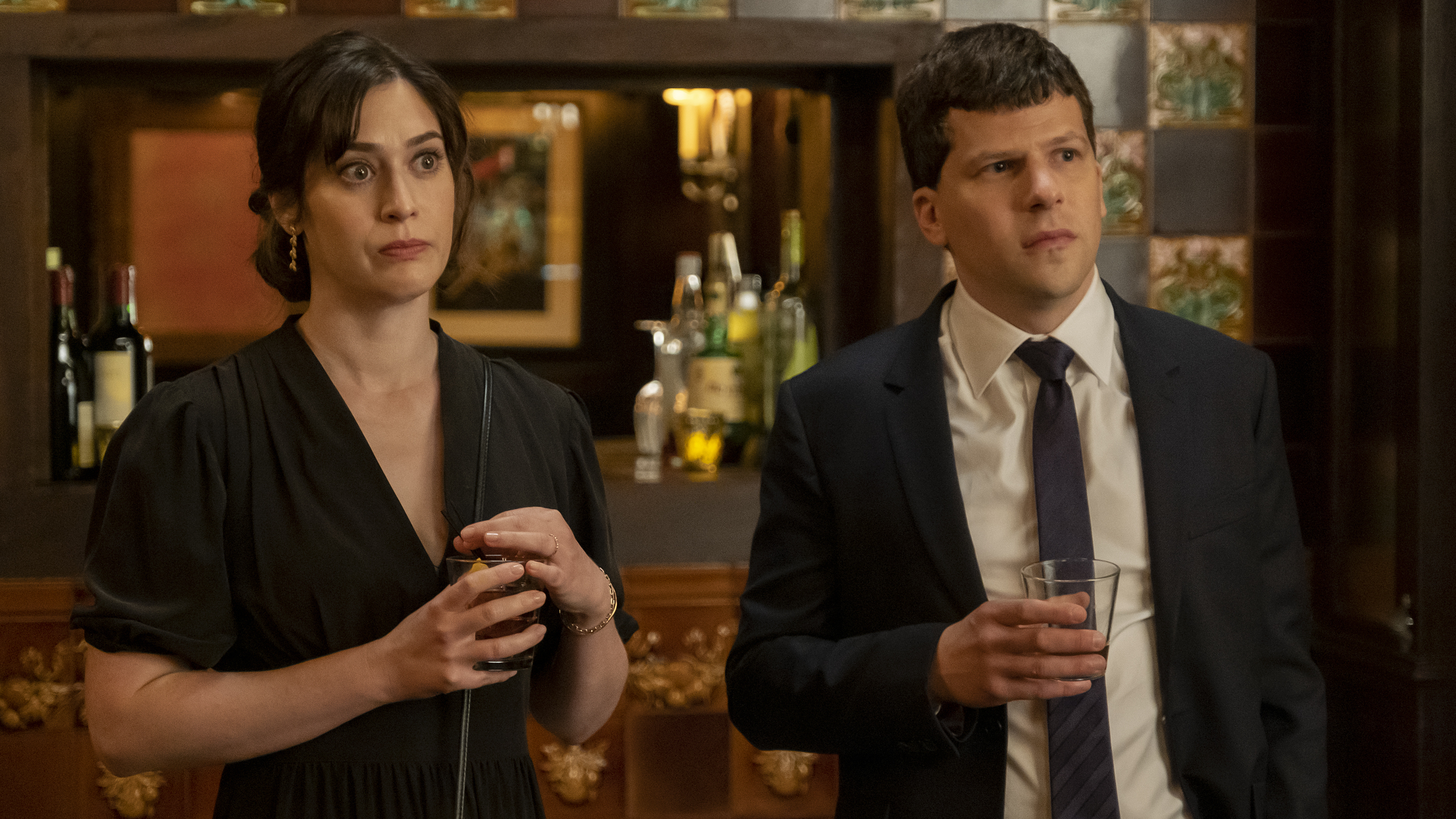
Fleishman Is in Trouble – Taffy Brodesser-Akner (FX on Hulu)* 
I technically watched Fleishman at the end of 2022 but forgot to log it in time for my year-end media diary or best TV shows of the year posts. Fleishman is a show that I enjoyed immensely and truly admired. The series has a tremendous amount of insight into relationships, identities, aging, and how we relate to the world without ever hitting you over the head with grand pronouncements or major lessons. I cannot say enough how much I liked this cast. Jesse Eisenberg and Lizzy Caplan are obviously long-time favorites. But I particularly enjoyed the turns Brodesser-Akner gets out of actors like Adam Brody, Claire Danes, and even Josh Radnor. Had I not been so neglectful, Fleishman probably would have juuuuuust missed out on making my top ten series of the year. That has more to say about the strength of this past year than Fleishman. Although, and this may not be a valid criticism, whereas series like House of the Dragon, We Own This City, and Station Eleven all built on or even elevated their source material, Fleishman strikes me as a series that would perhaps be even better in its original form as a novel. I suppose there’s only one way to find out.
*Aired in 2022
atlanta_fx.0

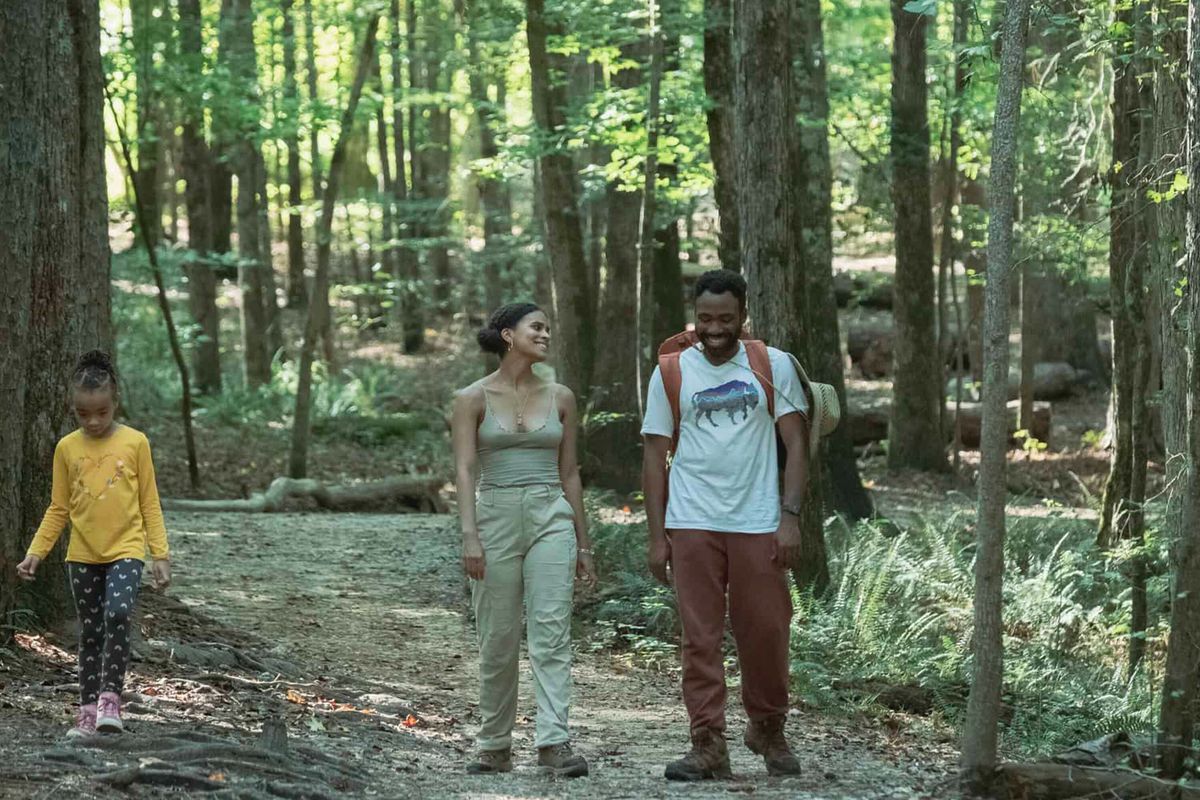
Atlanta (Season 4) – Donald Glover (FX)* 
Out of all of the series I’ve reviewed over the course of this blog, Atlanta may be the one I’ve taken most for granted. That, on a number of levels, is extremely foolish. First, Atlanta is a series that I really, really love. Maybe mistakenly, I overlooked Season 3 for my 2022 year-end list. Season 4, had I watched it in time, surely belonged on the list. Hell, there’s a pretty easy argument for why it could and maybe should have been #1. No other series has been as innovative in its space over the past 6 years as Atlanta. It is a series that was not only consistently excellent and entertaining but never stopped challenging its viewers. It is one of the only shows I can think of where week to week, you truly did not know what to expect even down to which cast members will be in the episode. To me, it seems like some of the packaging and marketing for these last two seasons may have hurt its reputation or at least its place in the cultural zeitgeist. It’s weird to think how a show that was such a critical and commercial breakout in its first two seasons could fly under the radar in its final episodes. Unfortunately, that may just be the world that we’re living in. Still, I thought Season 4, in particular, was as excellent as the show has been at any point in its run and the last two episodes, in particular, were a perfect send-off for what should be remembered as one of the all-time great television series.
*Aired in 2022

March
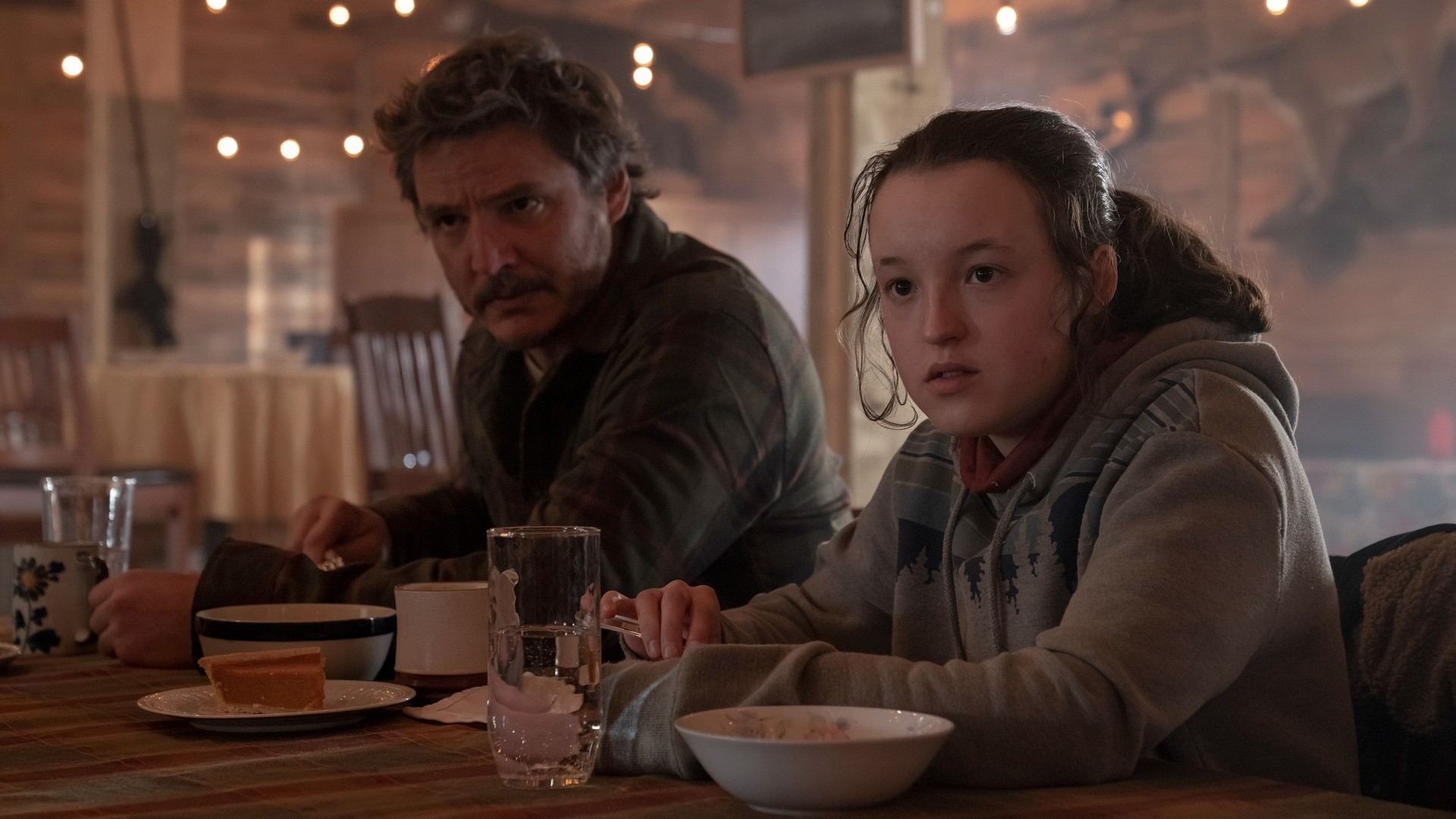
last of us

The Last of Us (Season 1) – Craig Mazin, Neil Druckmann (HBO) 
Everything about this series just rules. I’m happy for all the fans of the video game who finally got to see non-gamers (like me) embrace the beauty in this story. I’m happy for all the non-gamers (me!) who got to experience this world and story for the first time. To me, this is the pinnacle of genre storytelling. The world and story of The Last of Us is cruel and punishing. There’s no getting around that. But instead of using this setting to hammer the viewers week after week, Druckmann and Mazin instead point their attention to the pieces of humanity worth saving.
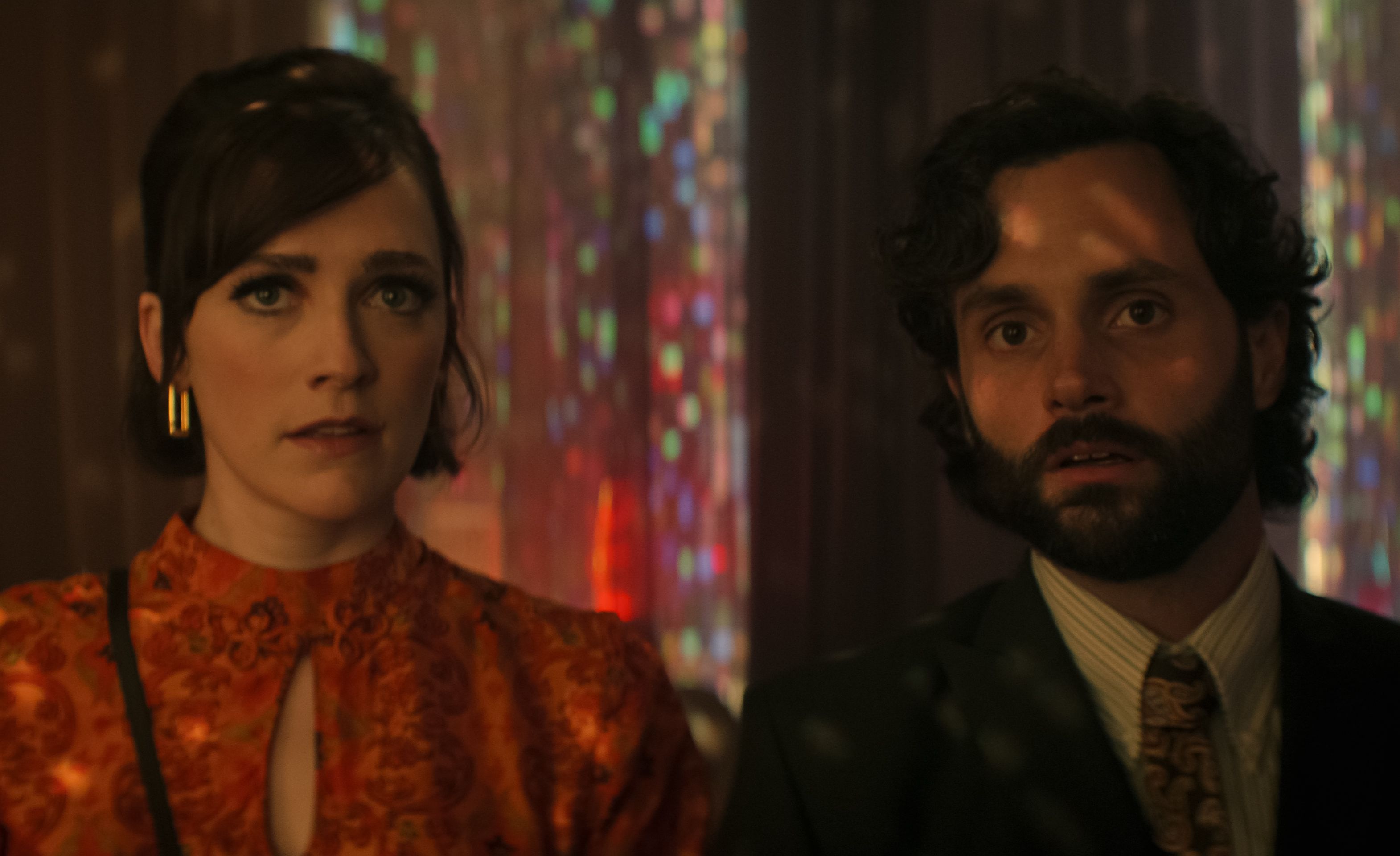
you

You (Season 4) – Sera Gamble, Greg Berlanti (Netflix) 
I have no objective criteria for whether a season of You is good or bad. All I can say is that yet again, I just about inhaled this installment of episodes. Also, I’m quite smitten with Charlotte Ritchie as this season’s love interest.
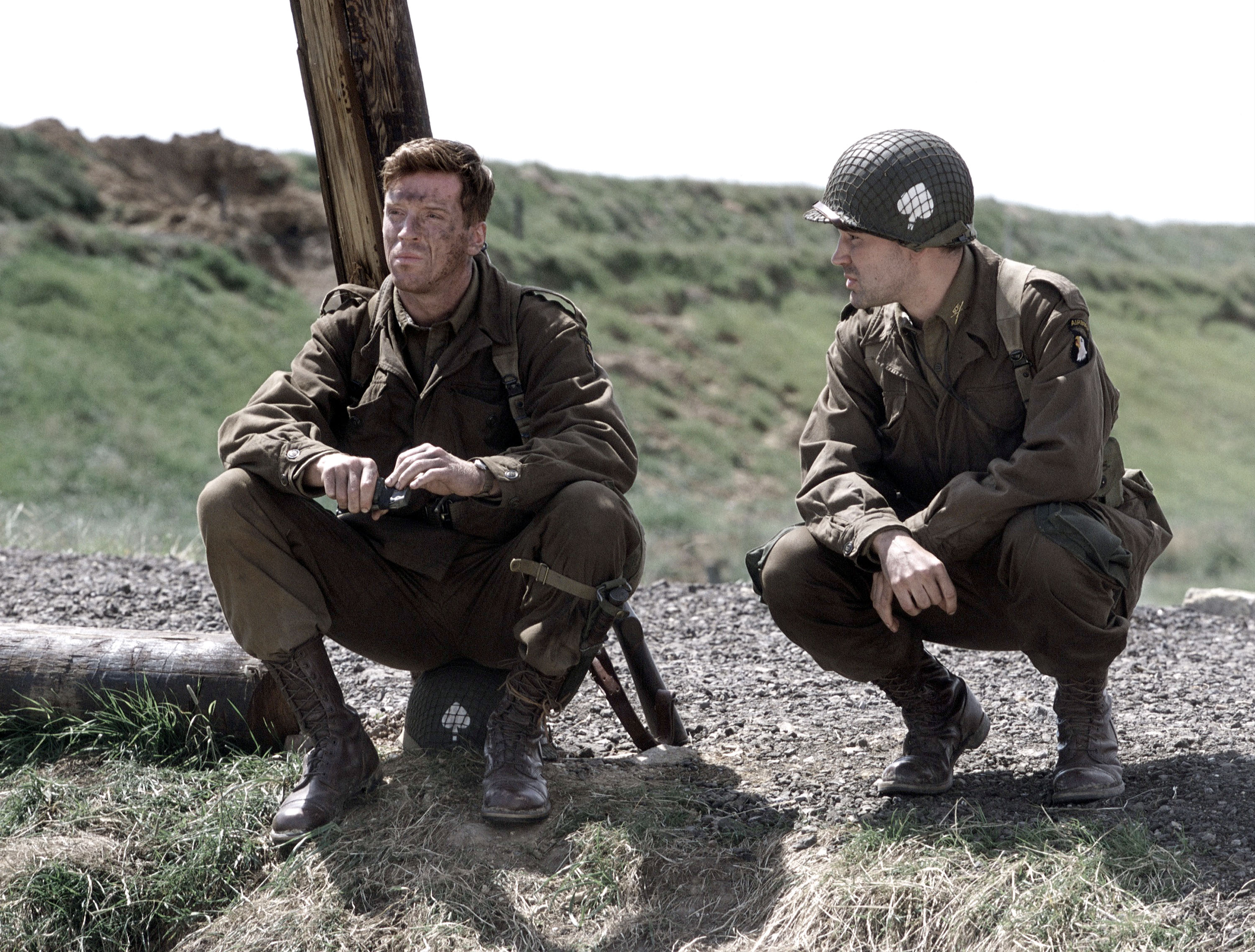
Band Of Brothers Movie Still

Band of Brothers – Tom Hanks, Steven Spielberg (HBO)* 
Look, I’m pretty skeptical when it comes to war films. This is one that I had been curious about, and wary of, for a long time. And so, I’m delighted to report that I found this to be a real triumph. In fact, a huge differentiator of this series compared to other war films is its duration. It allows for the series to explore these characters and this war in the amount of detail and nuance they deserve. Sure, there is still plenty of “greatest generation” and “rally around the flag” messaging here. But, for each of these moments, there are also counterweight passages of violence and cruelty. For someone like me, with only a surface familiarity with World War II’s events, I thought this was about a perfect telling.
*Aired 2001

May
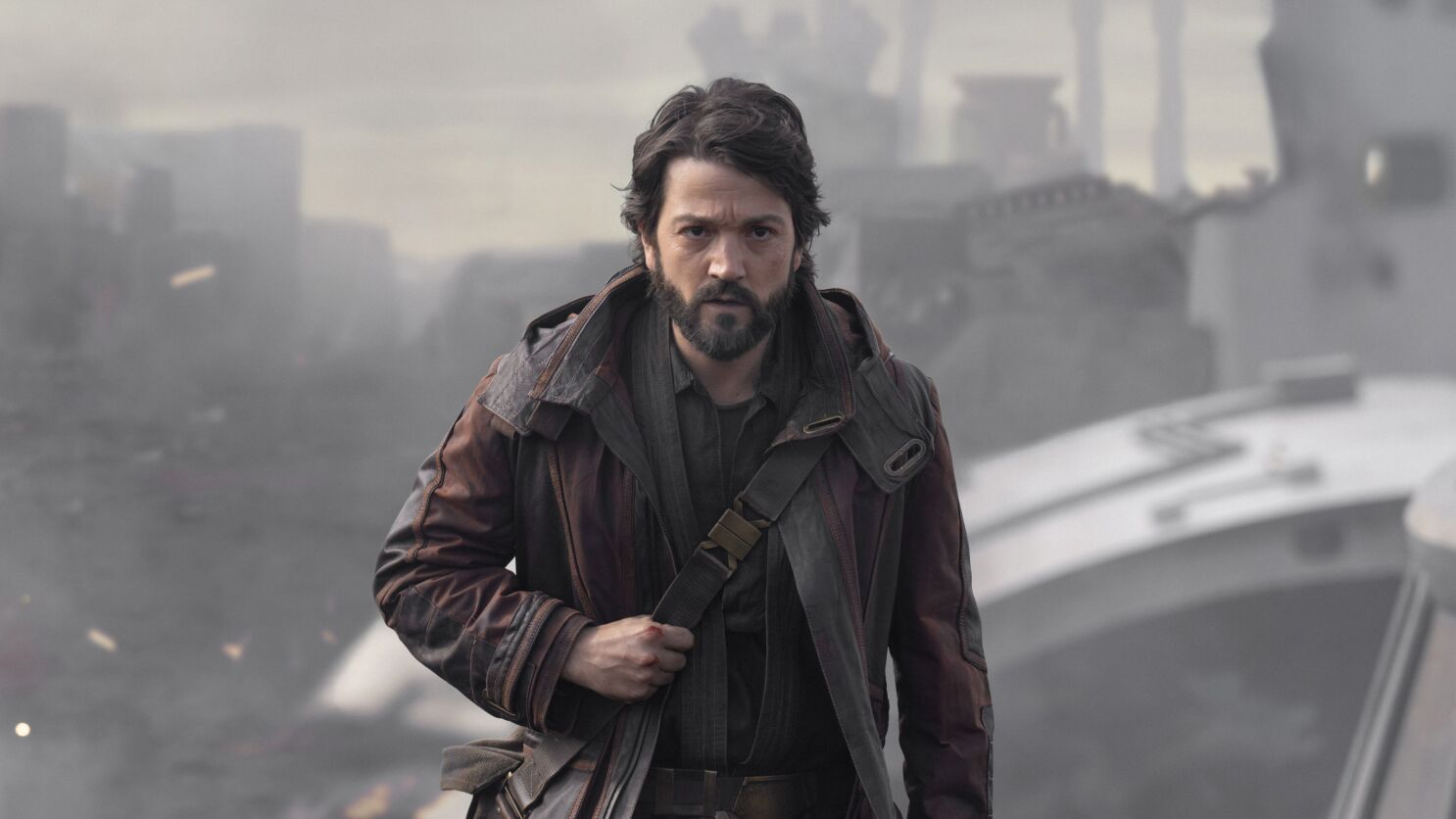
Diego-Luna-Andor.jpg

Andor (Season 1) – Tony Gilroy (Disney +)*
Star Wars might very well be the most difficult media franchise to evaluate critically. The original films literally changed the way movies are made, watched, thought about, and loved. The next three films (the prequels) are perhaps the earliest and most definitive example of what intellectual property means, both from a filmmaking perspective and also from a fan/community lens. The next iteration of movies (the sequel and anthology films) covered the spectrum from updating themes for the 21st Century, becoming the subject of toxic and abhorrent fan backlash, as well as serving essentially as a case study in studio risk management. And somewhere in between all of this, we have 20-odd films and TV series that rank amongst my all-time favorite and least-favorite pieces of media.

My point with this lengthy introduction is to say that there’s basically no way to separate any Star Wars property from the context in which it was made and received and unfortunately, there’s no other franchise with as much context or baggage as Star Wars. This is where Andor comes in. The common piece of praise I’ve heard time and again about Andor is that it’s the least-connected piece of media in the series. Meaning, more or less, that this show, as opposed to any other film or series, stands on its own as a complete or isolated story. After watching and (spoiler alert!) loving this first season, that sentiment is mostly true. Andor approaches its story with a different scope and tone than almost every other Star Wars property. It’s a terse spy thriller that (mostly) focuses on a different class of people than your typical Star Wars property. The closest comparison to it is the anthology film, Rogue One, which, of course, is the story that launched the idea for this series.

Now, if you sense any hesitation in my voice in validating this claim, it’s not because of any failure by Andor in being unique and original, but because claims like this in media franchises are pretty common and often not that meaningful. For instance, despite all of its costumes, masks, and comic book characters, many people would tell you that The Dark Knight is not a superhero movie. It’s just not true. Likewise, I’d hesitate to call Andor anything besides a Star Wars series. For all of its unique aspects, it’s still a hero’s origin story set in space featuring droids, lasers, and spaceships all centered on a rebellion against the evil empire.

So what’s my point with all of this? It’s certainly not to call out Andor for being anything less than excellent or original. Let me get that all out of the way now. Andor does everything with a precision and professionalism that’s incredibly rare to see on television. The writing, plotting, and pacing of the series is air-tight. Gilroy is a master of letting the viewer know exactly as much as they need and nothing further. There are no lengthy pieces of exposition that tell us what this planet is and how its inhabitants behave. Instead, the series stays laser-focused on its story, and through masterful direction, leaves the rest to the audience. But, to me, more than anything else, it’s the performances that stand out. In a lot of ways, the casting of this series reminds me of Game of Thrones or Succession in which every part, no matter how small or short-lived, is played with a nuance and commitment worthy of the theater. This of course is not even getting to what is perhaps my favorite element of the series, which is the extraordinary headline performances by the likes of Stellan Skarsgård, Fiona Shaw, and Diego Luna.

Tying this to my previous line of thinking, what I really want to say is this. Right now, we live in a world dominated by IP and the franchising of almost every story. For the most part, it sucks and there’s just no getting around it. While no studio or property has really figured out how to tell unique and original stories through this lens, it’s safe to say that Star Wars has been among the least-successful properties in that pursuit. That is at least, until now. Look, in another universe, would I like to have seen Tony Gilroy and Diego Luna make anything they wanted with this budget and cast? No question. But in the world we live in, Andor is a remarkable case study for how to make brilliant and uncompromising art within a mass media franchise. I hope it’s one that all studios and filmmakers are paying attention to.
*Aired 2022
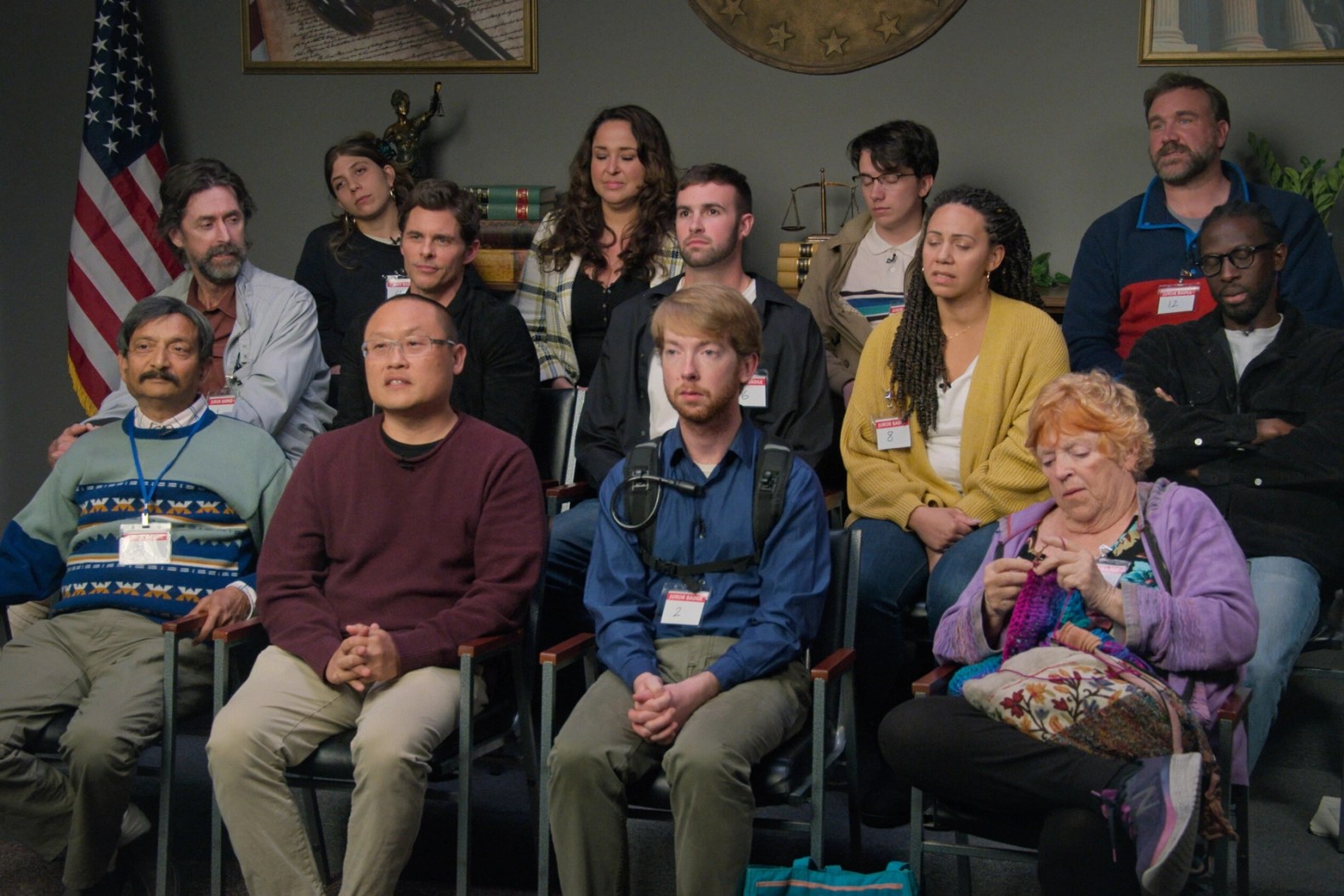
jury duty

Jury Duty – Lee Eisenberg, Gene Stupnitsky (Freevee)
There’s been a strange tension bubbling up around television comedies in the past few years about whether the recent wave of “nice” tv series, like Schitt’s Creek and Ted Lasso, are actually funny. To me, it’s a stupid argument made in bad faith for the sake of gate-keeping what makes “true” comedy. There are, quite obviously, very funny bits in both Schitt’s Creek and Ted Lasso. To me, their enormous popularities and critical nitpicks have much less to do with whether each is funny, but whether or not, the writing, stories, and larger production decisions in each make for quality TV.

That being said, if there were a series to thwart this entire notion, we may have found it in Jury Duty. Not only is this series extremely funny, it is just an extremely wholesome and feel-good story which, is particularly remarkable, considering it is a mostly unscripted reality show. To cut right down to it, there are, I believe, two miracles that make this show as extraordinary as it is. The first is just in the casting, writing, and production of the series. I think in most circumstances, this show would either not work or not be particularly funny. Here, it does both. The second miracle, of course, is Ronald Gladden, who handles this entire situation which as much grace and kindness as anybody possibly could. I shudder to think how much of an asshole I would look like had I been selected as the subject of this show. Luckily, we got Ronald instead, and through him, we get a series that in both the critical and moral meaning of the word, is good.
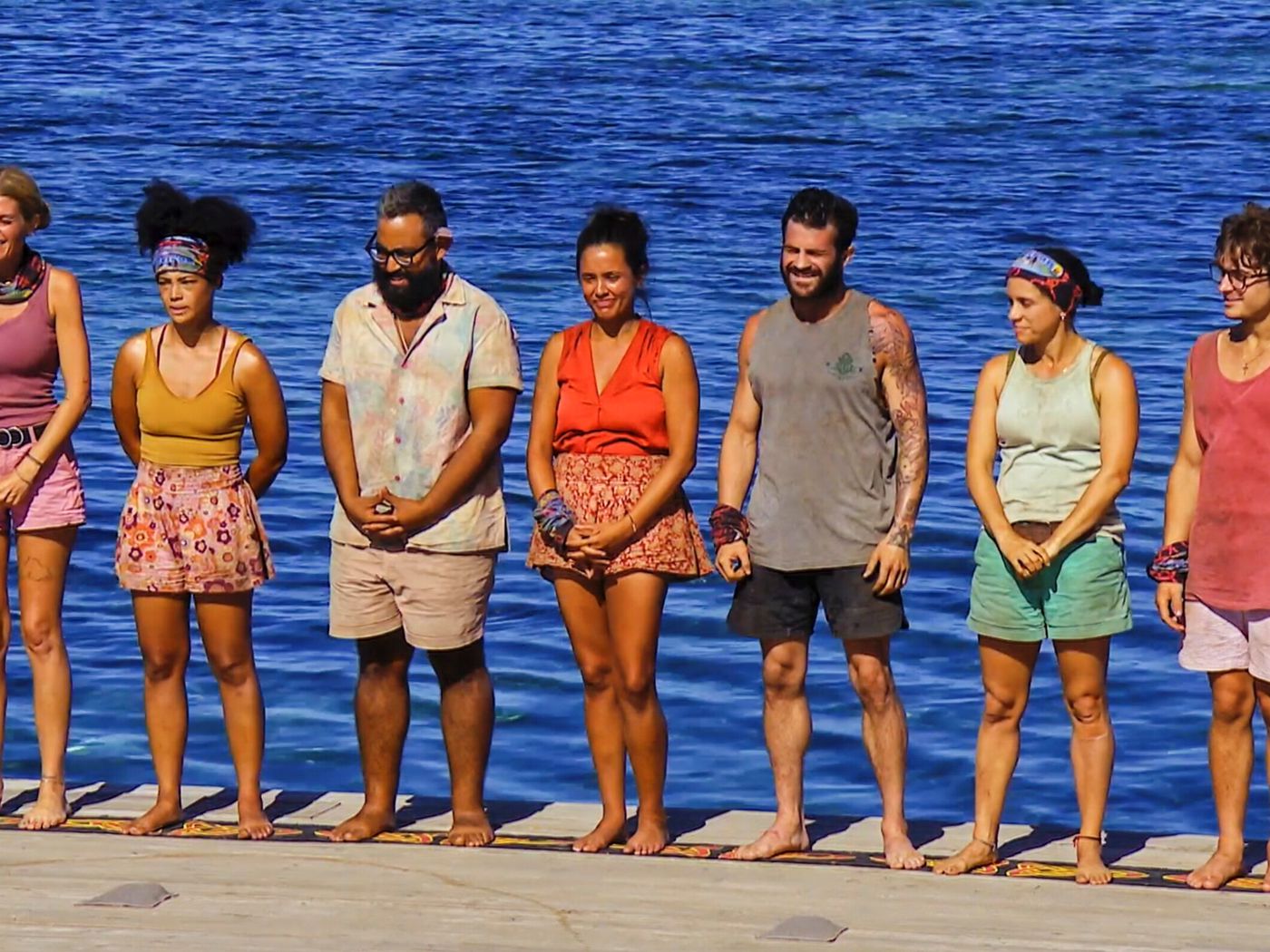
survivor 44

Survivor (Season 44) – Charlie Parsons, Mark Burnett, Jeff Probst (CBS) 
For the first time since Winners at War (Season 40), we have a good season with a great winner. Sick.

June

ted lasso

Ted Lasso (Season 3) – Jeff Ingold, Liza Katzer, Bill Lawrence, Jason Sudeikis (Apple TV+)
Ted, oh Ted. One of the unfortunate truths of the world is that an artist’s legacy is always malleable. No matter how incredible an album, a film, or in this case, a season is, it can be tarnished by its surrounding body of work not being up to par. For music, take someone like Interpol. Does the fact that they never fully delivered on the promise of their first two albums change their legacy? Most definitely. Does it change how people think and feel about those first two albums? Unfortunately, I think so. If you need a TV example of this, they’re quite abundant. Series like LostDexterHouse of Cards and even a truly great show like The Americans have had their legacies challenged because of lackluster seasons (s). 

Now, if one remembers all the way back three years ago, Ted Lasso burst onto the scene like a supernova. It was, for all intents and purposes, the tv equivalent of Interpol’s Turn on the Bright Lights or The Stroke’s Is This It. Anecdotally, it’s the series that I’ve heard most about from friends and family since I started this here blog. Non-anecdotally, one can simply look at its Emmy wins to understand the magnitude of this show’s reach and appeal. Without having gone back myself, I must say that I believe the first season is still legitimately great. The problem is that these past two seasons, concluding the entire series this week, have been mediocre to downright bad.

So what happened? This is obviously all speculative, but to me, Ted Lasso is a case of a series being overrun by its own popularity. Season 1 rightfully earned its reputation by being a well-made comedy centering on themes of positivity and optimism. Not only was the series great, but it was pretty different from other shows on the air. Unfortunately, I think the series took all of this hype too much to heart. These past two seasons felt specifically engineered to not tell a good story, but a “nice” story. Instead of following what made sense for the plot or for each of its characters, Ted Lasso seemed to go out of its way to prioritize this theme of positivity and optimism even when it didn’t make sense. Really, I think you can boil Ted Lasso‘s run to these two lessons: A great show can also be kind, but a show that is kind is not necessarily great. I hope in five years we remember Ted Lasso for the former lesson. My fear is that it will be remembered for the latter.
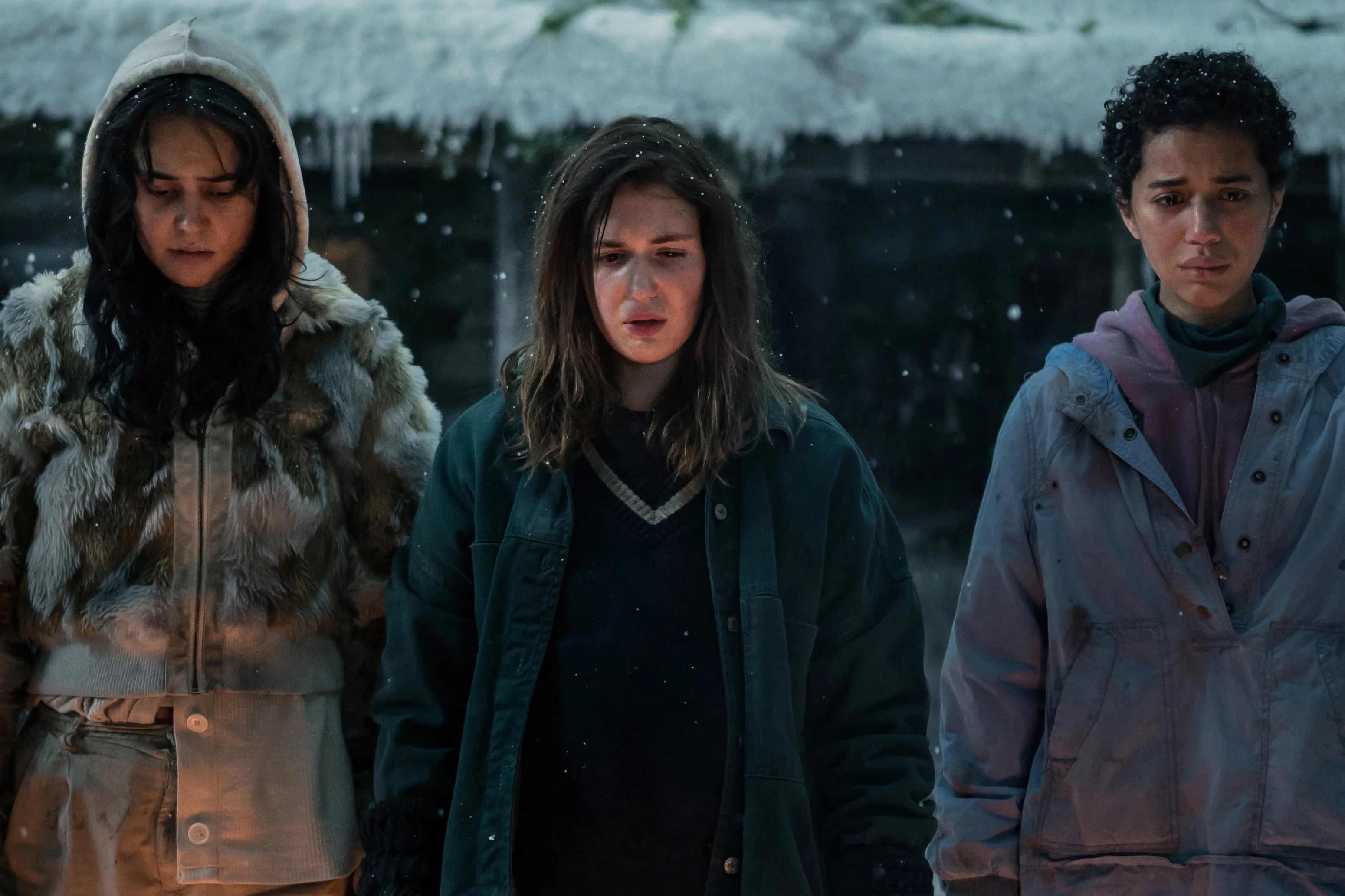
yellowjackets

Yellowjackets (Season 2) – Ashley Lyle, Bart Nickerson (Showtime) 
I have not struggled with a series like this in some time. Even during Season 1, which received almost universal praise (and to be fair, high praise from me) I kept bumping on certain aspects of the storytelling. More broadly, I don’t think I’ve ever adjusted to the show’s tone. Are parts of Yellowjackets intentionally campy? Should I take a bumbling moment from one of the characters seriously or as piece of comedy in an otherwise bleak show? Are the stakes for the adults based in reality? If so, they do and get away with an extraordinary amount of shit. If not, is that because of the otherworldly factors we see more prominently in the wilderness timeline or just a convenience of storytelling? Are New Jersey State Senators really significant public figures? If so, are there no repercussions to Taissa for being AWOL for like all of Season 2?

And look, I must say that other series have had these issues and still worked for me (at least in a I kept watching sort of way). Lost, in particular is a prime example. It’s another series that navigated multiple timelines for its characters, centered its narrative on the idea of being stranded somewhere remote, and used the mystery behind otherworldly forces to entice its viewers to keep watching. That should be enough for any Yellowjackets wobbler like me to trust in the vision of this show.

Moreover, Yellowjackets has plenty going for it already! For the entirety of these two seasons, I’ve completely enjoyed the wilderness timeline. I find that narrative to be utterly captaining. The characters in that timeline all make decisions that track to me based on their situation and what we’ve seen. I’d also note that the filmmaking, in every aspect of the show but especially in the wilderness, is as good as horror filmmaking gets. I was delighted to see Karyn Kusama return this season to direct its finale. Her visual language fits this series remarkably well.

The aspect I’m having the hardest time navigating is the adult’s timeline. I’m not heartless. I recognize these characters have trauma for days. But still, the decisions these adults make every episode just baffles me. Honestly, I think my frustration with this show is it renders most of the characters unlikable to me. That’s a really hard thing for any series to overcome! Lost, for all of its flaws, at least kept most of its characters sympathetic throughout its ru

I have not struggled with a series like this in some time. Even during Season 1, which received almost universal praise (and to be fair, high praise from me), I kept bumping on certain aspects of the storytelling. More broadly, I don’t think I’ve ever adjusted to the show’s tone. Are parts of Yellowjackets intentionally campy? Should I take a bumbling moment from one of the characters seriously or as a piece of comedy in an otherwise bleak show? Are the stakes for the adults based in reality? If so, they do and get away with an extraordinary amount of shit. If not, is that because of the otherworldly factors we see more prominently in the wilderness timeline or just a convenience of storytelling? Are New Jersey State Senators really significant public figures? If so, are there no repercussions for Taissa for being AWOL for like all of Season 2?

And look, I must say that other series have had these issues and still worked for me (at least in an I kept watching sort of way). Lost, in particular, is a prime example. It’s another series that navigated multiple timelines for its characters, centered its narrative on the idea of being stranded somewhere remote, and used the mystery behind otherworldly forces to entice its viewers to keep watching. That should be enough for any Yellowjackets wobbler like me to trust in the vision of this show.

Moreover, Yellowjackets has plenty going for it already! For the entirety of these two seasons, I’ve completely enjoyed the wilderness timeline. I find that narrative to be utterly captaining. The characters in that timeline all make decisions that track to me based on their situation and what we’ve seen. I’d also note that the filmmaking, in every aspect of the show but especially in the wilderness, is as good as horror filmmaking gets. I was delighted to see Karyn Kusama return this season to direct its finale. Her visual language fits this series remarkably well.

The aspect I’m having the hardest time navigating is the adults’ timeline. I’m not heartless. I recognize these characters have trauma for days. But still, the decisions these adults make every episode just baffles me. Honestly, I think my frustration with this show is that timeline renders most of the series’ characters unlikable to me. That’s a really hard thing for any series to overcome! Lost, for all of its flawsat least kept likable characters throughout its run.

What does this all mean for me? I kind of want to quit this show. I don’t like watching something I don’t enjoy. I don’t like critiquing something that so many people love. Sometimes a series is just not for you. On the other hand, when Season 3 rolls around next year, I might not be able to resist tuning in. For all its faults, Yellowjackets is nothing if not captivating.
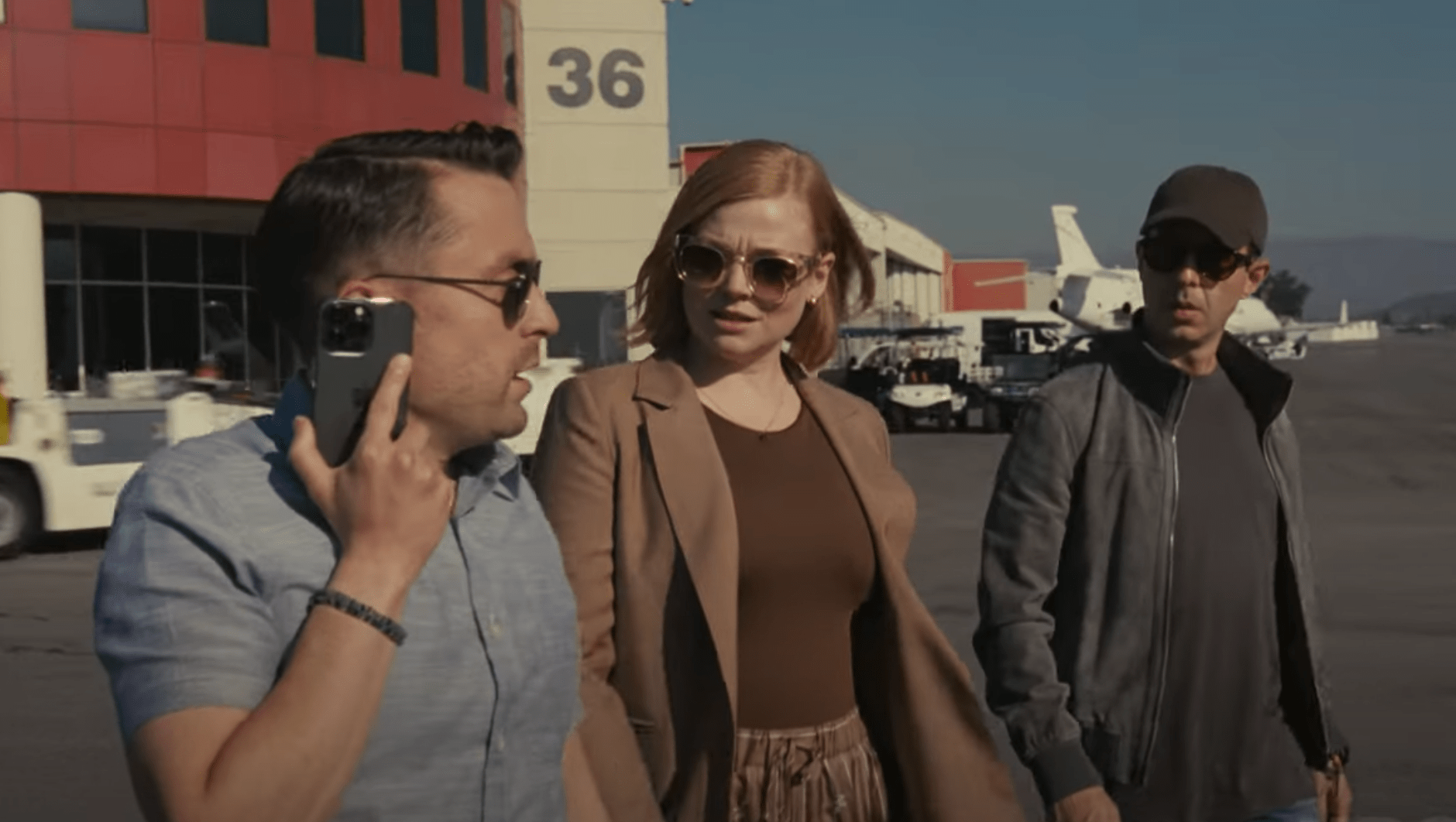
succession season 4

Succession (Season 4) – Jesse Armstrong (HBO)
Amongst fans and critics, there’s more or less a consensus on the Mt. Rushmore of scripted dramas being The SopranosThe WireBreaking Bad, and Mad Men. Now, that doesn’t mean that each individual fan or critic doesn’t have their own picks and challengers. Even in Alan Sepinwall and Matt Zoller-Seitz’s landscape-defining TV: The Book, those series all ranked behind their number 1 choice, The Simpsons. Still, the reason I bring this all up is that since Mad Men left the air in 2015, I think there’s been only one legitimate challenger to this consensus Greatest TV Series of All Time list, and that’s Succession. And as much as I love list-making and haggling, for now, that’s enough of an accomplishment without worrying about whether it’s better series than Mad Men or The WireSuccession is legitimately in the conversation and that’s a remarkable feat.

So, without writing an entire book on the subject, what did Succession do to earn its place at the top? Like all of the aforementioned series, Succession centered itself on a cast of just incredibly gifted actors. To name them all here would be to essentially just read the cast list. But I’d say especially all of the top-billed talent, and in particular, Jeremy Strong reached heights that are rarely seen at all, let alone on television.

I’d also say that I think this show always knew what it was. That’s actually something that’s really not seen all that much even amongst the great shows. The Wire constantly reinvented itself, Breaking Bad took about two seasons to land on what it was, and Mad Men had digressions and uncertainty in its narrative for large stretches of episodes, even late in its run. Moreover, it’s not simply that Succession knew what it was, it’s that it stuck to that identity even when it was challenging to the audience. The most consistent ding on this show was that its stakes didn’t matter. No matter what dramatic moment transpired at the end of an episode or end of a season, its characters would essentially be reset back to their original positions.

After finishing the series, it’s clear to me this wasn’t a bug but a feature. The fact that none of these characters’ actions, no matter how consequential they feel, have any lasting meaning is what’s at the core of this series’ heart. People are not only incapable of growth and change, they are trapped within their own failings of human nature. For Succession to essentially use this very human idea to expertly critique the ills of American society is just master-level storytelling and something I’m not sure we’ll ever see again.

ore or less a consensus on the Mt. Rushmore of scripted dramas being The SopranosThe WireBreaking Bad, and Mad Men. Now, that doesn’t mean that each individual fan or critic doesn’t have their own picks and challengers. Even in Alan Sepinwall and Matt Zoller-Seitz’ landscape-defining TV: The Book, those series all ranked behind their number 1 choice, The Simpsons. Still, the reason I bring this all up is because since Mad Men left the air in 2015, I think there’s been only one legitimate challenger to this consensus Greatest TV Series of All Time list, and that’s Succession. And as much as I love list-making and haggling, for now, that’s enough of an accomplishment without worrying about whether it’s better series than Mad Men or The WireSuccession is legitimately in the conversation and that’s a remarkable feat. So, without writing an entire book on the subject, what did Succession do to earn its place at the top? Like all of the aforementioned series, Succession, centered itself on a cast of just incredibly gifted actors. To name them all here would be to essentially just read the cast list. But I’d say especially all of the top-billed talent, and in particular, Jeremy Strong reached places in their performances that TV rarely reaches.
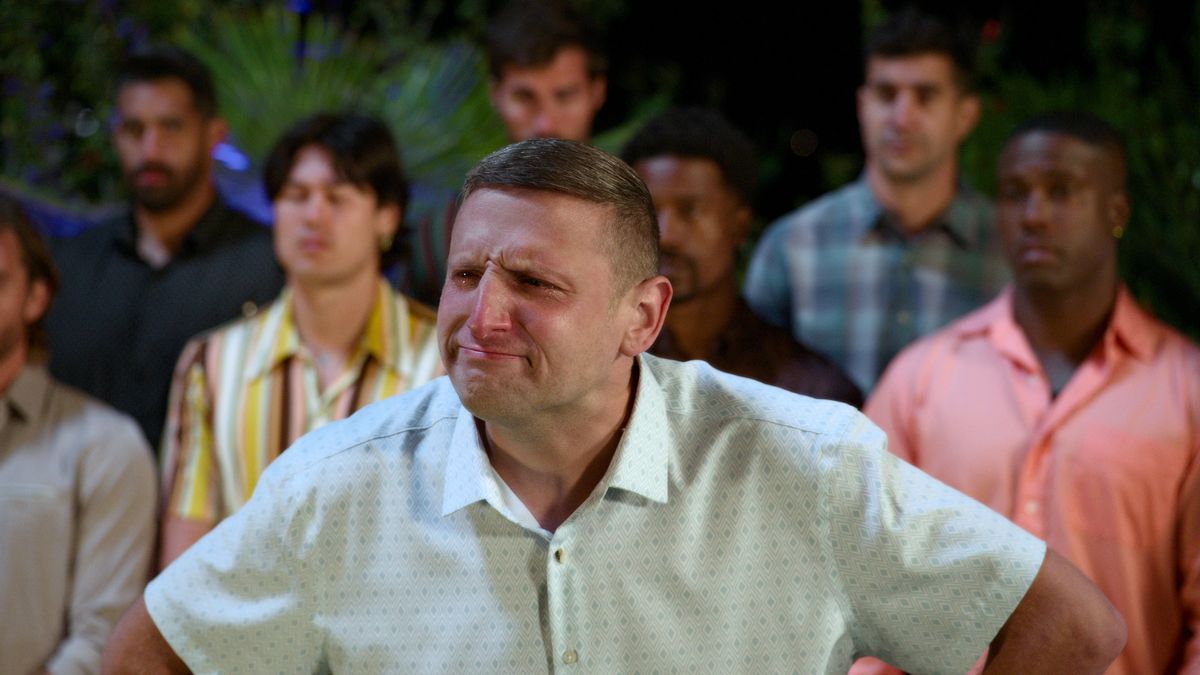
i-think-you-should-leave-with-tim-robinson-n-s3-e1-00-08-52-11r-6481cb3184e0d

I Think You Should Leave with Tim Robinson (Season 3) – Tim Robinson, Zach Kanin (Netflix) 
This entry was long overdue. After inhaling Seasons 1 and 2, Gioia and I really paced ourselves in Season 3. The end result? Ummmm the same? I Think You Should Leave continues to be my absolute favorite show. Initially, I couldn’t even tell if these new sketches were actually funny or if I was just comforted and delighted by having Tim Robinson back in my life. But, with a little distance, I can safely say that these sketches, like Seasons 1 and 2, are absolutely fucking hilarious. I don’t know how he does it, but it is a miracle.

July
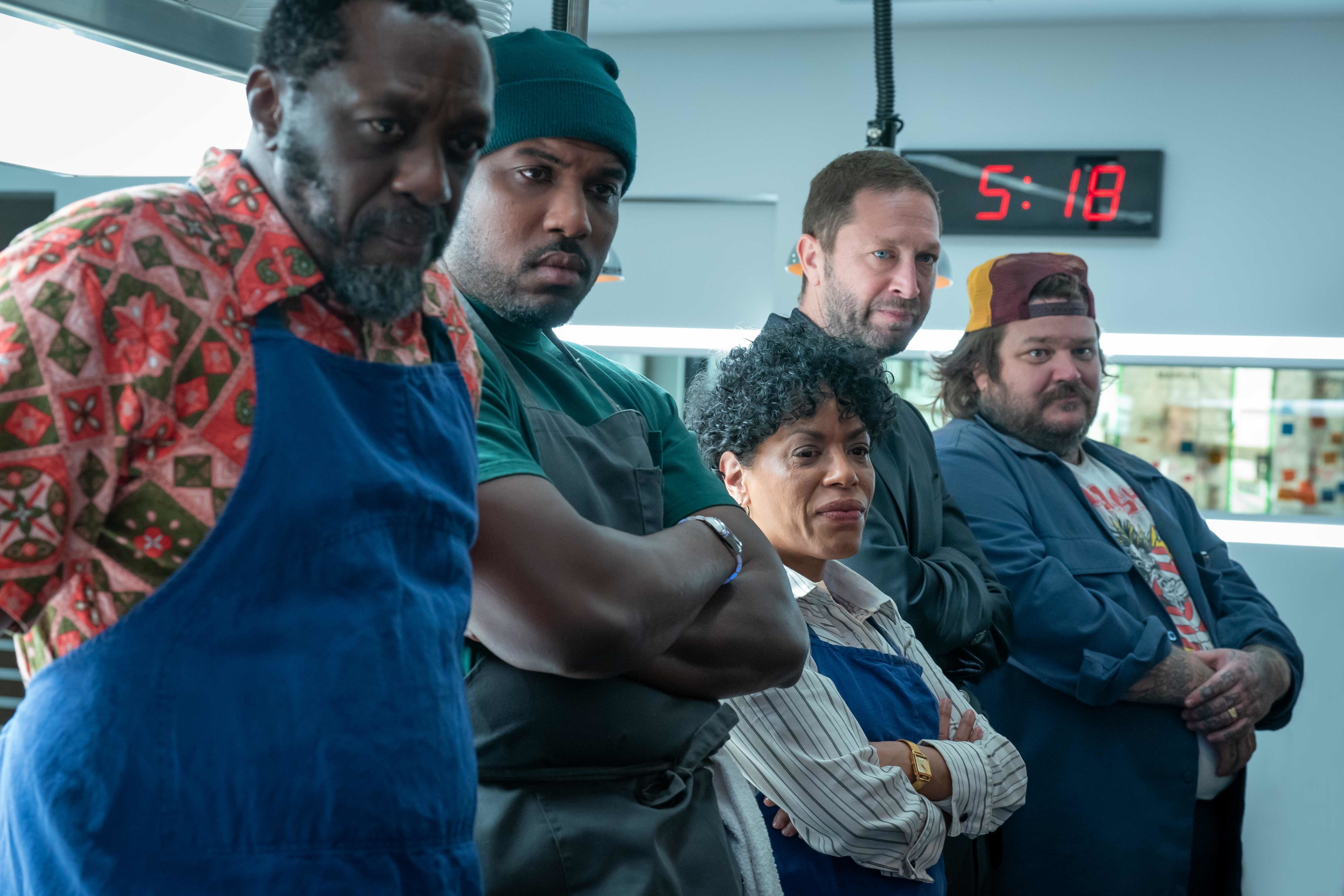
bear

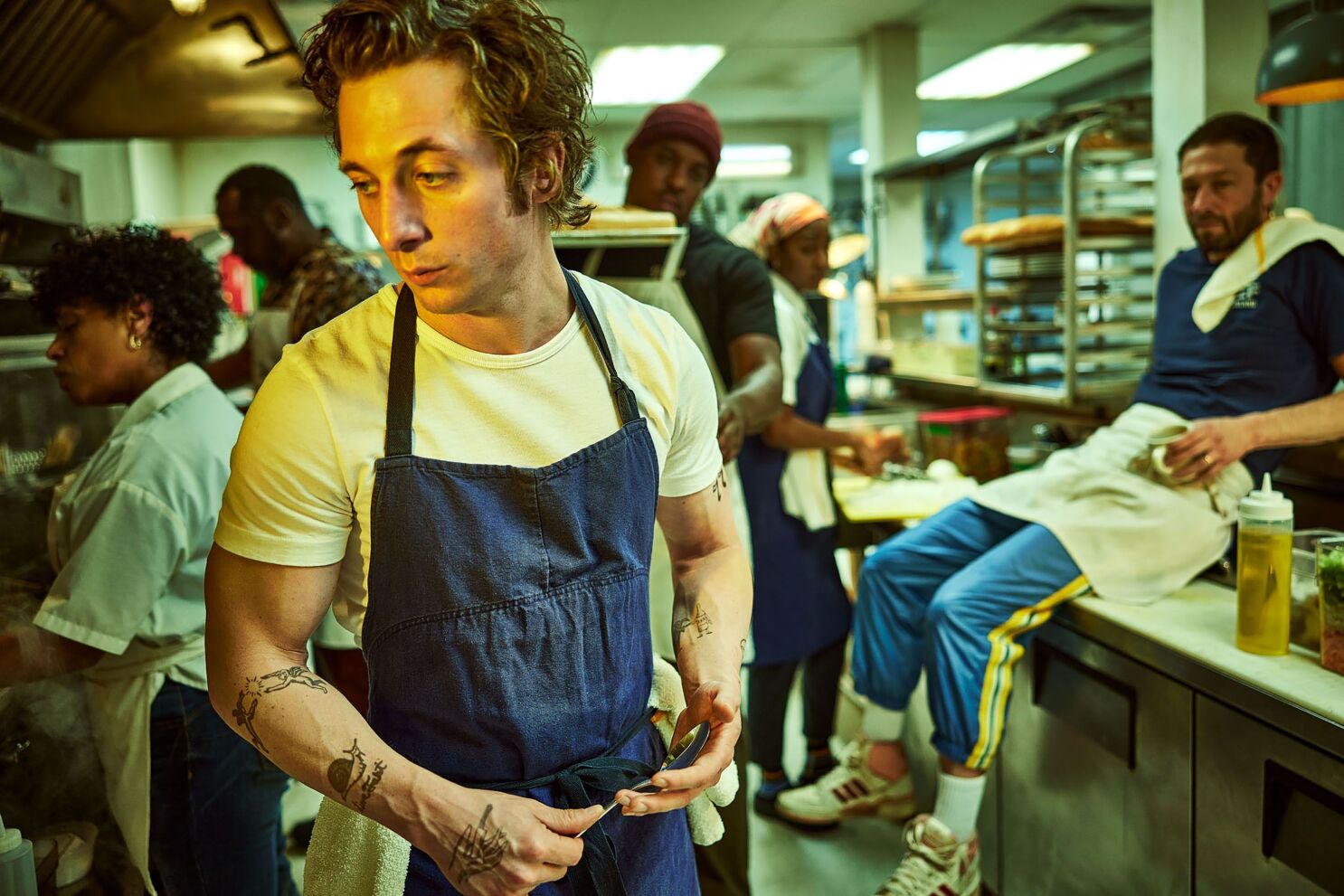
The Bear (Season 2) – Christopher Storer (Hulu) 
This show is so special. Whatever I write here is not going to do it justice. And to some extent, maybe that’s actually fitting. After all, while I (a Chicago-living, R.E.M-loving, sensitive man-child) do seem to fit into the series’ target demographic, the show has clearly connected to a wide range of people beyond that identity. In fact, my Mom had just about the best summary of the series that I have heard, which is that it serves as a real case-study for what happens when you give people legitimate chances to succeed. That’s nice! I’m going to end it there for now, although you will surely see this on my year-end Top Ten. Thanks, Mom!

September
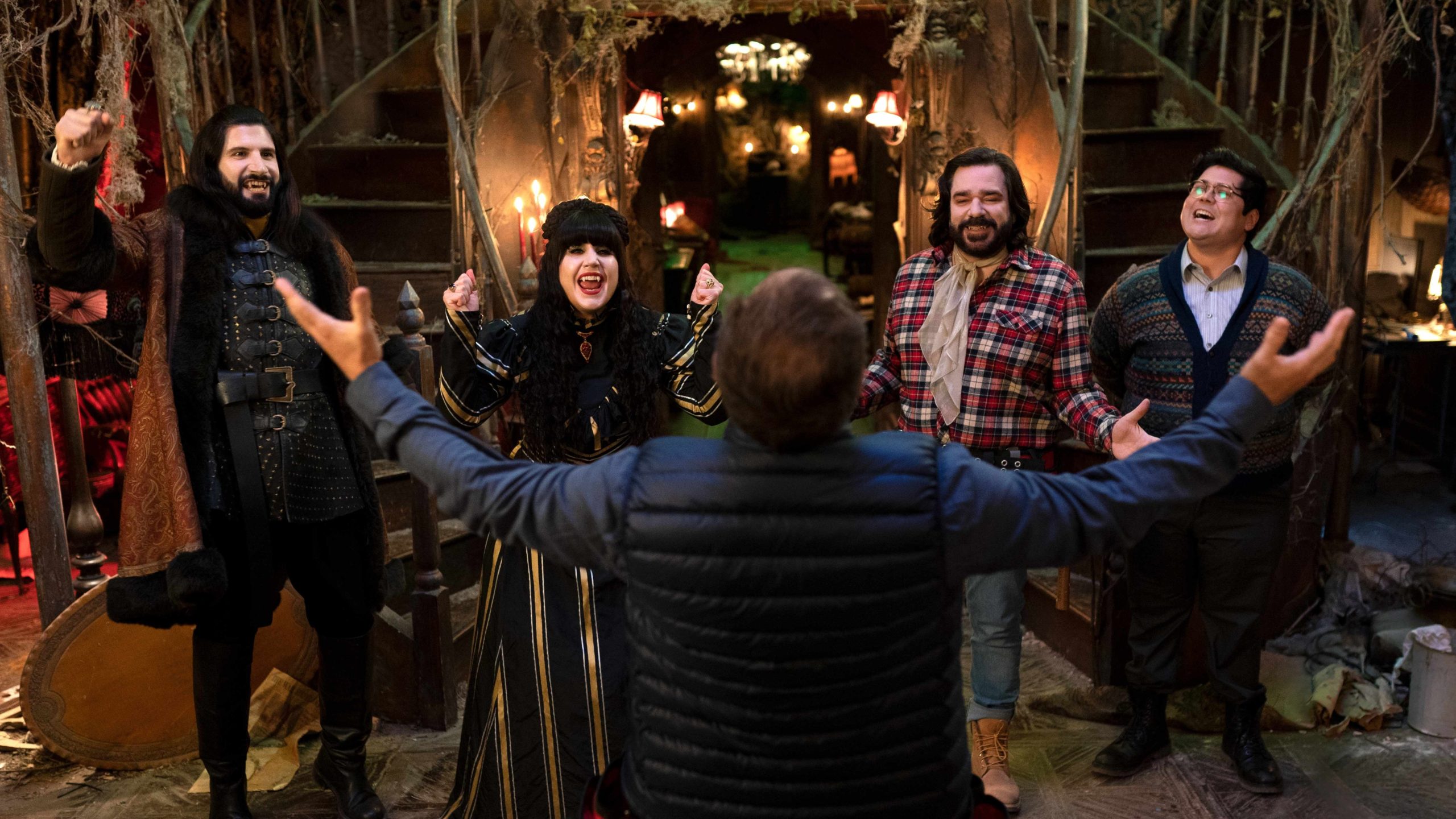
what-we-do-in-the-shadows-pic-e1-scaled

What We Do In The Shadows (Season 5) – Jermaine Clement (FX) 
Five seasons in and this remains not only the funniest show on tv, but also the one I most look forward to watching.

October
overgardenwall

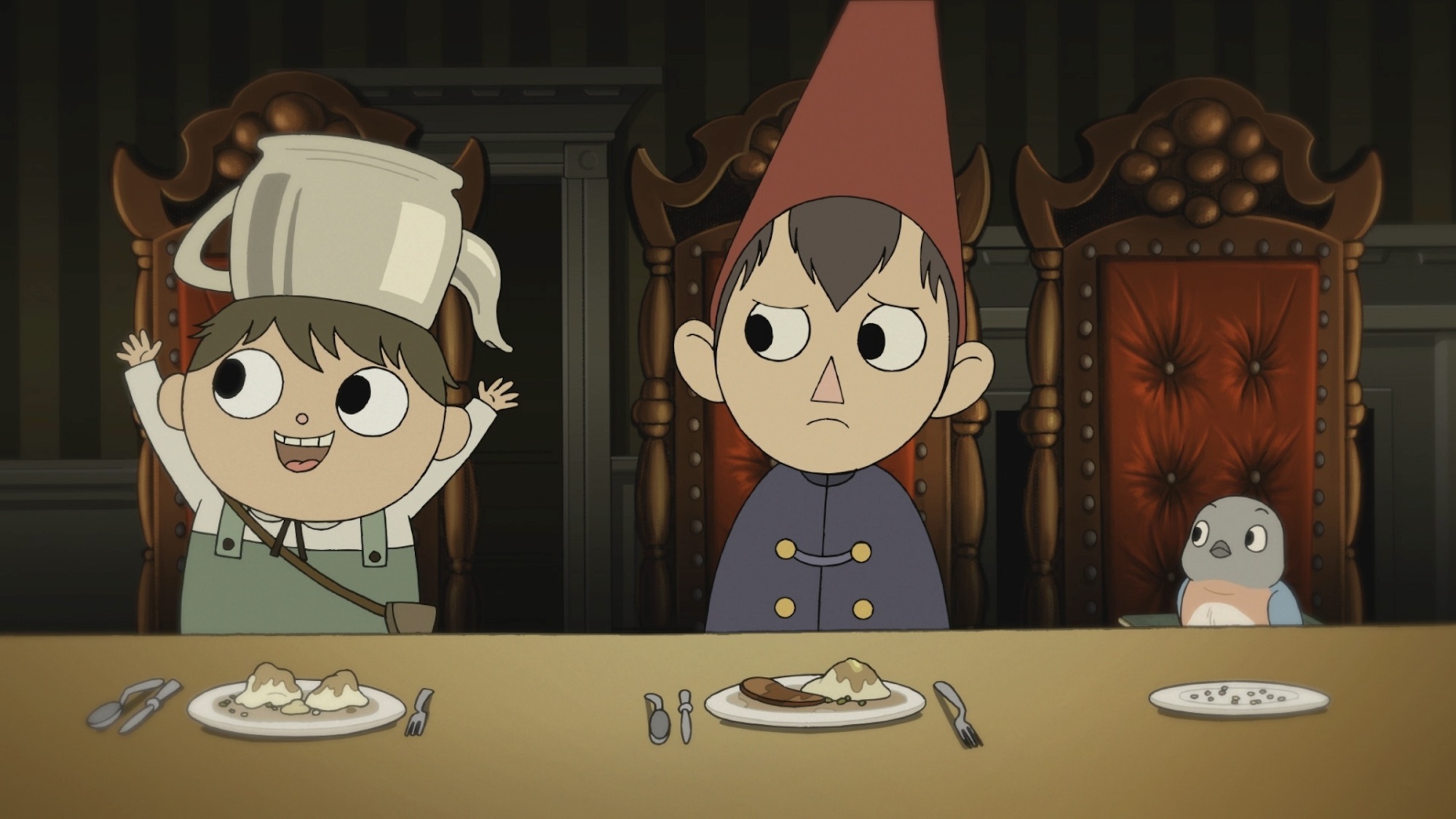
Over the Garden Wall – Patrick McHale (Cartoon Network)*
A delight! I apologize to Bryce and Gioia for not watching this in full before now. Henceforth it will be an annual tradition.
*Aired 2014
brady

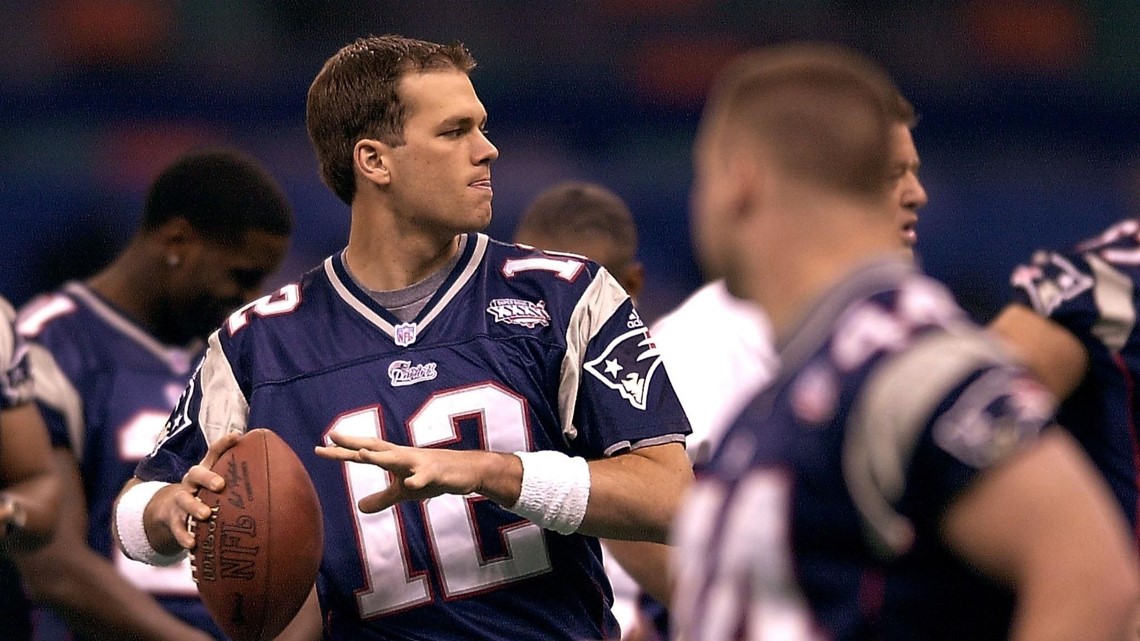
Man in the Arena: Tom Brady – Gotham Chopra, Erik LeDrew (ESPN+)*
I am as biased as it gets, but this is pretty well done. Out of all sports leagues, NFL probably does the best job of having comprehensive footage to pull for a series like this. I do wish Brady would have waited a few years to make this. It just can’t be a comprehensive reflection without participation from someone like Bill Belichick or Bob Kraft.
*Aired 2021

December
survivor 45

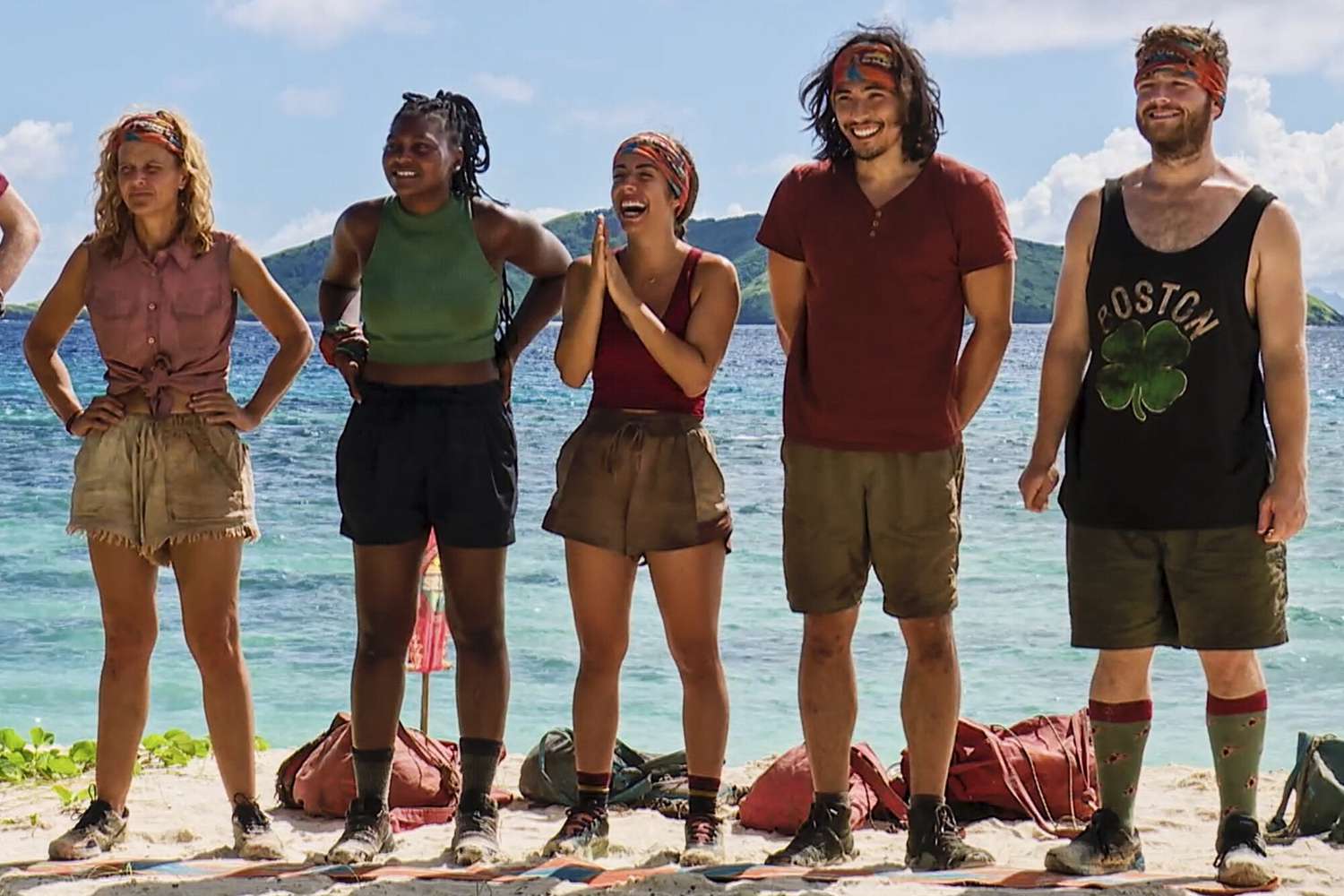
Survivor (Season 45) – Charlie Parsons, Mark Burnett, Jeff Probst (CBS)
Easily the best post-Winners at War season of the show. Despite some early hiccups that were honestly about as entertaining as they were frustrating, this season (like all good seasons) succeeded on the back of its cast. In the NBA there’s a silly perception where people think because the players are friends with one another it makes the league less competitive than it once was. One of the things that was unique to Season 45 and worked out really wonderfully is that, especially post-merge, the cast seemed to genuinely really like one another. I think it’s not a coincidence then, that this season had some of the biggest twists and blindsides we’ve ever seen. Perhaps this dynamic actually makes the game less predictable and thereby more competitive?

2022 Wrap Up!

season 2

I don’t know about you, but I’m feeling…fucking grateful that 2022 is over. That being said, I watched a lot of cool movies, read some dusty ol’ books, and waded through what I consider to be the best year of television maybe ever. For those curious, it’s all below. Tell me what I missed!

By the Numbers:

  • 147 Movies Watched (28 from this year)
  • 11 Books Read (0 from this year)
  • 36 seasons of TV watched across 30 series (29 series from this year)

Additions to the “A” List:

The films that were added to my running list of all A and A- movies since beginning this blog.

  • The Power of the Dog – Jane Campion (2021)
  • Talk to Her – Pedro Almodóvar (2002)
  • The Girl with the Dragon Tattoo – David Fincher (2011)
  • The Beta Test – Jim Cummings, PJ McCabe (2021)
  • Licorice Pizza – Paul Thomas Anderson (2021)
  • Dekalog: One -Krzysztof Kieślowski (1988)
  • Drive My Car -Ryusuke Hamaguchi (2021)
  • Flowers of Shanghai -Hou Hsiao-Hsien (1998)
  • The Worst Person in the World -Joachim Trier (2021)
  • Saving Private Ryan – Steven Spielberg (1998)
  • Cha Cha Real Smooth – Cooper Raiff (2022)
  • Irma Vep – Olivier Assayas (1996)
  • Big Trouble in Little China – John Carpenter (1986)
  • Thief – Michael Mann (1981)
  • Everything Everywhere All at Once – Daniel Kwan, Daniel Scheinert (2022)
  • Top Gun: Maverick – Joseph Kosinski (2022)
  • Dekalog: Six – Krzysztof Kieślowski (1988)
  • RRR – S. S. Rajamouli (2022)
  • Dekalog IX – Krzysztof Kieślowski (1988)
  • Dekalog X – Krzysztof Kieślowski (1988)
  • Clouds of Sils Maria – Olivier Assayas (2014)
  • Ali: Fear Eats the Soul – Rainer Werner Fassbinder (1974)
  • Ghost Dog: The Way of the Samurai – Jim Jarmusch (1999)
  • Come and See – Elem Klimov (1985)
  • Amarcord – Federico Fellini (1973)
  • There Will Be Blood – Paul Thomas Anderson (2007)
  • Contagion – Steven Soderbergh (2011)
  • Children of Men – Alfonso Cuarón (2006)
  • Under the Silver Lake – David Robert Mitchell (2018)
  • Shoah – Claude Lanzmann (1985)
  • The Squid and the Whale – Noah Baumbach (2005)
  • Crimes of the Future – David Cronenberg (2022)
  • His Girl Friday – Howard Hawks (1940)

Various Writings

Movies

crimes

  • Harry Potter and the Half-Blood Prince – David Yates (2009)
  • The Power of the Dog – Jane Campion (2021)
  • The Lost Daughter – Maggie Gyllenhaal (2021)
  • France – Bruno Dumont (2021)
  • Talk to Her – Pedro Almodóvar (2002)
  • Tie Me Up! Tie Me Down! – Pedro Almodóvar (1989)
  • Harry Potter and the Deathly Hallows: Part One – David Yates (2010)
  • The Girl with the Dragon Tattoo – David Fincher (2011)
  • The Beta Test – Jim Cummings, PJ McCabe (2021)
  • Panic Room – David Fincher (2002)
  • Kimi – Steven Soderbergh (2022)
  • Tick, Tick…Boom! – Lin-Manuel Miranda (2021)
  • Licorice Pizza – Paul Thomas Anderson (2021)
  • The Last Duel – Ridley Scott (2021)
  • The Other Guys – Adam McKay (2010)
  • Jackass: The Movie – Jeff Tremaine (2002)
  • Juliet, Naked – Jesse Peretz (2018)
  • Chocolat – Lasse Hallström (2000)
  • Turning Red – Domee Shi (2022)
  • Dekalog: One – Krzysztof Kieślowski (1988)
  • Dekalog: Two – Krzysztof Kieślowski (1988)
  • Red Rocket – Sean Baker (2021)
  • Dekalog: Three – Krzysztof Kieślowski (1988)
  • Heat – Michael Mann (1995)
  • Apollo 10 ½  – Richard Linklater (2022)
  • The Social Network – David Fincher (2010)
  • Drive My Car – Ryusuke Hamaguchi (2021)
  • Dekalog: IV – Krzysztof Kieślowski (1988)
  • Flowers of Shanghai – Hou Hsiao-Hsien (1988)
  • Ambulance – Michael Bay (2022)
  • Jumanji: The Next Level – Jake Kasdan (2018)
  • The Worst Person in the World – Joachim Trier (2021)
  • Saving Private Ryan – Steven Spielberg (1998)
  • National Treasure – Jon Turteltaub (2004)
  • National Treasure: Book of Secrets – Jon Turteltaub (2007)
  • Richard Linklater: Dream is Destiny – Louis Black, Karen Bernstein (2016)
  • Brigsby Bear – Dave McCary (2017)
  • Shithouse – Cooper Raiff (2020)
  • Tampopo – Juzo Itami (1985)
  • Cha Cha Real Smooth – Cooper Raiff (2022)
  • A Scanner Darkly – Richard Linklater (2006)
  • Irma Vep – Olivier Assayas (1996)
  • Secret Sunshine – Lee Chang-dong (2007)
  • I Am Trying to Break Your Heart: A Film About Wilco – Sam Jones (2002)
  • Touki Bouki – Djibril Diop Mambéty (1973)
  • Repo Man – Alex Cox (1984)
  • Big Trouble in Little China – John Carpenter (1986)
  • Escape from New York – John Carpenter (1982)
  • Thief – Michael Mann (1981)
  • Everything Everywhere All at Once – Daniel Kwan, Daniel Scheinert (2022)
  • Fantastic Beasts: The Secrets of Dumbledore – David Yates (2022)
  • Top Gun: Maverick – Joseph Kosinski (2022)
  • The Warriors – Walter Hill (1979)
  • The Black Phone – Scott Derrickson (2022)
  • Dekalog: Five – Krzysztof Kieślowski (1988)
  • Dekalog: Six – Krzysztof Kieślowski (1988)
  • Dekalog: Seven – Krzysztof Kieślowski (1988)
  • RRR – S. S. Rajamouli (2022)
  • Dekalog: Eight – Krzysztof Kieślowski (1988)
  • Dekalog: Nine – Krzysztof Kieślowski (1988)
  • Dekalog: Ten – Krzysztof Kieślowski (1988)
  • Fellini Satyricon – Federico Fellini (1969)
  • Clouds of Sils Maria – Olivier Assayas (2014)
  • The Bob’s Burger’s Movie – Loren Bouchard, Bernard Derriman (2022)
  • Ali: Fear Eats the Soul – Rainer Werner Fassbinder (1974)
  • Ghost Dog: The Way of the Samurai – Jim Jarmusch (1999)
  • Phantom Thread – Paul Thomas Anderson (2017)
  • The Story of a Three Day Pass – Melvin Van Peebles (1967)
  • Dodgeball: A True Underdog Story – Rawson Marshall Thurber (2004)
  • The Northman – Robert Eggers (2022)
  • Who Framed Roger Rabbit – Robert Zemeckis (1988)
  • Come and See – Elem Klimov (1985)
  • Amarcord – Federico Fellini (1973)
  • There Will Be Blood – Paul Thomas Anderson (2007)
  • Not Fade Away – David Chase (2012)
  • Synecdoche; New York – Charlie Kaufman (2008)
  • Contagion – Steven Soderbergh (2011)
  • Ocean’s Eleven – Steven Soderbergh (2001)
  • The Devil Wears Prada – David Frankel (2006)
  • Ocean’s Twelve – Steven Soderbergh (2004)
  • Meantime – Mike Leigh (1983)
  • Bull Durham – Ron Shelton (1988)
  • Happy Together – Wong Kar-wai (1997)
  • Ocean’s Thirteen – Steven Soderbergh (2007)
  • Children of Men – Alfonso Cuarón (2006)
  • Prisoners – Denis Villeneuve (2013)
  • Zero Dark Thirty – Kathryn Bigelow (2012)
  • Spencer – Pablo Larraín (2021)
  • Munich – Stephen Spielberg (2005)
  • It Follows – David Robert Mitchell (2014)
  • Benedetta – Paul Verhoeven (2021)
  • Under the Silver Lake – David Robert Mitchell (2018)
  • Shutter Island – Martin Scorsese (2010)
  • Under the Skin – Jonathan Glazer (2013)
  • Wreck-It Ralph – Rich Moore (2012)
  • Ralph Breaks the Internet – Rich Moore, Phil Johnston (2018)
  • Moonage Daydream – Brett Morgen (2022)
  • Soul – Pete Docter (2020)
  • Sleepaway Camp – Robert Hiltzik (1983)
  • The Blair Witch Project – Daniel Myrick, Eduardo Sánchez (1999)
  • The Wicker Man – Robin Hardy (1973)
  • Scream – Wes Craven (1996)
  • Barbarian – Zach Cregger (2022)
  • Malignant – James Wan (2020)
  • House – Nobuhiko Obayashi (1977)
  • Malignant – James Wan (2020)
  • Nope – Jordan Peele (2022)
  • Shoah – Claude Lanzmann (1985)
  • Bros – Nicolas Stoller (2022)
  • Game Night – John Francis Daley, Jonathan M. Goldstein (2018)
  • Girls Trip – Malcolm D. Lee (2017)
  • Badlands – Terrence Malick (1973)
  • Meet Me in the Bathroom – Will Lovelace, Dylan Southern (2022)
  • Swann in Love – Volker Schlöndorff (1984)
  • La Captive – Chantal Akerman (2000)
  • John Wick – Chad Stahelski (2014)
  • Fresh – Mimi Cave (2022)
  • Jungle Cruise – Jaume Collet-Serra (2021)
  • Ant-Man and the Wasp – Peyton Reed (2018)
  • Triangle of Sadness – Ruben Östlund (2022)
  • Chevalier – Athina Rachel Tsangari (2015)
  • The Menu – Mark Mylod (2022)
  • Fire of Love – Sara Dosa (2022)
  • X – Ti West (2022)
  • Zodiac – David Fincher (2007)
  • Confess, Fletch – Greg Mottola (2022)
  • Time Regained – Raúl Ruiz (1999)
  • The Squid and the Whale – Noah Baumbach (2005)
  • Crimes of the Future – David Cronenberg (2022)
  • Bullet Train – David Leitch (2022)
  • Amélie – Jean-Pierre Jeunet (2001)
  • Minding the Gap – Bing Liu (2018)
  • Pather Panchali – Satyajit Ray (1955)
  • The Rules of the Game – Jean Renoir (1939)
  • After Yang – Kogonada (2021)
  • Misery – Rob Reiner (1990)
  • TÁR – Todd Field (2022)
  • La Jetée – Chris Marker (1962)
  • Side Effects – Steven Soderbergh (2013)
  • Before the Devil Knows You’re Dead – Sidney Lumet (2007)
  • The Thin Red Line – Terrence Malick (1998)
  • Glass Onion: A Knives Out Mystery – Rian Johnson (2022)
  • The Game – David Fincher (1997)
  • The Banshees of Inisherin – Martin McDonagh (2022)
  • City of God – Fernando Meirelles (2002)
  • Close-Up – Abbas Kiarostami (1990)
  • His Girl Friday – Howard Hawks (1940)

Books

time regained

  • Harry Potter and the Half-Blood Prince – J.K. Rowling (2005)
  • Harry Potter and the Deathly Hallows – J.K. Rowling (2007)
  • In Search of Lost Time Volume I: Swann’s Way – Marcel Proust (1913)
  • In Search of Lost Time Volume II: Within a Budding Grove – Marcel Proust (1918)
  • In Search of Lost Time Volume III: The Guermantes Way – Marcel Proust (1921)
  • In Search of Lost Time Volume IV: Sodom & Gomorrah – Marcel Proust (1921)
  • In Search of Lost Time Volume V: The Captive – Marcel Proust (1923)
  • In Search of Lost Time Volume VI: The Fugitive – Marcel Proust (1925)
  • In Search of Lost Time Volume VII: Time Regained – Marcel Proust (1927)
  • Marcel Proust’s Search for Lost Time: A Reader’s Guide to The Remembrance of Things Past – Patrick Alexander (2007)
  • White Noise – Don DeLillo (1985)

Television

station eleven

  • 100 Foot Wave (Season 1) – Chris Smith (HBO)
  • Station Eleven – Patrick Somerville (HBO MAX)
  • Yellowjackets (Season 1) – Ashley Lyle, Bart Nickerson (Showtime)
  • South Side (Seasons 1 & 2) – Diallo Riddle, Bashir Salahuddin, Sultan Salahuddin (HBO Max)
  • The Righteous Gemstones (Season 2) – Danny McBride (HBO) 
  • The Afterparty (Season 1) – Christopher Miller (Apple TV+)
  • Severance (Season 1) – Dan Erickson (Apple TV+) 
  • Abbott Elementary (Season 1)– Quinta Brunson (ABC) 
  • Pachinko (Season 1) – Soo Hugh (Apple TV+) 
  • Winning Time: The Rise of the Lakers Dynasty (Season 1)– Max Borenstein, Jim Hecht (HBO) 
  • Atlanta (Season 3) – Donald Glover (FX) 
  • Survivor (Season 42)– Charlie Parsons, Mark Burnett, Jeff Probst (CBS) 
  • Under the Banner of Heaven – Dustin Lance Black (Hulu) 
  • Barry (Season 3) – Bill Hader, Alec Berg (HBO)
  • Hacks (Season 2) -Lucia Aniello, Paul W. Downs, Jen Statsky (HBO Max) 
  • SearchParty (Seasons 1-5) – Sarah-Violet Bliss, Charles Rogers, Michael Showalter (TBS/HBO Max)
  • Stranger Things (Season 4) – The Duffer Brothers (Netflix)
  • The Bear (Season 1) – Christopher Storer (FX on Hulu) 
  • Irma Vep –Olivier Assayas (HBO) 
  • Better Call Saul (Season 6) – Vince Gilligan, Peter Gould (AMC) 
  • The Last Movie Stars – Ethan Hawke (HBO) 
  • The Rehearsal (Season 1) – Nathan Fielder (HBO) 
  • Only Murders in the Building (Season 2) – Steve Martin & John Hoffman (Hulu) 
  • What We Do In The Shadows (Season 4) – Jermaine Clement (FX) 
  • Industry (Season 2) -Mickey Down, Konrad Kay (HBO)
  • Reservation Dogs (Season 2) – Taika Waititi, Sterlin Harjo (FX on Hulu) 
  • The Lord of the Rings: The Rings of Power (Season 1) – J.D. Payne, Patrick McKay (Amazon Prime) 
  • House of the Dragon (Season 1) -Ryan Condal, George R. R. Martin (HBO) 
  • The Vow (Season 2)– Jehane Noujaim, Karim Amer (HBO) 
  • Survivor (Season 43)– Charlie Parsons, Mark Burnett, Jeff Probst (CBS) 
  • The White Lotus (Season 2) – Mike White (HBO) 

My Favorite Shows of 2022

Irma-Vep-Alicia-Vikander-Mira

So how good was this year in TV? Well, for starters, back in July, I made a list of my favorite 2022 shows through that point in the year that featured four series that didn’t even make the cut here. Heartiest apologies to previous #10 Yellowjackets, #9 The Afterparty, #4 Hacks, and #2(!) Under the Banner of Heaven. In any other year, you would make this list! Also not making the cut were two series that, despite endless review-bombing, trolling, and general divisiveness, I still loved wholeheartedly to the point where I listened to hours of podcasts devoted to each show per week and am now reading a 700+ fake historical record on one of them because I just can’t hold on to see what happens next. Those shows, of course, were The Rings of Power and House of the Dragon. Perhaps if I were more honest with myself, they would make this list. I probably opted for series that were a little more unique or under-seen in lieu of grand spectacle. Was it the right call? You can be the judge of that. What else? Well, after five years of pulling my hair out to avoid having ties on these lists, I could not avoid it this year. Not only are there three pairs of ties below (including one at #1 for god’s sake), I listed a tie at #10, meaning that my rock-solid, inarguable top ten list now has eleven entries. Ay caramba! But, let me circle back to my main point which was not that I’m bad at making lists, but rather, that 2022 is the best year of television I can ever remember. Considering how much the rest of 2022 generally sucked, that’s worth celebrating. So! Without further adieu, we begin…

south side

T-10. South Side (Season 2) – Diallo Riddle, Bashir Salahuddin, Sultan Salahuddin (HBO Max)
Is this the funniest show on TV? There are only a handful of sitcoms ever that could seamlessly weave this many characters and storylines in and out of its episodes. The writing and performance talent it takes to pull that off is immense. Luckily, South Side has that talent in (Ed Lover’s cool) spades. The cast is so deep, frankly it’s absurd. There are at least a half-dozen characters here that could successfully carry a series on their own. Thankfully, South Side doesn’t make us choose between them. Instead, we watch as characters like Simon and Kareme run up against the likes of Alderman Gayle, Keisha, or Stacey. My heart, of course, forever belongs to Turner and Goodknight, who make me laugh more in twenty minutes than most comedies do over their entire run.

res dogs

T-10. Reservation Dogs (Season 2) – Taika Waititi, Sterlin Harjo (FX on Hulu) I’ve never seen anything quite like Reservation Dogs. This show carries so much empathy and dignity for its characters and world, all while being one of the funniest and, at times, most joyful series on TV. It is also, often, the most heartrending. I can’t emphasize enough how difficult and impressive this balance is. This is a series that, in a nutshell, is the story of a group of Indigenous teenagers living in an economically depressed reservation town in Oklahoma while grappling with the suicide of their friend. And somehow, week-to-week, this is the series that I most look forward to seeing because even when an episode isn’t particularly funny (or even when it is), it delivers a level of warmth and beauty that is rare in any piece of art.

industry season 2

9. Industry (Season 2) -Mickey Down, Konrad Kay (HBO)
Season 1 of Industry was lightning in a bottle. The combination of having this specific world and business to explore, a cast of brilliant and previously unseen performers, and the multitude of drugs, sex, and twists made for one of the best debut dramas in a long, long time. Season 2 is undeniably both more mature (don’t worry, there’s still plenty of drugs, sex, and sharp turns) and, while maybe not as reckless as Season 1, a better overall season. More importantly, the storytelling decisions Mickey Down and Konrad Kay chose to make this time around should set this series up to be great for a long, long time. Which is all to say, if you haven’t started Industry yet, now is the time to get on board!

irma vep

8. Irma VepOlivier Assayas (HBO) 
What a blessing it is to live in the same time as Olivier Assayas. What fascinates me most about his films (and now TV series) is how he manages to take a completely unique, bizarre, and singular vision and create something that is so broadly enjoyable. For those who haven’t seen this series yet, Irma Vep is an adaption of Assayas’s brilliant 1996 film, Irma Vep. In both versions, the story follows a fictionalized and much-maligned attempt to adapt the 1916 French film, Les Vampires as a modern work centering on, you guessed it, the character of Irma Vep. Too often in art, and especially in film, there is an inverse relationship between accessibility and depth. That is not the case with Irma Vep. It is the rare series that will be rewarding no matter how deeply you choose to engage with it. It is at once, deeply interested in psychology, sexuality, power dynamics, the film industry, and cinema history all while featuring some of the most hilarious and bawdy jokes you will ever see, especially when they’re centered on or coming from Vincent Macaigne’s René Vidal or Lars Eidinger’s Gottfried. Truly, my only thought after watching is whether it is too much to ask for Assayas to make a third Irma Vep because I would never stop watching them.

pachinko

7. Pachinko (Season 1)Soo Hugh (Apple TV+)
Even as someone who loves TV, I am sometimes resigned to think that there is too much of it right now. So much so that, even as someone who considers television to be their favorite medium, I am completely overwhelmed. What’s most frustrating to me, however, is that many of these current series are not necessarily uninteresting or unworthy of being seen, but instead are projects that really should be films. The main reason they are tv shows is not for any artistic reason but because that’s where the money is. Pachinko is the counter to all of this. It is the type of project that not only makes sense on television but would be ill-served if it were constrained to the format of a movie. It is a generational epic that spans languages, countries, and multiple distinct and interconnected timelines. Most importantly, however, Pachinko is a series centered on transcendent moments of emotional catharsis amidst waves of generational trauma. To genuinely pull that off, you need time. Something that, aside from a novel, only television can afford.

severance

6. Severance – Dan Erickson (Apple TV+)
Apparently this is the part of the list where I wax poetic about the current state of television. Severance may just be the best argument for the current era of TV programming. When looking at the television landscape in 2022, it’s pretty much impossible not to be overwhelmed. There are more great shows than any one person could possibly watch. Now, I’m not going to sit here and complain that there are too many quality shows. Still, I can’t help but long for the days when a series like Breaking Bad or Game of Thrones could seemingly capture everyone’s attention. But that proposition, of course, is a double-edged sword. Severance is a show that I believe would have been too ambitious, too high-concept, and frankly too strange to have been made or successful in those days. And although it’s as good as anything I’ve seen in the past few years, it is not a series for everyone. I would be remiss not to mention all of the qualities that make Severance so great: The meticulous attention to detail, the phenomenal direction, and of course, the brilliant performances. But, if I were to give one reason to watch this series, it is that this show likely couldn’t have existed at any other time in TV history.

the bear

5. The Bear -Christopher Storer (FX on Hulu)
We are now at the point where in alternate universes and alternate blogs, any of the following shows could have been my favorite of the year. There are a million things to praise about The Bear. It does all of the little things right. The series is perfectly shot. It’s fast, tight, and frenetic. The quick cuts match the exhilaration and panic of working in a high-end kitchen. The characters, across the board, are written and performed with such dignity. This is a funny show about a group of mostly fucked up people. And yet, the show never treats them as the punchline for the audience. Instead, we’re made to emphasize with these characters. Because the series brings us so fully into the world, we feel like we’re in on all the jokes, chaos, and stress that The Original Beef of Chicagoland has to offer. Lastly, I’ll just say for anyone skeptical of my review, you may have a point! After all, this is a food-centric show set in Chicago featuring needle drops from Sufjan Stevens, Wilco, R.E.M., and Radiohead. What can I say, I’m just glad that a series catered this specifically to me lived up to the hype.

we own this city

T-3. We Own this City – George Pelecanos, David Simon (HBO) 
Okay, I must fess up. I cheated ever so slightly in making my list. I did not watch We Own This City in 2022. That being said, I’ve finished it in time to make this list (thank you to my own procrastination) and I must say that 1. if ever there were a show to encourage me to break some rules, it’s We Own this City and 2. my list wouldn’t be accurate without it. I’ve praised most of the shows on this list for being unique, singular, and thoughtful about how they make use of TV as an art form. I’m not sure there’s anybody that’s understood what television as a medium has to offer more than David Simon. For those who haven’t watched The Wire, I think this would be a perfect entry point. Not because this series is less nuanced or more palatable than that show, but because Simon and Pelecanos are able to do what they did in that series by weaving the same magic, insight, and profundity into a more modern, non-fiction, and far shorter series. I’d also suggest this series to anyone just so they can bask in the glory of Jon Bernthal’s performance, which is fucking extraordinary.

T-3. The White Lotus (Season 2) – Mike White (HBO)
Mike White is a god-tier television writer. What he did with the first season of White Lotus was not only brilliant but especially impressive considering the production considerations behind it (the need to make something self-contained and relatively isolated due to COVID). What he does in this second season is even more astonishing to me. First, because while navigating constraints can be difficult, to some degree those same restrictions can also be instructive. As opposed to Season 1, in which external factors influenced the cast size, location, and narrative, Mike White had the opportunity to do almost anything for Season 2. That he is able to so neatly tie this new installment to the first season while telling a completely different story is just remarkable to watch. Second, and this may very well be on me for considering Mike White as a writer first, I think every aspect of the direction and production improves in this new season of the show. The staging, set designs, and costumes are all inspired. But above all, I just can’t believe the depth and level of performance that White gets from every single person in an absolutely loaded cast. Not only are there no weak links amongst the half-dozen or so storylines occurring in each story, each character feels fully formed with a rich backstory and unique point of view. The end result is that when these characters and storylines run up against one another, it feels organic in a way that is almost impossible to pull off in television or film. What’s more, I especially appreciate the way White is able to see these new performances and angles in both well-trodden actors and complete newcomers. The way, for instance, that he shapes Aubrey Plaza’s, Michael Imperioli’s, and Jennifer Coolidge’s performances to critique, echo, and subvert roles and archetypes they’re well-known for playing is sublime. Perhaps even better than this ability, is the way he is able to get star-making turns from someone like Simona Tabasco or Haley Lu Richardson. I hope I see these actors for the rest of my life.

better call saul

T-1. Better Call Saul (Season 6) – Vince Gilligan, Peter Gould (AMC)
I’m going to try and keep this brief as I am (spoiler alert!) writing a book about Better Call Saul (which should hopefully tell you a little of what I think about this series). But, in short, my thoughts are as follows: No show has consistently challenged and dazzled me more throughout its run than Better Call Saul. It is a series that moves at its own pace, that delights in being subversive, and that always insists on digging deeper and deeper when any other series would have moved on to its next beat. At times, I think those features may have hurt Better Call Saul when it comes to reputation and making silly lists like this. It’s a show that is so consistently great, one could easily take it for granted when it’s positioned against a flashy new series. That said, Season 6, by sticking to Better Call Saul‘s core ideas, is able to close out the series (and Breaking Bad universe!) in a way that is so magnificent, earned, and frankly just right that I’m pretty sure we’ll never see anything like it again. What’s more, the series pulls off what I now believe to be the best series ending of all time. I know I said I would try and keep this brief, but there’s just not enough I could say about how much I admired Better Call Saul and how much it’s meant to me. I’ll miss it.

station-eleven-tv-show

T-1. Station Eleven – Patrick Somerville (HBO MAX)
Station Eleven is the reason I watch TV. In all honesty, I feel like a different and better person for having watched it. There has not been a show in the history of television that has moved me as much as this one did. Typically, that type of emotional release for me comes from a great novel. Fittingly, that’s often what it felt like watching this series (I am aware that Station Eleven is based on a novel, by the way). Getting down to brass tax, I could praise just about every element of this show. The cast is phenomenal, the costume and set design is beautifully done, and the score is outstanding. But for me, a series this successful will eventually come down to the writing and I’m not sure I’ve ever seen something as well-written as this series. Very quickly, I’d more or less define my understanding of art as a form in which one can repackage and communicate truths to others that are otherwise impossible to express. What Station Eleven expresses about human existence, and more specifically about time, love, art, memory, and loss is at once incomprehensibly beautiful and achingly true. In just ten episodes, it features three episodes that I would argue for as being the greatest tv episode of all-time (“Goodbye My Damaged Home,” “Dr. Chaudhary,” and “Unbroken Circle”). There’s just not enough that I can say to express what this show meant to me. If somehow, you have made it all the way to the end of this list and have not seen Station Eleven, please watch this series and talk to me about it! I can think of few things that would be more meaningful to me.