1st: A Brighter Summer Day – Edward Yang (1991) I’ve already said so much about this film but in all honesty it has so completely altered my idea of what movies and art can be that I want to keep trying to capture it.
In this most recent screening, I gravitated to Yang’s focus on tangible items: a flashlight, a lightbulb, a watch. He’s able to pull off an astounding feat in which he elicits grand emotions from largely stationary and relatively muted shots (often focused on one of these simple objects or a rather ordinary act). I’m thinking specifically about the sequence in which Xio Si’r’s mother discovers her husband eating at Uncle Fat’s shop. Though nothing quote unquote happens, the shot is unforgettable in the way it portrays emotional devastation.
To me, that’s the way these profound moments actually occur in life. Don’t get me wrong, I love films with high drama and two actors screaming at each other, but sometimes the “theatrical” gets in the way of portraying an authentic “truth.” Yang’s work instead recalls the way that these profound moments occur in real life, what Joyce tried to capture in his “epiphanies” or Virginia Woolf in her “moments of being.” Grade: A
1st: Terrorizers – Edward Yang (1986) Starting from “A Brighter Summer Day,” Yang’s later work, across different tones and different settings, all capture or comment on the random and occasionally profound intersection of human lives. His first two films, “That Day, on the Beach” and “Taipei Story,” while fully-realized, feel like blueprints for the emotional aspect of his work: How people can feel lonely in a city, etc. “Terrorizers,” by contrast, feels like a first attempt at creating a story full of intersecting storylines where maybe the emotional payoff isn’t quite there, but is still a very well-made project. Grade: B+
2nd: Yi Yi – Edward Yang (2000) In one of the most lyrical and meditative films of all time, we can’t rule out that one of the passages might center on Star Wars Episode 1 being too serious Grade: A
3rd: Taipei Story – Edward Yang (1985) My 1000th review! Visually, one of the most beautiful movies you’ll ever see. The story is maybe not quite as polished as Yang’s later work. It’s slower, a little more raw. But I think that also serves the film in some ways. So it’s already great. And then there’s a ten minute stretch starting at the birthday party that is maybe my favorite piece of filmmaking ever. Feeling very blessed by this retrospective. Thank you, film center. Thank you, Edward Yang ❤ Grade: A-
5th: Mahjong – Edward Yang (1996) I can’t believe this had been so hard to see in America until now. It’s so good and becomes funnier and funnier in ways that I never expected (see Chang Chen’s storyline). Speaking of Chang Chen, who is Virginie Ledoyen? How could a film with such beautiful people not be available? Crazy! Grade: A-
5th: A Confucian Confusion – Edward Yang (1994) Before this 4k restoration I watched this movie via a youtube rip that must have been in 240p and had subtitles that moved too fast for me to read. I was nervous that this, perhaps, was a Yang film that I did not like. Turns out that being able to see and understand the dialogue of a film goes a long way. This is pretty good and while a bit long, kind of gets better and better as the movie goes on. Grade: B+
6th: In Our Time – Edward Yang, Chang Yi, Ko I-Chen, Jim Tao (1982) Absolutely delightful. Main question: How did Yang get around paying the Beatles millions to use their music? Grade: B+
7th: A Brighter Summer Day – Edward Yang (1991) I think I’ve gone to more Edward Yang screenings this week than I went to total movies last year and at no point did someone yell out, “Has anybody been to Taipei recently? Did you take pictures of the film locations?” Alas, maybe next retrospective. A boy can dream… Grade: A
12th: The Godfather – Francis Ford Coppola (1972) What can you say about The Godfather that hasn’t been said already? Just a near-perfect movie that’s even more remarkable for its vast appeal. In a world in which the difference between film as a piece of art and film as content/entertainment feels completely unreconcilable, it’s amazing to see something made 50 years ago that got that balance exactly right.
On a side note, I hadn’t watched this since I was a kid and either through its impression on me or its frequent references throughout tv and film, I pretty much remembered everything…except for Apollonia? I’m assuming my feeble 12-year old mind must have just blacked out when I saw her. Grade: A
14th: Blow Out – Brian De Palma (1981) An absolute banger. So glad I got to see this on the big screen. Travolta is legitimately so captivating in this. Loved the conspiracy/political angle. The liberty parade sequence reminded me a lot of Pakula’s “Parallax View.” Come to think of it, the serial killer plotline here isn’t that dissimilar from Pakula’s “Klute.” Grade: A-
15th: Saturday Night Fever – John Badham (1977) I never in a million years could have guessed how dark this movie gets. And with that, I’m not sure I can say I quite “liked” the film. I’m not opposed to its bleak tone or plot, but those sequences so often feel unnecessarily cruel and raw. Still, I must admit that much of the film is undeniable. The disco sequences especially are just immaculately performed and shot. Grade: B
19th: The Zone of Interest – Jonathan Glazer (2023) Haven’t been this torn on a film in a long time. Let’s try to unpack.
Pros: It’s visually stunning, immaculately performed, and viscerally unsettling. It’s been a while since a film has left me so uneasy (which is exactly what I’d want given the subject matter). From a technical standpoint and from an ambition standpoint, this ranks at the top of 2023 for me.
Con(s): Am I positive what the film is saying is clear and focused? And for the record, having clear intent is not irreconcilable with that intent being complicated/unsettling. Again, from a technical aspect, I love the structure of the film. The box that we stay in as an audience is fascinating and evocative. In terms of eliciting emotion, being able to only hear the horrors, and not see them, is truly frightening. And yet, I’m increasingly thinking this division is not right for this story.
This film, to me anyways, centers on the agnosticism and banality of space. That a place can serve unimaginable evil (Auschwitz), willful ignorance and hate (the house), acts of mercy (the neighbor) and acts of service (the museum) solely on the basis of the people that occupy it.
So yes, because we have Hedwig’s and the children’s POVs, keeping them and the audience outside of the death camp makes sense. It reflects the reality of their life which is profoundly disturbing.
But here’s the problem. We’re not only watching this film from their POVs, but Rudolf’s as well. And not only is he well aware of what is happening next door, he’s the perpetrator! And so, for the film to remain outside of the camp and the horrors all while he is the primary executor of them…I don’t know. It makes me question whether the structure of the film is in service to this story or a contrivance in service to Glazer’s interests as a filmmaker?
Which is not an easy realization to arrive at! I honestly don’t think this film is made with bad intent. Glazer is clearly an extremely gifted filmmaker. I generally like art that takes big swings and in this film, Glazer gives us a new and horrifying perspective of a piece of history that has been documented and dramatized to no end.
But making a film about any piece of history and especially the Holocaust is extremely complicated. And if someone were to say they were making a film about Auschwitz in which they weren’t going to show the actual camp, the victims, or any of the deaths (which is what this film essentially is, albeit with technical brilliance), I just don’t know if I’m ever going to get behind that. Grade: C
21st: The Assassin – Hou Hsiao-Hsien (2015) One of the most beautifully shot films I’ve ever seen. There are a handful of compositions that are just mind blowing. As for the story, I need some time to sit on it. There’s a strange dichotomy between the film being so visually meditative and the plot being so action-driven. Not saying it doesn’t work, it’s just a bit jarring, especially compared with the earlier Hsiao-Hsien films I’ve seen. I think there may also be a personal disconnect for me with the story. It’s based on 17th-Century Martial Arts story that I was not familiar with it. I love that Hsiao-Hsien doesn’t spend many details on the intricacies of the plot or story, but again, for a someone like me, it makes the story feel impressionistic. Which is not a bad thing, just a bit unusual for an action film. Grade: B
26th: Godland – Hlynur Pálmason (2022) I really wanted (and expected) to love this film. I love the premise, I was incredibly excited to see these landscapes. And yet, sadly, it doesn’t totally work for me. For anybody curious, it’s certainly worth seeing based on the photography and cinematography alone. That being said, I found most other elements of the film to fall flat. I’m not sure the story has much to say that hasn’t been documented in other projects. Or certainly enough to justify its runtime. Grade: C+
29th: The Godfather: Part II – Francis Ford Coppola (1974) The only thing I can think to write is some long-winded explanation about why I think Godfather I is ever so slightly better than Godfather II. But like why split hairs over two of the biggest and best films ever. And so I’ll leave with an even sillier splitting hairs-type question: Is this the best Pacino performance ever? Grade: A
The Curse – Nathan Fielder, Benny Safdie (Showtime) At the end of the day, I think this show might be pretty darn good and maybe even occasionally great. Which comes as a huge surprise to me! From the start, I was skeptical of this project. Did the show have anything to do besides making viewers incredibly uncomfortable? Was this all an experiment or joke that only Nathan Fielder, Emma Stone, and Benny Safdie were in on? In all honesty, it was only over the final two episodes or so that I became convinced the show did have something meaningful to say. Now, what is that message? Your guess is as good as mine. A commentary on whether charity or goodwill is ever altruistic? An indictment on the concept of “comfort” or “feel good” media in a nation that’s rooted in theft and embattled by inequality? A haunting portrayal of the world’s worst marriage? And look, if you’ve read this blog before, you know I’m something of a stickler for how series conclude. After investing so much time in something, I want to know that there’s a clear and deliberate message that ties it all together. The Curse takes another path. Its finale only opens more questions about this story and universe. What it does do is create a situation that I have never seen before in the history of anything. That in itself, makes the series worth it.
Only Murders in the Building (Season 3) – Steve Martin & John Hoffman (Hulu)* I feel like based on its broad appeal or maybe the age of its stars, I always forget how good and how funny Only Murders is between seasons. This show is fantastic! Steve Martin and Martin Short are two of the funniest people on the planet. And here they have a show with endless guest stars and a big budget and guess what, it’s fantastic. I shouldn’t have put off Season 3 for as long as I did. If I had watched enough shows to have compiled a “Best Of” for that year, this would have made it. What’s more, the way this season ended (with a promise of yet another murder and season) delighted me to no end. I hope they keep making this show forever. *Aired 2023
February
How To with John Wilson (Season 3) – John Wilson(Max)* I know I say this about a lot of series (I Think You Should Leave, White Lotus, etc.), but John Wilson may have consistently been my favorite series to watch over the past three years. I didn’t expect to be so bummed out to find out it is ending. And of course, following the lead of show producer Nathan Fielder, this series spends its final season getting increasingly existential. Does part of me wish that the series would have stuck to the script of the first two seasons? Does all of me wish this series would go on forever? Yes. But How to…is unlike anything I had seen before so it only makes sense that John Wilson will keep being ambitious and trying new things. I can’t wait to see what the next project is. *Aired 2023
True Detective: Night Country -Issa López(Max) I feel like I’m too exhausted by the discourse around this season to really engage it it but, alas, the blog must go on! The first three episodes of this season are really, really good. The show did a masterful job at setting up a unique world with intriguing characters and a great mystery. That’s nothing to sneeze at. If more shows could start off with as good a hook as Night Country we probably wouldn’t be having this conversation. So what’s the conversation anyways? Well, the final three episodes of the season were a major letdown and I’d argue pretty bad television. Now, an inherent problem of every mystery show is that the truth will undoubtedly be less exciting than the myriad of possibilities hinted at in the beginning. I’m as guilty of this as anyone. My favorite parts of the season were speculating wildly on the potential connections to the Dyatlov Pass incident or the Inuit goddess, Sedna. That being said, the show’s ultimate problem wasn’t simply that the ending was unsatisfying. While that was certainly part of it, the major issue is that in an attempt to garner increased drama, the series added way more elements than it could handle. Instead of just having one supernatural mystery to solve, by the end of the series we had three (Wheeler, Annie K, and the scientists). That’s not to mention story arcs including one character murdering his own father and weathering his own troubled marriage as well as another losing her sister to a perplexingly conflated combination of the spirit world and mental illness and then perhaps taking her own life. Oh! And we have corporate cover-ups that may extend to state and federal agencies? It was just way, way too much and unfortunately leaves a stain on a show that, if simplified, had the production value, ambition, vision, and star power to be really successful.
March
3 Body Problem (Season 1) – David Benioff, D.B. Weiss, Alexander Woo (Netflix) This show was probably always going to become a lightning rod based on its creators. What’s interesting or perhaps frustrating about this series is that it shows two things can be true at once. This series is often brilliant. Once again Benioff and Weiss do a remarkable job in bringing the viewer into a world and series that many have thought was unadaptable. At times, it has some of the best sci-fi filmmaking I have seen. In fact, I don’t know that I’ve seen a series set up grand mysteries in as exciting a fashion since Lost. And yet, especially toward its end, this first season can be maddening. The plot of the season is so condensed that by the last few episodes almost every decision and solution feels nonsensical. What’s more, just as in Game of Thrones, the series seems to lose focus on its human element (no pun intended) as it looks to continually push us further and further ahead. In any case, I still mostly admire the series and am looking forward to Season 2. How many people will ultimately stick around for that ride, however, remains to be seen.
April
Curb Your Enthusiasm (Season 12) – Larry David (HBO) In 2010 I was gifted the Season 1 DVD boxset of Curb Your Enthusiasm by my dear friend Jake Viola. At that point, I was already quite late to the party as roughly seven of the show’s seasons had already aired. In fact, I’m not sure that at any point in my Curb fandom I knew for sure that another season of this series was coming (Larry had famously already tried to end the show in Season 5 and every new iteration of the series felt like it could be the last). That my man LD managed to stretch this series out for fourteen more years and five additional seasons is nothing short of a TV miracle. I started watching this show (way late) when I was 18 and it has only now concluded as I am 32. In that time almost nothing about me and maybe the world has remained the same except for finding Larry David to be the funniest person on the planet. No matter how Season 12 went down it was going to get a glowing review here because that’s how much joy I find just in this show being on the air. That Season 12 was this much of a delight is more than anyone could have possibly asked for. Thank you, Larry David.
Avatar: The Last Airbender – Michael Dante DiMartino, Bryan Konietzko (Nickelodeon)* Every bit of platitude and praise you have heard for this series is beyond deserved. Avatar started airing at just about the time when I had stopped watching “kids shows” and so, despite what I consistently heard about it, I never took time to consider it. What a mistake! Alas, if there’s a silver lining, it appears to me that, anecdotally at least, the launch of Netflix’s live-action adaption this year has convinced many people to start with or revisit the original source material.
As you can plainly see, there’s not enough praise I can heap upon the show. Its world-building is spectacular and deeply imagined. The heart of the show, as is the case with any brilliant piece of art, lies in its portrayal of beautiful, complicated, and fully realized characters. But perhaps the series’ greatest legacy is its mastery of storytelling. I am not being hyperbolic when I say that the arc of this story is as good as some of my favorite fantasy stories ever. There is, I’m beginning to think, a beautiful overlap between Avatar and Ursula K. Le Guin’s Earthsea series as simply told stories, originally intended for children, that are so impeccably executed and wildly imaginative that they transcend the bounds of any genre or age distinction. *Aired 2005-2008
Survivor (Season 29) – Mark Burnett, Charlie Parsons, Jeff Probst (CBS)* Gioia and I are burning down some old Survivor seasons. While Survivor is pretty clearly to me the best reality/game show invented, there’s not a whole lot of wisdom I can offer on each individual season. That being said, Season 29 aka Blood vs. Water is one of the best. Has three all time players in Nat, Keith, and Jeremy. *Aired 2014
Shōgun – Rachel Kondo, Justin Marks (FX on Hulu) Already, this has risen way toward the top of my favorite limited series ever. Granted I have not read the novel yet, but across the board this strikes me as a masterclass in adaptation. The sets, the costumes, and even the performances brilliantly set this series in a specific (and foreign to me) time and place: early 17th Century Japan. The Game of Thrones comparisons are inevitable and often Shōgun did remind me of the best parts of that series. And yet, I must admire above all else the narrative restraint Shōgun exercises throughout its duration. The story and the plot are endlessly compelling and yet the writers never let that get in the way of character development. Some may look at this series and note with derision how it’s a war story without any major battle scenes. That, of course, comes down to budgeting and the fact that this is an FX miniseries and not a film. Even so, I find the way that Rachel Kondo and Justin Marks are able to tell this story through character and not grand spectacle to be really commendable. In a year in which the biggest shows so far have been a bit of a mixed bag, it was really refreshing to have something that was truly great. To this point it is easily my favorite show of 2024.
Survivor (Season 19) – Mark Burnett, Charlie Parsons, Jeff Probst (CBS)* The Russell season. Granted I have roughly 20 seasons left to catch up on but to me, this is easily the all-time worst jury decision. This is to take nothing away from Natalie. I think she plays a great game and is certainly a deserving winner. But it’s just brutal to watch this jury excoriate Russell’s gameplay when so many of them were happy to go along with it up until they got voted out. Was Russell an ass and probably incredibly frustrating to deal with? Sure! But he also went to and survived every single tribal council but one, dictated the vote in every one of them, independently found three hidden immunity idols, and won the final immunity challenge to clinch going to the end. What else could you want? Well, according to this jury back in 2009, they wanted a nice guy. What can you do? *Aired 2009
Baby Reindeer – Richard Gadd (Netflix) I’ve been sitting on this show for over a week and can safely say that I have not reconciled how I feel about it. Honestly, it’s pretty fitting given that when I watched the series (or rather inhaled it) I had wildly different responses to what I was seeing. For the first half of the series or so, I was pretty firmly against the premise of this show. For one, I thought Richard Gadd’s depiction of himself was too scathing to be redeemable (a testament to him and the series in retrospect). I was also super hung up on the “This is a true story” disclaimer that’s presented at the very start of the show. In these early episodes, Gadd would time and again narrate his actions by saying that he couldn’t really explain what he was doing. To me, it felt like a cop-out. The only evidence the series could provide us with to explain these wild and horrific actions was to shrug and say, “well it’s a true story”? It just didn’t add up for me.
And yet, my feelings changed drastically in the second half of this show. Without spoiling anything, I’ll just say that the later episodes of this series answer both questions I had: Whether Gadd (or Donny) is a redeemable protagonist and whether there is any more insight into his seemingly inexplicable actions. In fact, having now completed the series, I find Dunn’s narrative restraint in withholding this information until the right moment to be one of the more impressive storytelling decisions I’ve seen in a while. To the point where by the end of the series, I thought that Baby Reindeer was not only incredibly brave but on the whole extraordinarily successful.
And then…I just had to go to the internet. Let that be a lesson to you, online reader. As it turns out, adapting something like this from real life is a rather sticky subject with all sorts of ethical dilemmas baked in. Let me also remind you that the show begins quite declaratively, “This is a true story” not “This is based on a true story” or “Based on real events”, etc. And so, I feel a bit gross in learning that some events may not have happened exactly as depicted. Contrarily, I feel this same unease in learning that some of the details given were so specific that they essentially ousted the real-life identity of Martha, the dangerous and mentally ill stalker at the center of this story. What’s more, the viewer must even reconcile how they feel about Gadd creating and performing in this very series; a feat that transforms Baby Reindeer from simply being a true story into a living piece of art in which Gadd is very publicly processing his own trauma.
If you haven’t guessed by now, this all goes way beyond my ability as a blogger to grade this series simply as good or bad and I think doing so would actually be a disservice to the show. Baby Reindeer is incredibly compelling, often harrowing, and quite affecting. Does that all add up to a series worth watching? For me, it did. For anyone else, that answer is going to be deeply personal.
May
Survivor (Season 46) – Mark Burnett, Charlie Parsons, Jeff Probst (CBS) Wow! Truly one of the more chaotic seasons of the show that I can remember. At first, I was largely skeptical of this cast. I can’t remember the last time I disliked so many people from the start. As it turned out, all of those divisive personalities really helped buoy the season post-merge. It turned out to essentially be all big egos and big villains which made following someone like Liz slightly more tolerable. The lasting memory I’ll have of the season is Maria not voting for Charlie at the end. It doesn’t make Kenzie any less deserving as winner, just a real tough beat for Charlie.
Survivor (Season 28) – Mark Burnett, Charlie Parsons, Jeff Probst (CBS) Brains vs. Brawn vs. Beauty. Most memorable, I think, for Tony’s individual dominance and the Brain tribe’s collective struggles. Overall, this is a very good season with a loaded top half of the cast. It’s no surprise that so many go on to be repeat players (many returning in the same seasons).
June
Survivor (Season 16) – Mark Burnett, Charlie Parsons, Jeff Probst (CBS) One of the very best seasons of the show with probably the most memorable moment in the series’ history. As far as I can remember, this is also a rare instance in which the all-women’s alliance is not only real, but wildly successful.
Survivor (Season 1) – Mark Burnett, Charlie Parsons, Jeff Probst (CBS) I was both wary and excited to watch this season. Excited because this is where it all started and for how much Survivor I’ve consumed, I’ve never seen its debut season. Wary because time and again, it’s noted how it took the show several seasons to really become what it is today. It turns out, I needed only be excited. For how much the game aspect of Survivor has evolved, I must admit, I kind of love the survival aspect of this season. We get so much more time in camp and with the contestants that I think there’s really a stronger sense of attachment by the end. What a delight!
Clipped – Gina Welch (FX on Hulu) Let me start out by saying that I thought this series was going to be a disaster, Clipped was not only worthwhile but totally entertaining and often pretty good. What impressed me most, in fact, is that the show asks some pretty tough questions about race and responsibility in modern society, specifically what’s expected and asked of Black individuals in positions of relative power (especially amongst white society). I really loved the lens through which the aftermath of these events unfold. Ultimately, however, this show struggled mightily with two aspects which will be the reason it won’t have much consideration on my year-end list. The first, is that across the board, the portrayals of real characters (of very recent history!) history were hard to take seriously. The second is that this series did not have a subtle bone in its body. I understand that this is only a six episode miniseries so there’s only so much room for nuance but considering this is based on historical events, I would have loved the show not to paint with so broad a brush all the time.
Survivor (Season 2) – Mark Burnett, Charlie Parsons, Jeff Probst (CBS) This was where my Survivor journey started 24 years ago. And I must say, I’m kind of astounded by how much I remembered. I wound up liking Borneo much more than I anticipated, but I can see why Season 2 remains such a favorite amongst fans. You start to have more strategic gameplay combined with a really unforgettable cast. I also think that discounting the Standard Definition of it all, that Australia might feature the best scenery and setting we’ve seen in the game so far (or maybe forever now that all seasons are shot in Fiji).
July
Survivor (Season 3) – Mark Burnett, Charlie Parsons, Jeff Probst (CBS) Having recently watched and loved both Seasons 1 and 2, Survivor: Africa took me a while to warm up to. Because of its setting, I don’t know if there will ever be another season quite like it. Luckily, the season certainly got better as it went along and in the end, I have to say I really liked most of the final five or six contestants.
August
House of the Dragon (Season 2) – Ryan Condal (HBO Max) I had a bit of an interesting journey after watching House of the Dragon‘s first season. Even though I held some reservations about the series, I was so excited about where it could be heading that I read the show’s source material, Fire & Blood, in its entirety. What surprised me is that I found this material, especially about the Dance of the Dragons, to be kind of tedious and if anything, my admiration of the show increased just based on the way it had been able to fill in the margins and take characters and storylines in new directions from what existed in the book. Still, I must admit, it kind of dampened my enthusiasm for the series’ long-awaited second season, which is a shame because overall, this season is pretty good and certainly an improvement on the first. That being said, I just don’t know if I find the Dance of the Dragons to be the most interesting lane for a Game of Thrones spinoff, and right or wrong, that will likely be my barrier from embracing it in the same way I did Thrones.
I was a bit hesitant to compile my media diary for this year. Especially when compared to years prior, it was relatively unproductive year for me. I wrote less, watched less, and read less than I have at any point since beginning this blog. Some might argue that’s growing up. After all, I did visit four countries, saw my brother get married, and got engaged myself. Maybe the days of me holing up and watching (at least) a movie every day are behind me? Maybe a fast year for life and slow year for television is actually a good thing?
And you know what? My perspective did change as I started to put this list together. Despite seeing, reading, and writing less, there was so much from this year that made a lasting and profound impact on me. I can’t imagine life before Powell & Pressburger or Hou Hsiao-Hsien! I am actively trying to get everyone I know to read Ursula K. Le Guin’s Earthsea Cycle. Even if I wrote less, the one piece of longform writing I did do was read by more people than I could ever imagine coming to this lil’ blog.
What does it all add up to? If I had that answer I wouldn’t be blogging in the first place. In any case, I’ll end my soliloquy here and leave you the stats. Maybe there’s something on here we both loved? Maybe there’s something that I missed and need to watch ASAP (let me know!). Until next year…
2nd: Gladiator – Ridley Scott (2000) On the day I moved into college this was on tv and as my roommate and I were unpacking, we had it playing in the background. And over the course of the broadcast (which given it was on TNT was probably like 5 hours), people kept gradually coming into our room and staying to hang out and talk and meet, all while this kept playing on my tiny ass tv. Anyways, I watched this over the weekend on my huge hd tv with surround sound and my undivided attention and while it was good, it was not nearly as good as that broadcast in August 2010. Sometimes movies are meant to be communal, folks! Grade: B
5th: Bleak Moments – Mike Leigh (1971) Mike Leigh in his rawest form. Not as masterful as something like “Jeanne Dielman” but feels like it is operating along the same frequency: pushing tension, silence, and discomfort as far as it can go. It’s really amazing getting to watch something like this and realize that at a different time and place somebody with some filmmaking power took a chance on this as a debut film. Thank god they did. Grade: B+
5th: SubUrbia – Richard Linklater (1996) One of the more interesting tidbits from Melissa Maerz’s “Alright, Alright, Alright” is how Linklater originally intended for “Dazed and Confused” to be a much darker and more cynical film than it became. In fact, it was a film that he originally intended to be an ‘anti-nostalgic’ work in which he would document how those good old high school years everyone talks about were in fact pretty fucking terrible. And, as everyone rightly acknowledges, thank goodness he didn’t stick with that concept! But for everyone who is like, “Can you imagine if he had gone through with the original idea?”, may I present to you, “SubUrbia.” First and foremost, it is a much weaker film than “Dazed” Still, I can’t help but kind of like “SubUrbia.” You can tell that it’s adapted from a play in the best and worst ways. It’s one of those films that is kind of more interesting in the ways that it doesn’t totally work. For instance, the performances are actually a bit too captivating which ultimately complicates the inherent cynicism and condemnation we should have of the characters. Not to mention the cringe-worthy, heavy-handed exploration of racial politics here. But honestly, I wish there were more movies like this, even if most would be misses. Take seven young actors and make a film in one location where they really get to perform? Would kill for that these days. Grade: B-
9th: The Boy and the Heron – Hayao Miyazaki (2023) Was a little wary going in just because early reviews were a bit mixed (especially for a Miyazaki film). This is so good though! Excited to sit on it and see where it ends up when I update my Miyazaki rankings (think it’ll be top half). In any case, I love the slower pace and overall strangeness of the story. Pretty confident it’s a film that will reward multiple watches as well. Grade: B+
10th: Dust in the Wind – Hou Hsiao-Hsien (1986) Visually mesmerizing. This is the third early Hou Hsiao-Hsien film I’ve seen and I love how each movie is like a refinement or a slightly different take on the same ideas (primarily surrounding youth and memory). This one was extra special to me as it’s set in Jioufen which is a beautiful mountain town that Gioia and I got to spend time in on our trip to Taiwan! Grade: A-
14th: Carol – Todd Haynes (2015) One of my favorite movie box screenings! What a beautiful film. Had no idea it was a Patricia Highsmith adaptation too Grade: A
16th: The Lord of the Rings: The Fellowship of the Ring – Peter Jackson (2001) Undoubtedly the movie I’ve watched most in my life. Grade: A
16th: The Lord of the Rings: The Two Towers – Peter Jackson (2002) Undoubtedly the movie I’ve watched the second-most in my life. Grade: A-
17th: The Lord of the Rings: The Return of the King – Peter Jackson (2003) Undoubtedly the movie I’ve watched the third-most in my life. Grade: A-
18th: The Daytrippers – Greg Mottola (1996) A title that’s long been on my list and did not disappoint! I’m pretty fond of most of Mottola’s work, but I wonder if he could have had success continuing to make these movies. Outside of Wes Anderson and Noah Baumbach, it’s really the type of self-contained, independent, and endearingly clever movie that is hardly made anymore, at least in America. Grade: A-
22nd: The Battle of Algiers – Gillo Pontecorvo (1966) On a pure cinematic basis, just incredible. I’m not wise enough to comment on the complexities of Pontecorvo’s depiction of real events (although on a surface level, it seemed pretty thoughtful and well-done to me). But across all films, I am growing more and more partial to those that utilize non-traditional actors. The contrast between the all non-professional cast and Jean Martin (in the Col. Mathieu role) is really remarkable. Grade: A-
22nd: The Daytrippers – Greg Mottola (1996) Liked it so much, had to show it to the family. Grade: A-
24th: The Umbrellas of Cherbourg – Jacques Demy (1964) Absolutely gorgeous. In general, I’m a bit averse to musicals, but this one has enough going on in its production, cast, and story that it still works for me (even if they literally sing the entire film!). Grade: B+
25th: Rear Window – Alfred Hitchcock (1954) The start of mine and my dad’s movie club while he recovers from foot surgery. If there are crimes in our backyard, we will be prepared! Grade: A
26th: News from Home – Chantal Akerman (1976) So fucking good. As a viewer you feel intrusive hearing these letters, which of course, is why the film is so connective despite being extremely personal. Also can you imagine moving to a city in which you didn’t know the language and having the confidence to film what you were seeing? Grade: A
26th: May December – Todd Haynes (2023) Delightfully uncomfortable. I think it’s one that will actually grow in my estimation over time (although I quite like it already). Natalie Portman is so, so, so good in this. I think it’s time for my Todd Haynes deep dive. Grade: B+
28th: Anatomy of a Fall – Justine Triet (2023) I was a bit hesitant in the aftermath of seeing this film as to whether or not I liked it. I think I do. There’s a big tonal shift when the film goes from its first storyline to the courtroom that took me time to acclimate to. In any case, even if I’m not 100% assured the film knows exactly what it’s doing, Sandra Hüller is incredible. Easily my favorite performance of the year. Grade: B+
28th: Leave the World Behind – Sam Esmail (2023) I liked this but it pales in comparison to my realization that if you put Ayo Edebiri in the Myha’la role, this becomes one of the funniest movies of all time. Grade: B-
30th: You Hurt My Feelings – Nicole Holofcener (2023) Kind of disappointed in this! I think there’s a lot of potential here, and I do like the scope and scale of the story, but too often I think the film leans into easy outs and jokes when I think it could be a lot deeper and more cutting. Grade: B-
31st: BlackBerry – Matt Johnson (2023) What a delightful surprise. I honestly would watch Glenn Howerton do anything. He is a fucking force in this movie. I would seriously love for him to get some buzz and nominations for the performance. The nature of this movie and story is that it’s hollow. I don’t think there’s a version of this where you feel moved or devastated by the end of it. I don’t think Matt Johnson is even intending for that. But for that reason, I’m not sure it can really cross from being really well done to being something great. And that’s okay! Grade: B+
5th: Signs – M. Night Shyamalan (2002) Mel don’t swear but he sure do slur Grade: B-
7th: Unbreakable – M. Night Shyamalan (2000) Overall, kind of undeniable even if there are so many details that are idiotic. Like, if I had never been sick my entire life, I wouldn’t need to ask everyone I know if I’ve ever been sick? Also, kind of insane that M. Night never made a Batman film considering the premise for all of these early movies is that the city is a dangerous hell-hole filled with bad people. Grade: B
11th: The Hunger Games – Gary Ross (2012) A fun movie to watch at a hotel with your siblings. Makes me feel better about being a Harry Potter kid tbh Grade: B-
12th: Alien 3 – David Fincher (1992) This is a fine movie with some very good sequences in there. I actually like the story quite a bit. It feels like a return to the original film. Charles Dance is so good, wish he was in more of the movie Grade: B-
12th: The Curious Case of Benjamin Button – David Fincher (2008) As someone who likes Forrest Gump, this is literally Forrest Gump. I did end up liking this much more than I expected to, but certainly not my favorite Fincher. Kind of wish the movie was just the Jared Harris segments. Grade: B
13th: Peterloo – Mike Leigh (2018) Look, I’m completely in the bag for Leigh. I love what he does on a level that I can’t really explain. I had saved this one for the end because it generally has received tepid reviews even from other Leigh fans. But clearly I’m at the extreme end because I fucking loved it. First of all, along with Mr. Turner, I love seeing what Leigh can do with a huge cast and an enormous production. The costumes and set designs are really delightful. Second, this, to me at least, is about as good as you can do with a historical film. Again, I’m in the bag for Leigh’s politics so I’m biased. But, I feel like the movie does such a masterful job at showing the buildup to a historical event without over explaining or moralizing it. Grade: B+
13th: No Hard Feelings – Gene Stupnitsky (2023) I think I like this a lot more in concept than execution. Still, it’s a pretty good studio comedy and for today, that’s rare. Grade: B
14th: 28 Days Later – Danny Boyle (2002) This movie fucking rips. I love the shitty digital, handheld cameras. I really gotta do some work to figure Danny Boyle out. Grade: A-
17th: Tales From Earthsea – Goro Miyazaki (2006) Why would you buy the rights to a perfect story and then just make a bunch of changes for no apparent reason except to make me mad? Grade: D-
18th: The Killer – David Fincher (2023) Girl with the Dragon Tattoo is the only Fincher film I’ve seen in theaters and that makes me sad. This deserves to be seen on the big screen! Grade: B+
18th: Inning by Inning: Portrait of a Coach – Richard Linklater (2008) For sure will be the bonus content on the “Everybody Wants Some!!” criterion release if/when it ever comes. Grade: B-
18th: The Age of Innocence – Martin Scorsese (1993) This is so, so good and among my favorite period pieces ever. Mr. Scorsese, please make “In Search of Lost Time!” Alas, there is a fundamental problem here in that I’m supposed to pity DDL’s grand sacrifice in sticking it out with Winona Ryder. Can you imagine? Unbearable suffering, to be sure. Grade: A-
19th: In the Earth – Ben Wheatley (2021) Grotesque and legitimately scary in places. I also appreciate that the strobes and psychedelics were built into the story as opposed to just being a filmmaking choice. What can I tell you, I love Ben Wheatley. Is this the most original or clever script in the world? Probably not. But the filmmaking makes it more than worthwhile and is occasionally awe-inspiring. Grade: B+
21st: Rebecca – Ben Wheatley (2020) So lifeless it feels worse than being just bad. There is a hint of a fascinating queer revenge story in here via Ms. Danvers, but the script or Wheatley never commit to it. Biggest disappointment for me is that it doesn’t even look good, especially for an updated period piece from a director who I really admire. I’d be fascinated sometime to read about the production inside any of these Netflix movies. Who knows though, maybe I’m overstating their effect and it’s just a miss from Mr. Wheatley? In any case, on to The Meg 2! Grade: C-
22nd: Happy New Year, Colin Burstead – Ben Wheatley (2018) Ben Wheatley’s take on a Mike Leigh film? Fitting that it was a BBC production. Grade: B+
22nd: The Foot Fist Way – Jody Hill (2006) Kind of amazing how Danny McBride has essentially been playing this character for his whole career and somehow it never gets old Grade: B+
24th: Spider-Man: Across the Spider-Verse – Joaquim Dos Santos, Justin K. Thompson, Kemp Powers (2023) I promise I am not trying to be a stick in the mud about this stuff. I loved Into the Spider-Verse and think its maybe the best superhero film I’ve seen. Frame for frame, there’s nothing about Across the Spider-Verse that’s a drop off in quality. Still, two things kind of ate away at my enjoyment of it. First, was that as a sequel and a story, it felt pretty redundant after the first film. Same story, same beats, same jokes, etc which honestly is fine. The first film was great for a reason. But second, and much more damaging, is that this film doesn’t really work as its own story. It’s plotted and told essentially as a bridge to the third film. I’m all for a good trilogy, but I think a large part of why I can’t get into these superhero movies is because they’re all told just to engineer a next movie. As such, basic parts of making a good film are often missing or deferred. Here, there’s really no resolution or conclusion it’s just “See you in two years.” Grade: B
26th: The Beatles:Get Back – Peter Jackson (2021) To me, there are basically two categories of five-star films. The first and easiest definition is something that I would consider flawless. In art, nothing is technically perfect, but these would be cases where, across the board, every aspect of the film not only works, but builds to the same thing: usually moving me in some profound way. The second category is more nebulous and I think, where a project like Get Back fits. Get Back is by no means a flawless film. It’s overlong and tedious in some places, and frustratingly lacking in other contexts. (In fact, I’m a little baffled by where Jackson ends his film. I know the scope of the project was determined by using pre-existing footage, but given the contextual information in other places, it feels wrong not to close the loop on what happens with these recordings and the “Let It Be” album). But, in any case, Get Back is a five-star film because my god, I have not thought about a film more in a long time. It’s a chicken and egg thing at this point, but the Beatles are the textbook archetype of a rock and roll band and possibly any creative unit. I have, of course, eaten up all the mythos surrounding the band, their dynamics, and these infamous “Let it Be” recordings. What I find so fascinating about this documentary is how much of the legend around this album is true and yet how different it feels when you actually see it play out. And full disclosure, everybody in this doc knows they are on camera, so sure, maybe we don’t see the nastiest stuff (in fact, if you want the real nasty stuff, just read about their relationships with one another in the 70s). But much of what made these sessions so infamous is here, although in more passive terms than what the rumors would have you believe. For instance, I always had a hard time reconciling some of John’s quips about McCartney’s songs. And here, you see him make these jokes, and realize that 1. He’s zooted out of his fucking mind and 2. He doesn’t take anything seriously. Likewise, the tension between McCartney and Lennon is palpable but honestly doesn’t feel malicious. Not only do they want to do different things, but they’re in two separate places. Again, is it that John’s stopped giving his best effort because McCartney has become the de facto band leader, or does McCartney have to step up because John’s stoned out of his brain? And obviously you have all the George stuff which is really the most frustrating thing to see play out. But again, it’s not a big blow-up or Paul or John saying something egregious to him. It’s that they can’t get out of their own way to recognize that “Something” and “All Things Must Pass” are the two best songs that anybody’s brought to the sessions. In every case, it just screams of a band that absolutely needed to break up and each do their own thing. And yet, as Get Back reminds us again and again, it’s just impossible to fully let go of the fantasy of what if they stayed together. This is where I would have loved more context on these recordings, “Abbey Road”, and then the eventual “Let it Be” release. Because on the rooftop, they are the best band in the world. And while I like “Let it Be” just fine, their next and final recorded album, “Abbey Road” is their best one. And then obviously, you have each of their solo careers which make it apparent that there were way better songs in the can than most of what makes up “Let it Be.” Man, I really went on a tangent here. And that’s not even to get into how mesmerized, delighted, annoyed, and frustrated I am by Paul in this movie. That’s probably a conversation for my therapist. But, to wrap it up, you probably do need to like the Beatles to make it through this long of a documentary about them. If you can though, it is one of the most fascinating and insightful movies about art, creativity, relationships, music, fame, and group dynamics that you’ll ever see. Grade: A
26th: A Hard Day’s Night – Richard Lester (1964) Leave Ringo alone! Grade: B+
Killers of the Flower Moon – Martin Scorsese (2023)
1st: The Wolf of Wall Street – Martin Scorsese (2013) When this movie came out, I was in a time and place where a lot of people around me wanted to be Jordan Belfort. And I think, for that reason, I’ve always struggled a bit with this film because I ultimately want it to be more biting. But I do think this film is in fact more unsettling and just more honest with the approach Scorsese takes. It’s a testament and not a shortcoming that the end of this movie just leaves me feeling completely empty. Grade: B+
2nd: Bringing Out the Dead – Martin Scorsese (1999) I was pretty skeptical of this one for the first 45mins or so and then something must have just flipped where I completely settled into the world and tone of the film. It’s not my favorite Scorsese by any means and I’m not sure it even totally works, but I kind of love what he’s going for. Also, as everyone knows, Prisoner of Azkaban is the best Harry Potter film and now I know where Cuarón got the filming and editing approach for the Knight Bus sequence. Also also, shoutout to Marty for the “What’s the Frequency, Kenneth” needle drop which is my personal “Gimme Shelter”. I suppose “King of Comedy” was too close to home to use. Grade: B
6th: Cape Fear – Martin Scorsese (1991) Absolutely insane movie but I kind of loved it. De Niro is legitimately scary in this role. Grade: B
10th: The Aviator – Martin Scorsese (2004) To me, this might be the most underrated or overlooked work in Scorsese’s filmography. The old Hollywood segments, especially, are tremendous. It makes me wish he would make a full feature in that setting (Howard Hawks biopic anyone?). I also can’t overstate how fucking good Leo is in this movie. Gangs of New York is a film that doesn’t work for a lot of reasons and I think Leo gets blamed a little unfairly for a pretty tough role. But the leveling up he does as an actor in the two years between these films is unbelievable. Grade: B+
15th: Roadrunner: A Film about Anthony Bourdain – Morgan Neville (2021) Man, I don’t know. I’ve been trying to take some time before writing anything here to gather my thoughts on this film. But I don’t think I’m anywhere closer than I was 10 days ago. There is something really moving and exciting in hearing those closest to Bourdain talk about him. It’s delightful to see old footage of him in the days long before he had the tv thing all figured out. But there’s something fundamentally wrong at the heart of this film. And look, I’m not trying to say I’m above it. Of course people want to know why someone that they loved would take their own life. But, as tempting as that question is, it’s one that we’ll never get an answer to. For this movie to morph into that investigation for its second half feels gross and exploitative in the worst way. That the film basically pins it on one person who they don’t bother to have participate in the film is awful. It’s all just really disheartening. I wish I hadn’t watched this, especially when there’s so much art that Bourdain left behind himself. To anyone on the fence about this documentary, engage with that stuff instead. Grade: D+
19th: Alice Doesn’t Live Here Anymore – Martin Scorsese (1974) This is so good, I’m sorry I overlooked it this long. Decades later, it also presents a really fascinating time to look back at for Scorsese. In 1973, you get Mean Streets in which Scorsese really solidifies the style and type of films he’ll go on to be known for for the next 50 years. But just one year after Mean Streets there’s this, which now feels a bit like an anomaly in his career. In many ways though, I think it anticipates the many turns and explorations he takes over his career. It’s smaller, more intimate, and introspective. Grade: B+
19th: Boxcar Bertha – Martin Scorsese (1972) Totally fine but pretty lifeless. Thank god for John Cassavetes. Grade: C+
21st: Killers of the Flower Moon – Martin Scorsese (2023) Not enough I can say about this film. Already eagerly anticipating multiple rewatches. I was curious how Scorsese would transform a story based on historical record into something personal and moving. How do you tell a story about conspiracy and genocide that doesn’t feel like it’s exploiting that story for the sake of entertainment or mystery? Of course, he does it masterfully. I was surprised by how much the film rearranges the structure of the book and in all honestly, I was more moved and impacted by the film than the book (not that it’s an either/or). For most of Scorsese’s career, his films are filled with a palpable vitriol and outward rage that leaps off the screen. To me, it seems like this run of late masterpieces (Silence, Irishman, KOTFM), have transformed this anger into something just as poignant. It’s not completely a resignation, but more of an inward lament at lives, forces, and wrongs that are unchangeable. Grade: A
22nd: New York, New York – Martin Scorsese (1977) I really tried to like this movie and I just can’t. Appreciate what Scorsese is trying to do with the big sets. Love that Clarence Clemons is here. But man oh man, De Niro is just detestable as a protagonist. I still can’t look away from him, but it really does nothing for the movie or story as a whole. Grade: D+
24th: Kundun – Martin Scorsese (1997) There’s a good movie in here. I think the second half, especially, is really compelling. I know the scope of the project is Kundun’s life, but I think this works much better if you skip ahead of the baby and the child years. Grade: C
30th: No Direction Home: Bob Dylan – Martin Scorsese (2005) Fantastic. Maybe I’m reading too much into the later Scorsese/Dylan doc, “Rolling Thunder Revue,” but I love that you never quite take Dylan at his word here. It’s a really clever mixture of archival footage and commentary. You see one thing, you hear an explanation, sometimes it adds up, sometimes it doesn’t. Grade: B+
31st: The Village – M. Night Shyamalan (2004) I have never been more delighted by anything than the “twist” in this movie. Inconceivable to me that a script this bad could get made. How did nobody tell him? Grade: D-
1st: The Time to Live and the Time to Die – Hou Hsiao-Hsien (1985) There’s actual magic here that I struggle to define. Like how to make a movie both so personal and yet so universal? From just writing out ideas, it’s one of the hardest storytelling challenges there is. That Hou Hsiao-Hsien pulls it off so consistently and with such feeing is to me, his greatest talent. There’s something utterly universal and humanizing in the specificity of his vision that just makes him one of the greats Grade: A-
11th: Western Stars – Bruce Springsteen, Thom Zimny (2019) Just when IcelandAir had me out, they pull me back in with the in-flight entertainment. Grade: B+
11th: The Iron Giant – Brad Bird (1999) Almost positive this is the best Maine-set movie of all time (apologies to Shawshank Redemption). In all seriousness, they should teach this in any screenwriting course. One of the best and most efficient scripts I’ve ever seen. Grade: A-
13th: The Cat o’ Nine Tails – Dario Argento (1971) Okay, okay, okay, maybe this is my favorite Argento? I can’t get over all the ways he uses and moves the camera? POV shot of murderer smoking a cig…are you kidding me? Also some of the kills in this were just deliciously gnarly. We love it. Grade: B+
20th: Theater Camp – Molly Gordon, Nick Lieberman (2023) Legitimately hilarious, worthy of any Christopher Guest comparisons. It does something that’s pretty difficult for any comedy in that its last act is also its funniest. Delighted that Jimmy Tatro got to reprise some of his Dylan Maxwell American Vandal vibes for his role. Grade: B+
25th: Casino – Martin Scorsese (1995) Hard to assess without the shadow of Goodfellas hanging over it and yet is certainly good enough (maybe even great enough) to stand on its own. Sharon Stone’s role and performance belongs amongst the best portrayals in Scorsese’s filmography. Grade: B+
26th: Petite Maman – Céline Sciamma (2021) Céline Sciamma may very well be the best filmmaker working right now and I think Petite Maman is her best feature (though I will always hear arguments for any of her other works). But she does a couple things here that just feel miraculous. The first is the level of emotional intelligence she is able to tap into and share through this story without it ever feeling forced or engineered. The second, is somehow taking this beautiful story and transforming it into a film that works across all aspects of the form. I don’t know how else to describe it besides being utterly authentic and true as a film. And for any work of art, I think that’s the highest form you can achieve. Grade: A
28th: Hugo – Martin Scorsese (2011) Guess I have 200 Méliès films to watch now! Is there a more generous filmmaker than Scorsese? Grade: B+
29th: The Last Temptation of Christ – Martin Scorsese (1988) This film was already a bit too strung out and pasted together for it to be one of Scorsese’s best (note the montage of Jesus gathering followers). But! Up until its final 30 minutes at least, this film is enormously ambitious and truly and meaningfully provocative. And then, for different reasons than my catholic ancestors, I think the end is unfortunately pretty bad and undoes a lot of what is so bold about the project in the first place. Grade: B+
30th: Bottoms – Emma Seligman (2023) My mind is kind of all over the place lately, but I think there’s something way deeper and far more subversive going on with this film than what’s on the surface (which is still mostly excellent and funny). But specifically in how the final act plays out, there’s something to dig into with fulfilling an audience’s appetite for violent wish-fulfillment. This will honestly probably get me on some worst of letterbox’d meme page, but I feel like this Hold Steady verse (lol I know) is like what I’m trying to get at: “They come in for the feeding Sit in stadium seating They’re holding their hands out For the body and blood now We’re the directors Our hands will hold steady I’ll be John Cassavettes Let me know when you’re ready Man, we make our own movies” Grade: B+
Mission: Impossible – Dead Reckoning Part One – Christopher McQuarrie (2023)
5th: The Boys from Fengkuei – Hou Hsiao-Hsien (1983)
A Taiwanese i vitelloni! I’m not sure I would have connected Hsiao-hsien to Fellini without seeing this film, but it certainly makes sense. He’s already such a stylist here. I have to imagine it takes a lot of determination and strength in your vision to make a film that’s this fluid so early into your career.
Grade: A-
5th: Le Bonheur – Agnès Varda (1965) Has anyone been as good at so seamlessly blending overt social issues into their narratives as Agnès Varda? The whole film is immaculately executed but the final act in particular is just masterfully told. The nuance and subversiveness of it reminds me of the final act in California Split, which is to say that this ranks amongst my very favorite film ending ever.
Grade: A-
5th: Pee-wee’s Big Adventure – Tim Burton (1985) In the very best of ways, it feels like I’ve had this entire film stuck in my head since seeing it.
Grade: B
6th: The Creatures – Agnès Varda (1966) I’d love to read more about this! From Varda’s own introduction, this was one of her “misses.” And to be fair, I don’t think the film totally works. But it’s an enormously ambitious project and one where I think a lot of the decisions are fascinatingly bold, most centrally the choice to have Catherine Deneuve in an almost entirely mute role.
Grade: B-
6th: Mission: Impossible – Ghost Protocol – Brad Bird (2011)
Can you imagine being Simon Pegg waiting five years for this script after MI:3 and you go from being the fun nerdy/smart character to the walking punchline? Probably better than Jeremy Renner waiting in the wings to take over Bourne and M:I and both of those not happening I suppose. Anyways this movie rips most especially every time someone says “Ghost Protocol”
Grade: A-
13th: Mission: Impossible – Rogue Nation – Christopher McQuarrie (2015) Honestly ready to have the Mission Impossible series is the best franchise out there conversation
Grade: A
16th: Shiva Baby – Emma Seligman (2020)
Somehow I only rated this 3.5 stars last time? I’m guessing my discomfort outweighed how fucking good of a movie this is? It’s an extraordinary debut. I love that Seligman takes the restrictions of a small budget (small cast, few locations, etc.) and makes them the best part of the film. I may never eat a bagel again.
Grade: A-
17th: Léon: The Professional – Luc Besson (1994)
A lot of great individual parts to this movie: Natalie Portman’s performance, the shootout at the end, etc. I kind of have my doubts about how it all fits together.
Grade: B-
17th: Mission: Impossible – Fallout – Christopher McQuarrie (2018) The best movie in the history of movies?
Grade: A
18th: Mission: Impossible – Dead Reckoning Part One – Christopher McQuarrie (2023) Still great and features some of the best sequences I’ll see in a movie this year. Honestly, it’s probably wrong to bring up issues with the plot mechanics when…(gestures broadly at preceding six installments). Still, for whatever reason, I bumped up against some of them here when, at least for the past 3 or 4 films, they haven’t bothered me in the slightest. Who knows, I’m probably just mad about [redacted] dying 😦
Grade: B+
19th: Lions, Love, (and Lies) – Agnès Varda (1969) I’m pretty sure I hate hippies. I trust Varda implicitly and have no concerns this was made with bad intent or without a thesis but man oh man, it took everything I had to finish this
Grade: D
20th: Mur Murs – Agnès Varda (1981) I’m very partial to Varda’s documentaries. Even without the subject matter (murals baby!) this is more that worthwhile just for the incredible snapshot of 1980 Los Angeles. That being said, I liked the murals, but your mileage may vary.
Grade: B
25th: The Pianist – Roman Polanski (2002) Kind of undeniable? A rare film about history that goes much deeper than what’s most easily accessible in a narrative. Thinking specifically here about how Adrien Brody’s character is portrayed and how he moves through these events. Even the ending, and specifically the two historical notes in the credits, resist tying things up in a neat moral bow.
Grade: B+
26th: Documenteur – Agnès Varda (1982) Not breaking any news here, but Varda’s eye as a director is unparalleled. She sees and renders images down to their very essence. She has this remarkable quality in which she never compromises a specific and often nuanced vision and yet it’s always completely accessible to the viewer. There’s this complete lack of pretension in her work that feels almost singular to her within art-house cinema (and this, of course, is all coming from someone who often falls for and can’t help but admire pretension).
Grade: A-
28th: Downfall – Oliver Hirschbiegel (2004) Clearly, I’ve been on a bit of a kick watching these narrative films about historical events. Say what you will about Oppenheimer, but it’s really made me think deeply for the first time about what it means to portray historical events in a film and what, in each case, a film is trying to accomplish through its portrayal.
For a lot of reasons, Downfall is kind of endlessly fascinating to me. I should preface this all by saying 1) I’m not a historian and 2) I’m American without any German heritage (at least that I know of). To that end, I do have a somewhat morbid fascination with Hitler and Nazi Germany and this movie, I think, attempts to portray his/their final days with as much historical accuracy as you can have in a film.
Taking that one step further, it seems from some light reading into the production of the film, that the underlying motivation behind this approach was taking the opportunity to essentially demystify Hitler. In other words, to show him as the human he was as opposed to the amalgamation of root evil he’s come to symbolize. I think it’s also important to note here that this is a German film and while one should always keep in mind an international audience, I have to imagine there were decisions made in the production of this film that were tailored specifically to a German audience as their reconciliation with the film and its historical context will obviously differ from an outsider’s.
So, after taking in three paragraphs of qualifiers, do I think this film is successful, responsible, worthwhile? I don’t know. I wish I did.
For what it’s worth, I think the idea of rendering Hitler as a real human being is worthwhile and mostly accomplished. Again, it goes back to the lingering morbid curiosity that I (and I think many people) have, but making an audience face a reconciliation with the fact that despite all his actions, Hitler was a human being and not some supreme deity of evil, I think is important.
Here’s kind of the issue I’m bumping up against though. A major way in which the film portrays Hitler’s humanity centers around one of the film’s sources and the de facto protagonist of the film, Traudl Junge, who served as Hitler’s final secretary from 1942-1945. And in fact, the film opens and closes with the real-life Junge confessing and lamenting her ignorance of Hitler’s true character during this time. In the film’s own narrative, the film beings and ends on Junge as well. First, as she’s hired by Hitler in 1942 and again as she leaves Berlin following its fall and surrender in 1945.
In theory, I’m not really opposed to the idea that Hitler would have been charming enough in his inner circle where someone like Junge would not have only been loyal to him but have a deep admiration for him as well. And look! However, you portray history, it’s going to be flawed and incomplete. That’s just the business you’re in. But I have to question the film’s decision to portray her as (and Junge’s own assertion that she herself was) completely blind to Hitler’s actions until the Nuremberg Trials. Especially as that’s more or less the assertion which closes the film.
OR! And this is the sticking point, if that’s really true (and Junge would be the only person to really know), does it makes sense to feature her so prominently as a protagonist in the film? Would not a better approach be to question why/how someone could be charmed by Hitler, not through ignorance of his actions, but despite knowing the extent of his destruction? Again, maybe this all just comes from my skepticism that Hitler’s secretary for three years would not have realized at least some of the actions stemming from his policies?
In any case, I have written way too much on a subject I know too little about. But, in closing, I must say that I still don’t know if a narrative film like this is worthwhile. I do think there’s real power in seeing historical events visualized. But for a narrative feature at least, I question whether there’s enough room for dueling perspectives or nuance which is kind of essential in understanding history. Like, is this film worthwhile on its own? As part of a suite of films to understand these events? Or at some point, do you just tell people to actually read historical sources or watch something like Shoah? I really don’t know.
Tl;dr: Boy dinnnnnnnnnnerrrrrrrr
Grade: B-
29th: Night and Fog – Alain Resnais (1956) Completely chilling. The narration and music is totally unnerving in a way I can’t fully articulate, not to mention images here that I’ll likely never forget.
Grade: A-
30th: City of Sadness – Hou Hsiao-Hsien (1989)
There’s an interview with Paul Dano about A Brighter Summer Day in which he talks about how he’s not a fan of politics leading the way in art, but “if you move me first…that’s the way to get me to think about something*.”
After spending this week watching a bunch of narrative films centered on historical events, I think my emerging feeling on the subject is closely aligned with Dano’s. I also think Michael Haneke’s notion about presenting events without manipulating the audience is a good north star** (though if taken rigidly probably eliminates most of these films).
In the case of A City of Sadness, there’s an even greater complexity to this issue. This film was made just two years after the KMT’s 40-year period of Martial Law came to a close. As such, the film’s centers on events that were not only being dramatized for the first time, but had been forbidden to even acknowledge in Taiwan until then.
Even more impressive is that in making this movie, Hou Hsiao-hsien, would have been faced with the challenge of making a film both for a Taiwanese audience openly confronting historical traumas for the first time, and also the complexity of introducing these events to an international audience that had been, and still to some extent is, unaware of these events. Not to mention, of course, that this film has to work as a movie. It is, after all, a work of narrative fiction set amongst these events.
I’m not sure anyone could have done better than this film. Hsiao-hsien has this amazing ability to present events within a narrative that allows the audience to almost choose how deeply they want to engage with them. One could come into this film with no context and still be moved by this story of four brothers, the natural beauty in the film’s compositions, and the paranoia, confusion, and brutality that occurs all around them. And yet, one could go into the film armed with historical context, and still pull out new details, dynamics, and themes that emerge with subsequent viewings. It’s a film that works the first time you see it and also encourages multiple viewings and perspectives.
I should also say, that I watched this on a shitty youtube rip with English subtitles. There are undoubtedly many themes and complexities that went right over my head. For instance, the film features multiple languages based on its historical context, which different characters understand at different times. God, what a movie!
In closing, I would like to say that for anybody worried about me watching like six films about traumatic historical events in a row, I have been countering with a healthy dose of Toast of London.
2nd: And the Ship Sails On – Federico Fellini (1983)
Someone interviewed Fellini and asked him what the Rhinoceros that appears in this film was supposed to mean and he replied, “a symbol is a symbol inasmuch as one cannot explain it,” which, one is the coolest thing I’ve ever heard, and two feels like the perfect summation of this film and Fellini’s post 8 1/2 filmography.
Grade: B+
3rd: The Mummy Returns – Stephen Sommers (2001)
Say what you will about some of the plot devices in this movie, your son being kidnapped because you were too distracted by Rachel Weisz… Who couldn’t relate to that?
Grade: C+
7th: Intervista – Federico Fellini (1987) This immediately goes on the list of best films about filmmaking. Late career or not, I’d also rank this with Fellini’s very best films. The sequence in which he revisits La Dolce Vita is as powerful as anything he’s ever done (which is to say as powerful as anything in the history of cinema). To this day, most of my favorite filmmakers are the ones with which I feel most aligned from an artistic POV. I could never make even a terrible version of a Mike Leigh, Edward Yang, or Richard Linklater film, but those films move me and make sense to me on an instinctive level. I get them!
Fellini is different! I couldn’t tell you how or why or sometimes even what his films are doing. And yet, I couldn’t love a filmmaker more. There’s something so utterly alive and deeply human in Fellini’s films that is all the more rich precisely because of the singular way in which he expresses it.
Fellini is often described in terms of spectacle and carnival. That’s absolutely true and I think the best framework to describe his work. Zeroing in on this idea, the part of it that connects most to me is the dichotomy of what’s real and imagined in these films.
Fellini’s movies are full not just of spectacle, but also of the very real, not-so-spectacular people who make the spectacle. Does that mean the magic of it all is hollow? Absolutely not! In actuality, the fact that all of these spectacles are the work of very real, very silly, and inextricably flawed characters is what makes it great.
One could say that Fellini’s cinema (especially the latter half) is the cinema of dreams. They would be half correct in that sentiment. What they’d miss is what truly makes Fellini Fellini. He understood that all of these dreams, visions, and carnivals are only truly meaningful if you understand the person and the reason behind their conjuring. Fellini’s cinema is not merely the cinema of dreams, but of dreamers.
Grade: A-
9th: Interstellar – Christopher Nolan (2014)
For the first half of this movie, I was ready to eat my words about Mr. Christopher Nolan (a director whose movies I actually like for the most part, but still). All of the dichotomies that I had built up in my mind about his work (plot over story, twist over resolution, style over substance) were being erased before my very eyes. Here was finally the movie in which the style and scale of the filmmaking not only suited the story but were necessary to its telling. The only recent comparison I could come to was Arrival, and I was starting to think that Interstellar was not only bigger and more ambitious than that film but possibly better.
And then…well, the second half happens, I guess. Without exaggerating, I legitimately think every storytelling decision Nolan makes here is actively bad. If you want me to go into it scene by scene, I’d be happy to, just grab me for a drink.
For the purposes of this review, all I’d ask is how does one assess a movie like this? For now, I’m willing to give some credit where credit is due and concede that the ambition and execution of the first half should outweigh even a very bad latter half. On the whole, it’s probably not Nolan’s best film (is that actually Dunkirk?), but it is the one I enjoyed and will likely revisit the most.
Grade: B+
11th: Mission: Impossible – Brian De Palma (1996)
As someone who has only seen some of the sequels, Mission: Impossible is a really fascinating film to watch. It’d be a stretch to call this one realistic, but it is more grounded and plausible at the very least than what I’ve seen in the rest of the franchise. I can’t say if that’s for better or worse, but in any case, it holds up as a spy/action movie tremendously well. My favorite 1996ism of the movie is that despite all of the gadgets at his disposal (exploding chewing gum?), Ethan still has to manually translate his message by writing dozens of identical emails in different languages. Alas, sometimes our imaginations can only get us so far.
Grade: B+
16th: Mission: Impossible II – John Woo (2000)
This movie, with all of its ridiculousness included, rules. I know it was somewhat poorly received at the time, but whoever tapped John Woo to direct, should get a lot of credit (as should John Woo himself). Without knowing any of the background behind making these sequels, I wonder if the last act of MI:2 paved a new path forward for these sequels. One in which viewers knew that despite whatever difference each sequel had in store, they would always be promised an explosive finale.
Grade: B
16th: Mission: Impossible III – J.J. Abrams (2006)
I have the fewest words for the greatest installment. This is an all-time great action movie.
Grade: A-
20th: Barbie – Greta Gerwig (2023)
There is a small .01% of me that wonders if this movie will lose a fraction of its impact in the future because of the pop culture specificity of its jokes. And then I realized I’m only wondering this because it’s obvious that Greta Gerwig will be taught, studied, and thought of as one of the great filmmakers of our time. In any case, it feels very special to live in the same time that she’s making movies which is now 🙂 Tl;dr There’s a Proust joke!
Grade: A
30th: Oppenheimer – Christopher Nolan (2023)
So, to be clear, I am aware that I’m about to sound like someone who wants to ban books or something. And yes, I did just come out of this movie and am feeling hot. That all being said, this movie and its portrayal of historical events ranges from inconsistent and ill-conceived to downright irresponsible. I don’t know if I’ve ever hated a movie more which is kind of amazing considering that I thought the first 90 minutes of this movie were the best thing Nolan’s ever done and genuinely phenomenal. But then I realized that he had no idea what he was doing with the tone of it and so here we are. I’m sure I’ll have more to say somewhere, but until then, you can at least enjoy this scathing review 🙂
Grade: F
3rd: The Man Who Fell to Earth – Nicolas Roeg (1976)
I had resisted this movie for some time out of fear that it was more a “hey everyone, it’s David Bowie” film rather than a fully-realized interesting movie on its own. That idea, I now realize, was entirely misguided. The film is essentially a “hey everyone, it’s David Bowie” type deal, but rightfully so. He’s absolutely magnetizing on screen. In this case, it’s not only enough to carry the film, but to elevate it as well.
Grade: B
10th: Crooklyn – Spike Lee (1994)
My favorite movie I’ve seen in a long, long time. I’m really curious as to why this has been overlooked both within Spike Lee’s filmography and amongst hangout movies in general. Endless thanks to the Music Box for screening it!
Grade: A
12th: Sense and Sensibility – Ang Lee (1995) A really solid film that may be one of the best adaptations of a classic I’ve seen. Lee does a remarkable job of cutting out and around the pieces of the novel that don’t make sense in a movie (or frankly the 20th century). But the essence of the novel is all there. Nothing is altered beyond recognition. Honestly, the most important decision he makes is recognizing that a Jane Austen novel comes down to its characters. The best thing about the film, and ultimately why it succeeds, are the performances, especially those given by the four leads.
Grade: B
18th: Legally Blonde – Robert Luketic (2001) Aside from a few jokes/lines that have not aged well (but which 2000s comedy is without those), a flawless movie
Grade: A-
22nd: Bound – The Wachowskis (1996)
Maybe the most impressive debut film I can think of. I would love nothing more than an oral history or the like detailing how the Wachowskis got this made. It’s not only remarkably bold and subversive, but so completely assured of itself. It treats its audience so intelligently, you can tell it was made for film lovers. Also shout out to the Music Box. The first time I saw this was at 11:30am with maybe a third of the seats accounted for. This time we saw it at 11pm as part of a sold-out Rated Q screening featuring a DJ and a Drag Show pre-screening.
Grade: A
23rd: Asteroid City – Wes Anderson (2023) French Dispatch was the first Wes Anderson film that I didn’t like. To me, the primary reason was for the first time, I felt Anderson’s style had finally eclipsed the emotional connection the rest of his films render. For the first half of Asteroid City, I feared I was up against the same thing. To be sure, I found it funny and charming, but once again, felt no deep, personal connection in the work. The last act completely flipped that. The scene on the balcony between playhouses is, I think, one of the most beautiful, mysterious, and powerful scenes that Anderson has ever made. I can’t even fully explain what it means, but in that moment, I felt the usual connection and investment I have during a Wes Anderson film.
Grade: B
24th: The Mummy – Stephen Sommers (1999) Phenomenal! Aside from the obvious points about the film being incredibly fun and Brendan Fraser being remarkably charming (both true), I”m amazed by both the high body count as well as the breadth of fully realized characters in the film. Jungle Cruise could never.
Grade: A-





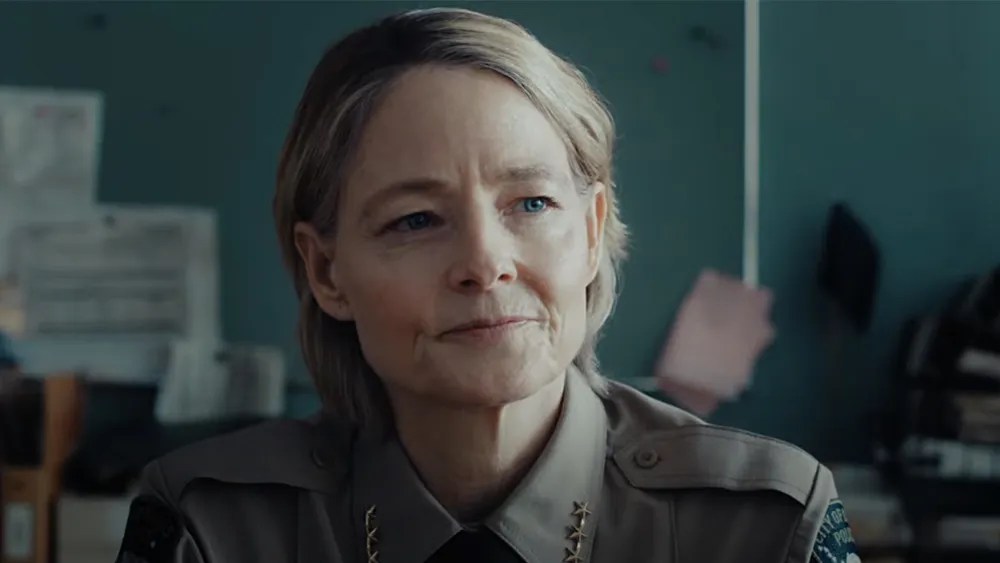


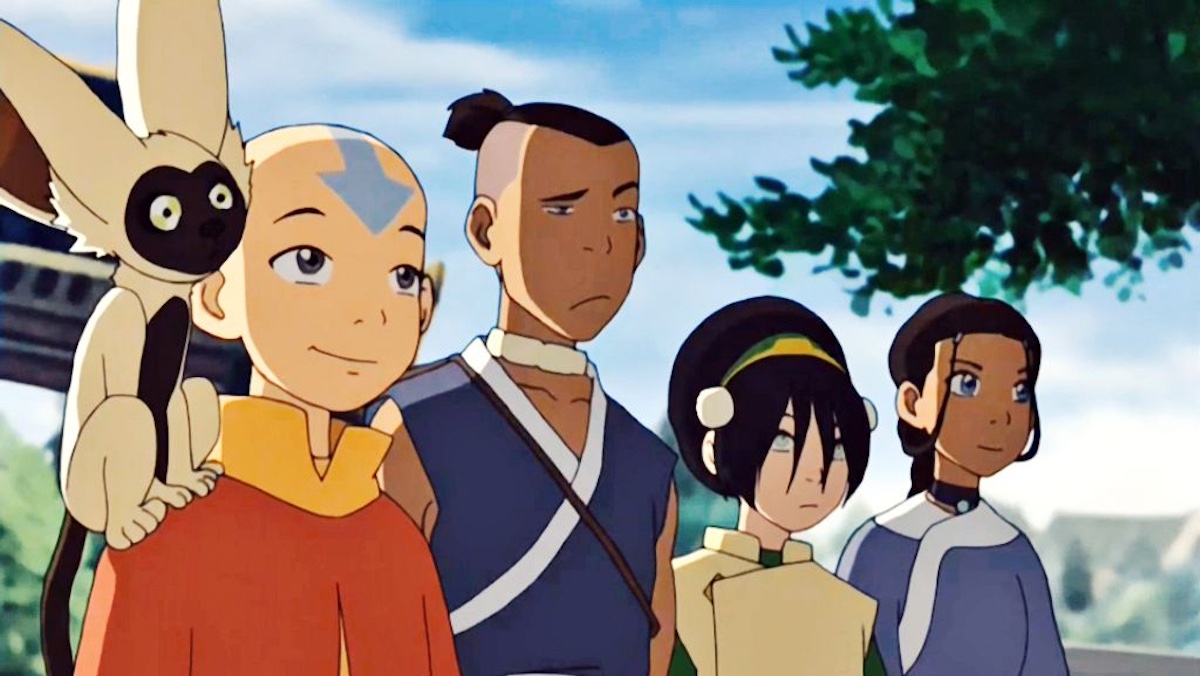


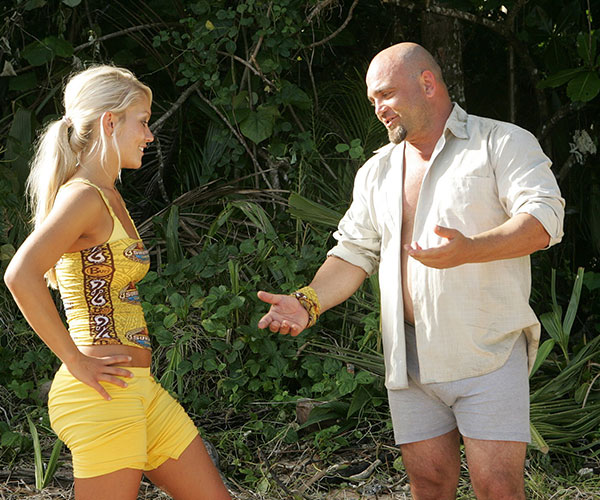



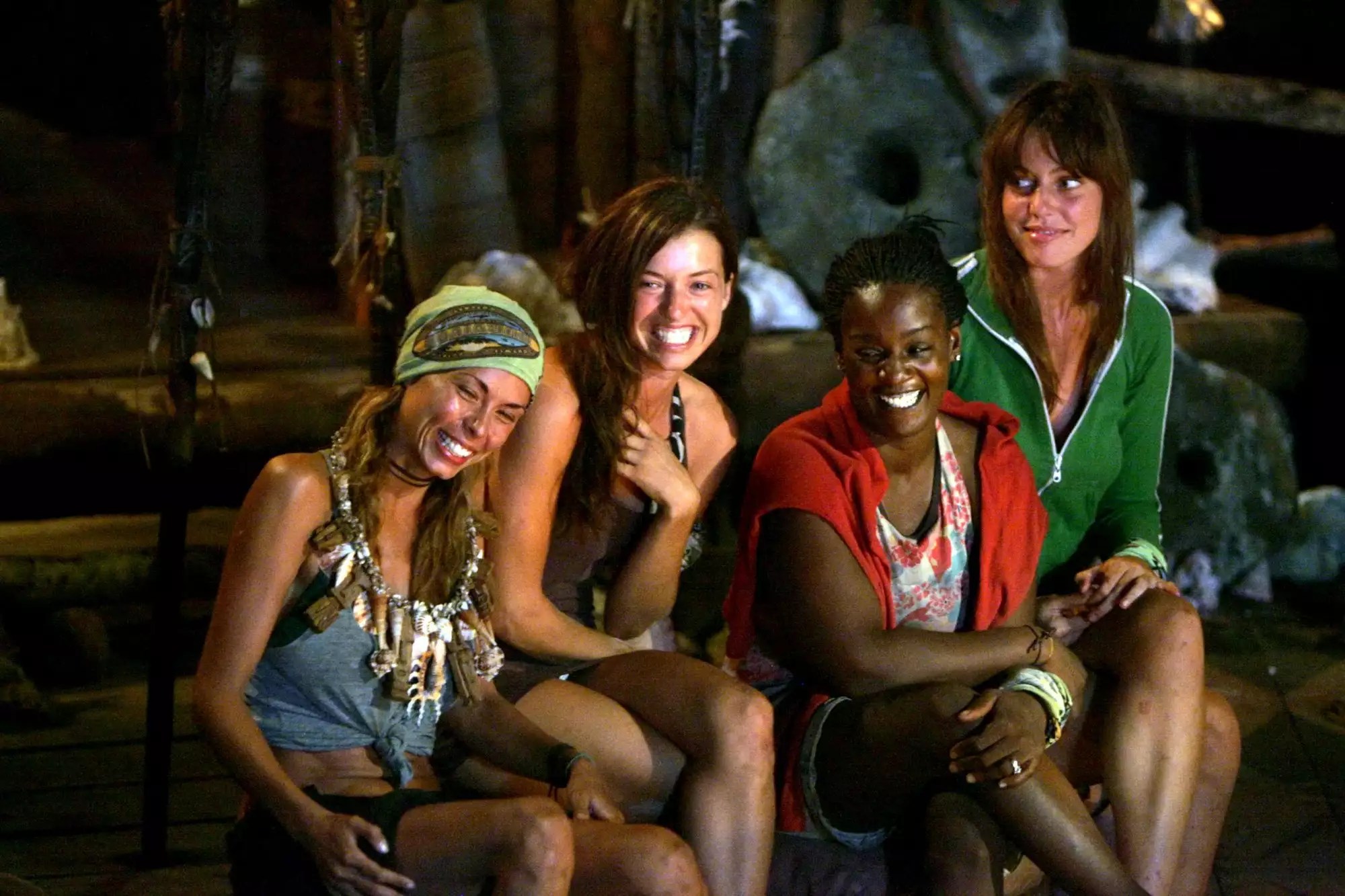


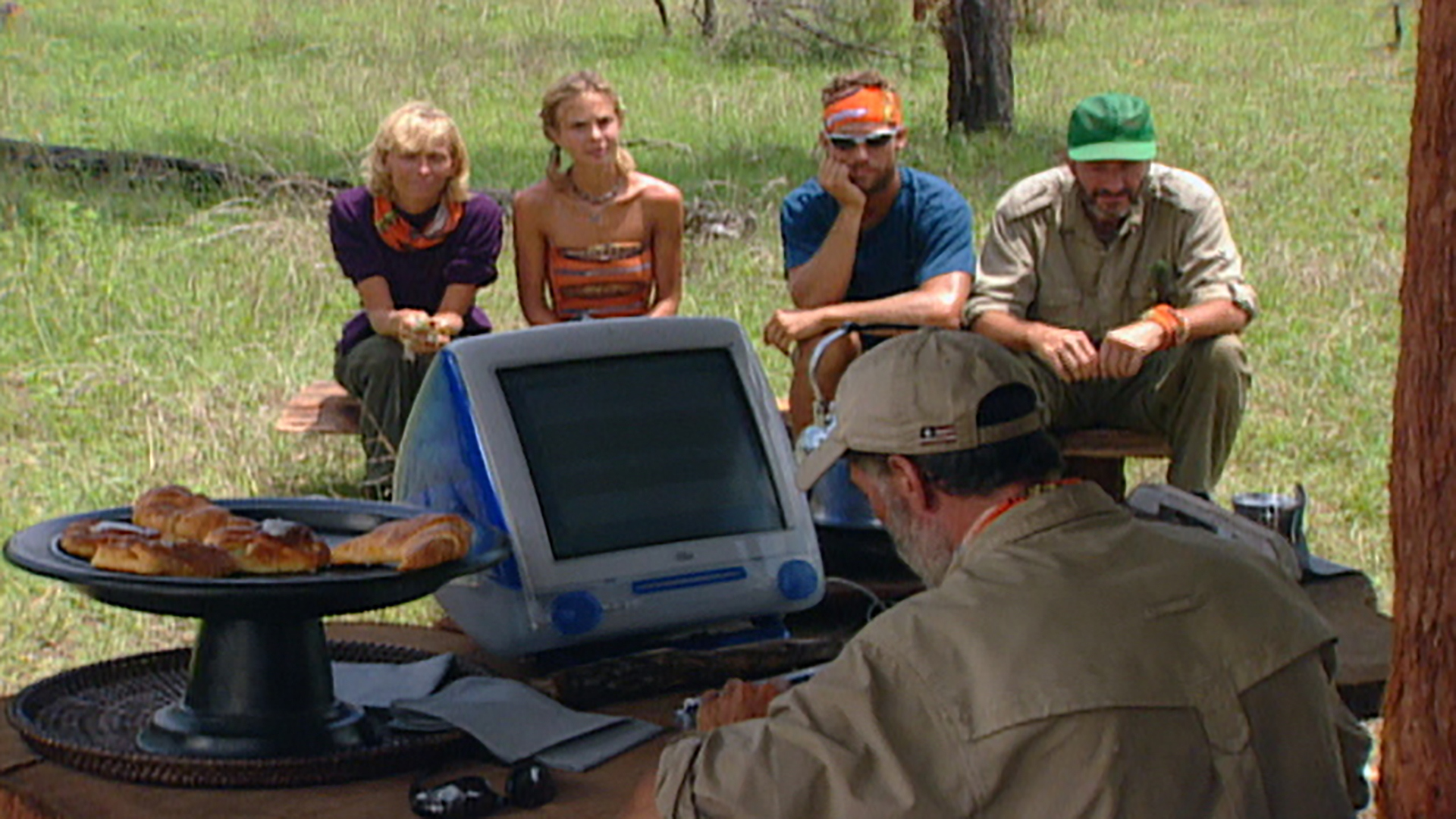
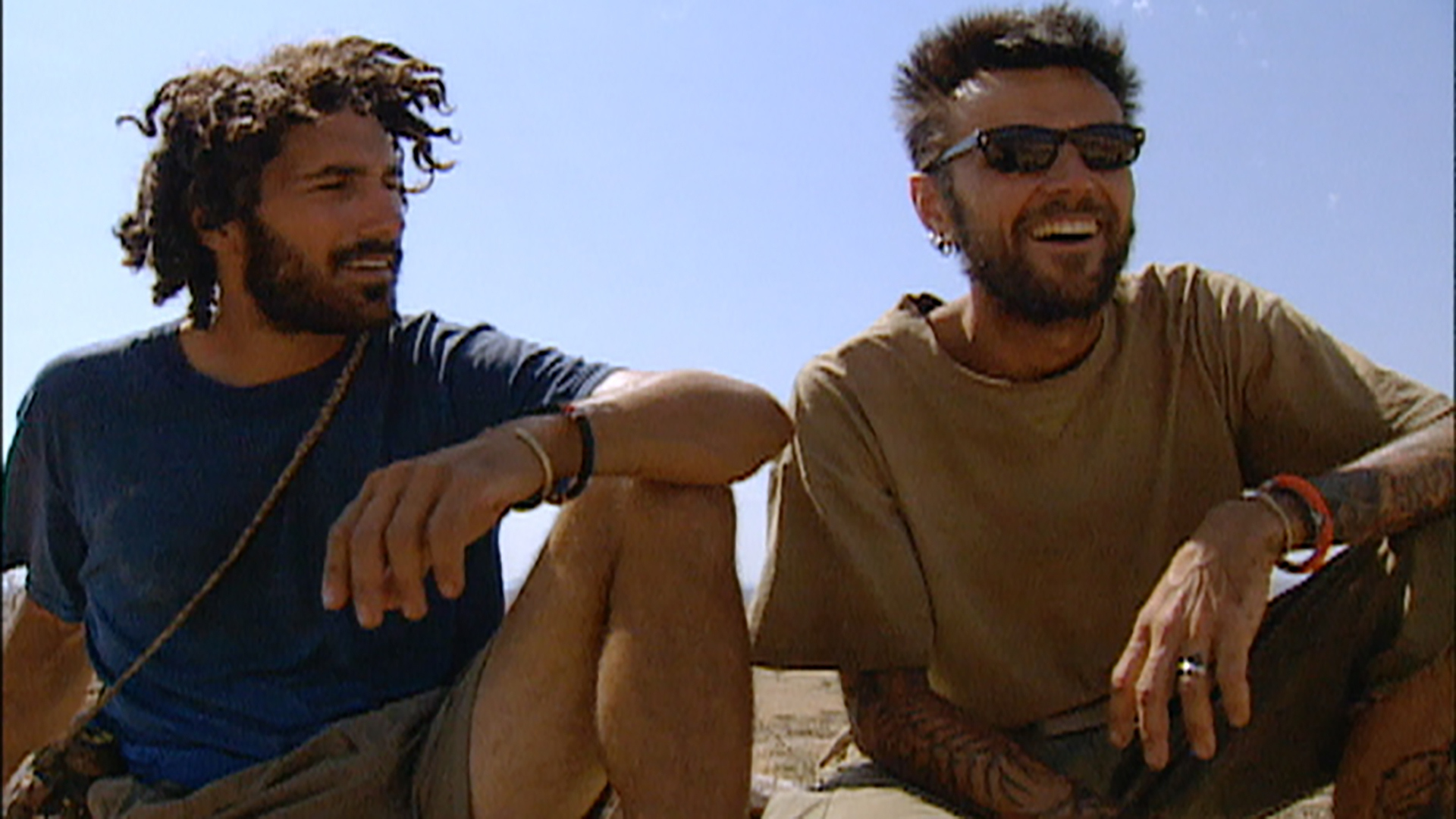


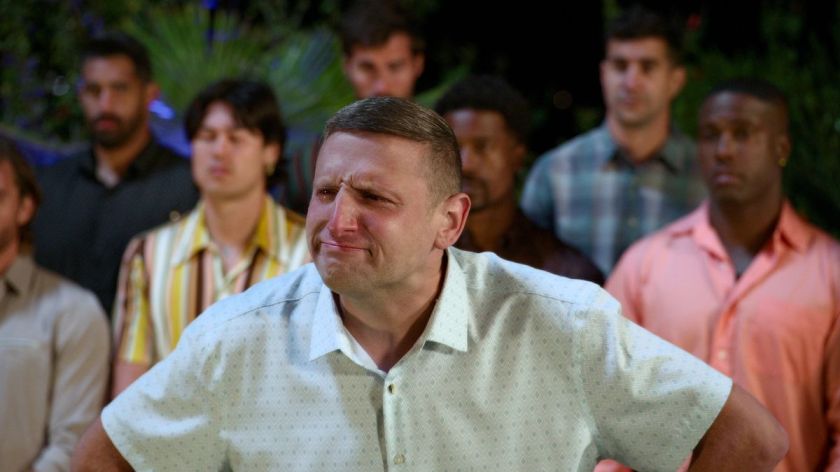
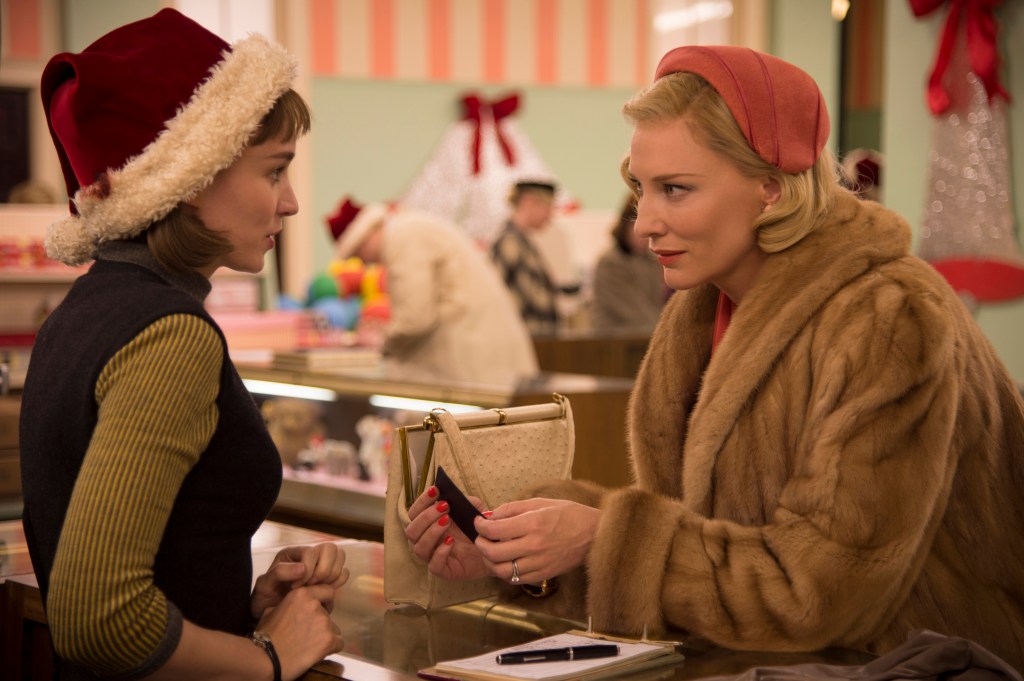


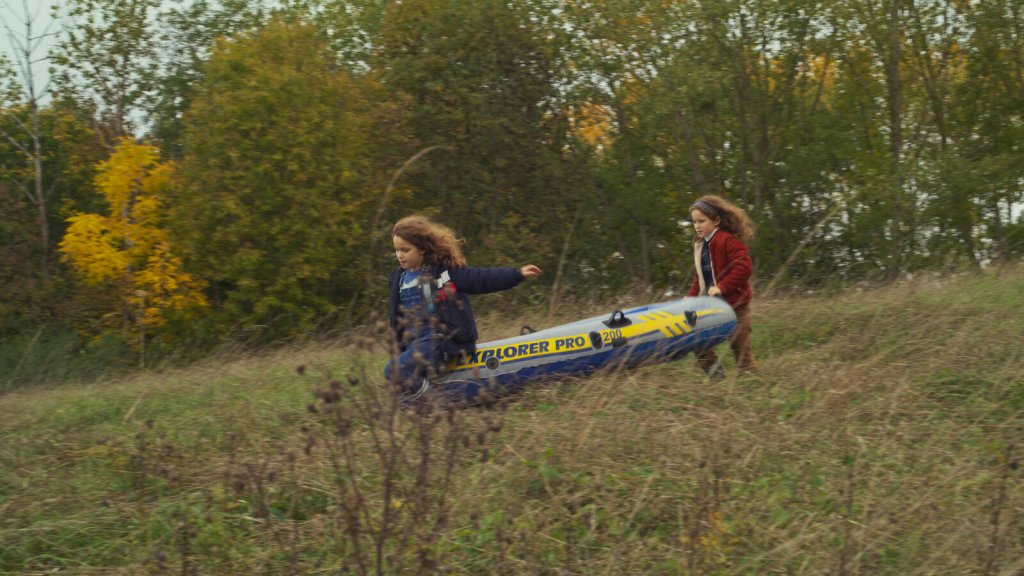
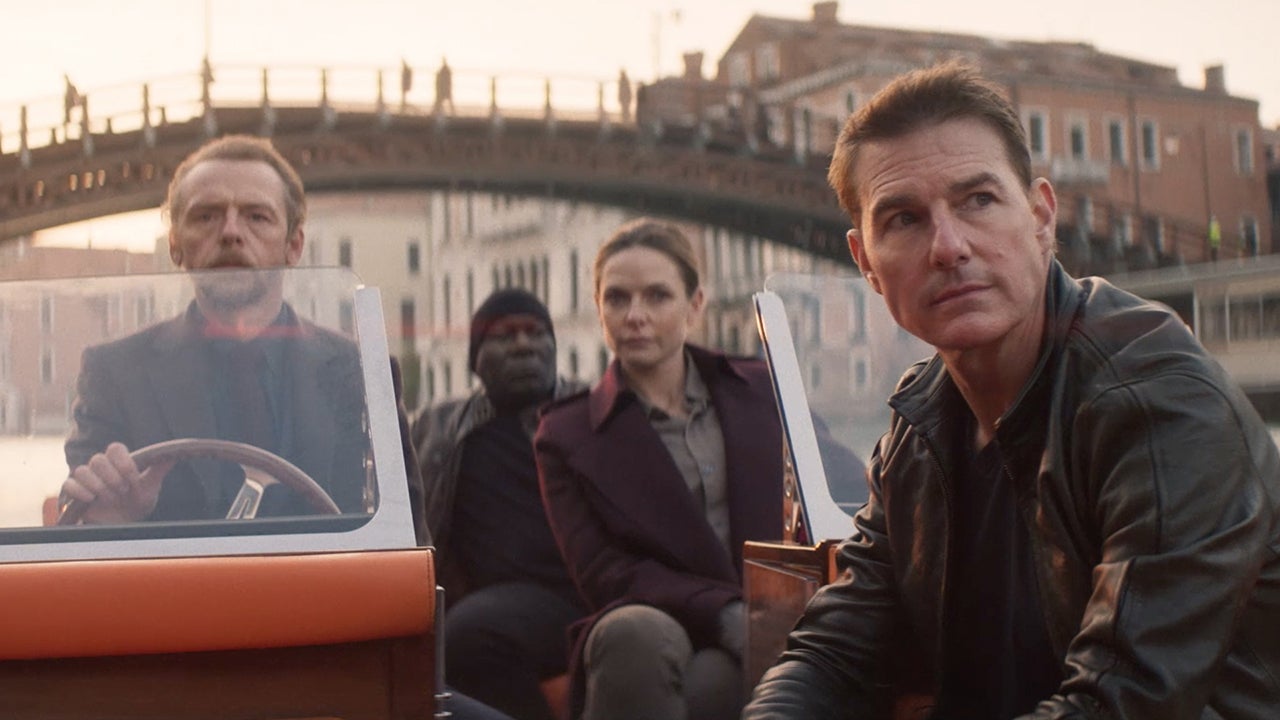
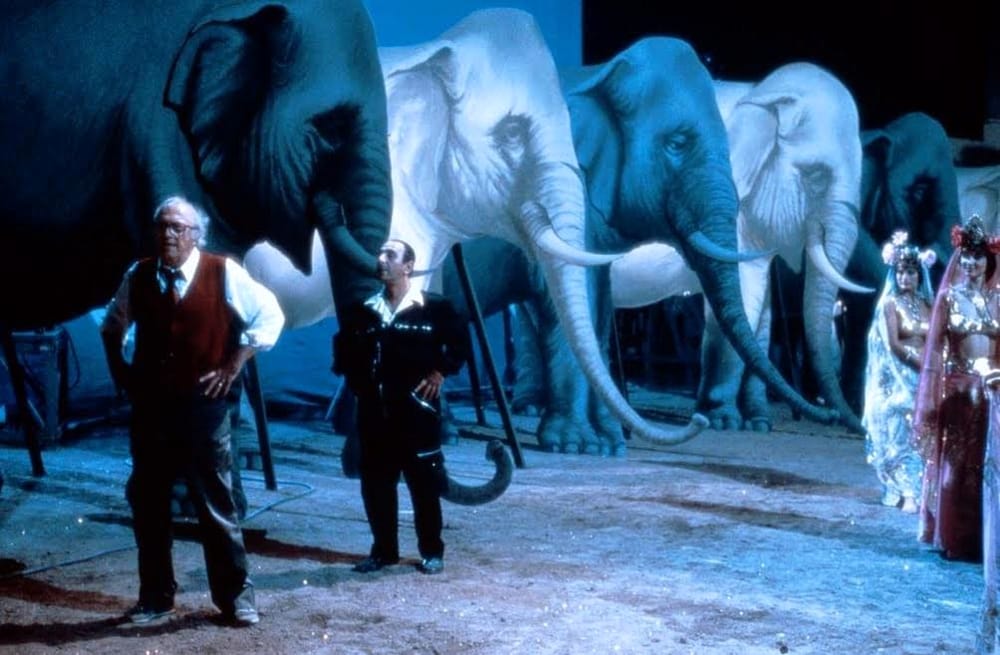
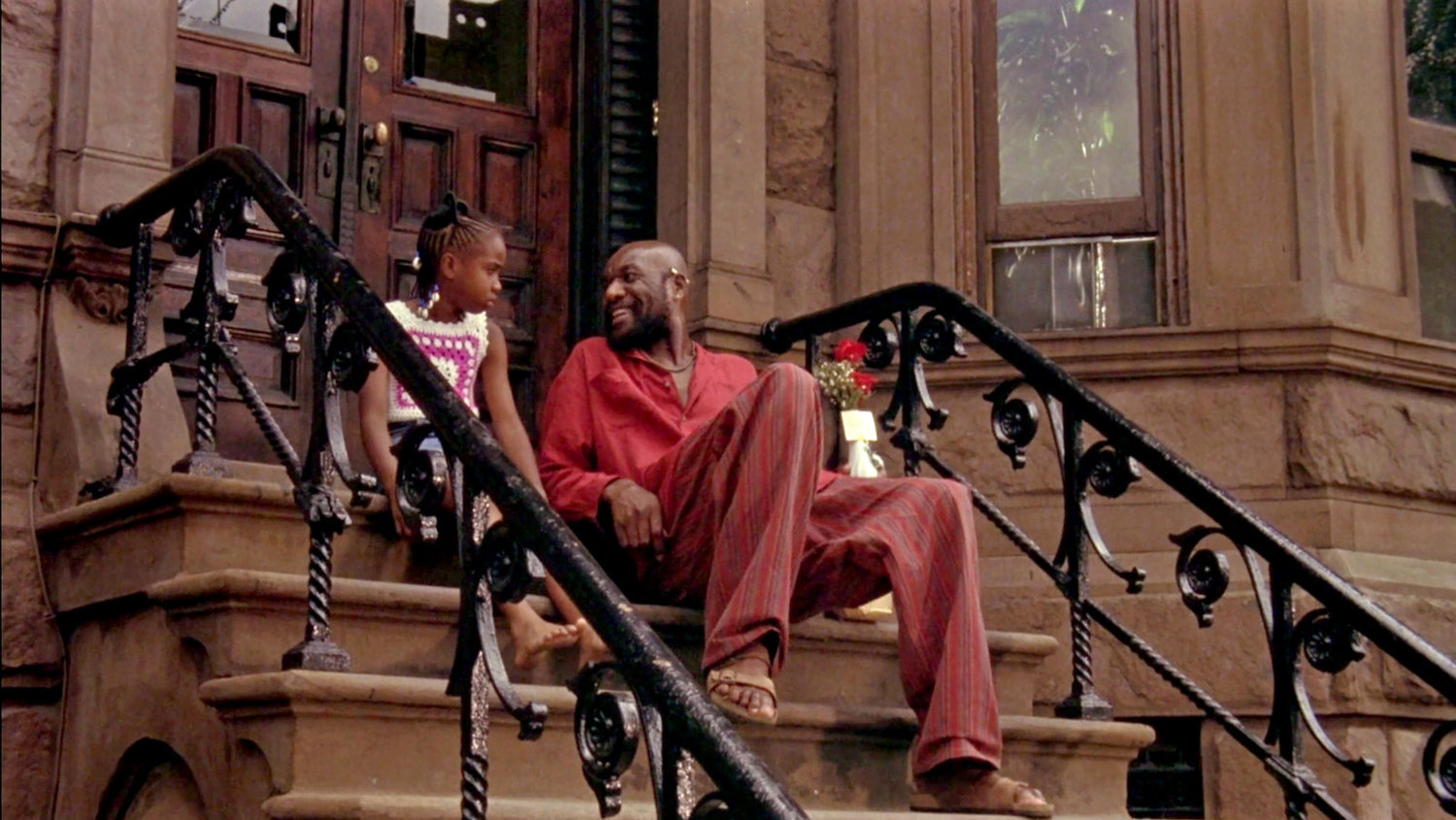
 Sam Writes Shit