1st: After Hours – Martin Scorsese (1985) I loved this. It’s very apparent seeing the influence this movie has had. Something like Good Time feels particularly inspired by it. I’m sure there are dozens of other films and tv episodes. The biggest surprise for me was Griffin Dunne’s performance. Why didn’t he have more leading roles? He’s great in this part in which he has to carry the movie. There are a few things I would question. For instance, I’d be curious to read more on the portrayal of women and gay men in this film. There’s nothing particularly offensive (at least that I could tell), but they’re painted as the loony outsiders compared to Paul. Overall, I thought this movie had so much going for it. The gags are laugh out loud funny and the score is phenomenal. I particularly loved the way Paul’s appearance deteriorates over the course of the film. Grade: B+
6th: Gosford Park – Robert Altman (2001) Wow! I loved this movie. Perhaps even more than I thought it was particularly great. It’s a real showcase for what makes Altman so special. Perhaps ironically, I don’t think this movie ranks among his very best. There is a discrepancy between his non-judgemental worldview and this script’s murder mystery. I also think the first 30-40 minutes are a bit slow. Or rather, they were slow on a first viewing in which it’s impossible to take everything in. But that’s what’s so impressive about this movie! There are over a dozen important characters each with their own history, worldview, and relationships. This movie seems ready to provide as much information as a viewer is willing to work for. And yet, it’s all contained in a tight 2 hours. Grade: B+
11th: Candyman – Bernard Rose (1992) This movie is legitimately very scary. I thought all of the horror elements aged really well. I was shocked by how far the movie pushed the ending. I really thought we were going to watch a baby burn alive. The legacy for this movie seems to be what it says about race. Those elements are certainly there and across the board seem well-done to me. I do feel like the movie is caught between trying to deliver scares and trying to deliver a message. For the most part, it’s succesful at both. But at times, it can feel a bit at odds with itself. Grade: B
12th: Together Together – Nikole Beckwith (2021) Really enjoyed this. Thought it even had flashes of greatness in it. The obvious one is Patti Harrison. I knew she was incredibly funny. I didn’t know that she could carry a movie. She’s so good in this part! To be fair to the movie, I really thought it was moving toward rom-com territory which was something I actively didn’t want. But I was wrong. The two characters don’t wind up together. I wonder if I would have liked this movie even more had I known they wouldn’t end up together? Grade: B-
14th: Barb and Star Go to Vista Del Mar – Josh Greenbaum (2021) An insane movie. It feels like a throwback to those National Lampoon style comedies. That is, of course, with the exception that this film was written by and stars two women. There’s a strange parallel I feel in something like this to postmodern literature. Mainly, that in both cases you have to balance that the piece of art is often actively shitting on its own form. It can be a trade-off. My favorite parts of this movie were those strange, illogical detours. The musical numbers or the talking crab, for instance. And yet, those asides make it difficult to really engage with the rest of the movie. How can you truly invest in the main plot when everything around it is so silly? Grade: B-
17th: Ticket of No Return – Ulrike Ottinger (1979) Unlike anything I’ve seen before. The closest comparison I can come up with is a David Lynch version of Slacker or After Hours. The production is extremely impressive. In fact, without the brilliant cinematography, costumes, and music, this film just wouldn’t work. There’s not enough story. Which really is my only critique of the film. I wish this had been 65 minutes instead of 80. Grade: B-
19th: Scarface – Brian De Palma (1983) I need to read more about De Palma and about this movie. Unless my impression is just way off, this is one of the campiest films I’ve ever seen. I mean, what is Pacino doing in this movie? It’s insane! Before I go further, I would like to say that I did like this movie. And there are sequences that I absolutely loved. The last 30 minutes of the film is incredible. The sets, costumes, and interiors are stunning. They’re intoxicating and spectacularly cold at the same time. That’s more or less what I want to know. My understanding is that De Palma is a good, and maybe even great, director. How much in this film is intentional. How much of this is a glorious accident? I am endlessly fascinated. Grade: B-
23rd: Vivre Sa Vie – Jon-Luc Godard (1962) This film has some of the coolest, most exciting sequences I’ve seen. Anna Karina’s pool hall dance, in particular, is stunning. I also just found myself totally compelled by Godard’s style. For whatever reason, it clicked here with me even more than it did in Breathless. Maybe it’s because this is my second time with Godard? Maybe it’s because this movie has Anna Karina in every frame? She’s magnetic. If I have a complaint, it’s that I don’t really buy the story. I don’t feel there’s much substance behind it. I can’t think of Anna Karina as this woman. But the film’s focus is so heavily on style over substance, it doesn’t really matter. Grade: B
25th: Plus One – Jeff Chan, Andrew Rhymer (2019) A highly enjoyable movie that’s pretty clever. It’s clear that the filmmakers have a great awareness of rom-coms in general. I particularly thought the staging of the film was well-done. That is takes place almost entirely at different weddings was a good conceit. I should also say that this film doesn’t work without Maya Erskine and Jack Quaid as the leads. They’re both great. One thing this film leads me to wonder though, is if it’s even possible to nail down the supporting cast in a movie like this. My biggest complaint with recent rom-coms is that the friends and family never feel like real people. So while the relationship is usually charming, the surrounding circumstances always feel staged. I just don’t buy that any of the families or friends in this film are authentic people. I wonder though if that’s because the world today is so individualized, that’d be impossible to render a broadly authentic friendship? In other words, that a “real” friendship looks completely different depending on the audience member? Grade: B
26th: Baby Driver – Edgar Wright (2017) Edgar Wright might honestly be the best director working right now. From just a filmmaking perspective, this film is impeccably put together. In fact, it’s so seamlessly done, I think it’s easy to lose track of everything Wright accomplishes. I honestly have no idea how he syncs up all of the action in the film to music. I’d imagine that he must have had the soundtrack ahead of time? With that being said, Baby Driver is not exactly my cup of tea. I don’t think Ansel Elgort works as the lead. I also think the last act is a bit of a mess. Fortunately, because of the type of film, those things aren’t enormously significant. Grade: B-
27th: Shithouse – Cooper Raiff (2020) I haven’t been this jealous of a film in some time. I loved this movie. It’s exactly the type of film I’d hope to make. The entire second act, in which Alex and Maggie walk around all night, is perfectly done. The two leads, Cooper Raiff (also the director) and Dylan Gelula, are great. You can feel the chemistry and excitement in their night out. The film is able to capture that special moment when you meet an important person in your life. It also does a great job at rendering a specific aspect of the college experience. Luckily, I wasn’t as homesick in my own college experience as Alex is here. Still, I can relate to some of the depression and malaise he’s going through. Despite all my praise, there are a few things that don’t work about the film. The falling out between Alex and Maggie felt a bit too dramatic for me. I’d imagine there might also be some quibbles about the ending in which they get together. I personally really liked that choice whether or not it made sense. I guess I was just rooting for these two crazy kids. Grade: A-
1st: Summer of Soul (…or, When the Revolution Could Not Be Televised)-Questlove (2021) Talk about a 180. If you read my July movie log, you’ll have seen that I recently watched Woodstock 99. That was a documentary full of compelling footage that couldn’t figure out what it wanted to say. Summerof Soul knows exactly what it wants to say. Questlove does a masterful job letting the performances, festival attendees, and musicians tell this story. Unlike Woodstock 99, it doesn’t need to spend time trying to force a hypothesis at the viewer. In just witnessing this festival, it is clear what the film is saying. I can’t praise it enough. It’s easily one of the best music docs I’ve seen. Grade: B+
1st: A Story of Floating Weeds – Yasujirō Ozu (1934) Meant to watch the other one, whoops! Still good though. I wonder if Fellini’s Variety Lights was inspired by this at all. A lot of similarities. Grade: B
2nd: The Green Knight – David Lowery (2021) I liked this movie quite a bit. I don’t even know if it totally works. The film is far too opaque to answer that question after one viewing. But I think it’s an instance in which an interesting movie can be more enjoyable than a technically perfect one. The weirdness is really what works best. I can’t wait to see it again. Grade: B+
6th: A Confucian Confusion – Edward Yang (1994) I’ll preface this by saying that I watched this on a shitty youtube rip. That being said, this strikes me as a situation in which a filmmaker who is really good (maybe the best) at making one type of movie, makes a different type of movie. It’s not bad, but I couldn’t really sink into it either. Grade: B-
8th: Solaris – Andrei Tarkovsky (1972) Tarkovsky is something else. Watching his movies feels like serving a higher purpose. Getting through them makes me feel like a better person. I wish I could live in the stillness of his compositions. I should note that this is only the second film of his that I’ve watched. But I had an almost identical experience to when I watched Stalker. I was fully absorbed for about 85% of the film but in the last 15%, my attention gave way. Not through any fault of Tarkovsky’s. Instead, it feels like I need to work harder to meet Tarkovsky at his level. There are almost no other films I’ve seen that are so demanding, and in turn, so rewarding. Grade: A-
12th: Untold: Malice at the Palace – Floyd Russ (2021) This documentary is interesting and important. I just wish the outlet were different. This should have been a 2-hour film. Instead, it’s a 70 minute installment as part of a Netflix series. Alas, that’s the world we live in. Grade: B-
14th: The Secret of NIMH – Don Bluth (1982) One of my favorites as a kid. Rewatching this film was almost surreal. I can’t believe how compact everything is. There appears to be a whole mythos behind this story, and yet it’s just touched on. I almost can’t believe how fast it moves. It feels like 3 hours worth of material packed into 75 minutes. Grade: B
17th: Paddington – Paul King (2014) Truly the best. I wish there were 100 Paddington movies. I can’t think of anything more comforting. Grade: A
17th: Paddington 2 – Paul King (2017) Even better than Paddington 1. Proves that good children’s movies are universal. Grade: A
18th: It’s Such a Beautiful Day – Don Hertzfeldt (2012) This was a trip. I had heard so much about this movie, particularly it’s sadness and beauty. What surprises me most is how profoundly strange it is. I did find the film moving, but I’m not sure I could really say why. It’s far too idiosyncratic for that. Grade: B+
22nd: Fantastic Planet – René Laloux (1973) This movie is crazy. It’s strange and intoxicating all at once. I particularly loved the futuristic jazz score. I did feel myself struggling through some of it. It requires attention and patience. Probably more than I had when I watched it. Grade:B-
22nd: Fellini’s Roma – Federico Fellini (1972) This low-key might be my favorite Fellini film yet. He’s made at least 4 or 5 films that are clearly better, but I just love the vibe and feel of this one. It’s a tour of 20th century Rome made in the form of outrageous vignettes. I’d put it up there with Wings of Desire, My Winnipeg, and the other great city portraits captured on film. Grade: A-
25th: Sex, Lies, and Videotape – Steven Soderbergh (1989) Easily one of the best debut films I’ve seen. I love that even though this is pretty far removed from the rest of Soderbergh’s career, you can still see plenty of his signature moves. The best example is in the third act in which we flash back to see what really went down. While this movie was fun and surprising on a first viewing, I’m really excited to dive back in. You can tell that it is overflowing with themes and ideas. Grade: B+
26th: Y tu mamá también – Alfonso Cuarón (2001) Speaking of debuts! This is my favorite movie I’ve seen in a while. I’m not even sure it’s a five-star movie (although it’s pretty close!). The beginning is a little slow. I think I actively dislike the ending. I’d rather the movie not end on such a knowing and final tone. But everything in between is outstanding. It’s one of the best films about adolescence, sex, and friendship I’ve seen. To address the elephant in the room, this is like the horniest movie of all time. I love that about it. Sex is a major part of life. I feel like Cuarón really captures that here. In fact, I think one could argue that sex is one of the things that movies capture least accurately. Anyways, what a film. I can see how this guy went on to win an Oscar. Grade: A-
27th: The Third Man – Carol Reed (1949) I watched this at the Music Box with Wills. The first time seeing this, I was admittedly blown away by the mastery of the filmmaking and particularly the ending. Seeing it with an audience made me realize just how funny this movie is. There are gags and punchlines galore. It’s the type of thing I need to better attune myself to in old movies. I think sometimes admiring the classics can make them feel stilted or artificially perfect. Grade: A-
28th: Ratatouille – Brad Bird (2007) Is this my favorite Pixar film? It’d have to be pretty close. They do a remarkable job of making Remy so likable. It’s just a great story executed to near-perfection. Also, Patton Oswalt has to go down as giving one of the best Pixar performances. Grade: A-
29th: The Incredibles – Brad Bird (2004) I know this has come up as a Pixar favorite. I wanted to see if I could understand the hype. I think, for the most part, I do. Like the best Pixar films, this movie is almost perfectly told while being entertaining as hell. I think the character of Violet really helps carry the movie. Alas though, even here I just can’t care about superheroes as much as I’d like to. There must be some sort of block in my brain. Clearly this is one of the better Pixar films. I enjoyed it a lot. I just don’t think it’s in my top 5. Grade: B
29th: The Incredibles 2 – Brad Bird (2018) A really fun sequel. It still falls into that trap of not being as good as the original. It also reuses a lot of material from the first movie. Still, this has maybe the funniest scene across both installments. I speak, of course, of the scene in which Violet spews water out her nose after seeing that her crush is waiting her family’s table. Classic comedy. Grade: B-
31st: Monsters, Inc. – Pete Docter (2001) Boy, when will I get back to reviewing “real” movies? Just kidding! I think Pixar is great. Especially if you’re interested in writing and storytelling. They pretty much have that on lock. I have to say, Monsters, Inc. may go down as one of my favorites. It’s so sweet. The cast is particularly great. John Goodman, Billy Crystal, and Steve Buscemi are perfect for their parts. I also think this may be the funniest Pixar film I’ve seen. There are great bits of physical (digital?) comedy throughout. Grade: B+
1st: No Sudden Move – Steven Soderbergh (2021) Man, this was one of the movies I was looking forward to most this year. It’s not bad but…you know what, it might be bad. Nothing about this movie really worked for me. Soderbergh is normally so good at the heist movie. He has this trick in which he shows the audience everything and then in the last 15 minutes reveals what really happened. It’s almost like a sleight of hand. This movie felt like a non-stop version of this. As a viewer you have no sense of what is happening until someone stops to explain it to you. On top of all of this, I don’t understand the way he shot this movie. He uses strange lenses to constantly warp what’s on screen. I guess that’s the trade-off with Soderbergh. He’s so exciting because he constantly experiments but sometimes you get something like this where it doesn’t really work. As a silver lining, I do love the cast. It’s fun to watch movies with movie stars. Grade: C+
2nd: Zola – Janicza Bravo (2021) My first movie back at the movies! Thank you Logan Theatre! This was so much fun. I’m kind of amazed at how Janicza Bravo balances everything in this movie. It’s a nightmare odyssey, it’s a comedy, it’s a horror movie. Adding to this difficulty is how Stefani is portrayed. She is partially the antagonist. She’s the reason that Zola finds herself in this terrible scenario. And yet, she may also be a victim. I found it interesting that at a real low point in the film, in which Stefani may be victimized, the movie cuts away to an inventive humorous recap of the events from Stefani’s perspective. Overall, it’s a really tough balance to strike and I think the movie pulls it off. Grade: B
5th: The Pelican Brief – Alan J. Pakula (1993) I wish blockbusters like these still existed. This movie is fun (and a little bit silly) in the best way. It’s a conspiracy / crime thriller packed with movie stars and directed by one of the best. Speaking of which, it makes me wonder if the collaboration here between Pakula and John Grisham is a spiritual pre-curser to David Fincher and Aaron Sorkin’s collaboration on The Social Network. Both movies are an odd pairing of a massively popular writer and an exacting cynical director. While I liked this movie quite a bit, it ultimately is not The Social Network. There are a few too many moments that are just impossible to believe. Still, I was thrilled for most of this movie’s 140 minute run-time. There aren’t a whole lot of movies I can say that about. Grade: B
12th: The Lord of the Rings: The Fellowship of the Ring – Peter Jackson (2001) I don’t know how much I can add to my previous entries about this film except to say that it hasn’t really lost any of its power over me. 20 years later and I’m still amazed at how good this movie is. It feels like the most impressive film of my lifetime. The constraints on what Jackson needed to and did accomplish are mind-boggling. There is so much exposition in this movie and it all works. There is so much CGI in this movie and 99% of it holds up. Across every part he cast the right actors. This is likely the movie I’ve seen the most in my life and I have never tired of it. Grade: A
18th: Yi Yi – Edward Yang (2000) An almost incomparable film. It’s far and way the most beautiful movie I’ve ever watched. I’m still just blown away by it. On its surface, everything in this film works. Yang’s direction is masterful, the performances are breathtaking, the score fits every scene perfectly. But what remains the most impressive aspect of this movie is its scope and storytelling. This film is about so many things, and speaks to each one profoundly. There are themes of age, wisdom, humanity, love, grief, depression, and modernity that Yang details in exquisite fashion. Almost every piece of action or dialogue seems to speak to at least to two others in this film. I’ve just never seen anything so in sync. Despite the cliché, it really is a film that feels like it changes your perspective on life. I love it so, so much. Grade: A
19th: My Winnipeg – Guy Maddin (2007) The first time I watched this was at the end of a run of several Guy Maddin films. My opinion then, was that this was the most accessible, almost “normal” of his films. Rewatching My Winnipeg, I imagine that’s still the case. Even so, this movie is pretty far out there. Luckily, I found that I enjoyed the film this time more than my previous viewings. I would guess that I’ve become more accustomed to unusual and idiosyncratic films since then. In fact, I would say the thing I most appreciate about this film is its general strangeness. Grade: B+
24th: 3 Women – Robert Altman (1977) One of the strangest films I’ve seen. It feels quite different from Altman’s usual movies. It focuses on just a few characters, it centers on women instead of men, and it mostly lives in a dreamy surrealistic landscape. In other words, this isn’t Altman necessarily reflecting back what he sees in the world. To get down to it, I liked it but didn’t love it. I probably would need to see it again for that to happen. Nonetheless, Shelley Duvall and Sissy Spacek are incredible in this film. The film would be well worth seeing just for their performances. Grade: B-
26th: A Brighter Summer Day – Edward Yang (1991) I almost can’t believe that all of this can be a movie. It makes me want to speak in cliches: -It’s a masterpiece -It’s a novel on screen -It will change your life Those all might be true, but feel a bit too hyperbolic to give the film the credit it deserves. So instead, I’ll end this love letter with a quote from Edward Yang that I found particularly inspiring: “There has never been a doubt in my mind that the present desperate shortage of resources, both human and material, in the film industry can be overcome by bringing in fresh blood on a large scale. During preproduction and production, I never hesitated to take on people who were inexperienced…Over 60 percent of my staff and 75 percent of the cast made their debuts in front of or behind the camera. Their untainted attitude and fearless enthusiasm make up for their lack of experience, providing the vital spirit of a fresh new cinema.” Grade: A
28th: Pride and Prejudice – Joe Wright (2005) I think this film is as good an adaptation as you can hope for. The action unfolds with the same force and emotion as the novel. Wright does an impeccable job at capturing the characters and setting of the book. For the most part, moments that are changed in the film are done so because of the medium. In other words, the changes make certain instances more suitable for film than they were originally rendered. But, through no fault of its own, I think the film pales in comparison to the novel. It’s just impossible to capture Elizabeth’s internal life in quite the same way. Moreover, the novel feels driven by its characters whereas the film feels driven as much by plot. Still, I liked the movie quite a bit. I think it’s just a great book, good movie situation. Grade: B
29th: A Town Called Panic -Stéphane Aubier,Vincent Patar (2009) The absurdity of this movie is delightful. Aubier and Patar get so much mileage just from the minor details of their scenes: Mr. Horse’s horse shoes and bedding, the town’s jail, Steven’s farm animals. The movie can lag in parts. It certainly doesn’t have the room to expand upon its 70 minutes. But, if you give yourself up to this town, it’s a treat to watch. Grade: B
30th: Woodstock 99: Peace, Love, and Rage – Garret Price (2021) The footage is incredibly compelling. For the most part, I buy the argument that this was a manifestation of corporate greed and economic disparity. Everything else is a mess. The other arguments put forward are contradictory and convoluted. And why is Moby the stand-in talking head against misogyny and assault? Grade: C
Date Unknown: Bo Burnham: Inside – Bo Burnham (2021) I originally didn’t log this because I wasn’t sure it was a movie. But, the more I think about, the more I’m convinced that it is a movie. What’s more, it’s a pretty great one too. Grade: A-
10th: Klute – Alan J. Pakula (1971) Boy oh boy is Pakula good at directing a conspiracy. I love the way he shoots this movie. Some of the images are just unbelievable. I love his use of shadows, objects, and even the color palette. This movie is kind of a horror movie too. The score is one of the more frightening things I’ve heard in some time. If I had a nitpick, it’s that the romance between Donald Sutherland and Jane Fonda’s characters feels a bit forced. They’re obviously both great looking people, but it’s a bit strange to focus on their budding relationship amidst a serial killer movie. All in all, I quite liked it. I’m excited to watch The Parallax View next. Grade: B+
12th: The Last Detail – Hal Ashby (1971) 70s films are so good. The Last Detail is a delight. The plot and stakes are there, but never forced. In fact, nothing in the film comes before the interactions of the three central characters. It’s one of the best road trip movies I’ve seen. It feels so natural, you can forget filmmaking is happening. I love the way Ashby frequently captures the three characters in the same shot. I love the way he cuts in and out of scenes. These cuts seem to reflect passing time as opposed to any real advance in the story. And I particularly love the ending of the movie. It feels so natural and effortless – something I think is antithetical to most films. Grade: A-
16th: Notting Hill – Roger Michell (1999) I put this on as a film that wouldn’t require too much mental effort. I wanted something that would just be enjoyable. That is what this film is. And yet, for as much as I found the film to be pleasant, my attention was drifting the entire time. I don’t know if it had to do with the stakes, the genre, or just me. But I could not sink into this movie at all. And there are obviously some great things in there. Hugh Grant is unbelievably charming. I love how in this, and in Four Weddings and a Funeral, there’s a great group of friends centered in the movie. It almost reminds me of something like How I Met Your Mother. Maybe I can give this another go when I’m in a different head space. For now though, I have to admit that I was underwhelmed. Grade: B-
27th: Plan B – Natalie Morales (2021) This is a good comedy. Perhaps more significantly, it answers a lot of questions people seem to have about comedies these days. Specifically, whether you can make something raunchy and full of debauchery in today’s “cancel” climate. I put “cancel” in hypotheticals because I don’t think it’s a real thing. Movies like Animal House or The Hangover weren’t canceled. Instead, I think people like me (straight white men) started to see how shitty some of those movies were the entire time. In other words, a small segment of the population is finally taking into account how shitty it is for straight white dudes to make non-straight white dudes the butt of the joke. Which brings back me to Plan B. This is a movie that pulls off the style of a film like Animal House but without objectifying or ridiculing its characters. It’s really funny and really endearing. There were some (brief) sections that fell flat, but again, I was just so impressed with this movie. I’m excited to see what everyone involved in it does next. Grade: B
29th: The Parallax View – Alan J. Pakula (1974) This is an unbelievably cool movie. Everything in it is perfectly in tune. I particularly love the way Pakula shoots it. It appears there’s only one camera, usually at a distance, with most of the frame in shadow. Warren Beatty is amazing. It didn’t strike me until after the movie, but there’s really not that much dialogue in the film. It’s almost entirely action which adds to the overall sense of paranoia. As a viewer you sense things, but you don’t know them. I’m excited to revisit this at some point. My guess is that it rewards multiple viewings. Grade: A-
The first television show that I became truly obsessed with was Lost. As you might imagine, it was a frustrating love affair. And I wasn’t even watching it live! I didn’t have to wait a week between each one of its 121 (121!) episodes. I didn’t have to wait a year between the opening of the hatch and the introduction of Desmond. Still, it was hard not to become disillusioned and frustrated by what that series became (or didn’t become) over the course of six seasons. Here was a show that had maybe the greatest setup of all time and, like Oceanic Airlines, just couldn’t land the plane.
The second tv show that I became obsessed with was Breaking Bad. It’s a series with a more inauspicious start than Lost. In fact, I had a hard time convincing people to watch it at first. I remember one person at a party who told me that if he were going to watch a series about a middle-aged drug dealer, it’d be the comedy about a hot mom selling weed. Although Breaking Bad ended up in a whole other class of show than Weeds, it wasn’t that crazy of an assessment at the time. The first episodes of Breaking Bad were slow, strange, and often incredibly dark.
Ironically enough, it was these qualities that would ultimately set Breaking Bad apart from Lost, Weeds, and pretty much any other show in history. Its approach was actually not dissimilar from something like Lost. Vince Gilligan and his team would think of something amazing (an explosive wheelchair bell for example), put it in the series, and have to write their way to it. The difference from Lost, was that Gilligan and his team were methodical in setting up these moments. They were never afraid to move as slowly and granularly as possible to make these pay-offs work. If you look at my list below, you’ll see most of my favorite episodes are season finales. While these episodes are all amazing in their own right, they wouldn’t be nearly as good without the rest of their seasons, and the entire series, leading up to them.
When I think of Breaking Bad, I think of a series with complete mastery of television storytelling. Some of that was timing and luck. For as much as I have knocked Lost (a show that I do love by the way), it came at a time when series were expected to do 22 episodes a year with no end in sight. A few years later, Breaking Bad had the freedom to tell one story for exactly how long it would take, all while building to a finale that would satisfy its audience.
Still, that freedom shouldn’t take anything from what Vince Gilligan and his team were able to accomplish. Even compared with the other “greatest series of all time” contenders, Breaking Bad stands alone. Series like The Wire and The Sopranos often felt great in spite of the fact they were on tv. David Chase intended for The Sopranos to be a movie. David Simon aspired for The Wire to be a novel. Breaking Bad didn’t just tolerate the fact that it was on tv, it fully embraced the form! In doing so, it was able to tell the single greatest, most pristinely executed, story in television history. Not bad for a show that struggled to compete with Weeds at first.
Season Rankings
4, 3, 5.2, 5.1, 2, 1
Best Episodes
1. Ozymandias – Season 5, Episode 14
2a. Half Measures – Season 3, Episode 12
2b. Full Measure – Season 3, Episode 13
4a. End Times – Season 4, Episode 12
4b. Face Off – Season 4, Episode 13
6. One Minute – Season 3, Episode 7
7. To’hajiilee – Season 5, Episode 13
8. Dead Freight – Season 5, Episode 5
9. Felina – Season 5, Episode 16
10. Salud – Season 4, Episode 10
Season Reviews
Season 1 – 2008 We’re doing it! The last of the “big four” shows (along with The Wire, The Sopranos, Mad Men). It’s a bit strange to end with Breaking Bad. It was the first of these shows that I became a fan of. Honestly, it propelled me into being a tv and movie person as much as anything else in my life. Rewatching this first season I had such a strong wave of nostalgia for all the times I had seen it before. It was kind of surreal! I remember watching it over and over with my friends, roommates, and my parents. In hindsight, it’s shocking that not only did they all make it through the bathtub sequence in episode two, but that the show became a legitimate phenomenon. Out of these four greatest series, it finished its run by being (by far) the most popular show. Really, the only series in the 2010s to eclipse Breaking Bad’s place in the monoculture was Game of Thrones.
Having said all of that, I really can’t escape thinking how insane it is that this show became as popular as it did. Out of any great show I can remember, it has the least assured debut season. There are some technical reasons for that. The writer’s strike cut this first run of episodes from 9 to 7. There were some major decisions that Gilligan and his team made on the fly, the most significant of these being to keep Jesse alive for the rest of the series. But it’s a strange season, particularly with the knowledge of what the show will become.
The lasting impression I have of Breaking Bad is of complete mastery. My recollection of the series is of nothing being out of place, down to the smallest detail. It’s of anecdotes about how the meth lab in the series was so well put together that one could actually cook meth in it. Yet in this first season, there are missteps! We have threads that the series will never explore. The dangling line about Walt needing to call his mom, for instance*. And more than in the later seasons, your suspension of disbelief has to be really high. Walt can just disappear for hours and days on end? At the same time that meth-making equipment is being taken from his lab? All while characters like Skyler can smell it on him? Or how about the end of the season? The explosion Walt causes at Tuco’s HQ is amazing, but how does he not blow himself up?
I don’t mean to knock the series. Even in a down season (relative to the rest of the series), the show is unbelievably entertaining. Gilligan, more than anybody I can think of, knows how to ramp up pressure on all his characters. He does it almost methodically. Walt’s talking to Hank? Why not have Jesse call him at that exact moment? But this is the point I’m coming back to. In the first season, Breaking Bad almost strikes me as the most well-done crime procedural in history. Like if you heard some show on CBS was actually unbelievably good. It reminds me of Lost in that way! The big difference though is that while Lost’s first season was its best, Breaking Bad only gets better from here.
*Edited to add: I was totally wrong on this. In Season 2, Walt will use visiting his mother as an excuse to do a marathon cook in the desert. Moreover, Skyler will confirm that Walt has been lying when she calls his mom and learns he was never there.
Season 2 – 2009 Season 2 is often thought of as the weakest Breaking Bad season. Not that it’s weak, per se, but compared against the rest of the series…well, you know. Rewatching this season, I actually think it’s a small step up from Season 1. The main complaint about this season stems from its ending and the events leading up to it. That’s totally valid. Breaking Bad is a series that prides itself on being as realistic and methodical as possible. The end of this season results in a series of interconnected events in which we see Walt’s actions inadvertently lead to a deadly plane crash over Albuquerque. This interconnectedness even involves him unwittingly having a drink with the father of the girl he will let die in the next episode. It’s something that feels ripped from the Lost universe. Moreover, throughout this season, Gilligan and his team heavily foreshadow a disaster. We repeatedly see wreckage and body bags at the Whites’ house. I have to imagine that some viewers felt let down by the fact that these events end up having nothing to do with the central tension of the series.
But let’s focus on the positives because there is a lot to like in this season. And while Breaking Bad was good from the start, I think this is the season where you first see flashes of greatness. For one, this season introduces us to some incredible characters and actors. You get Krysten Ritter’s Jane, Giancarlo Esposito’s Gus, Jonathan Banks’s Mike, and Bob Odenkirk’s Saul. Gilligan also lets Walt and Jesse’s relationship really flourish. Plus, we get to see Jesse as a person outside of Walt’s universe for the first time. I also think this season is a great showcase for Gilligan’s writing style. We see countless incidents of Walt and Jesse being in impossible jams and somehow working their way out of them. It’s something that will only get better as the series moves forward.
More or less, I think that’s the takeaway of this season. In a vacuum, perhaps Season 1 is better than Season 2. It is certainly a much tighter and focused season. But Season 2 is where Breaking Bad starts to feel like the show it will ultimately become. There are some hiccups along the way, but I’m not sure that the final seasons of the series would have been nearly as good without it. I suppose we’ll find out!
Season 3 – 2010
As you can tell from reading these previous entires, I have become a bit consumed with the question of what is the greatest show of all time. Having watched The Wire, and rewatched The Sopranos and Mad Men, all I’ve learned is that whichever show I think is the greatest is likely the one I’ve watched most recently. I honestly don’t feel any closer to being able to say that one is definitively the best. However, after rewatching the first two seasons of Breaking Bad, I did have the sense that for as much as I like it, it was one show I could take out of the running. While its first two seasons are good, they’re certainly not The Sopranos good. So what happens in Season 3? Breaking Bad more or less delivers the greatest season of television ever. So much for an easy out.
So how does Breaking Bad get so much better at this point? The stakes, for one, are much higher. In the first two seasons, Walt is mainly dealing with the prospect of being caught. Here, he has to face the prospect of getting him, and maybe his entire family, killed. What else? The antagonist here, Giancarlo Esposito’s Gus, is not only a level up from Tuco or the DEA, he’s one of the best television villains ever. Along with Jonathan Banks’ Mike, Gus presents a foe that Walt and Jesse can’t outsmart. What’s more, Gilligan brings us behind the curtain for scenes with just Gus. We never had sense of Tuco as a person outside of seeing him with Walt and Jesse. Here, we see just how smart, methodical, and ruthless Gus is. Frankly, we know Walt and Jesse are in a jam even before they do.
As much as all of those things add up to an unbelievable season (which they do), the thing I’m most struck by is the run of all-time episodes that Season 3 goes on. “Sunset,” “One Minute,” “Half Measures,” and “Full Measure” are all unimpeachable hours of television. They also exhibit Breaking Bad’s greatest strength. In each of these hours, Gilligan presents us (and his characters) with an impossible dilemma. We’re forced to root for outcomes that go against our best instincts. In “Sunset” we root for Walt and Jesse to outsmart Hank. Yet, in “One Minute” we root for Hank to survive, even if it keeps Walt and Jesse in peril. This idea is taken to its most extreme in “Full Measure” in which we are forced to root for Jesse to kill an (almost) innocent man, Gale, in order to save himself and Walt. It’s as high-level storytelling as you can do and it’s perfectly executed. Television literally doesn’t get any better than that.
Season 4 – 2011 The end of Breaking Bad’s fourth season is the best any tv show has ever been. It is quite literally the peak of peak tv. I don’t even think it’s that close. I’ve now watched this run of episodes at least a half dozen times and it still mesmerizes me. I can’t even imagine the thrill of watching this run, and in particular the final two episodes,”End Times” and “Face Off,”with fresh eyes. So because of this stretch of episodes, I’ve always defaulted to the thought that Season 4 is the best season of Breaking Bad and maybe any show ever.
Now, compared with the previous season, the beginning of Season 4 is a little slow. Well, maybe not the season premier, “Box Cutter,” which has one of the best and most chilling moments in the series. But after that, the next few episodes are a slow and steady escalation of the stakes in the series. We don’t have the wild mid-season thrills of “Sunset” or “One Minute.” So in a vacuum, perhaps Season 3 actually has more highs than Season 4?
But, as I’ve already said, the end of Season 4 is the best any show has ever been. So how can I really lament a slow build-up to get there? Especially because it’s in this relatively slow build up that the show establishes so many incredible dynamics. It sets up Gus as an impossible foe and maybe the best villain in television history. It forces what seems like a permanent wedge between Jesse and Walt and even gives Jesse a new mentor in Mike. It puts Hank right on the heels of Walt, Fring, and the entire Los Pollos Hermanos operation. And it forces Walt, without money or a friend in the world, to laugh hysterically to himself as he faces his imminent death in that crawl space.
The best part about these threads is that none of them are independent of each other. Logically you can’t root for both Gus and Walt. But how can you root against Gus when he methodically takes out the entire Don Eladio cartel? Or against Walt as he rigs together the most unexpected explosive device of all time? The same goes for Hank. You desperately want him to discover the truth of Los Pollos and yet that would put an end to Walt, Jesse, Mike, Gus, and the entire series.
The brilliance of Season 4 is that it puts every character in an impossible predicament and somehow works its way out of it. Obviously some characters don’t survive, but even when they die they go out in spectacular fashion. My point with all of this is to say that the last minute of Season 4 remains just about the greatest thing I’ve ever seen. I’ll never forget the first time I watched it. Even knowing what happens, I still get chills watching it unfold. It’s the cap to a perfect season, probably the best in the television history.
Season 5, Part 1 – 2012
In some ways, the first part of Breaking Bad’s final season feels like a victory lap. Within the series, the table is almost entirely reset. Gus is gone, the meth lab is destroyed, Hank and the DEA are (temporarily) off Walt’s trail. As Walt put it at the end of Season 4, he’s won. I remember watching the show live and wondering what they would really be able to do for this final season. You could have seen a world in which the end of Season 4 was the end of the series.
On top of all of this, Season 5 marks the point at which Breaking Bad exploded in the monoculture. Everyone had finally caught up on Netflix. In just a couple of years the show went from being a hidden gem to prime contender as the greatest series of all time. There’s no way of knowing, but it feels like this knowledge bleeds into the series. Breaking Bad in Season 5 is far more daring and confident than ever before. It almost mirrors Walt’s own cockiness.
Which is where I’ll say that I mean all of this in a good way. I think this swagger was incredibly beneficial at this point. As I’ve already said, Season 5 starts out as something of a blank slate. The show has an almost impossible task. It has to reel us back into an entirely new operation, all while knowing that whatever Walt and Jesse get into, the end is right around the corner. Think about the Los Pollos operation. That plotline extended from the middle of Season 2 all the way to the end of Season 4. The series has nowhere near that amount of time left. On top of that, there’s certainly an element of disbelief to everything Walt does at this point. He just survived Season 4 by the skin of his teeth. Could he really convince everyone to get back into business?
This is where Breaking Bad’s new self-assuredness kicks in. It helps gloss over these inconsistencies and cut-corners (features which had never existed in the series’ history until now). There are a couple of hiccups. Mike’s death feels a bit unlikely. Other plots, like Walt and Jesse’s relationship, feel rushed. But these moments are overshadowed by the thrills of the season. The magnets plot in the premiere and the train robbery in episode 5 are all-time highs. The same goes for the brilliant montages and musical cues. The “Crystal Blue Persuasion” sequence, in particular, is wonderful. Most importantly, this season nails the most important moment of the entire series. In its final minutes, Hank realizes who Walt really is. It’s the moment we’ve all been waiting for and the perfect transition to the end of the series.
Season 5, Part 2 – 2013
I recently wrote about how I had come around on Mad Men‘s finale to the point where I thought it might be the strongest of any great show. While initially I found it disorienting and anticlimactic, in rewatches I’ve admired its subversiveness and complexity. The series closes with each of our main characters in unfamiliar destinations. Pete Campbell becomes a family man, Peggy falls in love, Joan chooses work over a relationship, Don finds (some) peace. I really admired that Weiner chose to have his characters grow and change even when it seemed counterintuitive to the show we had been watching.
Watching the last season of Breaking Bad, I have to wonder if subversion and complexity is overrated. Breaking Bad‘s final stretch of episodes is so good, and so fitting to the show that it is, that you almost wonder if it were preordained. It’s hard to imagine that this is the work of writers sitting in a room and figuring it out. It’s that good! And after watching this ending for a second time, I can’t imagine what it would have looked like had Gilligan and his team gone in any other direction.
Now, Breaking Bad and Mad Men are two very different shows. And while I think Mad Men did right by having characters grow and change in its final stretch, Breaking Bad does right by doing just the opposite. This final stretch of episodes centers on Walt finally reaping what he’s sowed over the course of 4 and a half seasons. It’s not about growth and transformation. That’s already happened. The ending of Breaking Bad is about a man who can no longer escape the transformation he’s undergone. In some way, it’s about whether he, and the people around him, can finally accept it.
What’s really amazing to me about Breaking Bad‘s final stretch of episodes is how it fits everything the show has done before, but to a biblical scale. Throughout the series, we’ve watched as Walt and Jesse are driven against each other. We’ve watched as their plans have gone disastrously awry. We’ve watched how every solution they come up with, no matter how miraculous, just leads to a bigger problem. So how does this final stretch of episodes end? Hank exploits Walt and Jesse’s fractured relationship to catch Walt. Walt’s solution, to have Uncle Jack and the Neo-Nazis kill Jesse, goes disastrously awry. Walt manages to avoid being caught and arrested, but gets Hank and Gomez killed in the process. To top it off, he hands Jesse over to Uncle Jack out of sheer spite.
As a viewer it makes you face everything you’ve rooted for and liked about the series with a new perspective. Walt is acting no differently from how he’s behaved all series. But now, his pride has gotten Hank and Gomez killed. It’s gotten Jesse captured by a group of villains so evil that we can’t even root for them.
Honestly, the series could have ended there if it chose to. It would have been a perfectly fitting, albeit dark ending. But, I have to say, I’m thankful that Gilligan and his team decided to give the audience a little salvation. Sure, Walt can’t right the wrongs he’s committed. But he can use his brain for one more amazing, impossible solution. It’s the best of everything that Breaking Bad has been or done, and it’s the perfect send-off to the series.
Appendix
Attached are reviews from my first two viewings of El Camino, Vince Gilligan’s 2019 Breaking Bad movie. The first is from when the film first came out. The second is from a rewatch after revisiting the series.
2019 Review
In many ways, this is the ultimate tv movie. I think your enjoyment of the film will be a 1:1 correlation with your enjoyment of Breaking Bad. This film does not work if you have no knowledge of Breaking Bad. The film also operates more closely to a television show than a movie. We follow Jesse through what feels like three compressed episodes of Breaking Bad. In the show, Gilligan would meticulously show what his characters were doing before unveiling the central dilemma. It works in that format because these instances are short and contained. We are compelled by the mystery, get a deeper level of the story with a reveal, and return for the solution. This is not how movies are typically set up. Here, for instance, the first act essentially starts with Jesse arriving at Todd’s house. In a normal movie, we would know why he’s there and what he needs. We don’t have that information in El Camino. We follow Jesse simply because we’re already watching the movie. Over the course of the second act, Gilligan explains what Jesse is doing, and the stakes and significance of why he’s doing it. All of that is to say, I think it still works. Breaking Bad is my favorite tv show of all time. This movie is on par with its good episodes, though maybe not its great ones. Gilligan remains the best filmmaker at presenting an unsolvable problem and having his character figure their way out of it. The way the fridge and the shootout unfold are both masterfully done. I did enjoy the cameos and flashbacks. Often, I felt like they provided a deeper level of reason and pathos for the events of the movie. Some of them were certainly more “fan service-y” than anything else. But hey, I’m a fan. This film was extremely well done and continued my favorite show of all time. To knock it for not being masterful feels unfair.
2021 Review When I first watched this film, I praised it for essentially being three good to great Breaking Bad episodes rolled into a movie. However, that was my assessment after not having seen Breaking Bad since it left the air in 2013. Watching it after bingeing the series, I have to say it doesn’t quite rise to that level. Which, to be fair, makes sense. Breaking Bad is maybe the greatest series of all time. Its stretch-run was as close to impeccable as you can get. Moreover, how could you have a great episode of Breaking Bad without Walt, Skyler, Hank, Marie, Saul, or Mike? My point is that El Camino is good, but it’s not that good. I should say, everything in this movie is, of course, extremely well-done. The performances, the writing, and the direction is all top notch. Frankly, Gilligan is as good as anybody at what he does. But there are some elements that don’t work perfectly. The movie has to employ flashbacks to include the other Breaking Bad characters we want to see. It strikes me that this movie is in a kind of no man’s land. It’s not at the level of the best Breaking Bad episodes and it’s not really capable of being a standalone movie. Still, this is two more hours of Vince Gilligan and Aaron Paul exploring the Breaking Bad universe. I would be a fool to complain about it.
InvisibleMan – Ralph Ellison (1952) When I was buying my course books during one semester in college, I accidentally grabbed this novel (it must have belonged to a course whose books were next to mine at the store). So ever since then, Invisible Man has been on my list. In fact, I’ve pretty much regretted not having read it since then. The novel always comes up on lists of the best or most important novels. Over this past year, it came up often as a piece of literature that white Americans should read to better understand race in this country. I guess what I’m trying to get at by mentioning all of this is that I had a lot of expectations and preconceived notions about InvisibleMan before finally reading it. And I have to say that while the novel lived up to my loftiest expectations of quality, it was far different from what I expected.
To be honest, I’m surprised this novel doesn’t have an even greater reputation than it does. My expectation of Invisible Man was that it would be a late modernist work that tackled race. Something along the lines of James Baldwin or Toni Morrison. And as much as I like both of those authors, this novel is not that. The first thing I was struck by was how postmodern this book is. It is strange, funny, zany, and occasionally profane. In terms of writing, it would fit neatly beside Gravity’s Rainbow or White Noise. Honestly, I kind of think Invisible Man is even better than those novels. First, Ellison uses his postmodern style to highlight issues of race, something that most other postmodern books don’t bother with. Second, Ellison wrote this novel ten years before Pynchon and twenty years before DeLillo started tackling postmodernism. It’s surprising that as much as I heard that Invisible Man was a classic, I never heard that it was groundbreaking in terms of style.
Ironically, now that I’ve read this book, I kind of regret the timing of when I read it. To be clear, this is just a minor gripe. I am glad I read it. But it is a long, dense, sprawling book, and it came at a time in which I had a lot of things on my plate. It’s the type of book that I wish I had read in a week instead of a month. You know, now that I’m writing this, what I really want is that I had just been in whatever class was studying it. Every sentence is so beautifully written and packed with meaning. I know that it would reward further study. I suppose I’ll just have to reread it.
February
Mad Men Carousel – Matt Zoller Seitz (2015) One of the highlights of the past year (of which there have been relatively few, thank you pandemic) has been diving into these critical companions. So far, I’ve done Seitz’ Wes Anderson Collection as well as his and Alan Sepinwall’s TV: The Book and The Sopranos Sessions. As much as I’ve admired all of those, I think that this Mad Men one is maybe the best. It strikes me that Mad Men is a show that is particularly ripe for analysis. Seitz’s writing throughout the companion book is thoughtful, provocative, and insightful. One of the series’ greatest strengths was its breadth. There are more than a dozen significant characters in each season. Seitz does a remarkable job at illustrating how the many storylines in each episode and season mirror other events in the series. I’ll miss reading these essays almost as much as watching the episodes they cover. I’d think that has to be about the highest praise you can give to a collection of criticism.
March
A People’s History of the United States – Howard Zinn (1980; 2015) I don’t really even know where to begin. I’m glad I read this book. More than anything, I’m thankful that a book like this exists. Even as someone who considers themselves moderately woke, this book reveals an even darker history of this country than I previously realized. It’s maddening to think we live in a country with a past full of abuse, genocide, and deception of which many (if not most) citizens don’t even know about. Of course, as this book clearly lays out, that’s intentional. It’s in keeping with the primary motivation throughout this country’s history: to protect a small, elite class of citizens.
I think the most depressing part of this book was learning the history of dozens of events that I hadn’t even heard of. There are entire wars in this country’s history that I was never taught about. I couldn’t have told you about the Philippine-American war fought at the start of the 20th century. Or of our military efforts and attacks in Nicaragua, Granada, Lebanon, El Salvador, or Panama. The same goes for moments of (relative) triumph not covered in history lessons. The rise of the early 20th-century Socialist movement or the Labor movement’s success in the 1940s; Movements that indicate a potential future of this country different from the past.
I do have to be honest though and say that I am relieved to be done with this book. While incredibly informative, it has also been tremendously depressing. It’s hard to read through these 600+ pages of repeated abuse and not think this country is hopeless. And yet, I don’t think Zinn thought that redeeming this country was hopeless. Time and again, he points to the resiliency of this country’s people. Of Native Americans and Black Americans continuing to fight for justice after genocides against their people. Of the rise of the Women’s Labor movement in the late 19th century to the Women’s Rights Movement in the early 20th century to the Feminist movement in the 1960s and 1970s. Of millions of Americans (and eventually a majority of the country) who demanded an end to the Vietnam war. The most important lesson from reading this book is that we don’t have to continue on like this. However, it requires acknowledging the true history of this country before we can put an end to it.
V. – Thomas Pynchon (1961) This marks the fourth consecutive year that I’ve read a Thomas Pynchon novel. V. like The Crying of Lot 49, Gravity’s Rainbow, and Mason & Dixon, is complicated, meandering, and incredibly difficult to assess from a standard plot perspective. Yet, like those other works, there is something hypnotic in its madness. It’s another case in which I spent the entire book trying to “figure it out,” only to reach the end feeling as confused as ever. But it’s not confusion that I am disappointed by. I don’t feel like Pynchon failed in any way in laying out his story. On the contrary, his message seems to be in the madness itself.
My (quite basic) assessment of Gravity’s Rainbow is that Pynchon was using all of this insanity (the characters, the metaphysics, the profanity) to make a general point about war. That the more you look for reasons for these questions, the more you’ll realize it’s all arbitrary. You spend most of that book following a character as he attempts to discover the correlation between his erections and the locations of V-2 bombings. Pynchon’s point is that this character’s erections are as good a reason as any for why, when, and where bombs are dropped.
In that sense, V. feels like something of a prelude to Gravity’s Rainbow (note the tie between V. and Gravity Rainbow’s central theme: V-2). We follow a group of characters who are linked in mysterious ways. Some, like Herbert Stencil, actively pursue an investigation into the mysterious identity of the titular V. Others, like Benny Profane, do all they can to avoid it and wind up in the pursuit all the same. We even have characters and stories, like Kurt Mondaugen and the history he relates of the Herero Genocide, that go on to play bigger parts in Gravity’s Rainbow.
In short, I think Pynchon’s aim here is just about the same as it is in Gravity’s Rainbow. He weaves an impossibly complicated tale in order to reflect some of the madness of the world. Trying to parse it out is difficult, if not impossible. Which is a fact he doesn’t hide either. Pynchon tells us that some of these chapters and passages have been fabricated (or Stencilized). But that doesn’t mean there isn’t any meaning in it. Quite the opposite, I think. Perhaps it’s like analyzing a dream? You can learn a lot from it, but maybe not exactly what it means in any linear, logical sense.
Breaking Bad 101 – Alan Sepinwall (2017) Boy, it’s really going to be a drag to watch television without one of these companion books. As with The Sopranos Sessions and Mad Men Carousel, reading this book was a wonderful way to supplement my Breaking Bad binge. Sepinwall is a really sharp, insightful critic. He’s able to point out things I hadn’t paid much attention to. He even highlights a few items I had missed completely. If I had one complaint, it would be that these recaps are briefer than those in The Sopranos and Mad Men books. Alas, Breaking Bad is a different show from those series. It relies more on execution and design than thematic complexity. So maybe it’s fitting that, like the series itself, Sepinwall is direct and concise in his analysis. But really, my point is that while I am happy to read this 284-page book on Breaking Bad, I would have happily read the 600-page version.
April
Antkind – Charlie Kaufman (2020) How do I even begin assessing this book? I guess to start with, it doesn’t work. Or at least, I don’t think it works. It devolves into a hyper-complex, dream-state, blurred reality that only Kaufman could come up with. Maybe it does work and I’m just unable to see how it comes together through this madness? To that end, I’m not sure I’ve ever read a more self-indulgent book. It’s literally 700 pages of absolute chaos. On the other hand, there are stretches of this book that are among the funniest things I’ve ever read. I think you can easily argue that over half of this book is ingenious. I flew through the first 400 pages solely on Kaufman’s writing. It’s an interesting question. Would this book be the same if it were cut in half? Undoubtedly, I think the novel could have used a more scrupulous editor. But does Kaufman reach the same highs if someone is reigning him in? Or, to get the ingenuity, do you need to give Kaufman the ability to write however much he wants to? For now, we’ll never know. Perhaps he can write a more modest novel to answer the question.
It’s Garry Shandling’s Book – Ed. Judd Apatow (2019) I was born too late to really appreciate Garry Shandling. I honestly didn’t have much of a sense of him until Judd Apatow’s amazing documentary, The Zen Diaries of Garry Shandling. This book is more or less the companion piece to that documentary. It follows the main beats of Apatow’s film, supplementing interviews and pictures of Garry’s journals and writings. Just like the film, I was blown away. I find something incredibly fascinating in watching someone explore their life. I’ve recently been drawn to books like The Wes Anderson Collection or Mike Leigh: Interviews. I assumed it was because I was interested in these people as filmmakers. Now, I’m wondering if it has more to do with just seeing how people go about their work and even their lives in general? I think the most interesting feature of this book is that it highlights that Shandling wasn’t necessarily a perfect match for Buddhism. He worked incredibly hard at achieving self-improvement through it. Still, this book doesn’t sugarcoat that Shandling could be self-obsessive, neurotic, and demanding. The book almost suggests that those are the reasons Buddhism was so appealing to him. It’s made me want to focus on understanding myself more deeply. That’s pretty remarkable for any book.
The Wes Anderson Collection: The Grand Budapest Hotel – Matt Zoller Seitz (2015) I think in most cases, this would be a really difficult type of book to pull off. This book is entirely centered on one movie, The Grand Budapest Hotel. It takes a special film to make that kind of investigation work. Luckily, I do think The Grand Budapest Hotel is worthy of this exploration. As such, I found this book to be quite fascinating. The scope of it is meant to cover almost every aspect of the film. There are essays, analyses, and interviews exploring the direction, music, costume, writing, performances, and inspiration behind it. I can’t imagine many other movies for which this level of breakdown would be worthwhile. For The Grand Budapest, it absolutely is.
May
There Are No Children Here – Alex Kotlowitz (1991) Recently, I’ve been watching more documentaries than I ever have before. One of the things I’ve noticed is that I’ve become more interested in the framing of the story than the story itself. For instance, in American Factory, I far was more fascinated by the ethics behind making the film than the story of Fuyao. That’s not quite the case here. Kotlowitz does a remarkable job at capturing the lives of Lafeyette and Pharoah. I can’t imagine reading this book and caring about anything more than those two boys. Still, I think a book like this raises a lot of interesting questions. For one, Kotlowitz often writes in a way that couldn’t be 100% “true.” He writes dialogue and lines of thoughts within certain characters’ minds. All of that is obviously recreated. Likewise, Kotlowitz even admits that the characters had their unemployment cut partially because of him. The government found a piece of information in one of his articles. Still, I’m willing to give Kotlowitz the benefit of the doubt in most cases. I think what he’s able to capture in this book is true, even if some of its details have to be recaptured or recreated. I also think it’s a really illuminating book to read if you live in America. All of the events in this book take place about 3 miles from where I live.
June
The Dispossessed – Ursula K. Le Guin (1974) I think Le Guin might be my favorite writer. I found this novel to be just as compelling as The Left Hand of Darkness. She is able to strike an almost impossible balance in her work. Her books (or at least the two I’ve read) are incredibly dense. They center on planets, races, and societies that are completely fictional. Amazingly, these societies feel wholly real and engrained. Le Guin is able to convey histories, customs, and philosophies almost effortlessly. Her novels are packed full of (quite necessary) exposition, and yet they never feel forced or overbearing. And yet, what I’ve admired most about the two novels I’ve read is their focus on humanity. The Dispossessed is a truly moving book. What I’ll remember most about it is the humanity, love, and camaraderie of its characters. I really couldn’t be more impressed. I legitimately can’t believe she accomplishes this all in under 400 pages. If I had a gripe or nitpick, I would say that The Dispossessed just sort of ends. It’s a nice ending, but not one as masterful as Left Hand of Darkness. For now, that would be the only point I could separate the two books by.
July
The Aeneid – Vergil; Translated by Shadi Bartsch (2021) One of my reading highlights of last year was revisiting The Iliad through Caroline Alexander’s recent translation. Although I’ve spent some time studying ancient Greek and Roman texts, I had not really considered the decision-making, implicit bias, and complexity of their translations. With The Iliad, it was fascinating to compare lines between Robert Fagles’ translation and Alexander’s. Everything from the translators’ rule-set to their final word choice massively affects how the poem is understood. Maybe that’s obvious. But it was a revelation for me.
After revisiting The Iliad, I made a general plan to revisit the other ancient epics I had previously read through new translations. Fortunately, I didn’t have to look too hard for one to continue with. I quickly saw this translation of The Aeneid that was receiving rave reviews. It did not disappoint. I found every aspect of this translation, and Bartsch’s own comments prefacing it, to be massively impressive.
Let’s start with that preface. Bartsch starts by detailing the ways in which the reputation and reception of The Aeneid has been dictated by generations of white men. It inherently colors our understanding of the poem! And yet, as Bartsch points out, there is a multitude of perspectives and lenses that need to be considered. Take, for instance, how Dido’s suicide might be seen through different eyes? Or how we might think of Aeneas’s Trojans not just as noble and destined founders but ruthless conquerors of an indigenous people? On its own, the preface is a remarkable piece of criticism and introduction to the poem. Perhaps what’s even more impressive is that this preface also details Bartsch’s rules for translation. The ways in which she stays true to the line structure and length of the original Latin. It almost blows my mind to think there’s even room for her own lens on this text.
And, of course, Bartsch’s translation is wonderful. It’s a bit difficult for me to say exactly how much of that is specifically her translation vs. Vergil’s writing. Still, I was really surprised by the complexity of themes and the simplicity of the text in this poem. It is accessible and nuanced all at once. I was particularly struck by how contradictory the poem can be. Bartsch does a wonderful job at drawing attention to these inconstancies and pondering their intended purpose. All in all, I don’t have enough good things to say about this book. While I started out my journey (or odyssey, if you will) aiming to find new translations, this is one I plan to revisit. I haven’t read a book this year that I would compliment more highly.
Pride and Prejudice – Jane Austen (1813) My first time reading Jane Austen. It won’t be my last. I found this novel to be utterly delightful. I’m amazed at how relatable, charming, and moving it is, considering it was written and set 200 years ago. Although after reading TheAeneid, 200 years shouldn’t feel like so much compared with 2000. Still, there is something about this novel, and Austen’s writing, that makes it feel almost contemporary. This is not to say that the setting or manners of it are contemporary. In fact, one of the things I particularly enjoyed was getting a taste of early 19th-century life. But the Bennets feel like a real family. Elizabeth feels like a real character. The specifics of courtship may be different, but the emotions feel the same. I keep using the word “feel” because that was my experience reading the novel. It was profoundly affecting. I don’t know if there’s any accounting for that except with Austen’s genius. Her writing is so vibrant that it’s moving to a reader who’s day to day life couldn’t be more different from her characters.
August
A Swim in a Pond in the Rain: In Which Four Russians Give a Master Class on Writing, Reading, and Life – George Saunders (2021) This is one of the best books I’ve ever read. It’s the rare type of book that not only makes you strive to be a better reader and writer but a better person. I know that all sounds hyperbolic, but I truly feel that way. I really believe that reading this book has permanently improved my outlook on life. What a feat! So what’s so special about it, anyway? I guess the first point is just the subject. Russian literature has long been a blind spot of mine. Getting to read Tolstoy, Chekhov, Gogol, and Turgenev for the first time was a delight. They’re considered some of the best writers for a reason. This book is meant to approximate a class that Saunders teaches at Syracuse. It really felt that way. It reminded me of some of my favorite literature courses ever. I suppose that leads me to my next point, which is that Saunders not only introduces the reader to these stories, but he teaches them. I can’t think of another book that so thoughtfully examines how and why stories work. Or, even more broadly, why we like and need stories. Reading Saunders’ thoughts and analysis is like unlocking a bit of magic. I don’t think one could read this book without becoming a better writer and reader. Which brings me to my final point. Saunders is just the best. He’s funny and relatable and somehow not intimidating, all while quite clearly being brilliant. There’s something special in the fact that he probably could have made anything he wanted after Lincoln in the Bardo, and yet he chose to do this. To celebrate other writers and stories instead of his own.
Piranesi – Susanna Clarke (2020) One of the most original and inventive novels I’ve read in some time. It’s astounding how vividly Clarke paints this invented world. Especially considering the conceit that it all comes from the journals of a person who doesn’t know another type of existence. The hardest thing a book like this can do is give answers. It’s always more fun to speculate on what could possibly be happening and what everything means. I think Piranesi does a damn good job at answering these questions and resolving its story. It even manages to do it in under 300 words, something quite impressive for a fantasy story.
September
Illusions: The Adventures of a Reluctant Messiah – Richard Bach (1977) Man, I don’t know about this one. To be fair to Richard Bach, I have a pretty big aversion to these kinds of books. Really, the only one that I’ve admired is Robert Pirsig’s Zen and the Art of Motorcycle Maintenance. I just think it’s incredibly hard to write a fictional work full of spiritual advice. Especially when, in Bach’s case, the conceit of the book is this advice is coming from a messiah. Oh well. I did enjoy the book when it played out as a work of fiction. In other words, when it dealt with its characters and a plot. I just couldn’t get down with the spiritual, self-help part of it.
A Moveable Feast – Ernest Hemingway (1964) I can’t believe how much I liked this book. Obviously, Hemingway is a great writer. I am especially drawn to his style of prose. Formally, the book is delightful to read. Still, it’s something of a slippery slope. The bibliographical information for the book lists it as nonfiction. The characters in the book, from Hemingway’s first wife Hadley to figures like F. Scott Fitzgerald and Ezra Pound, are all real people. And yet, in notes he had written for a final chapter, Hemingway repeatedly insists that this has been a work of fiction. It’s hard to know what to make of it. Because the book deals with real people, I do think it should be taken with a grain of salt. These remembrances are all written from Hemingway’s point of view. If there’s consistency in them, it’s that he comes away looking pretty good. Still, however real or unreal the events in the book are, they’re marvelous to live through. You feel transported to 1920s Paris. I can’t believe how excited I was to have celebrity gossip on the likes of Joyce, Stein, Pound, and Fitzgerald. I think my overall takeaway is that I loved the book and will likely revisit it. However, it probably would do me some good to read other accounts of the time that are written by someone else.
October
Jitterbug Perfume – Tom Robbins (1984) I’m not sure where I land on this one. To start with, the scope of the book’s premise is really impressive. The tagline for the novel starts, “Jitterbug Perfume is an epic. Which is to say, it begins in the forests of ancient Bohemia and doesn’t conclude until nine o’clock tonight (Paris time).” It is certainly that. My favorite part of the novel is probably in how Robbins weaves these plots together. It somehow all adds up. On the other hand, some of the writing and characterizations in this book are pretty rough. Robbins relies upon the use of sex, race, and dialects in what feels like an attempt at humor. I really thought about quitting this book early because of those elements. I’d also say the novel, especially at the end, is pretty expository. The last 50 pages are essentially a series of explanations to account for everything we’ve just read. However, I will say that I remain somewhat interested in Robbins’ other works. Particularly, Even Cowgirls Get the Blues. Perhaps I’ll just watch the movie.
This Is How You Lose the Time War – Amal El-Mohtar, Max Gladstone (2019) I started this novel with a tiny bit of skepticism. I knew the book would be engaging and worthwhile, but I feared that some of its praise had more to do with its structural conceit rather than its substance. I’m quite pleased to say I was wrong. The form of this novel is enormously impressive. There are two principal characters. A chapter narrates the activity of one of them, let’s say Red. At the end of the chapter, Red will find a letter written by their counterpart, Blue. The next chapter consists of that letter. Then, the following chapter narrates Blue’s activity until, of course, they find a letter from Red. We then read that letter and return to Red’s activity. However, what makes this limited structure more than a clever invention is how it frames everything else in this story. These chapters only give the reader a minuscule glimpse of this world. There are hardly any specifics. And yet, almost impossibly, El-Mohtar and Gladstone are able to build an enormously imaginative narrative full of alternate realities, divine beings, and time travel. I can’t emphasize enough how impressive it is. What really sealed the novel for me was the ending. The final twist is so simple and yet perfectly done. The reader has all the clues to put it together but, amidst everything else, it can be forgotten. All in all, I have to say this novel is probably my biggest surprise of the year. I’m so glad I picked it up.
Moments of Being – Virginia Woolf (1972) Every time I read Virginia Woolf, I come away thinking she’s the best writer I have ever encountered. There is something about her prose that is utterly captivating. It has a rhythm that I find irresistible. It turns out this quality remains true even in a posthumously-published, autobiographical book. Honestly, I enjoyed this book as much as any of her other work. She is so brilliant at capturing the significance of memories. This is a book that conveys how the past feels, not just what it was like. That’s particularly interesting when taken with the title of the book. “Moments of Being” refers to points in life that Woolf sought to capture in her work. They are moments that are at once ordinary and yet transformative. In their occurrence, they seem to illuminate a deeper understanding of one’s life or the world around them. It’s very similar to Joyce’s fiction writing which centered on epiphanies (As a side note, I would be very curious to see how these two philosophies compare and contrast with one another). One last point that I’ll make is how fortunate the world is to have something like Moments of Being. In this book, Woolf writes and examines truly devastating moments from her life. It is, if anything, privileged information. But perhaps what made Woolf such an extraordinary fiction writer was her willingness to engage with the past, no matter how painful it was.
November
Harry Potter and the Sorcerer’s Stone – J.K. Rowling (1997) What more can I say about this book? I’ve read it at least a dozen times. Having not returned to it in about a decade, I was hoping there might be something in here I had forgotten. Unfortunately, that’s not the case. Which is okay! Even ten years ago, I would mostly reread the first two books as an obligatory start to the series. The real surprises and revelations would come from the later books. Hopefully, that’ll still be the case. Even so, it’s hard to say enough about what Sorcerer’s Stone manages to accomplish. It seamlessly introduces the reader to the greatest mythical world and story ever created. Its plot may be simple, but it’s highly effective. What impressed me most this time was how accessible the world feels from the start. There isn’t a ton of description or expository information in this novel. Or, I should say, more than what feels natural in a children’s book. And yet, all of these places and people feel effortlessly real. I honestly don’t know how Rowling was able to do it. I guess I’m just thankful that she was.
Harry Potter and the Chamber of Secrets – J.K. Rowling (1998) Chamber of Secrets has always been my least favorite Harry Potter book. Not to say that’s such a terrible distinction. I think most readers would agree that the first two installments are clearly the weakest in the series. For me, the choice between Chamber of Secrets and Sorcerer’s Stone mostly came down to which book didn’t feature a giant snake. And yet, to my surprise, I think I have to change my opinion. I really enjoyed Chamber of Secrets this time. I was especially impressed by how brilliantly the story unfolds. Rowling sets up an extraordinarily clever mystery full of clues and misdirections. On top of the chamber, there are revelations about Hagrid, Moaning Myrtle, Tom Riddle, Ginny, Dobby, and the Malfoys here. Even knowing the outcome, it was hard for me to put the book down. In the bigger picture, it probably cannot be overstated how important this book was for the series. There are dozens of great fantasy novels. There are far fewer great fantasy series. Getting book two right was crucial and I think Rowling absolutely nailed it. If I had a complaint, it would just be with the giant snake.
Harry Potter and the Prisoner of Azkaban – J.K. Rowling (1999) Man, oh man. This book really does take a massive leap from the first two. I wish I could put my finger on what makes Azkaban so special. I suppose a few things come to mind. First, Sirius Black and Remus Lupin are two of the best characters in the series. I love reading about their adventures with Harry’s dad at Hogwarts. Likewise, these characters allow Rowling to give the reader a first glimpse into the time during Voldemort’s rise. We can begin to understand the organization behind him as well as the initial resistance. Second, the final 100 pages of the book are the finest in the series to date. Sure, it is mostly exposition, but Rowling is able to reveal layers upon layers of secrets and mysteries. We learn about the Marauders and their secret identities. We learn about the time-turner. Most importantly, we learn the truth about Sirius Black and what happened the night Harry’s parents died. I guess what I’m finding is that aside from being a perfect story, Azkaban is also the book in which the scope of the series gets so much bigger. No wonder it was my favorite for so long.
December
Harry Potter and the Goblet of Fire – J.K. Rowling (2000) I should clarify that from this point, I will be reviewing these books not only on their individual merits but within the scope of the entire series. As I mentioned in my Azkaban entry, this series takes a massive leap forward after the first two novels. From that point on, I genuinely believe that each of these novels deserves consideration as the best book in the series and, by extension, one of the greatest books of all time. Having said that, Goblet of Fire has always been the entry that underwhelms me most compared to its general reception. For the most part, that sentiment held true during this reread. There are a few things in this novel, compared with the rest of the series, that I believe work against it. The first is that Goblet of Fire contains one of the more convoluted plots of the series. To buy in, you must accept that Barty Crouch (Junnnnior!) is able to mimic Mad-Eye Moody so closely that he takes his place as the Defense Against the Dark Arts teacher for an entire year while working to ensure that Harry wins the Tri-Wizard Tournament. I love this book and series enough that I can get past it, but it’s a big ask! The second piece that I bump up against is that this book slightly departs from the standard Hogwarts Year. So instead of the usual hallmarks (Quidditch, Halloween, Christmas, etc.), we have the Tri-Wizard Tournament. However, there is one enormous counterweight against these points. That is the return of Voldemort in what is easily the best chapter of the series to date. Having read this novel a dozen times, I still was astounded by this ending. It is one of the most thrilling, moving, and beautiful passages of any book I have read.
Harry Potter and the Order of the Phoenix – J.K. Rowling (2003) The longest and most divisive book in the series. I’ve always been someone who’s liked this book more than others. Still, I can certainly see how it can be a slog. First, as I stated above, it is the longest entry in the series. There are parts of the novel that just drag. In retrospect, it is kind of amazing that this is longer than both Half-Blood Prince and Deathly Hallows. For as much as I like Order of the Phoenix, those last two novels have more significant plot points to hit. Second, this book is bleak. Overall, Deathly Hallows is a darker novel, but at least it has a happy ending. Order, instead, ends with Harry making a terrible mistake that costs his godfather his life. Finally, and to that point, Rowling makes Harry a challenging protagonist in this book. He’s angry, frustrated, and often a bit childish. To put it bluntly, he’s a tough hang. So why do I still like this book so much? While all of the points above make Order of the Phoenix a challenging read, they also add so much to the overall story. It really means something that someone like Harry (or even Dumbledore!) is capable of grave missteps. It makes him human. The end of Goblet of Fire is where the series turns. With Voldemort’s return, Harry is forced to leave his childhood behind. Order of the Phoenix cements that change. It is long, bleak, and often challenging, but it is also incredibly true to its characters and this world. To me, it’s the foundation for how the series is able to close so masterfully.
Mad Men – Matthew Weiner (AMC)* My thoughts on Mad Men would not fit in this blog. For a breakdown of each season of the series, click here! *Aired 2007-2015
March
It’s a Sin – Russell T. Davies (Channel 4 / HBO Max) We have our first contender for show of the year! Never mind that it’s the first 2021 series I’ve seen. I’m sure that it will still be at (or very close to) the top of my list at year’s end. On the most superficial level, it’s a series I was bound to like. It’s a Sin follows a group of gay men (and their friend Jill) as they live in 1980s London amid the growing AIDS crisis. It is incredibly reminiscent of Rebecca Makkai’s The Great Believers, which, if you’ve followed my reading log, you’ll know is my favorite novel of the last few years. Which is to say that It’s a Sin had all the makings of a good show. However, it’s through Russell T. Davies’ brilliant execution that it becomes a great one.
I don’t think there’s anywhere I can start but with the storytelling. I’m floored at how much ground this series is able to cover in just five episodes. The series is particularly skilled at capturing these beautiful and profound moments of characterization that last all of just a few minutes. The opening sequence of the series, for instance, is the perfect distillation and introduction of three of the main characters. We’re introduced to each of these young men in a way that tells us:
1. We like this character. 2. This character is gay. 3. How open this character is with their sexuality. 4. Why they’ve decided to move to London.
In other circumstances, these sequences could be entire movies. Here, the series captures this snapshot of all three men in a matter of minutes. And somehow, Davies and his team are able to use this economy over the course of the entire series without it ever feeling forced, rushed, or unearned. This is especially true of characters that are at the margins of the story. Characters like Gloria, Donald, or even Ritchie’s agent have pretty limited lines and screen time and yet feel like fully realized people.
However, what impresses me most about this series is how it places us in the mindset of these characters during this crisis. I’m thinking particularly of Colin, who has one of the best character arcs I’ve ever seen. In the third episode, Colin becomes increasingly ill, first through epileptic attacks and then (we realize) through the underlying HIV/AIDS infection that is causing them. But as we watch, we think there must be a mistake. We’ve spent two episodes with Colin and have seen that he’s the safest out of the group. We think his diagnosis must be the result of a mix-up in the overwhelmed hospital system. When we learn that they’ve drawn his blood, we fear the hospital will inadvertently give him this disease. In other words, the series gets us to try to rationalize and moralize this diagnosis. By the end of the episode, we finally do understand how/why Colin contracted the disease. Hopefully, we also realize that all of the rationalization and moralization we were trying to do doesn’t matter. That this was a highly infectious disease that killed anyone who had it, regardless of who they were. It feels devastating and real in a way that I can only guess approximates what it was like to live through these situations in real life.
For as amazing as the writing and storytelling are, I would be remiss not to mention all the other qualities that make It’s a Sin a remarkable series. The cast is unbelievable. This extends from Olly Alexander and Lydia West’s leading performances as Ritchie and Jill to smaller appearances by Keeley Hawes, Neil Patrick Harris, Stephen Fry, and Shaun Dooley. The soundtrack, as one can imagine, is phenomenal. But where I’d like to leave off is with the tone of the series. This, like any story covering this crisis, is a tragedy. At times, it’s harrowing to watch. Yet, in Ritchie’s final speech of the series, he laments that the crisis will overshadow how much fun this time was too. It’s something that the show takes to heart. For as painful as much of the series is, it’s also incredibly fun to watch. It captures and celebrates these characters in a truly beautiful way. It makes us realize just what was lost during this crisis.
Breaking Bad – Vince Gilligan (AMC) As with Mad Men, my thoughts on Breaking Bad would not fit on this page. For reviews of each season, as well as a ranking of my favorite episodes and seasons, click here! *Aired 2008-2013
June
Mare of Easttown -Brad Ingelsby (HBO) I thoroughly enjoyed this series. It’s the most fun I’ve had watching a mystery show in some time. There were moments, particularly at the end of each episode, that were as thrilling and compelling as anything I’ve seen on TV. So, as a baseline, I think this series was great. I can’t imagine any way that it won’t make my top ten at the end of the year. Now, here’s the question I’m wondering: Is Mare of Easttown an all-timer?
There’s something about the show that makes me resistant to that idea, which is weird because, again, I loved watching it. I think what I’m struggling with is how streamlined and self-aware the show is. In the past, a typical TV episode would follow the beats of a condensed movie. So there would be the climax at about the 45-minute mark and a resolution for the last 15 minutes. Recently, Netflix has changed this format to encourage bingeing. So the climax occurs at the very end of the episode and the resolution either doesn’t happen or occurs at the beginning of the following episode. It’s smart but also feels a little slick.
For better or worse, Mare of Easttown employs this type of pacing in almost every episode. In some instances, it was fantastic. The bar scene at the end of episode 5 is an all-time TV moment. In other parts though, the style felt manipulative to me. One of the first episodes ends with a reveal that Frank might be involved in Erin’s death. It’s stunning! The next week, that idea is dismissed almost immediately. It’s a plot point that’s more engineered than earned.
This is partly what I mean when I say Mare is self-aware. It knows how prestige mysteries have operated for the past decade. It’s the fast-paced, streamlined version of it. It’s Tom Petty’s Damn the Torpedoes compared with Big Star’s Thirteen. But there are aspects of this self-awareness that are really fucking cool. For one, Mare is centered almost entirely on women. It’s something I didn’t even notice until it was pointed out to me. What a great update to this typically male-dominated genre! Mare also just delights in its cast. I don’t know if I’ve had as much fun watching performances in a show. I really hope Kate Winslet and Jean Smart pick up awards for the series.
So I guess we’re back where we started. I have no idea if this is an “all-timer.” That’s probably something only distance can tell anyway. I do know that I had a hell of a time watching this series. And in a period in which the TV landscape is stacked, I’m confident that this will remain one of the best things I watched in 2021. That’s good enough for me.
Hacks – Lucia Aniello, Paul W. Downs, Jen Statsky (HBO MAX) This may be my favorite thing I’ve seen this year. It’s everything you could want from a show: brilliant performances, an enticing plot, so much comedy, and something meaningful to say. I’m astounded by how well this show was put together. It’s not drastically different from the dozens of other 30-minute serialized comedies out there. Yet, there’s something in this show’s alchemy that sets it apart. I’d probably be a fool not to start with the two lead performances by Jean Smart and Hannah Einbinder. They’re both good in their own right but work exceptionally well as partners/foils. What really stands out to me, though, is the writing. Particularly how well balanced it is. The series allows its main characters to have real drama and stakes. Again, Jean Smart and Hannah Einbinder are very funny, but the show almost doesn’t need them to be. That’s because the series features supporting performances from Kaitlin Olsen, Paul Downs, Megan Stalter, and Poppy Liu, who are all hilarious in their own right. I really can’t say enough good things about this series. I’m so glad it’s coming back for another season.
July
I Think You Should Leave with Tim Robinson (Season 2) – Zach Kanin, Tim Robinson (Netflix) Boy, oh boy. I’m not sure I really have a whole lot to say. I loved every minute of this season. This show is really just the funniest thing to me. I don’t think this season is quite as good as Season 1. Perhaps, it’ll grow in my estimation over time. Still, I’m sure I will keep rewatching these sketches until there is a Season 3. ETA: I have not stopped thinking about these sketches in the week since I wrote this review. This season is having the same trajectory as Season 1 in which the show just kept getting funnier and funnier the more I thought about it. God bless Tim Robinson.
Mythic Quest (Seasons 1* & 2) – Charlie Day, Megan Ganz, Rob McElhenney (Apple TV+) Mythic Quest is a very good show. It reminds me a bit of Better Call Saul in that you can tell this is a series made by television veterans. There’s just a whole lot to like about it. The cast is unbelievably stacked. To have the likes of Danny Pudi, F. Murray Abraham, and David Hornsby as supporting actors is really something. Not to mention the talent of actors whom I wasn’t familiar with, such as Charlotte Nicado, Imani Hakim, Jessie Ennis, Ashley Burch, and Naomi Ekperigin. All in all, it’s a really smart, streamlined comedy. But what makes Mythic Quest even more exciting to me is the flashes of greatness it has had over its first two seasons. There have been three episodes, all stand-alone installments, that have just blown me away. Two are episodes set in the past, in which the central tension of the show is put on hold for a half-hour. The other was perhaps the best COVID-related piece of television I’ve seen. *Aired 2020
Betty (Season 2) – Crystal Moselle (HBO) Season 1 of Betty was a blessing. For one night (because I couldn’t stop myself from watching the season in one night), it was the greatest relief from COVID that television could provide. It was cool, funny, and above all, incredibly endearing. The series showed the power of friendship, community, and identity like few things I had seen before. Season 2 of Betty is a bit of a different animal. The series stays connected to its characters and themes. But in this installment, the world has become much darker. Although that is obviously a decision made by Moselle and the other creators, it’s also something of a fact of the world. Betty is a series steeped in realism. The reality of the past year is not something that has escaped even these characters. Overall, I think the series is just as strong as it has ever been. In fact, one could easily argue that Moselle’s direction, as well as the strength of her cast, is even improved from Season 1. For me, though, it was a tough watch. Season 1 felt like an escape. Season 2 felt like a challenge.
August
The White Lotus – Mike White (HBO) I almost can’t believe how good this series is. From the pilot, it’s clear that it would be a worthwhile series. It’s dark, cynical, and wickedly funny. The cast and performances are exceptional. But what I didn’t count on is that it would have so much to say about class. This series touches on something real (and maybe even profound) by its conclusion and manages to never sacrifice any of the qualities I mentioned above. It feels like a parable without having to hit you over the head with the lesson. In fact, I think it’s possible one could watch and enjoy this show without engaging in any of the subtext. Of course, that person would miss out on just what elevates this show from being very good to being great. Really though, I can’t say enough good things about this series. It’s easily the surprise of the year for me. It might wind up being the show of the year.
September
Detroiters – Sam Richardson, Tim Robinson, Zach Kanin, Joe Kelly (Comedy Central)* I would have never come to this series without I Think You Should Leave. I didn’t even know about it when it was airing. Still, even considering that ITYSL is one of my favorite series ever, it’s disappointing that this was canceled so shortly into its run. This series is almost as funny as I Think You Should Leave, which means it’s funnier than almost anything else I’ve seen. I thought the prospect of a script and premise might slow the show down. But Tim Robinson and Sam Richardson seem to excel here because of that constraint. It’s really remarkable. It is hard to imagine how much more they could have gotten out of this show after 20 episodes. But from the start, the show was better and funnier than it had any right to be. I would have liked to see them have the chance. *Aired 2017-2018
9/11: One Day in America – Daniel Bogado (National Geographic) I was wary of my interest going into this. Mainly, that it might stem from a base human instinct to witness disaster. That question is addressed almost immediately. The footage this documentary captures is astounding. I was almost in awe of their magnitude. But while the documentary initially engages with the urge to see or re-live this event, it quickly moves past that. I believe it only shows the attacks on the towers three or four times across its six hours. That’s because the heart of this documentary is about the people killed, injured, and impacted by the event. What separates this from other 9/11 footage is that it turns its focus to individual experience over the magnitude of what happened. I have probably seen clips of the attack and its aftermath a dozen times. This is the first instance in which I could comprehend the attack on a more human level. It is all just extraordinarily moving. Ultimately, where the documentary succeeds most is in the portrait in depicts of human strength and resiliency. It’s impossible to come away from this without feeling more inspired and in communion with these people. I, like many others, have grown weary and cynical about the impact of these events on the world and our daily lives. The world is no doubt a worse place for the United State’s reaction to these events. This documentary doesn’t engage with the cause or effect of the attacks. Instead, it engages with the humanity involved by the people who lived and died through this day. I’m sure one could take that as propaganda of sorts. I should note that the 9/11 Museum and Memorial was a sponsor/producer of this series. But to me, this documentary managed to increase my compassion for my fellow human being. For that, I am grateful.
Normal People – Sally Rooney, Alice Birch, Mark O’Rowe (Hulu / BBC)* I actually had a couple of false starts with this series last year. I stopped once because Gioia was also interested in watching it but we were on different schedules (how fitting!), and I stopped another time out of pure distraction. Having watched the series in total now, I’ll start by saying that I loved it. The series’ slow pacing, which was an initial hurdle, is perhaps what I loved most about it. In retrospect, my favorite episodes were those slow, seemingly uneventful ones at the beginning. A feature that is probably by design. Watching the series, I kept coming back to Hanya Yanagihara’s novel A Little Life. Both works document relationships plagued by mental illness and abuse over an extended period of time. They both also elicit a deep, visceral reaction from the reader/viewer. To be honest, I’m a bit furious over the ending of Normal People. I don’t understand how these characters can keep putting everything else in front of their relationship. It drives me crazy. However, that emotion indicates that I really engaged with and responded to the series. And that’s more or less how I felt reading A Little Life. If these works were merely good, I wouldn’t care so deeply about them. Anyways, I’m running out of time and there’s a lot to praise and a few things to critique about the show. I’ll quickly say that the performances by Paul Mescal and Daisy Edgar-Jones are exceptional. The cinematography and set design is consistently stunning. The writing and direction in the series is quite good. If I have a critique, it’s that the series somehow needed more time. My guess is that the novel more naturally and accurately captures the progression of time in these characters’ lives, that you feel Connell and Marianne’s individual lives separate from one another. By the nature of being a television series, this show has to focus pretty intensely on their relationship in each episode. The result can occasionally feel almost soapy. In most cases that’s fine and just an inconvenience of the medium. However, I do think it does render a questionable or even incomplete picture of sexual health at times. Particularly the way the series seems to connect abuse to BDSM. Again, what it says may not even be untrue about Marianne’s sexual life. However, I felt it needed more time and space to really explore that subject. I should probably just read the book! *Aired 2020
Reservation Dogs – Sterlin Harjo, Taika Waititi (FX on Hulu) This series is the surprise of the year. Fittingly, it has a lot in common with Betty, my biggest surprise from last year. Like Betty, Reservation Dogs is a hangout show documenting the lives of young adults seldom seen in film or television. But instead of following New York City women skaters, Res. Dogs follows a group of indigenous teenagers trying to break out of their reservation hometown in Oklahoma. Like Betty, there are obvious appeals to my taste. I love hangout shows and movies, I love series about young people coming into their own, and I love seeing perspectives I hadn’t considered before. On its surface, there’s just a ton to enjoy about this show.
What I didn’t expect was how fully-formed and exceptionally well-told this series would be. It reminds me of the debut album a band has been perfecting for years up until they finally got their shot. The storytelling in this series is just masterful. It deals so gracefully with intense and difficult subjects like grief, trauma, mental health, politics, race, and wealth. These issues feel present only because they are present in these characters’ lives. But what elevates this into consideration for my favorite show of the year is the way it blends mysticism, spirituality, and the supernatural into an otherwise grounded reality. There are moments of surreal beauty unlike anything I’ve seen on television before. I am honestly just blown away.
October
Ted Lasso (Seasons 1* & 2) -Jeff Ingold, Liza Katzer, Bill Lawrence, Jason Sudeikis (Apple TV+) S1: This series has no right in being as good as it is. I can’t say enough nice things about it. Maybe that’s fitting. This show is legitimately in the running for my favorite series of the year. It feels profoundly different from other shows too. I would say that television (and maybe all media) operate in a primarily negative mode. Something bad happens to a character and they work to get back to neutral. In comedy, it’s usually a depiction of characters and situations that are so awful that you can’t help but laugh at them. “Thank god I don’t work there!” Ted Lasso, even compared with other touchstones of goodness like Parks and Recreation or Betty, is unrelentingly positive. It works from a mission that the most powerful force in one’s life may be their point of view. That’s really what the show is. It shows how impactful and meaningful it can be to simply be nice. And yet, it still does everything else a good comedy should do. This isn’t a boring, G-rated show. It has all the stakes, humor, and profanity as any other comedy. It just responds to all of that in an infectiously life-affirming way.
S2: Holy moly, did this show turn into a lightning rod. Can’t we just have nice things? It pains me to say it, but Season 2 is a significant step down from Season 1. I think the root of these problems center on the change of stakes from the first season. Ted Lasso started out as a story about a coach who was hired to (unknowingly) tank his club’s reputation. It was The Producers. There was a clear conflict and a clear goal: Could Ted win over his club’s owner? This season, in contrast, has turned into a soap opera. There are so many conflicts now that they all feel petty and insignificant. I honestly don’t even know what I’m rooting for to happen. That’s a problem! I’ll still watch Season 3. The show hasn’t totally lost me. But after a breakout first season, this has been a real bummer. *Aired 2020
Squid Game – Hwang Dong-hyuk (Netflix) I expected this series to subsist on style over substance. The way the show caught on, and the grizzly turn it takes at the end of its first episode, seemed to suggest it was centered on spectacle. I couldn’t have been more wrong. Of course, Squid Game is on pace to become the most-watched original series in Netflix’s history. And it certainly relishes in spectacle. The costumes, set design, and sequences of violence are unforgettable. But what makes Squid Game one of the best shows of the year are the layers upon layers of substance underneath. Frankly, I did not think I would continue with the series after that first episode. The magnitude of violence and brutality in this show is decidedly not my cup of tea. And yet, I stuck with Squid Game because of everything else the show was doing. Its characters are complicated, compelling, and nuanced. The performances are magnificent. I cannot get over how good Lee Jung-jae, Jung Ho-yeon, and O Yeong-su are in their roles. They might carry my three favorite performances this year. On top of that, the storytelling in the series is brilliant. The type of twist in the second episode is something the series repeats again and again. It manages to never do the thing you expect from it. To that point, I was more than sold on the series by the time we reached the final episode. Still, I have to say that this series nailed its ending. It was surprising, revealing, and made total sense all at once. I really can’t say enough about how impressive this show is. It could very well be my favorite show of the year.
Only Murders in the Building – Steve Martin, John Hoffman (Hulu) One of the more interesting (and honestly annoying) arguments that emerged from the Ted Lasso Season 2 discourse was the idea that viewers should be wary of comedies that aren’t actually funny. That’s obviously an extremely fraught argument. For one, I do think Ted Lasso is often funny. Which maybe speaks to the idea that comedy is subjective. Still, I can broadly understand the idea. There has been a wave of successful comedies lately, from The Good Place to Schitt’s Creek, that are truthfully not all that funny. Or, at the very least, not laugh out loud funny. Instead, they are nice, charming, and almost always exceptionally clever. All of which is to say, I think Only Murders could have potentially fallen into this category. Now, before people lose their minds, I am aware that Martin Short and Steve Martin are two of the funniest people to have ever lived. They are delightful in this series. Still, for most of this first season, I did think this series was often more clever than it was outrageously funny. So, what does that mean? Is the series bad? Should viewers be skeptical of Only Murders? Absolutely not. Perhaps this is where I can dismiss that Ted Lasso idea. Only Murders works because the series is smartly done and the stakes of the series are compelling. In fact, what impressed me most about the show was how well its murder/mystery plot was executed. Maybe the reason Ted Lasso Season 2 wasn’t great is because its plot and stakes didn’t make sense? A television comedy can work in a number of ways. Not every series needs to be What We Do in the Shadows or Curb Your Enthusiasm. Sometimes it just needs to be good.
You (Season 3) – Greg Berlanti, Sera Gamble (Netflix) I’m not sure there’s a series more reflective of the current state of television than You. To start with, it had a promising but unsuccessful launch on Lifetime. It was then acquired by Netflix where it became a smash hit. While I do feel for Lifetime, it is hard to argue that Netflix isn’t the perfect place for it. To that point, I have only ever watched this series in binges. A fact that, returning to this season, made me realize that I couldn’t remember anything from the show’s previous installments. I don’t think that matters! What makes You a worthwhile series is specifically the experience of watching it. Maybe I’m being overly critical, but I don’t think You has that much to say. From personal experience, I know that it doesn’t give the viewer anything to think about. Instead, it seems tofocus all of its energy on being the most riveting series possible for the 1 or 2 days a viewer spends watching it. To that end, Season 3 is as successful as ever. I loved watching it. I can’t imagine I’ll think about it for another year.
November
What We Do in the Shadows (Season 3) – Jermaine Clement (FX) This is the funniest show on television right now. Honestly, it might not even be close. The Atlantic City episode from this season is up there with Seinfeld’s “Marine Biologist” or It’s Always Sunny’s “The Nightman Cometh.” I particularly love how many guest stars the series has brought it. It’s wonderful to see someone like Kristen Schaal in the show on a weekly basis. The end of this season took a turn in which it seems like the show might move in a more serialized direction. Normally, it’s something I wouldn’t be a fan of. But this show has proven that it deserves the benefit of the doubt. As long as it’s funny, I’ll keep watching.
Impeachment: American Crime Story – Scott Alexander, Sarah Burgess (FX) I have to admit I am still puzzled by the lukewarm reception this series has received. At the start of the year, this felt like it’d be, if not one of the best shows, at least one of the most talked about. Instead, it feels like this just came and went. My guess for why that happened would be three things. 1. This show was on FX but only accessible through live TV or the FX app. I wonder if people just couldn’t find this? 2. I think that people on all sides of the political spectrum are just sick of the Clintons. I’m not sure how many people had the appetite to sit through another retelling of these events. Now, in my mind, that’s unfortunate. I think the series actually does a pretty good job at showing this story from other angles, primarily from Monica Lewinsky’s point of view. It could sometimes be heavy-handed, but I did come away with a new perspective on this period of history. 3. While I think this show was good, it certainly wasn’t great. For as interesting as the series could be, it was also occasionally heavy-handed and long-winded. Which, again, is a shame. I think this is a season that deserves to be watched. Would I go out of my way to recommend it? Probably not.
Better Call Saul (Seasons 1-5*) – Vince Gilligan, Peter Gould (AMC) I have so much to say about Better Call Saul! However, I will not be saying it here. I am at the tail end of a project in which I’ve written essays about each and every one of Saul‘s fifty episodes. Stay tuned for more! *Aired 2015-2020
December
The Great British Baking Show (Series 12) – Anna Beattie (Channel 4 / Netflix) I fear I’m becoming an asshole. I really struggled with this season of the Bake Off. To the point where, as I write this, I have still not watched the finale. I don’t think there’s anything particularly egregious about this season compared to any other. But I found myself struggling each week to make it through the entire episode. But, really, my criticism of the show is that its episodes are long. Maybe I’ll be in a better headspace for it next year?
Survivor(Season 41)– Charlie Parsons, Mark Burnett, Jeff Probst (CBS) Survivor is the best. Even in its 41st iteration, it’s compelling as ever. Overall, I thought this was a good but not great season. While many of the new twists were exciting in the moment, I wouldn’t want any of them to become a permanent fixture in the game. Moreover, this season featured a dynamic and exciting cast, but not one that was especially likable. I wonder if the condensed gameplay affected my perception of that?
Succession (Season 3) – Jesse Armstrong (HBO) There is no better feeling in television than when Succession is airing. For the nine weeks this show was back, it was the highlight of my week. Seriously, if every series in this blog aired its episodes at the same time, Succession is undoubtedly the one I’d watch first. And yet, for all that praise, I will say that Season 3 was (just very slightly) the weakest season to date. For the first time in the series’ run, you could feel the strain as the show hurdled toward its endpoint. On the other hand, this season’s conclusion was as brilliant and daring as anything Jesse Armstrong and his team have done to date. In fact, I would argue it ranks up there with the best season endings in television history (looking at you, Breaking Bad S4). All of which is to say that despite a few flaws here and there, Succession remains the best and most exciting series on TV.
Curb Your Enthusiasm (Season 11) – Larry David (HBO) I honestly am not sure how objectively funny Curb Your Enthusiasm is at Season 11. The familiarity and premise of the show are too much for me to be objective about it. Like every other iteration of the show, I found this season to be absurdly delightful. I will say that Vince Vaughn’s Freddy Funkhouser is one of the best character additions to the show in a long while.
It’s Always Sunny in Philadelphia (Season 15) – Rob McElhenney (FXX) I hope that Always Sunny continues making episodes forever. I thought this season was a pretty successful experiment for the show. They reduced the number of episodes from 10 to 8 and set the final four episodes of the season in Ireland. The show is obviously not as consistent or funny as it was in its prime, but a season like this proves it can remain fresh and worthwhile.
How To with John Wilson (Season 2) – John Wilson (HBO) We are in an unprecedented era of television. There is more quality tv available than any one person could possibly watch. Hopefully, that’s apparent from this post! And yet, for this enormous boom, most of these shows are largely the same. I don’t mean to suggest that these series are unoriginal or in any way unworthy, but for the most part, they all draw on the same trusted format provided by legacy tv shows like Breaking Bad, The Sopranos, or Seinfeld. How To with John Wilson is different. Certainly, there have been video essays before. But I can’t remember a project in which these video essays could seemingly go on forever. Nor one in which the thematic basis for the project has more to do with a specific tone than any content. It’s truly remarkable. In terms of quality, I don’t think Season 2 necessarily does anything that Season 1 didn’t. But I’m just so impressed that this series proved it can keep going as long as John Wilson wants. It was a tremendous way to end the year!
2020 will be remembered (and hopefully soon forgotten) for a lot of things. Being a good film year is not one of them. In lieu of a top ten list, I thought it’d be more useful to highlight the best things I saw for the first time this year, regardless of when they came out. Sometimes I’m overwhelmed by the number of great movies I still haven’t seen. But if this year taught me anything, it’s to be grateful that there’s still so much to discover.
The Classics I Finally Got Around to (And Loved!)
A Day in the Country – Jean Renoir (1946) On the Waterfront – Elia Kazan (1954) Rear Window – Alfred Hitchcock (1954) The 400 Blows – François Truffaut (1959) Psycho – Alfred Hitchcock (1960) 8 1/2 – Federico Fellini (1963) Nashville – Robert Altman (1975) The Player – Robert Altman (1992) Beau Travail – Claire Denis (1999) In the Mood ForLove – Wong Kar-wai (2000) Lost in Translation – Sofia Coppola (2003) Fish Tank – Andrea Arnold (2009) Selma – Ava DuVernay (2014)
I don’t think I need to say much here. These are all films that I was always embarrassed to admit I hadn’t seen. Now I have! Sometimes watching classics can be a bit of a chore (or at the very least an academic exercise). These films are not that. They were as riveting, exciting, and moving as anything I watched all year. I couldn’t recommend them more.
The Films of Céline Sciamma
Water Lillies (2007) Tomboy (2011) Girlhood (2014) Portrait of a Lady on Fire (2019)
The absolute highlight of my year was attending a screening of Portrait of a Lady on Fire featuring a Q+A with Céline Sciamma. Along with Steve McQueen (see below), I think Sciamma is arguably the best working director we have. Each of her films are achievements in feeling. They are moving in ways that are hard to explain. Which is not to say any other aspect of her filmmaking is lacking. Just that it’s impossible to capture the magic of them in writing.
(Some of) The Films of Edward Yang
Taipei Story (1985) The Terrorizers (1986) A Brighter Summer Day (1991) Yi Yi (2000)
I technically watched Yi Yi at the end of 2019. I’m going to include it here because a) it’s maybe the greatest movie of the 21st Century and b) it inspired me to dive into Edward Yang’s filmography. Yang feels like someone who is overdue for a renaissance. The reason I haven’t watched more of his films is because they’re almost impossible to find. The ones that are out there though are all masterpieces. In particular, I would highlight A Brighter Summer Day, a 4-hour movie that I wish were twice as long.
The Best Reviewed Movie on Rotten Tomatoes (And its Prequel)
Paddington – Paul King (2014) Paddington 2 – Paul King (2017)
It’s true! All I would like to say is that this isn’t me trying to be funny or cute. These movies are actually just flat-out incredible. Just watch them.
(Maybe) The Funniest Movie I’ve Ever Seen
ToniErdmann – Maren Ade (2016)
I admired Maren Ade’s first two films (The Forest for the Trees, Everyone Else) but I did not enjoy them. They are exercises in pure, painful awkwardness. They’re brilliantly made, but excruciating to watch. Somehow Ade was able to take this skill, apply it to an almost 3-hour comedy, and it’s one of the funniest and best things I have ever seen. There are two scenes in this film that I think are probably the funniest two scenes in movie history. Just unbelievable.
Small Axe -Steve McQueen (2020)
Mangrove Lovers Rock Red, White and Blue Alex Wheatle Education
Has a single director ever made the best two films of one year? I’m asking because not only did Steve McQueen achieve that with Mangrove and Lovers Rock, I think he pretty easily made 5 of the top 10 films of 2020. McQueen is maybe the best director alive. I assume he can make any film he wants to. And yet he chose to make small, focused, human dramas that document the lives of Black and West Indian people living through 1970s Britain. These films are certainly historical and political, but they’re also hangout movies. They of course deal with race, but more than that, McQueen is focusing on the humanity of these characters. It’s an extraordinary achievement.
(Most of) The Films of Mike Leigh
Meantime (1983) The Short & Curlies (Short – 1987) HighHopes (1988) Life is Sweet (1990) Naked (1993) Secrets and Lies (1996) Career Girls (1997) Topsy-Turvy (1999) All or Nothing (2002) Vera Drake (2004) Happy-Go-Lucky (2008) Another Year (2010)
Every once in a while an artist comes along who feels perfectly tailored to you. It’s really the thing that keeps me going through all of these movies. It’s rare, but there’s no feeling quite like discovering a filmmaker who seems to be speaking directly to your soul. I was lucky enough to have that feeling this year with Mike Leigh. I had already seen (and loved) a couple of his films, Meantime and Lifeis Sweet, but this was the year that I just rattled off (most of) the rest. To be honest, I couldn’t help myself. Leigh’s films burst with life. He’s described them as fictional documentaries. They’re funny, moving, tragic, smart, political, prickly, and always human. It was the best substitute I had for not being able to see actual people this year. Thank god I found them.
What a year, am I right folks? Well, here’s a list of everything I consumed in 2020. I’m writing it down because I plan to block this year from my memory as soon as possible.
By the Numbers
200 films watched (20 from this year)
61 seasons of TV watched across 33 different series (23 from this year)
January The Souvenir – Joanna Hogg (2019) White Material – Claire Denis (2009) Smithereens – Susan Seidelman (1982) Annihilation – Alex Garland (2018) The Player – Robert Altman (1992) Mikey and Nicky – Elaine May (1976) Corpo Celeste – Alice Rohrwacher (2011) Wanda – Barbara Loden (1970) The Forest for the Trees – Maren Ade (2003) Can You Ever Forgive Me? – Marielle Heller (2018) Uncut Gems – The Safdie Brothers (2019) Clue – Jonathan Lynn (1985) Just Another Girl on the I.R.T. – Leslie Harris (1992) Ex Machina – Alex Garland (2014) Mad Max – George Miller (1979) Chevalier – Athina Rachel Tsangari (2015) Cléo from 5 to 7 – Agnès Varda (1961) Late Night – Nisha Ganatra (2019) Set it Up – Claire Scanlon (2018) Water Lilies – Céline Sciamma (2007) Tomboy – Céline Sciamma (2011) Paddington – Paul King (2014) Paddington 2 – Paul King (2017) Force Majeure – Ruben Östlund (2014)
February Her Smell – Alex Ross Perry (2018) Blaze – Ethan Hawke (2018) Hail, Caesar! – The Coen Brothers (2015) M.A.S.H. – Robert Altman (1970) Purple Rain – Albert Magnoli (1984) Girlhood – Céline Sciamma (2014) The Royal Tenenbaums – Wes Anderson (2001) 81/2 – Federico Fellini (1963) A League of their Own – Penny Marshall (1992) Honey Boy – Alma Har’el (2019) The Master – Paul Thomas Anderson (2012) Portrait of a Lady on Fire – Céline Sciamma (2019) The 400 Blows – François Truffaut (1958) Minding the Gap – Bing Liu (2018) Man Up – Ben Palmer (2015) The Life Aquatic with Steve Zissou – Wes Anderson (2004) The Darjeeling Limited – Wes Anderson (2007) Persona – Ingmar Bergman (1968) Jason and the Argonauts – Don Chaffey (1963) Everyone Else – Maren Ade (2009) Fantastic Mr. Fox – Wes Anderson (2009) A Brighter Summer Day – Edward Yang (1991) Moonrise Kingdom – Wes Anderson (2013) The French Connection – William Friedkin (1971) Waiting for Guffman – Christopher Guest (1996) Jerry Maguire – Cameron Crowe (1996) Nashville – Robert Altman (1975) In the Mood for Love – Wong Kar-wai (2000) The Wonders – Alice Rohrwacher (2014) Argo – Ben Affleck (2012)
March The Invisible Man – Leigh Whannell (2020) Happy as Lazzaro – Alice Rohrwacher (2018) Pan’s Labyrinth – Guillermo del Toro (2006) Selma – Ava DuVernay (2014) Toni Erdmann – Maren Ade (2016) Frances Ha – Noah Baumbach (2012) Mistress America – Noah Baumbach (2015) The Meyerowitz Stories: New and Selected – Noah Baumbach (2017) Enemy – Denis Villeneuve (2013) Tremors – Ron Underwood (1990) A Mighty Wind – Christopher Guest (2003) Harry Potter and the Order of the Phoenix – David Yates (2007) Harry Potter and the Half Blood Prince – David Yates (2009) Harry Potter and the Deathly Hallows Part One – David Yates (2010) Harry Potter and the Deathly Hallows Part Two – David Yates (2011) Harry Potter and the Chamber of Secrets – Chris Columbus (2002) Only God Forgives – Nicolas Winding Refn (2013)
April Harry Potter and the Prisoner of Azkaban – Alfonso Cuarón (2004) Harry Potter and the Goblet of Fire – Mike Newell (2005) Middle of Nowhere – Ava DuVernay (2012) River of Grass – Kelly Reichardt (1994) Wendy & Lucy – Kelly Reichardt (2008) Old Joy – Kelly Reichardt (2006) It’s Complicated – Nancy Meyers (2009) The Holiday – Nancy Meyers (2006) You’ve Got Mail – Nora Ephron (1998) Sleepless in Seattle – Nora Ephron (1993) Julie & Julia – Nora Ephron (2009) Meek’s Cutoff – Kelly Reichardt (2011) The Intern – Nancy Meyers (2015) Lost in Translation – Sofia Coppola (2003) History of the Eagles – Alison Ellwood (2013) Obvious Child – Gillian Robespierre (2014) Something’s Gotta Give – Nancy Meyers (2003) Madeline’s Madeline – Josephine Decker (2018) Near Dark – Kathryn Bigelow (1987) Ghost World – Terry Zwigoff (2001) The Birdcage – Mike Nichols (1996) Monty Python’s Life of Brian – Terry Jones (1979) Good Boys – Gene Stupnitsky (2019)
May
June The Watermelon Woman – Cheryl Dunye (1996) She’s Gotta Have It – Spike Lee (1986) Inside Man – Spike Lee (2006) Everybody Wants Some!! – Richard Linklater (2016) School Daze – Spike Lee (1988) Mo’Better Blues – Spike Lee (1990) Clockers – Spike Lee (1995)
July Hamilton- Thomas Kail (2020) Who’s Afraid of Virginia Woolf?– Mike Nichols (1966) Taipei Story – Edward Yang (1985) Terrorizers – Edward Yang (1986) Down in the Delta – Maya Angelou (1998) Palm Springs – Max Barbakow (2020) High Heels – Pedro Almódovar (1991) Popstar: Never Stop Never Stopping – Akiva Schaffer & Jorma Taccone (2016) Another Year – Mike Leigh (2010) Naked – Mike Leigh (1993) Playtime – Jaques Tati (1967) It’s a Mad, Mad, Mad, Mad World – Stanley Kramer (1963) Happy-Go-Lucky – Mike Leigh (2008) High Hopes – Mike Leigh (1988) But I’m A Cheerleader – Jamie Babbit (2000) My Own Private Idaho – Gus Van Sant (1991) Secrets & Lies – Mike Leigh (1996)
August A Beautiful Day in the Neighborhood – Marielle Heller (2019) Jojo Rabbit – Taika Waititi (2019) Rear Window – Alfred Hitchcock (1954) Battleship Potemkin – Sergei Eisenstein (1925) Bringing Up Baby – Howard Hawks (1938) Psycho – Alfred Hitchcock (1960) Singin’ in the Rain – Gene Kelly & Stanley Donen (1952) The Big Short – Adam McKay (2015) Arrival – Denis Villeneuve (2016) The Searchers – John Ford (1956) On the Waterfront – Elia Kazan (1954) Vertigo – Alfred Hitchcock (1958) A Day in the Country – Jean Renoir (1946) Police Story – Jackie Chan (1985) Inside Out – Pete Docter (2015) The Princess Bride – Rob Reiner (1987) Career Girls – Mike Leigh (1997) McCabe & Mrs. Miller – Robert Altman (1971) Vera Drake – Mike Leigh (2004) The Short & Curlies (short) – Mike Leigh (1988) Life is Sweet – Mike Leigh (1990) All or Nothing – Mike Leigh (2002)
September Jungle Fever – Spike Lee (1991) Ford v Ferrari – James Mangold (2019) I’m Thinking of Ending Things – Charlie Kaufman (2020) Zodiac – David Fincher (2007) The Social Network – David Fincher (2010) Magic Mike – Steven Soderbergh (2012) My Best Friend’s Wedding – P.J. Hogan (1997)
October Halloween – John Carpenter (1978) Host – Rob Savage (2020) Cameraperson – Kirsten Johnson (2016) Sinister – Scott Derrickson (2012) Invasion of the Body Snatchers – Philip Kaufman (1978) The Host – Bong Joon-ho (2006) The Neon Demon – Nicolas Winding Refn (2016) The Cabinet of Dr. Caligari – Robert Wiene (1920) Certain Women – Kelly Reichardt (2016) Dick Johnson is Dead – Kirsten Johnson (2020) The Exorcist – William Friedkin (1973) Topsy-Turvy – Mike Leigh (1999) Night Moves – Kelly Reichardt (2013) Night of the Living Dead – George Romero (1968) A Tale of Two Sisters – Kim Jee-woon (2003) On the Rocks – Sofia Coppola (2020) Idle Hands – Rodman Flender (1999)
November Somewhere – Sofia Coppola (2010) Borat Subsequent Moviefilm – Jason Woliner (2020) The Bling Ring – Sofia Coppola (2013) A Very Murray Christmas – Sofia Coppola (2015) First Cow – Kelly Reichardt (2019) Citizen Kane – Orson Welles (1941) Beau Travail – Claire Denis (1999) Dazed and Confused – Richard Linklater (1993) School of Rock – Richard Linklater (2003) High Fidelity – Stephen Frears (2000) Sing Street – John Carney (2016) Yes, God, Yes – Karen Maine (2019) Chocolat – Claire Denis (1988) Me and You and Everyone We Know – Miranda July (2005) Boyz n the Hood – John Singleton (1991) The Last Waltz – Martin Scorsese (1978) Happiest Season – Clea DuVall (2020) The 40-Year-Old Version – Radha Blank (2020) Fish Tank – Andrea Arnold (2009)
December Boys State – Amanda McBaine, Jesse Moss (2020) Vice – Adam McKay (2018) Mank – David Fincher (2020) Da 5 Bloods – Spike Lee (2020) Mangrove – Steve McQueen (2020) Lover’s Rock – Steve McQueen (2020) Red, White and Blue – Steve McQueen (2020) Alex Wheatle – Steve McQueen (2020) Time – Garrett Bradley (2020) Rafiki – Wanuri Kahiu (2018) Attenberg – Athina Rachel Tsangari (2010) Die Hard – John McTiernan (1988) Education – Steve McQueen (2020) Never Rarely Sometimes Always – Eliza Hittman (2020) 1917 – Sam Mendes (2019) La Strada – Federico Fellini (1954) Breathless – Jean-Luc Godard (1960) Dirty Harry – Don Siegel (1971)
Books
The Wind-Up Bird Chronicle – Haruki Murakami (1997) Circe – Madeline Miller (2018) Watchmen – Alan Moore (author) & Dave Gibbons (illustrator) (1987) A Room of One’s One – Virginia Woolf (1929) The Wes Anderson Collection – Matt Zoller Seitz (2013) The Song of Achilles – Madeline Miller (2011) The White Album – Joan Didion (1979) Girl with Curious Hair – David Foster Wallace (1989) The Great Believers – Rebecca Makkai (2018) Pastoralia – George Saunders (2000) OrdinaryGrace – William Kent Krueger (2013) A Little Life – Hanya Yanagihara (2015) The Golden Compass – Philip Pullman (1995) The Subtle Knife – Philip Pullman (1997) The Amber Spyglass – Philip Pullman (2000) The Iliad – Homer; Translation by Caroline Alexander (2015) Mason & Dixon – Thomas Pynchon (1997) Catch-22 – Joseph Heller (1961) 1984 – George Orwell (1949) This Tender Land – William Kent Krueger (2020) TV (The Book) – Alan Sepinwall and Matt Zoller Seitz (2016) Their Eyes Were Watching God – Zora Neale Hurston (1937) The People in the Trees – Hanya Yanagihara (2013) The Hundred-Year House – Rebecca Makkai (2014) Before Hollywood: From Shadow Play to the Silver Screen – Paul Clee (2005) Jane Eyre – Charlotte Brontë (1847) The Sopranos Sessions – Matt Zoller Seitz & Alan Sepinwall (2019) Blood Meridianor The Evening Redness in the West – Cormac McCarthy (1985) Wuthering Heights – Emily Brontë (1847) Mike Leigh: Interviews – Ed. Howie Movshovitz (2000) The Left Hand of Darkness – Ursula K. Le Guin (1969) We Need to Talk About Kevin – Lionel Shriver (2003) The Lying Life of Adults – Elena Ferrante (2019) The Poisonwood Bible – Barbara Kingsolver (1998) Americanah – Chimamanda Ngozi Adichie (2013) Sing, Unburied, Sing – Jesmyn Ward (2017) Queenie – Candice Carty-Williams (2019) Jazz – Toni Morrison (1992) The Fire Next Time – James Baldwin (1963) All the Pieces Matter: The Inside Story of The Wire – Ed. Jonathan Abrams (2018) Alright, Alright, Alright: The Oral History of Richard Linklater’s Dazed and Confused– Melissa Maerz (2020)
Television
You (Season 1) – Greg Berlanti & Sera Gamble (Lifetime, 2018) Ramy(Season 1) – Ramy Youssef, Ari Katcher, Ryan Welch (Hulu, 2019) Escape at Dannemora -Brett Johnson, Michael Tolkin (Showtime, 2018) American Vandal (Season 2) -Dan Perrault & Tony Yacenda (Netflix, 2018) Curb Your Enthusiasm (Season 10) – Larry David (HBO, 2020) Schitt’s Creek ( Seasons 1-6) – Eugene Levy & Dan Levy (POP, 2015-2020) Tiger King: Murder, Mayhem, & Madness – Eric Goode, Rebecca Chaiklin (Netflix, 2020) The Outsider – Richard Price (HBO, 2020) Devs – Alex Garland (FX on Hulu, 2020) Atlanta’s Missing and Murdered: The Lost Children – Sam Pollard, Maro Chermayeff, Jeff Dupre and Joshua Bennett (HBO, 2020) Survivor – Charlie Parsons, Mark Burnett, Jeff Probst (CBS) (Season 40: Winners at War – 2020) (Season 7: Pearl Islands – 2003) (Season 15: China – 2007) (Season 18: Tocantins – 2009) (Season 20: Heroes Vs. Villains – 2010) (Season 37: David Vs. Goliath – 2018) (Season 32: Kaôh Rōng – 2015) (Season 31: Cambodia – 2015) The Last Dance – Jason Hehir (ESPN / Netflix, 2020) Betty – Crystal Moselle (HBO, 2020) The Wire -David Simon (HBO, 2002-2008) The Sopranos – David Chase (HBO, 1999-2007) Community – Dan Harmon (NBC / Yahoo! 2009-2015) I’ll Be Gone in the Dark – Liz Garbus (HBO, 2020) What We Do in the Shadows (Seasons 1-2) – Jermaine Clement (FX on Hulu, 2019-2020) I May Destroy You – Michaela Coel (HBO, 2020) The Boys (Seasons 1-2) – Eric Kripke (Prime Video, 2019-2020) Mrs. America – Dahvi Waller (FX on Hulu, 2020) Mr. Robot (Season 1) – Sam Esmail (USA, 2015) PEN15 (Season 2) – Maya Erskine, Anna Konkle, Sam Zvibleman (Hulu, 2020) The Jinx: The Life and Deaths of Robert Durst – Andrew Jarecki, Marc Smerling, Zac Stuart-Pointer (HBO, 2015) The Vow – Jehane Noujaim, Karim Amer (HBO, 2020) The Third Day – Felix Barrett, Dennis Kelly (HBO, 2020) The Queen’s Gambit – Scott Frank, Alan Scott (Netflix, 2020) The Good Lord Bird – Ethan Hawke, Mark Richard (Showtime, 2020) The Great British Baking Show (Series 11) – (Channel 4 / Netflix, 2020) Industry – Mickey Down, Konrad Kay (HBO, 2020) How To with John Wilson – John Wilson (HBO, 2020) Murder on Middle Beach – Madison Hamburg (HBO, 2020) Mad Men (Season 1) – Matthew Weiner (AMC, 2007)
2nd: Boys State – Jesse Moss, Amanda McBaine (2020) I simultaneously find Boys State to be so remarkable and also just completely unappealing. To be clear, I think this is a really good documentary. It’s almost unbelievable to me that it isn’t scripted. The events play out like a Greek tragedy. I think you could pretty easily include it in the canon with other classic political novels and films. I’m amazed by how these filmmakers put the documentary together. They are able to zero in on the major players in this event. It strikes me that they must have shot just an incredible amount of footage in order to be covered no matter how the week played out. I have to assume there are hours and hours of footage for characters who didn’t end up playing a major role in the event. What’s most impressive to me is the way this documentary so narrowly focuses on “the problem” with American democracy. The argument of this documentary seems to be that the pursuit of public office is absolutely corrosive. Time and time again, we see these boys (a few with good intentions) who sell-out all of their values and principles just to win an election. An election, by the way, that has no legislative consequence or value. This week literally ends after it. This exercise is literally just theater. And yet we see lies, manipulation, thinly and not-so-thinly veiled racism all in pursuit of a fake political office. It’s really fucking depressing. But so is our country at the moment. Grade: B
5th: Vice – Adam McKay (2018) It’s hard for me to really evaluate this movie. In some ways, it’s quite similar to The Big Short, a McKay film that I think is absolutely brilliant. And just like The Big Short, Vice uses a creative and unorthodox structure to detail its historical events. Moreover, just like he does in The Big Short, McKay makes these history lessons incredibly entertaining in Vice. This is a long movie and I never felt my attention drifting during it. That should count for something! But my big qualm with Vice is that I don’t know what it accomplishes. I think The Big Short tends to work because it breaks down a subject that most people don’t understand, but has affected all of our lives. And I’m not naive enough to say that McKay is giving a completely objective, or relatively unbiased portrayal in that film. But I think at least it’s focused and digestible. It’s presentation is, more or less, “How come people don’t understand the economic collapse of 2009? Here is our argument for what happened and what has happened since.” Vice, on the other hand, is just way harder to pin down. On one hand, McKay seems to be doing a more subtle or nuanced thing. Many parts of the film wink at the fact that this is an imperfect representation. In other words, McKay always keeps the viewer aware that it’s impossible to know if things happened exactly like this. On the other hand, this film is not really subtle or complicated at all. Throughout it, Cheney is just a power-hungry, evil, quiet man. His only motivation seems to be pleasing his wife. And maybe those things are true. But I just keep coming back to the fact that I’m not sure what any of that says about anything. Grade: C+ Vice – Adam McKay (2018)
8th: Mank – David Fincher (2020) I watched this four days after it came out and already I’m too late to say anything interesting about it. Perhaps that’s just the 2020 of it all. Really though, the discourse for this movie has swung way out of control. First it was a masterpiece and a Best Picture lock. Now it’s tremendously boring and a let-down in Fincher’s career. Honestly, the truth probably lies somewhere in the middle of all that. Mank is pretty good. It’s beautifully shot. Oldman’s performance is phenomenal. The dialogue perfectly imitates the wit and charm of a bunch of drunken 1930s Hollywood writers. The plot is a clever replica of Citizen Kane. And all of it ends up to being a pretty good feature. I mean, it was made by David Fincher after all. But, if the standard for underwhelming means not as good as Zodiac or The Social Network, this is absolutely underwhelming. How could it not be? It’s a sentimental movie that is fairly emotionless. It’s a biopic that is know to be partially invented. The film builds to a climatic showdown with Orson Welles that’s perfectly ordinary. It’s a well-made movie with some holes. In other words, pretty good. Grade: B MANK – David Fincher (2020)
12th: Da 5 Bloods – Spike Lee (2020) I have the same recurring dilemma with many of Spike Lee’s films. On one hand, his films are probably the most risky, exciting, and idiosyncratic of any mainstream, blockbuster-caliber director. On the other hand, these very qualities often make his films uneven. There are, of course, exceptions. Do the Right Thing and Malcolm X are unimpeachable masterpieces. I also liked Lee’s last film, Blackkklansman, as I quite like many of Lee’s other films. Unfortunately, Da 5 Bloods just doesn’t work for me. And yet, the complication I have in saying that is that Da 5 Bloods is more interesting than 90% of the 2020 films I would say are “better” than it. This is a blockbuster level adventure film that critically examines the role of Black Americans in the Vietnam War. Who else can could make that? And just evaluating the film itself, I really liked the first half! I think my frustration largely stems from how much the second half of the film deviates from it. As much as I admire the risks Lee takes, I just thought they didn’t really pan out here. Grade: C+ Da 5 Bloods – Spike Lee (2020)
13th: Mangrove – Steve McQueen (2020) Mangrove is easily the best new film I’ve seen in 2020. Watching it felt almost cathartic, especially in a year like this in which there haven’t been any other great films. It’s one of a few special instances in which a movie comes along and reminds me of why I watch 200 of them a year. So what’s going on? Why am I responding so much to it? I think first and foremost is the story. Mangrove details the true story of the Mangrove Nine, a story I had shamefully never heard of before. And in fact, one I honestly didn’t know was true until the end credits. That’s a real testament to McQueen’s work. This film and its message could stand on its own even without the weight of historical “truth” behind it. I’m not sure that’s the case for many historical dramas. What I think McQueen does so well in this film is enrage you. I don’t think you can watch this film without having a strong emotional reaction. It is just brutal. The first act even feels like an attack on the viewer in a way that seems to mimic the police’s harassment of The Mangrove. Before you can even get your feet set in this world, the officers are raiding this restaurant again. It’s remarkable filmmaking that McQueen makes look easy. I think the standout feature of this film is that it turns into a courtroom drama at the midpoint. I think ordinarily I might find that decision to be strange, abrupt, or even disjointed. Here, it just works. I kind of don’t know how or why. But McQueen uses this setting, and the tropes of the genre, flawlessly. Something I think that he does really smartly is always keeping the film moving. This film, and the trial, are propulsive. McQueen is trusting the viewer to roll with him even without all the details. In a lesser movie, this would be disastrous. Here, it’s absolutely brilliant. I really can’t say enough good things about this film. The performances are incredible. The cinematography is amazing. I finally feel like there’s at least one 2020 film that I’ll return to in the future. I’m so excited to watch the rest of this series. I kind of can’t believe this film is just a fifth of McQueen’s entire project. Grade: A Mangrove – Steve McQueen (2020)
14th: Lover’s Rock – Steve McQueen (2020) Wow! Steve McQueen is really coming through for me at the end of this year. Mangrove is probably the more important and better film (though not by much!), but Lover’s Rock is really just everything I could want from a film. It’s a 60-minute party with a brief opening and closing. It’s kind of like if Everybody Wants Some!! had the ending of Before Sunrise. I honestly am blown away by it. I think we’re extraordinarily lucky that McQueen, who obviously made his name in historical dramas with 12 Years a Slave, has decided to make these types of “smaller” films. Which are films I’m obviously drawn to and don’t think of as being lesser. But what he’s doing is significant. This is one of the most pure documents of life I’ve seen on film. And more importantly, it captures a group of people whose stories we only see in a historical epic or a tragedy. Never in a hangout movie. God, it was so refreshing to see a film like this (especially after Mangrove) in which the cops, or the white neighbors, don’t bust this party. The funny part about that is that this film isn’t without drama. There’s a sexual assault. There’s a guy trying to pick a fight. But it all happens within this party and this community. I’ll definitely be re-visiting this film. I’m sure there’s so much I missed. Plus, all I want to do is re-watch the “Silly Games” scene again and again. Grade: A
15th: Red, White and Blue – Steve McQueen (2020) I would definitely have more affection and enthusiasm for this film if I didn’t watch it after Mangrove and Lover’s Rock. I still like it! But it isn’t quite at the transcendent level of those two other films. Red, White and Blue feels the most traditional out of the Small Axe series so far. Unlike Mangrove and especially Lover’s Rock, it’s the film I feel like I’ve seen a version of before. It was the least nuanced or surprising to me. Which, it’s a true story, I don’t know what McQueen is supposed to do about that. I believe everything in this film happened. I believe that LeRoy Logan faced this awful treatment in becoming a Black police officer. And I don’t mean to suggest that McQueen could have handled this material any better, because I think it’s a really well-made movie. I just didn’t feel exceptionally moved by the story in the way I did by the previous installments. But again, it’s a good movie, so let’s finish with positives. John Boyega is tremendous in this part. He should be a movie star. It was great to see him outside of the Star Wars universe. I thought McQueen’s direction was exceptional. It feels to me that these films have, at least, a B- baseline because of how good he is. And I particularly liked the way McQueen ends the film. Grade: B / B+ Red, White and Blue – Steve McQueen (2020)
16th: Alex Wheatle – Steve McQueen (2020) I had seen some mixed reviews floating around for this film. And while I certainly don’t think it’s as good as Mangrove or Lover’s Rock, I still liked it quite a bit. I thought it was a nice companion piece specifically to Red, White and Blue. Both of these films are focused on real-life individuals who navigate Black English life in this time. I even liked the symmetry of Red, White and Blue being about one of the first Black police officers in London and Alex Wheatle being about a Black man who’s life is changed by being sent to jail. I thought Alex Wheatle was specifically refreshing in that there were moments of humor throughout, something that has not come up in the other Small Axe films. Lastly, I have to say that I really enjoyed the relationship between Wheatle and his London flatmate. It’s the type of mentor-mentee relationship I’ve had in my own life. It was cool to see it captured so well here. Grade: B Alex Wheatle – Steve McQueen (2020)
16th: Time – Garrett Bradley (2020) Man, oh man. I’m still emotional thinking about this one. What a beautiful film. It’s political, concise, and so moving. This is the type of film that I hope can enact real-world change. I honestly can’t imagine anybody watching it and not seeing the inhumanity in this country’s prison system. Bradley does an incredible job of balancing the personal toll this prison sentence has taken with this family’s resiliency. Going in, I expected this film to be difficult to watch. It’s about a husband who has been in prison for 20 years, how could it not be? And yet, this movie is extremely watchable. This family, and particularly Sibil, are magnetic. They’re charismatic, charming, and just fun to spend time with, even if they’re dealing with a personal injustice. I’m really not sure what else I can say. I thought this was a perfectly-executed, exceptionally thoughtful film. It’s easily one of my favorites from the past few years. Grade: A
19th: Rafiki – Wanuri Kahiu (2018) Rafiki had been on my list pretty much since it came out. The background of the film is really cool. It centers on a romantic relationship between two girls in Kenya and because of this subject matter, was banned in its home country. But it also got a lot of positive exposure for that too. It was the first Kenyan film to be screened at Cannes, for instance. Unfortunately, for me, that is kind of where the positives of this movie end as I found the actual content of the film to be pretty disappointing. The first two acts, in particular, feel really run-of-the-mill and kind of lifeless. It is obviously very cool to see a same-sex relationship shown on screen, and in particular, one in Kenya. But that’s not enough to carry the film for me. I will say the last 20-30 minutes are the best part of the film. It is really intense and brutal in a way that is genuinely surprising. Grade: C Rafiki – Wanuri Kahiu (2018)
19th: Attenberg – Athina Rachel Tsangari (2010) I really liked this film! The most obvious comparison to Tsangari would be to fellow Greek filmmaker and actor in this movie, Yorgos Lanthimos. But Lanthimos’s films are strange specifically in their subject-matter and details. Tsangari’s films feel alien even beyond that. In this film, for instance, Tsangari uses these bizarre vignettes of two of the characters performing synchronized walks. Really, between this and Chevalier, she’s made two films that are completely unique from anything else I’ve seen. My only hope is that she is making these films at her own pace, and not because she’s having any difficulty in getting them funded. Attenberg – Athina Rachel Tsangari (2010) Grade: B+
19th: Die Hard – John McTiernan (1988) It’s insane how good this movie is. Some of the optics should not work in 2020. The film’s primary hero is a renegade cop who doesn’t play by the rules. The other hero is a cop who’s been assigned to desk work because he accidentally shot a kid with a toy gun. Like why does that even need to be in this movie? And yet, I just don’t care. The dialogue is simultaneously so amazing and also completely corny and cliched. The performances are totally over-the-top and perfectly suited for this movie. The only comparison I can think for Die Hard is Top Gun, another totally ridiculous movie that I love without irony. Grade: A Die Hard – John McTiernan (1988)
20th: Education – Steve McQueen (2020) What a beautiful film. A truly fitting end to McQueen’s Small Axe series. I can’t emphasize enough how impressed I am by these films. The only comparison I can think of is if we got five Mike Leigh films at once because, in a lot of ways, that’s what these films strike me as. They are almost-scripted feature/docs about daily life in England. The difference from Mike Leigh is that McQueen has made these films with an emphasis and focus on race where Leigh tends to focus more on class. I’ve said it my reviews of other films in this series, but I’m just thrilled that McQueen, who is as good a director as anyone, chose to make films like these. He chose to make an entire series of “day-in-the-life” films (which happen to be my favorite genre) to focus on a group rarely seen anywhere in cinema. It’s so exciting to me. I already can’t wait to revisit them. Grade: A- Education– Steve McQueen (2020)
21st: Never Rarely Sometimes Always – Eliza Hittman (2020) I am fascinated to see how this film sticks with me. One thing I’ve tried to be conscientious of recently is that the various emotions a film elicits can have an outsized effect on how you initially perceive it. If a film is enraging, for instance, you might not like it right away as much as one that ends on an upbeat note. On the other end, I’m a sucker for any movie that makes me cry. But that’s just one emotion and one that’s probably equally valid to humor, anger, or despair. All that is to say that Never Rarely Sometimes Always is a beautiful, extremely well-made film that is kind of just brutal to watch. It’s bleak but not in any grand operatic or tragic way. It’s just a grueling, punishing, almost-physically exhausting film. My dilemma about how to review this film is that while I wasn’t blown away, I can’t think of a single thing I would change about it. In fact, I thought the choices Hittman makes in this story were exceptionally well-done. I particularly thought the decision to never introduce the father was so smart and effective. This movie is just perfectly suited to its subject matter. I guess I’ll just have to wait and see how long it sticks with me. Grade: B+ Never Rarely Sometimes Always – Eliza Hittman (2020)
22nd: 1917 – Sam Mendes It’s annoying that to assess this movie you have to discuss its filmmaking gimmick. And I don’t even mean that derogatorily. Plenty of films have gimmicks. But Mendes really centers this film on its presentation – that this is all one continuous sequence – so it would be flawed to not assess it in those terms. Really, the central question is whether or not this choice works for the story. I think the answer is partially. Mendes does an unbelievable job in capturing the look, feel, and horror of this situation. At times, it absolutely feels like the best video-game ever. But I think he fails in capturing any real emotion or weight behind most of the film. To be honest, I just didn’t feel much of anything watching it (other than it was pretty cool). Perhaps that’s the gimmick or perhaps that’s just me. Grade: B-
25th: La Strada – Federico Fellini (1954) This should be the start of many Fellini reviews as I have an Essential Fellini boxset on the way! Right now, I feel a bit unqualified to really review this film. Between 8 1/2 and this, Fellini remains an enigma to me. But that is not to say that I didn’t like this film. Quite the opposite! It blends humor, melodrama, and tragedy in a way I found quite appealing. I don’t know how else to put it. I would like to read more about the film, as well as Fellini, to really contextualize it. I imagine there are layers and layers of thought and meaning behind this film that I haven’t picked up on. And yet, just on the surface, I found it to be extremely entertaining. It wasn’t stuffy, or purely academic, in the way some older art house films can be. I think that point boils down almost entirely to Giulietta Masina’s performance. The movie is designed around her and she’s thrilling to watch.
27th: Breathless – Jean-Luc Godard (1960) Another film I feel completely unqualified to review. This was my introduction to Godard, and probably only the 2nd or 3rd French New Wave film I’ve seen. The two lead actors are incredible to watch. I was mesmerized by the scenes of their characters just interacting in her room. I really expected to not like Michel at all. He’s pretentious and often cruel to Patricia. And yet, it’s done in a way that’s magnetic and intentional. Godard isn’t trying to hide that he’s a shitty person- he kills someone right away. Still, I think the balance in this character is a real achievement. I am anxious to read more about the filmmaking. The jump-cuts are very cool, but I could not elaborate on their meaning. The only context I have is the way they’ve been emulated in other films, such as Chungking Express.
29th: Dirty Harry – Don Siegel (1971) I can’t lie. I kind of think this movie rules. It’s an exceptionally well-made thriller. I especially love the way Siegel makes San Francisco look. Of course, the politics in this movie are horrendous. It’s literally about a violent racist cop who plays by his own rules. The liberal mayor and the liberal police department are too incompetent to get anything done. The villain is a man of pure evil who happens to be a hippie. What would we do without no-nonsense vigilantes like Dirty Harry? Is it so bad that he’s a little rough around the edges? Grade: B



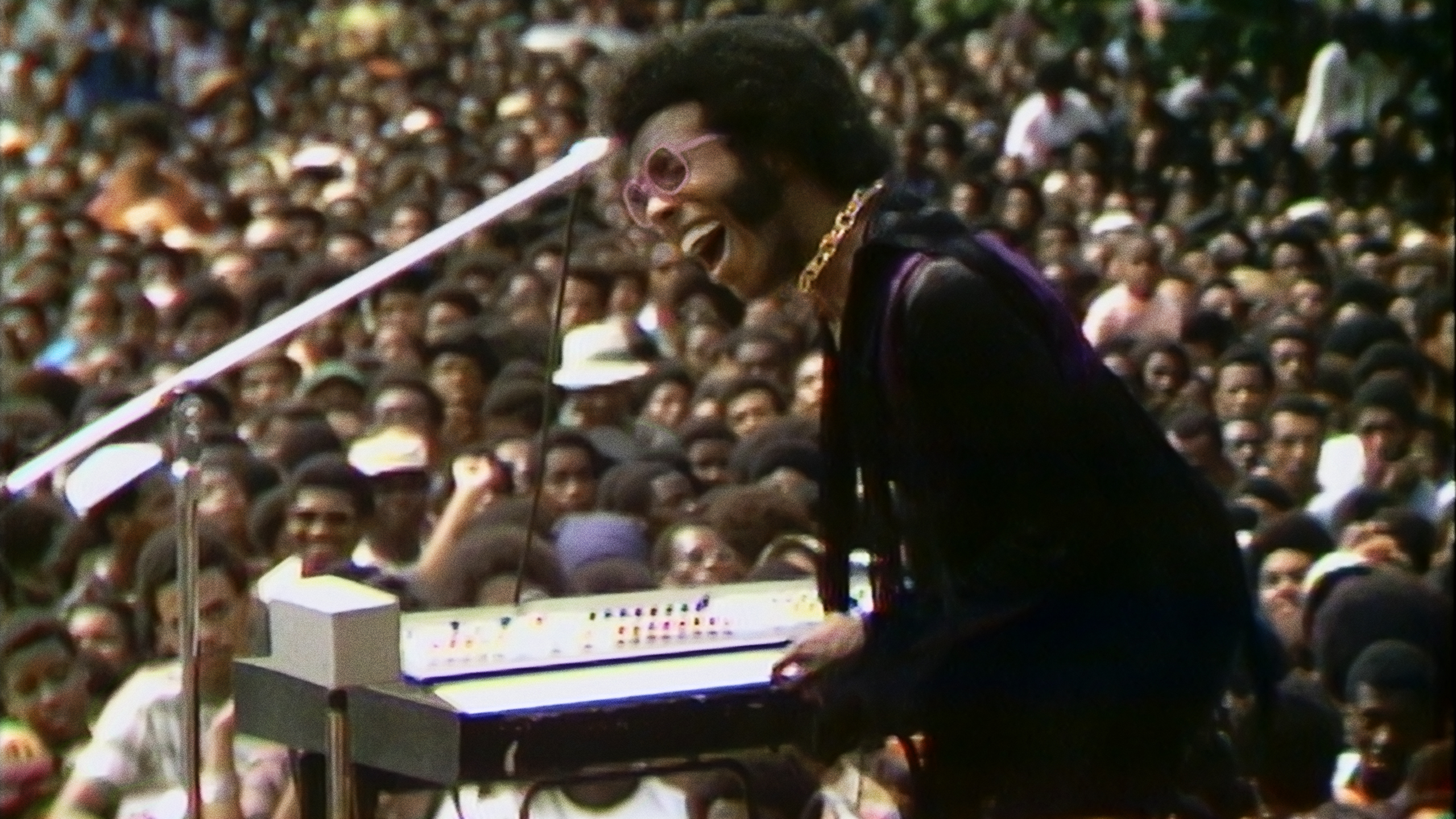
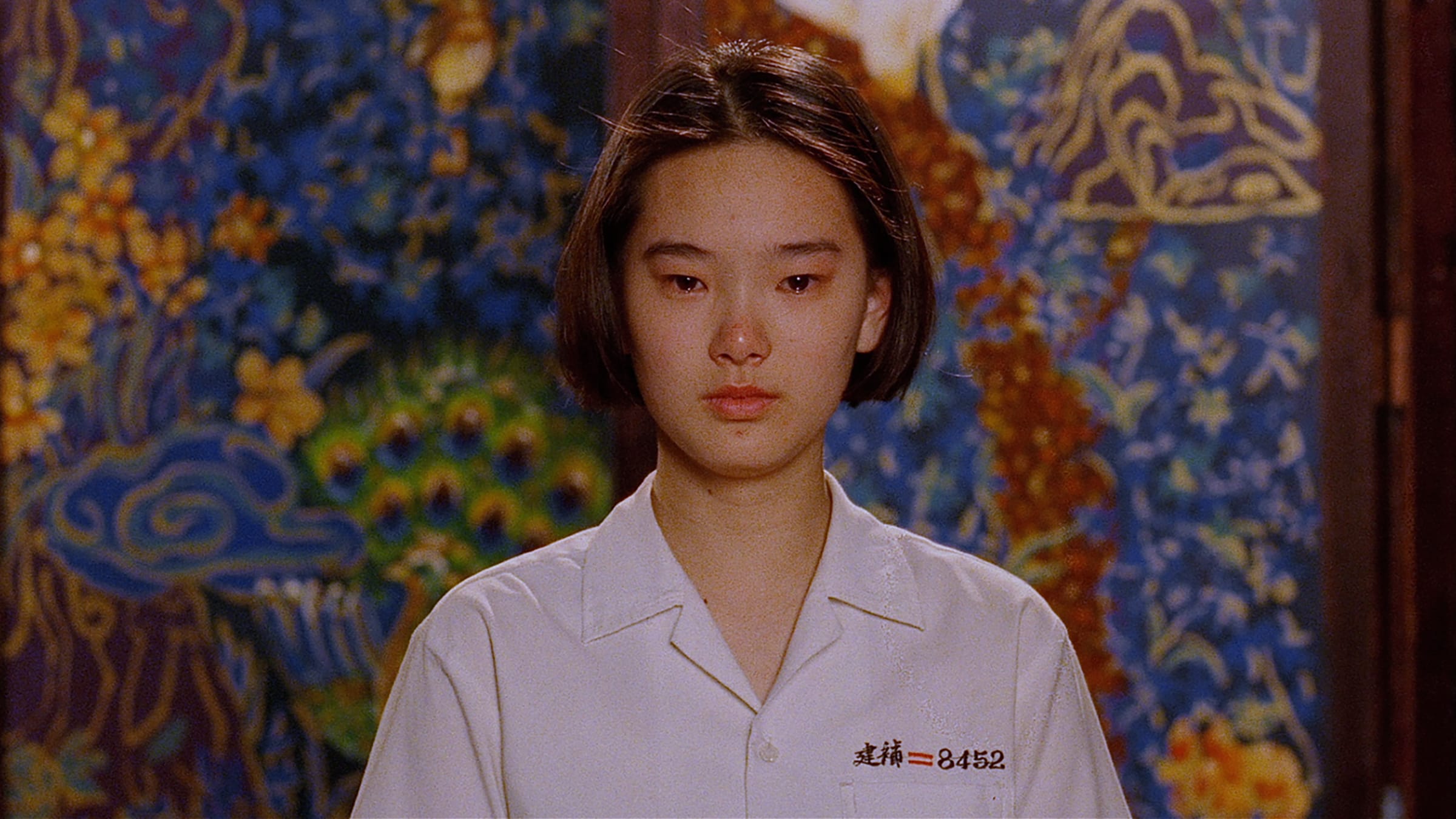
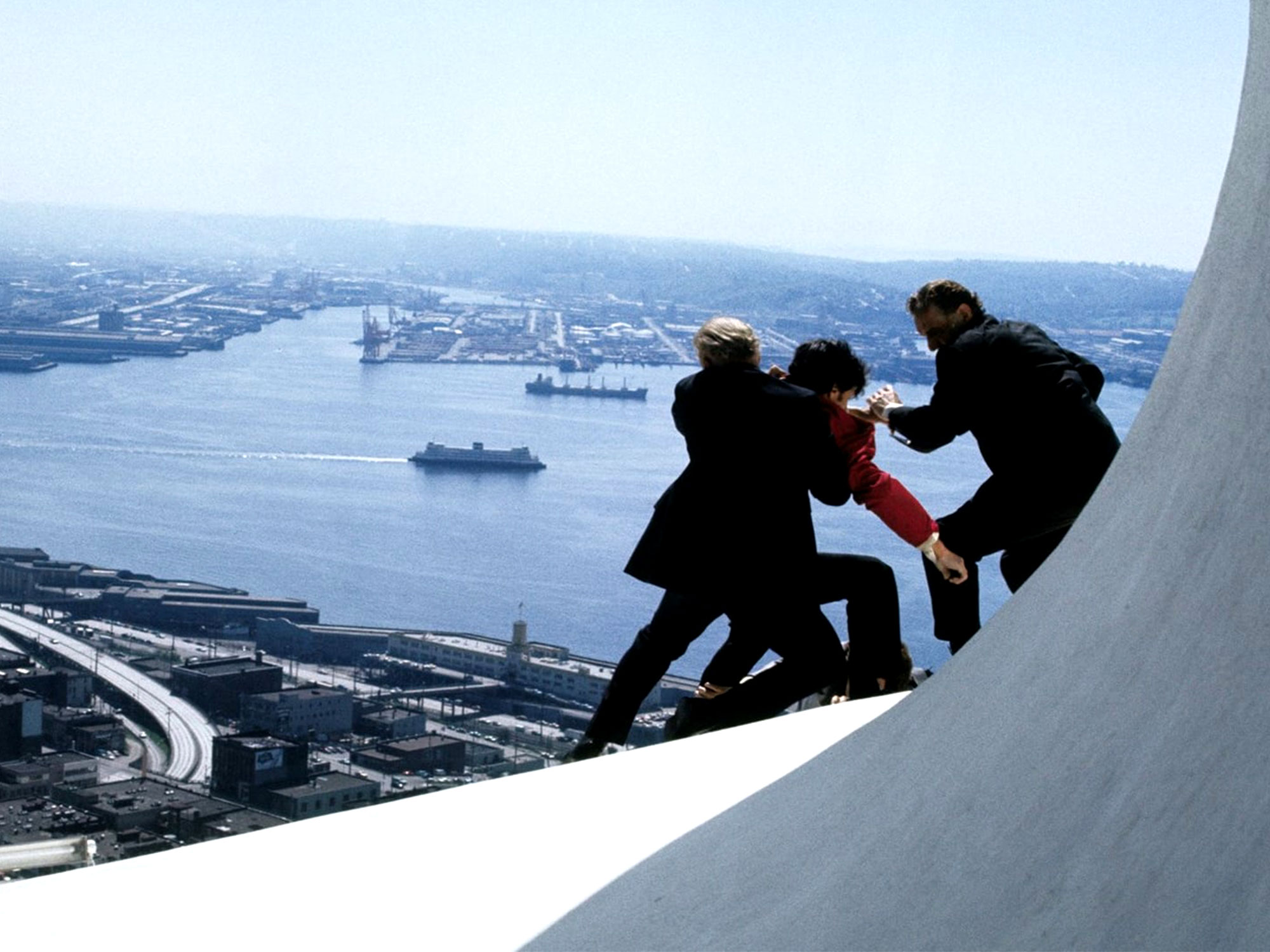
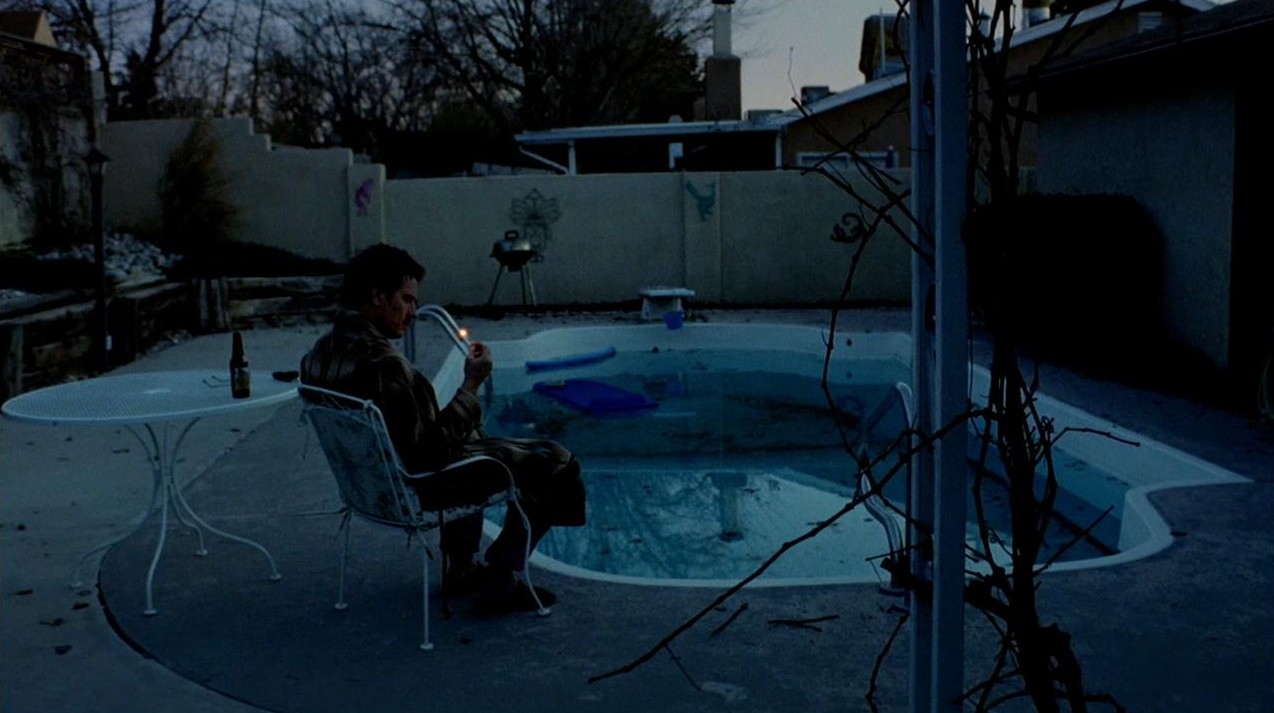
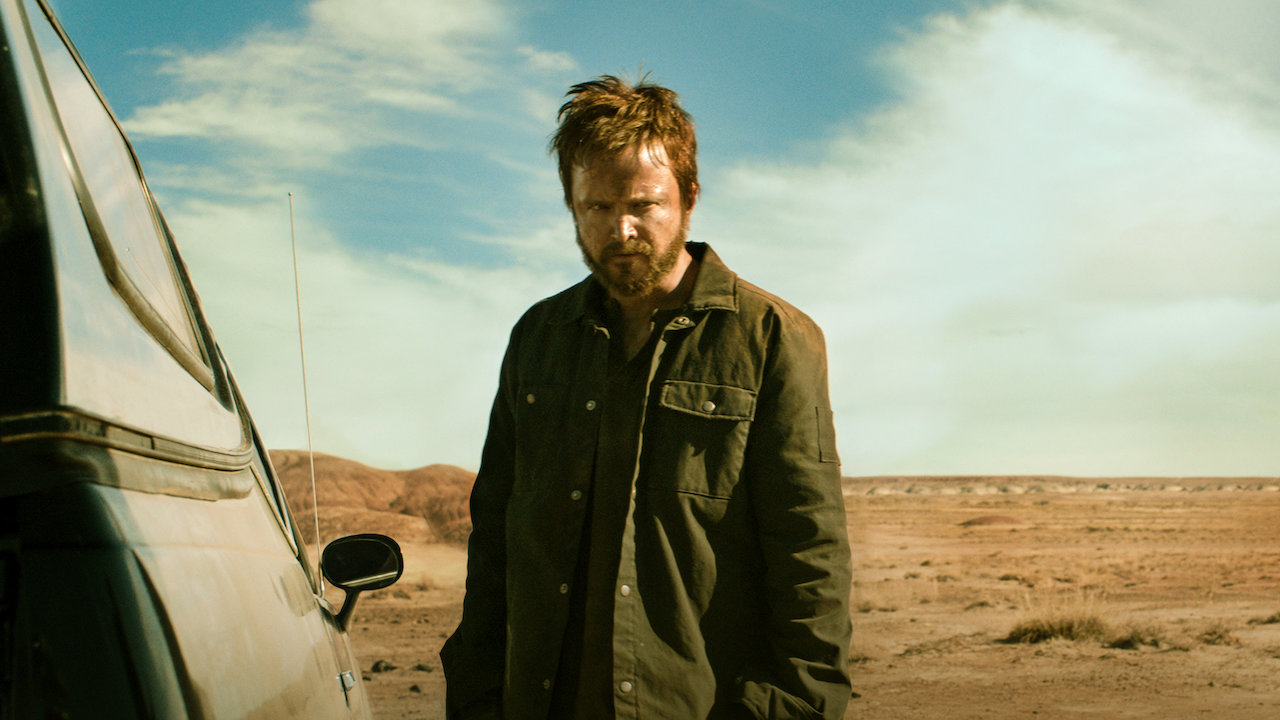
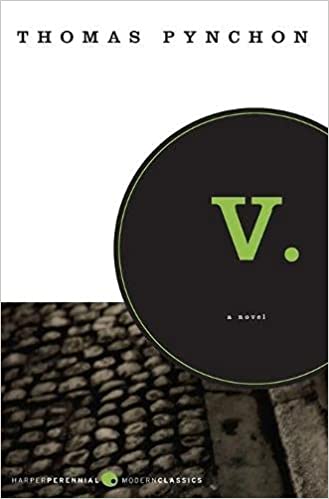
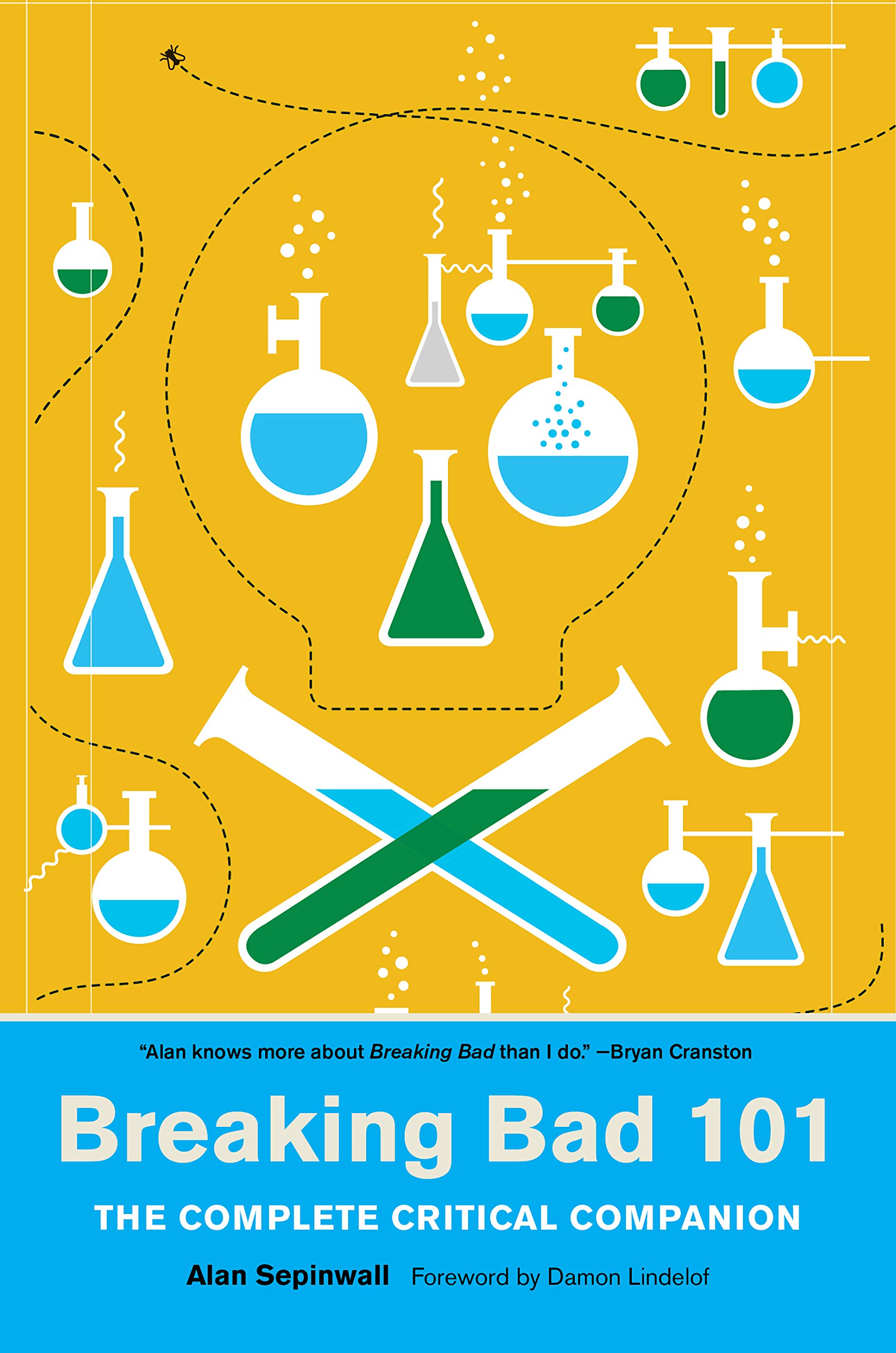
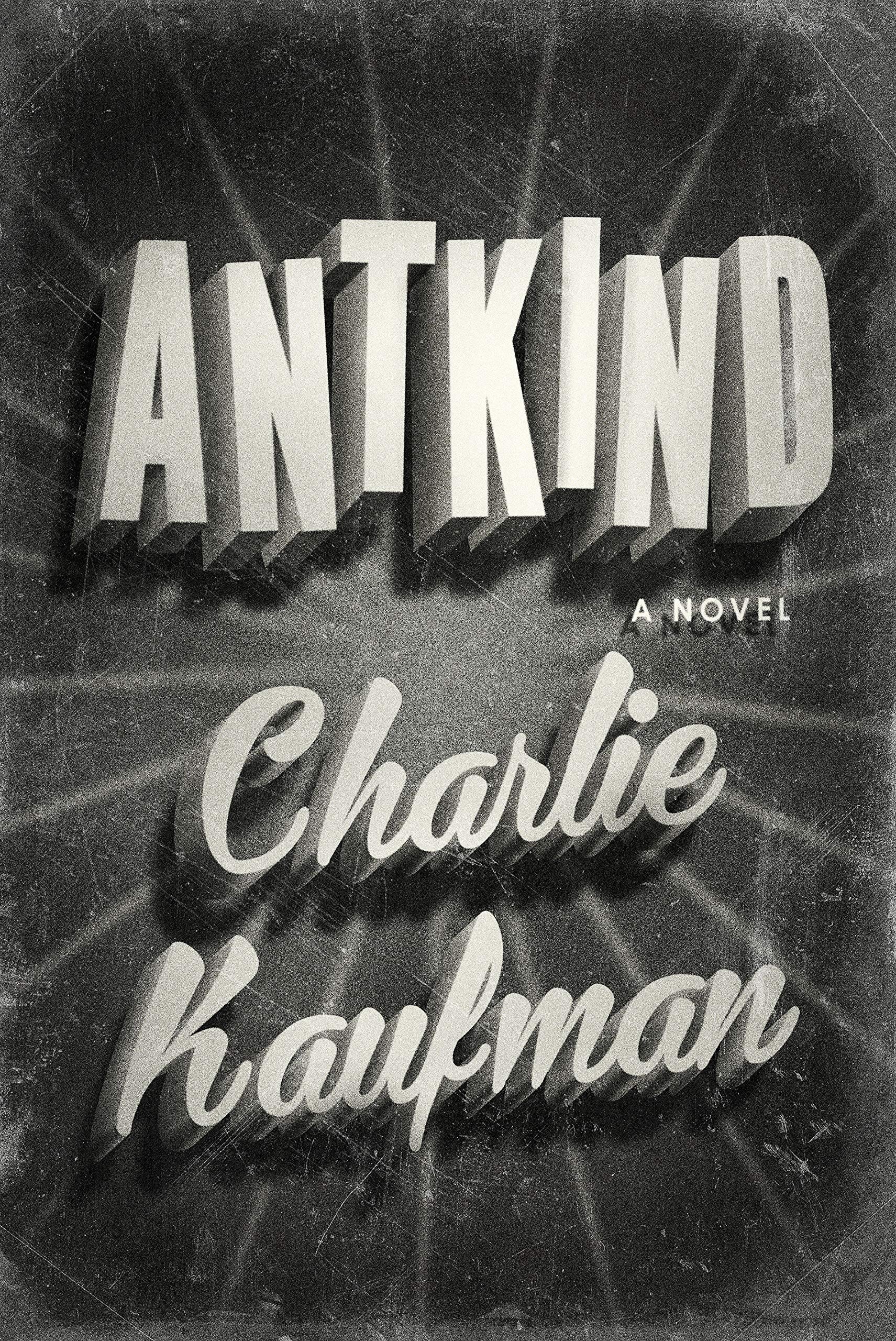
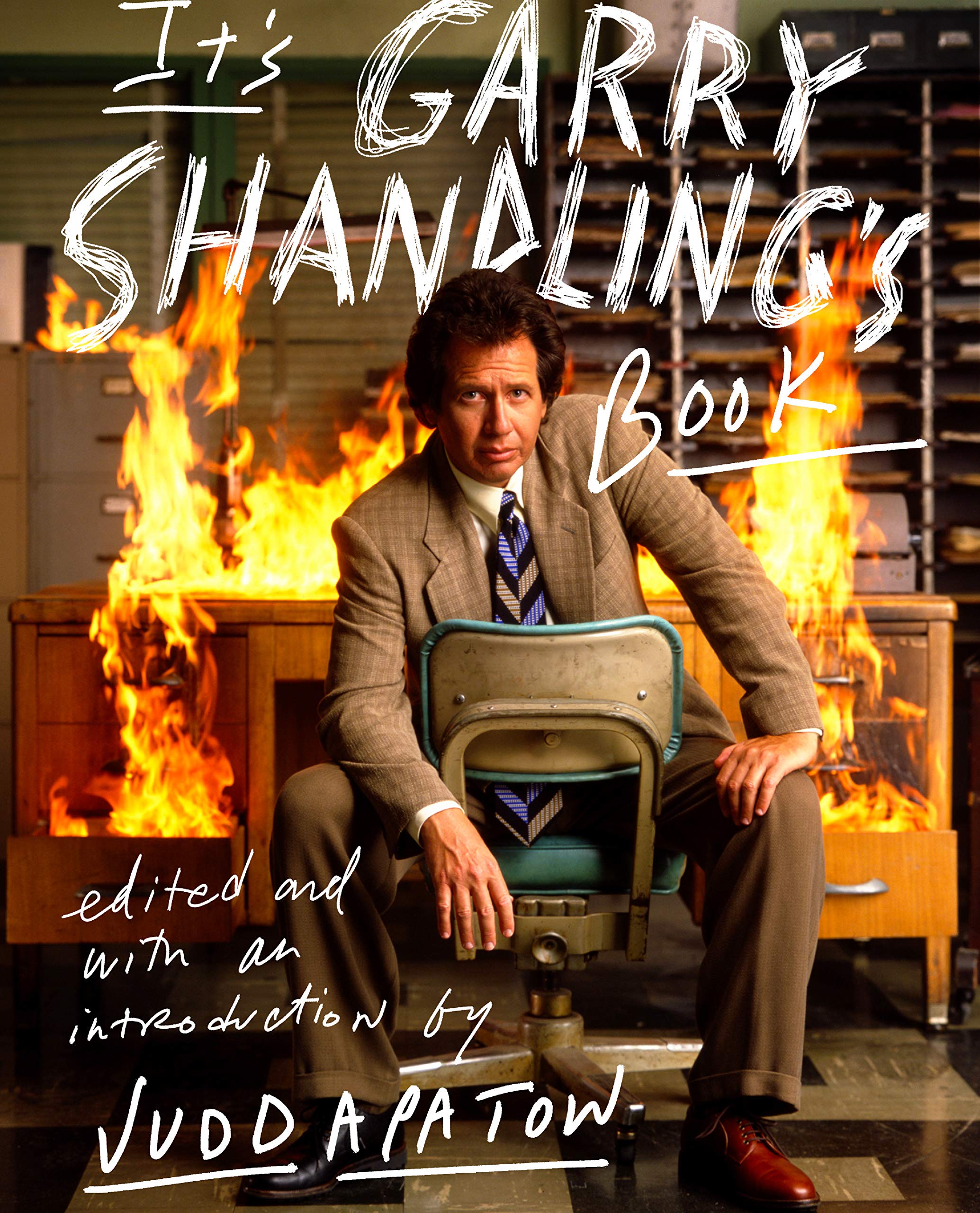

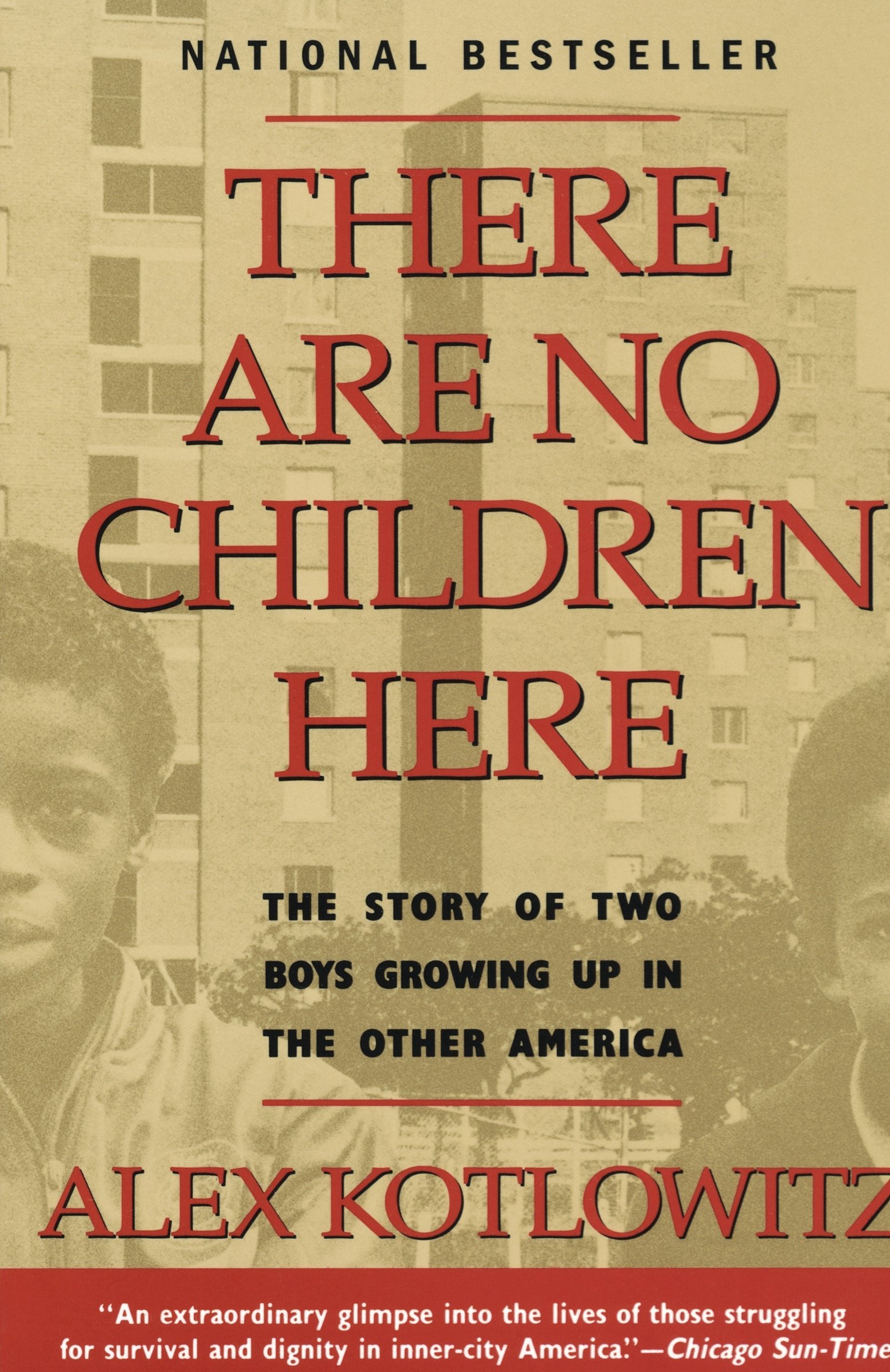
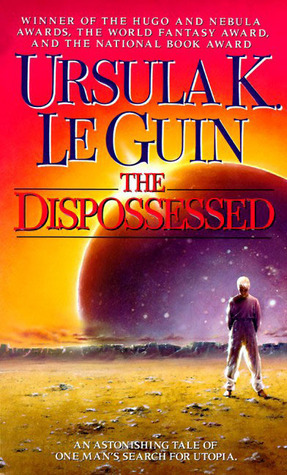
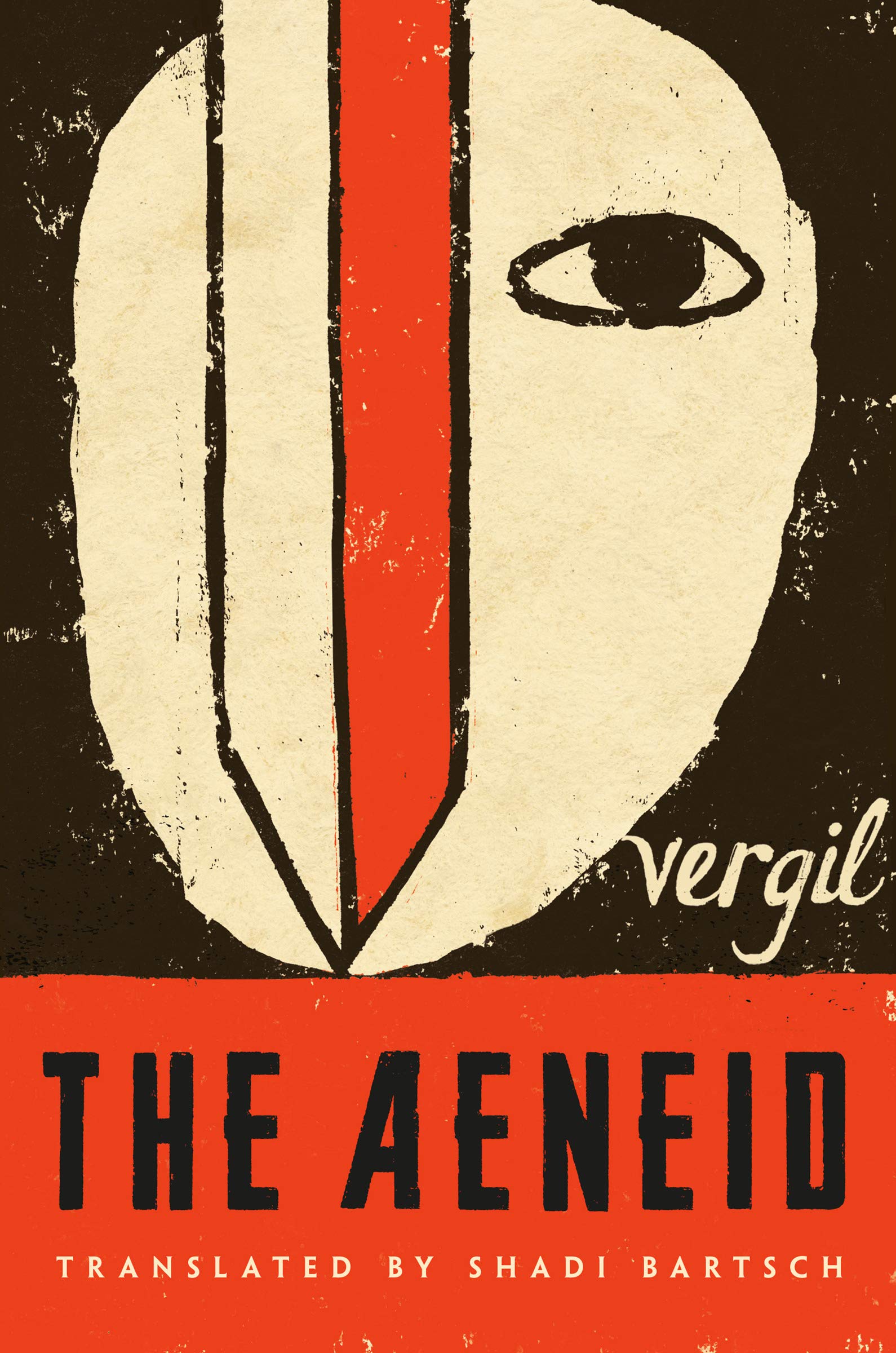
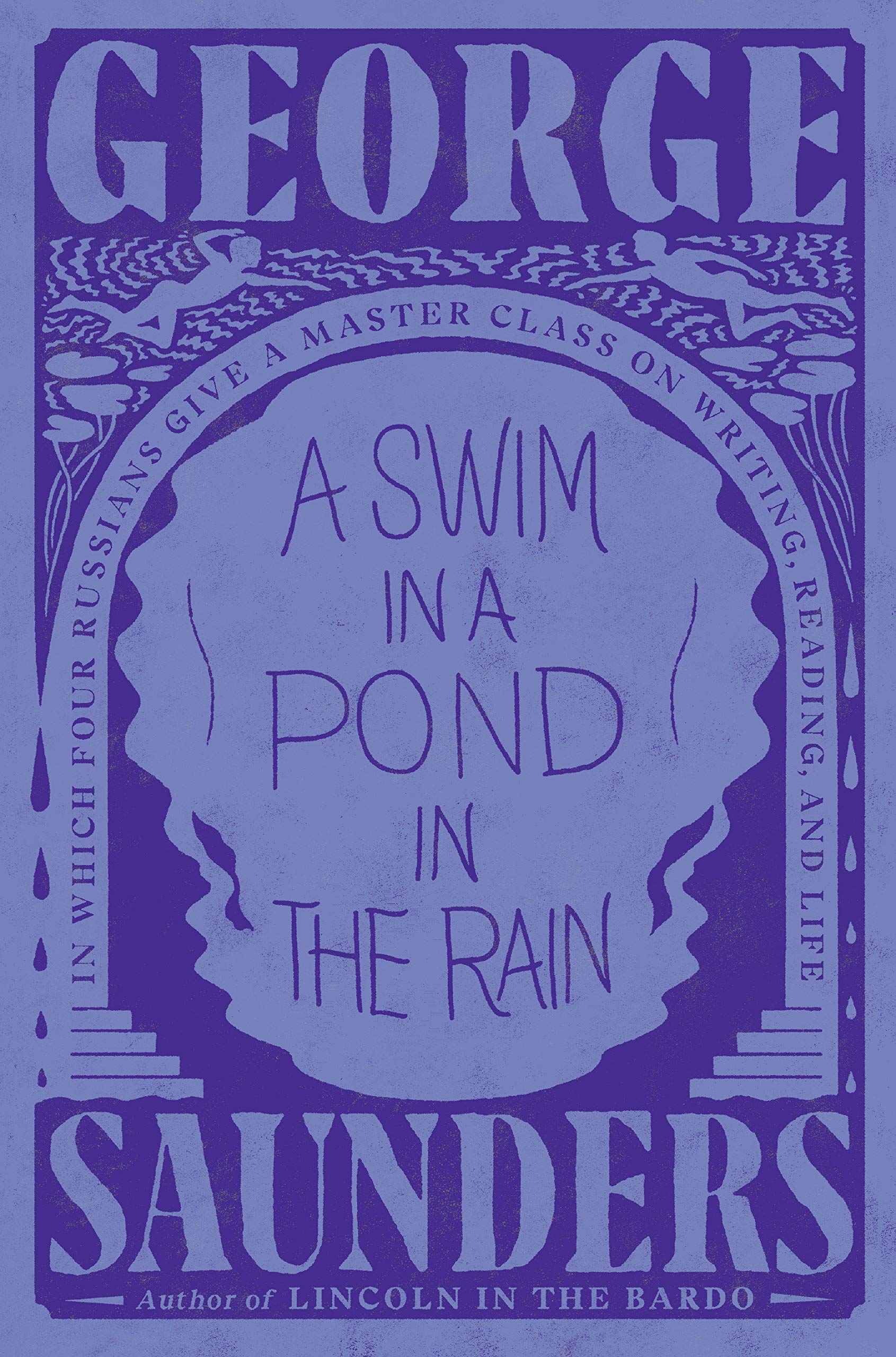
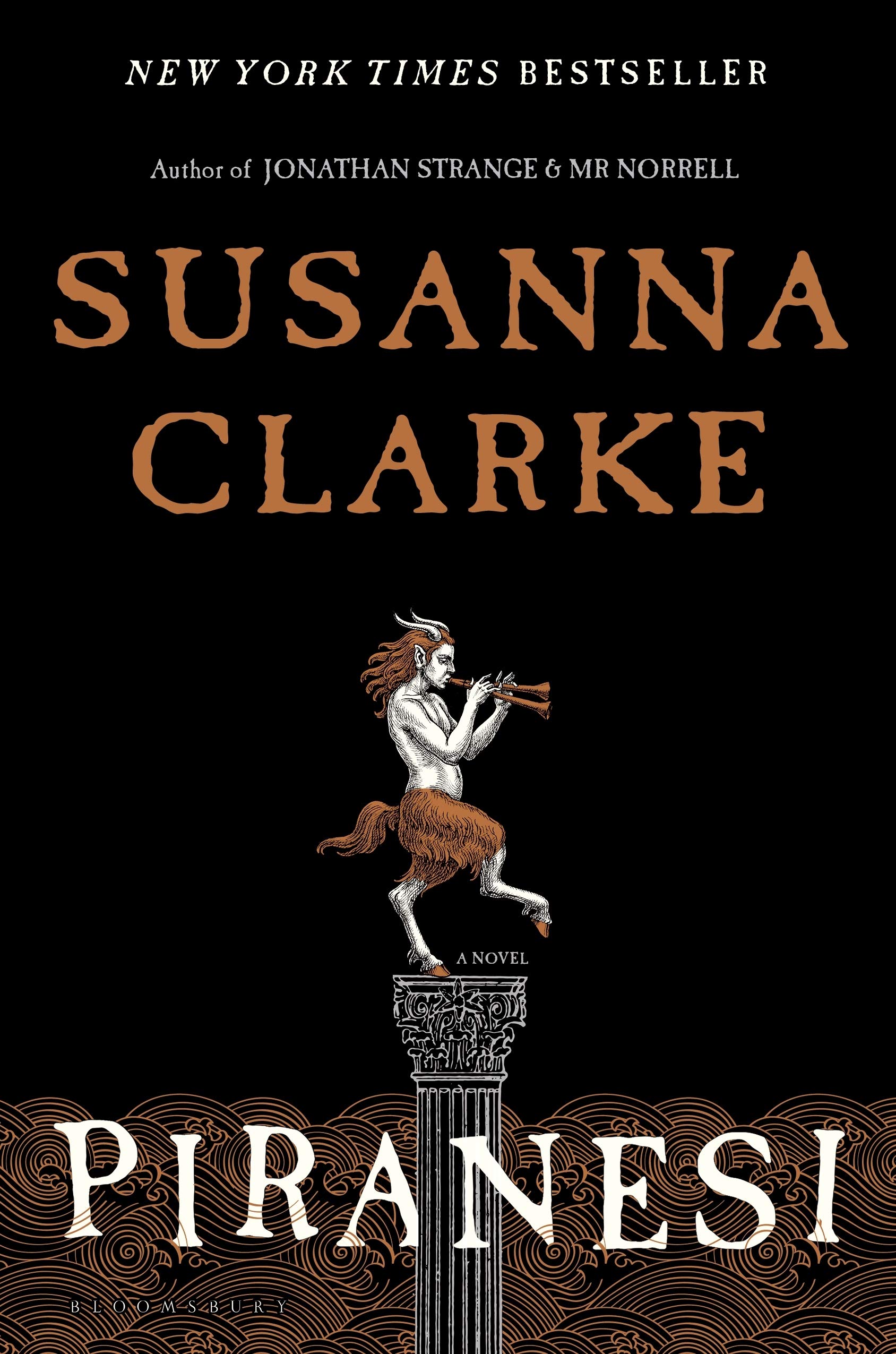
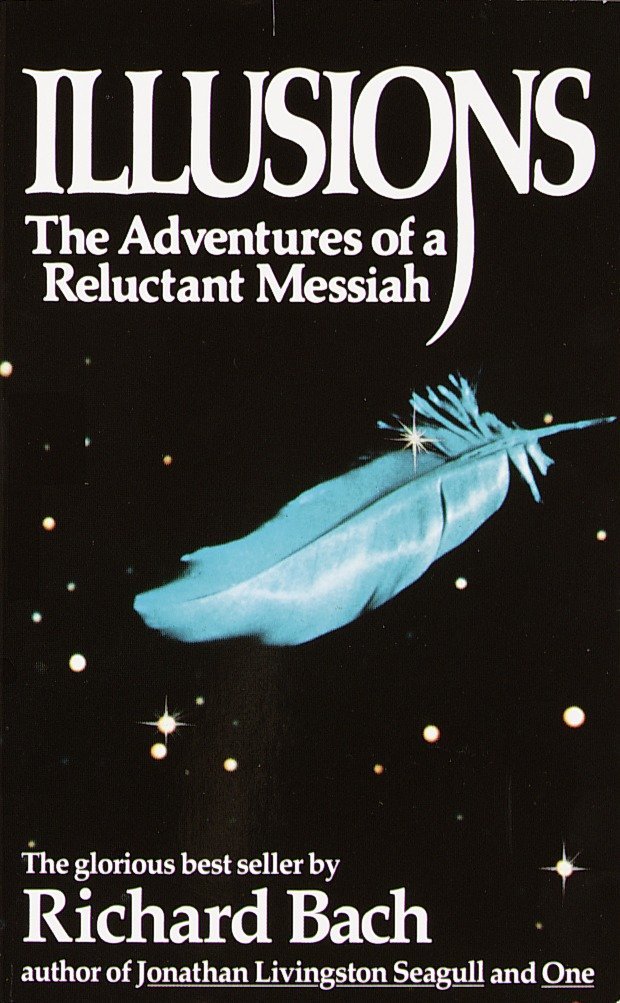
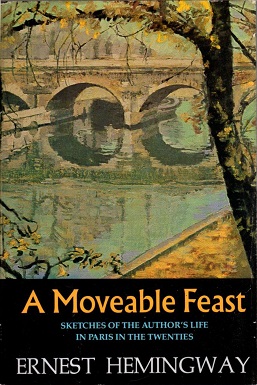
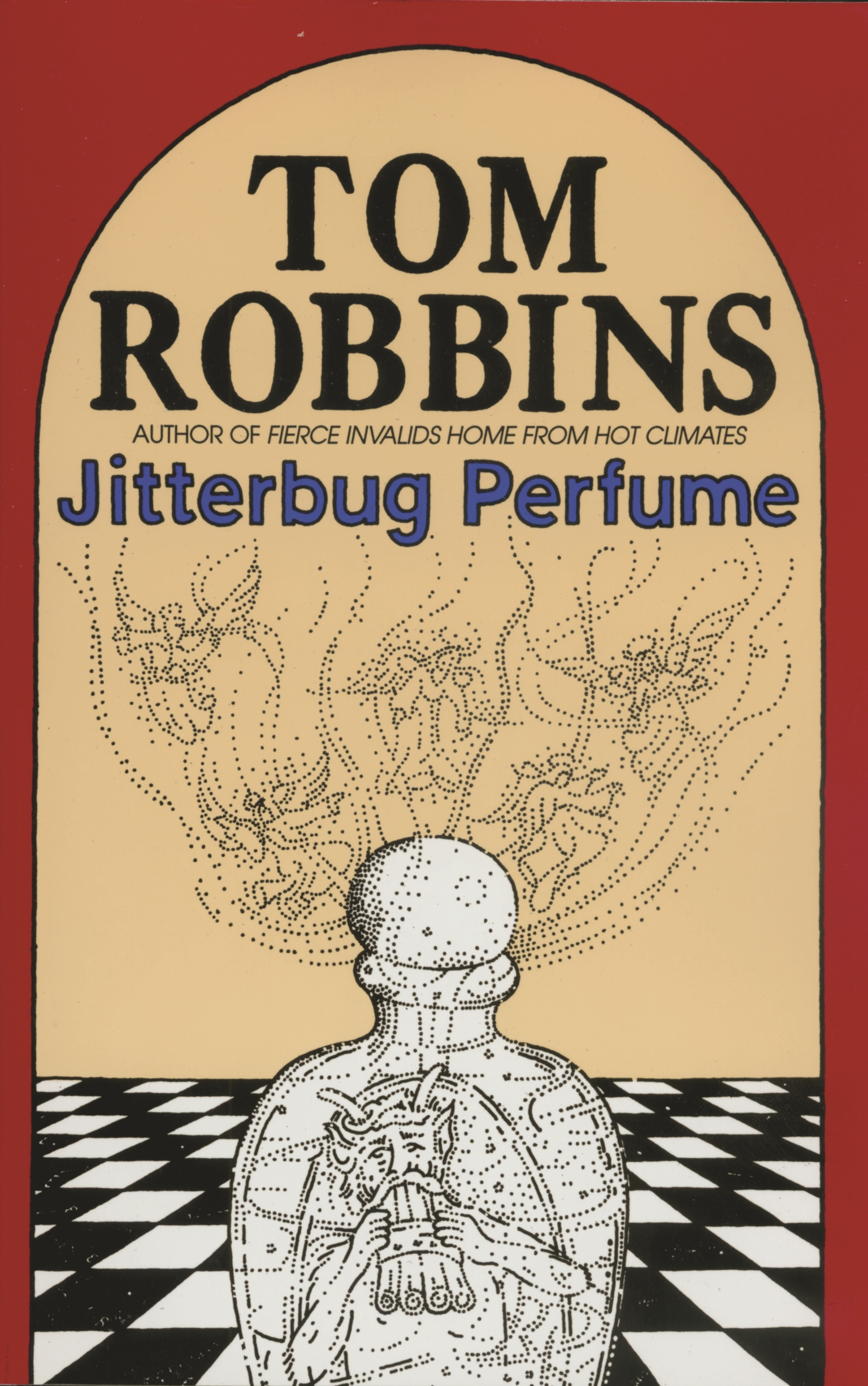
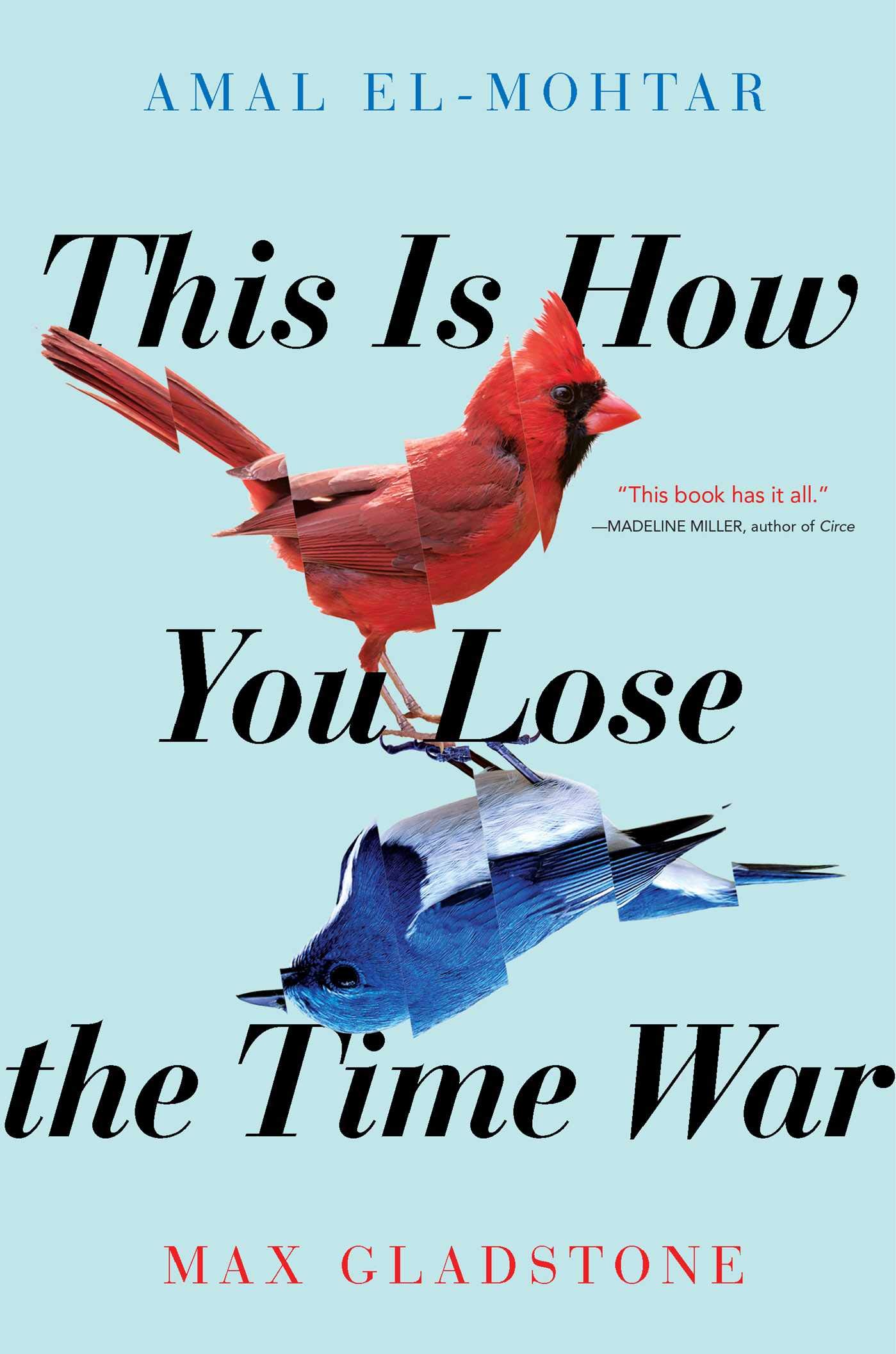
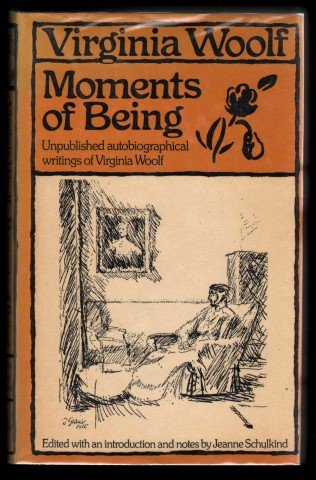
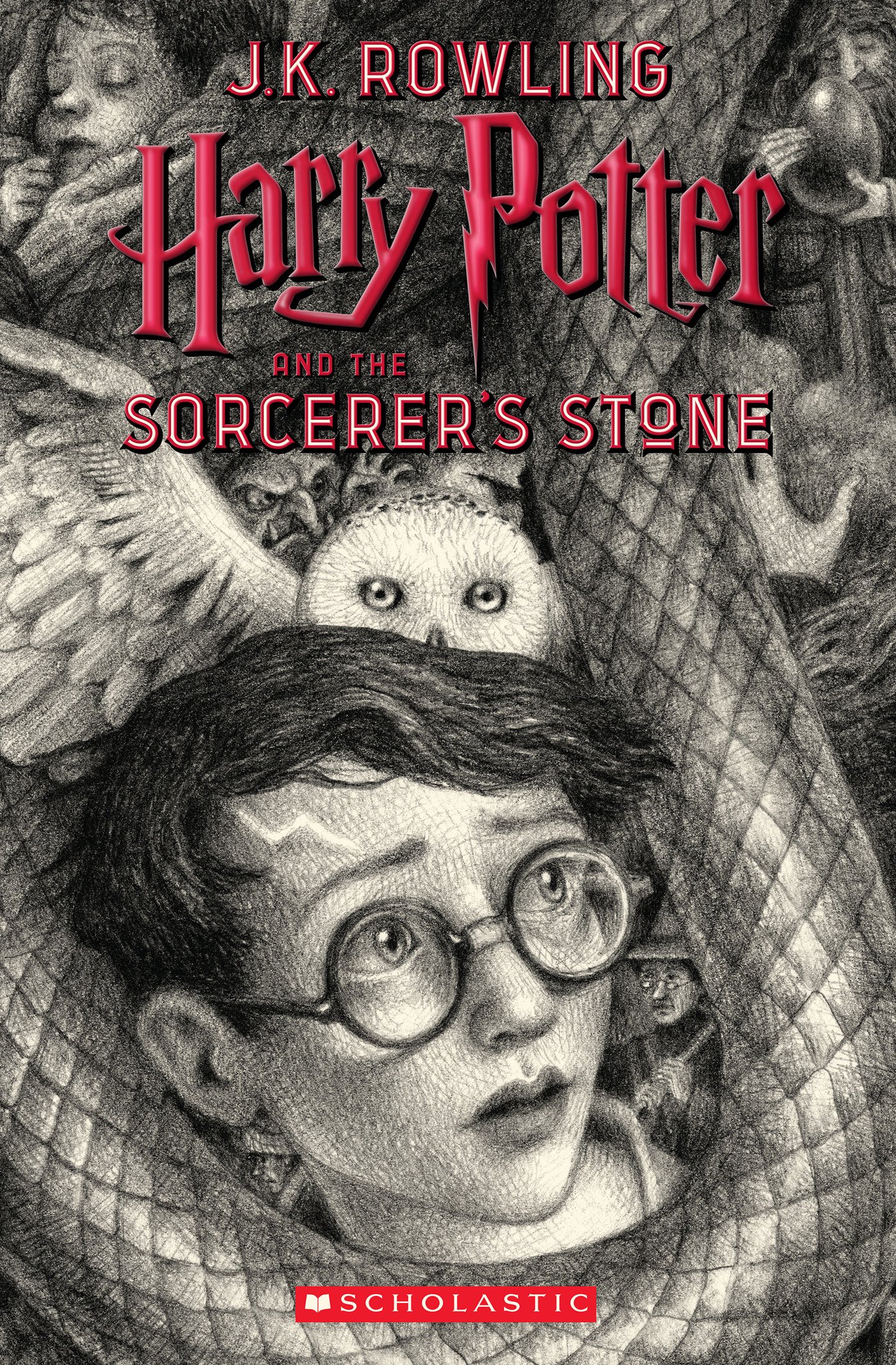
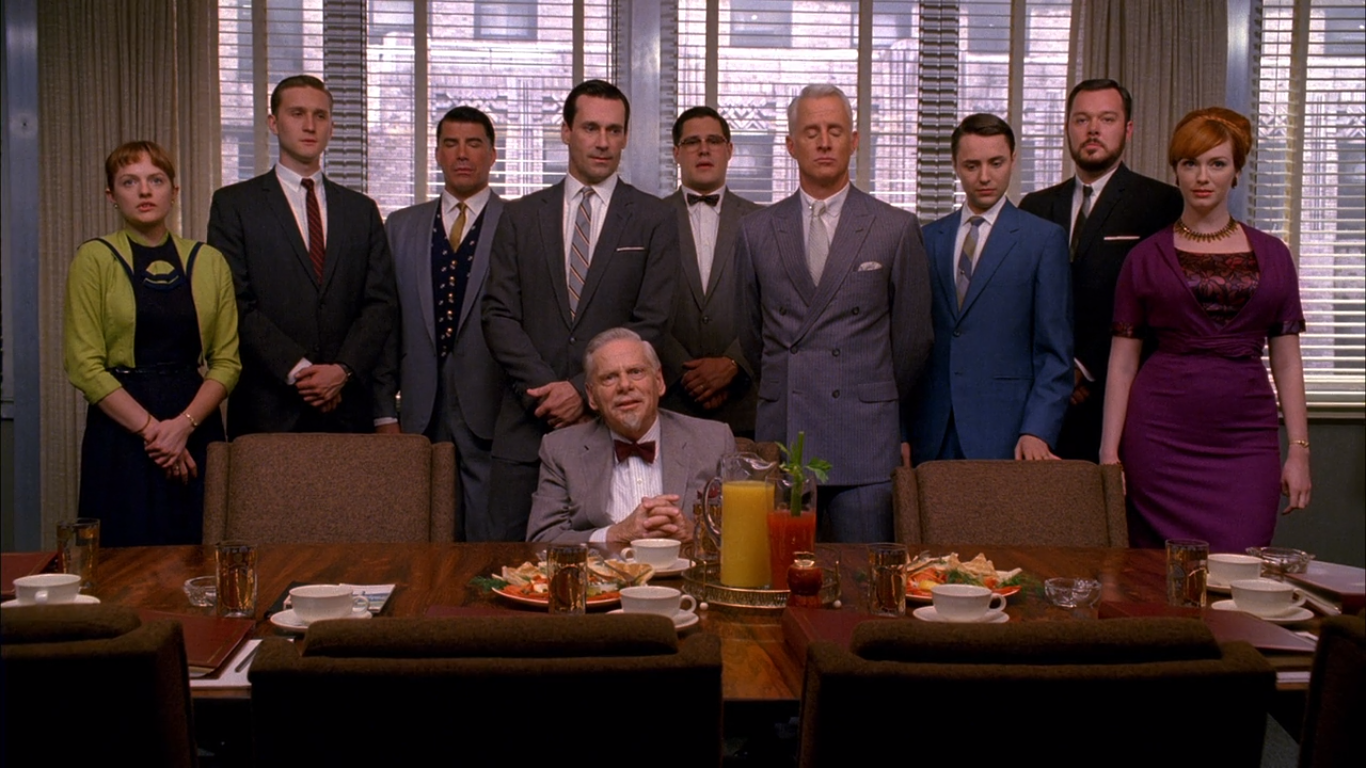








 Impeachment: American Crime Story – Scott Alexander, Sarah Burgess (FX)
 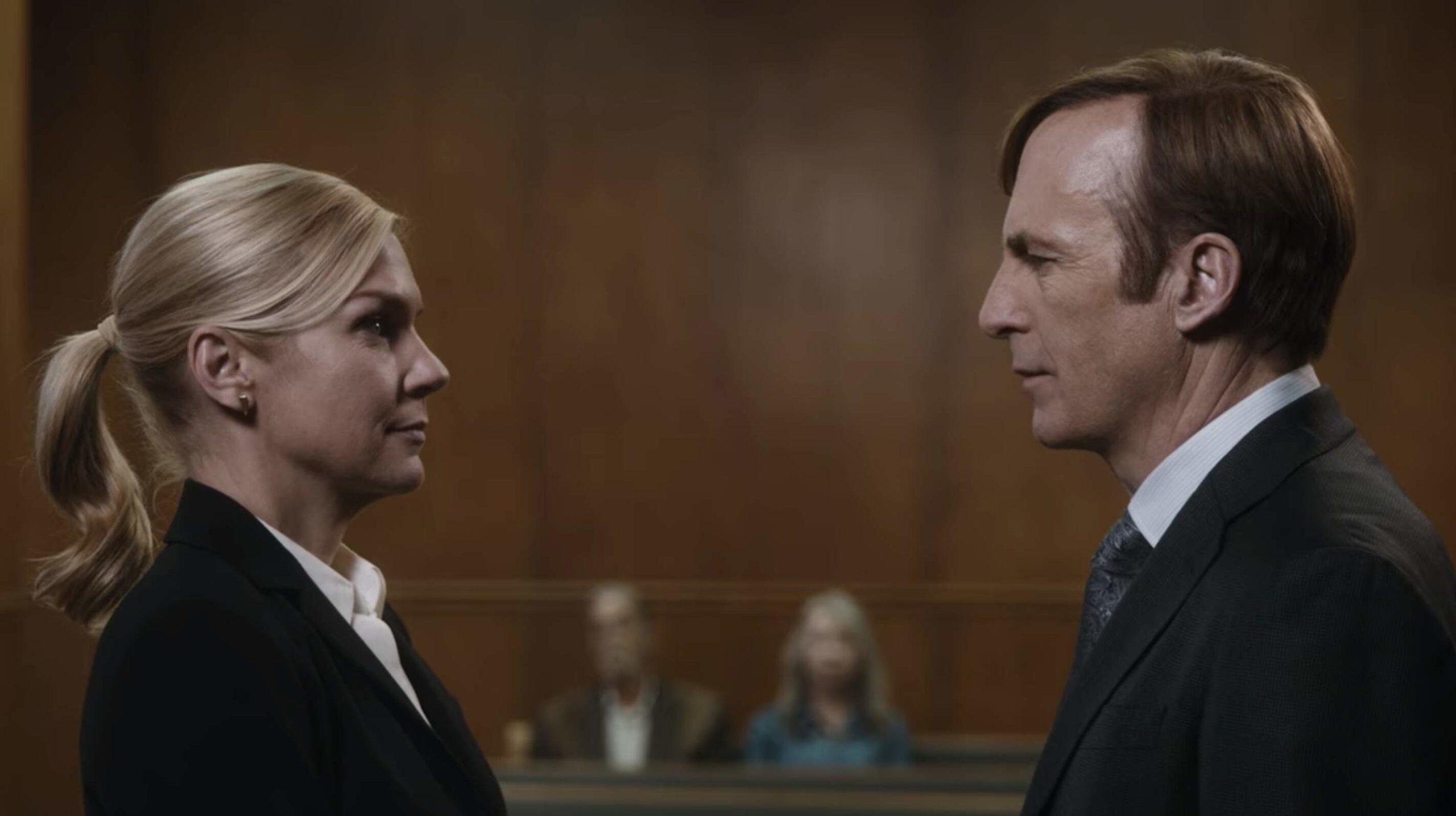 Better Call Saul (Seasons 1-5*) – Vince Gilligan, Peter Gould (AMC)
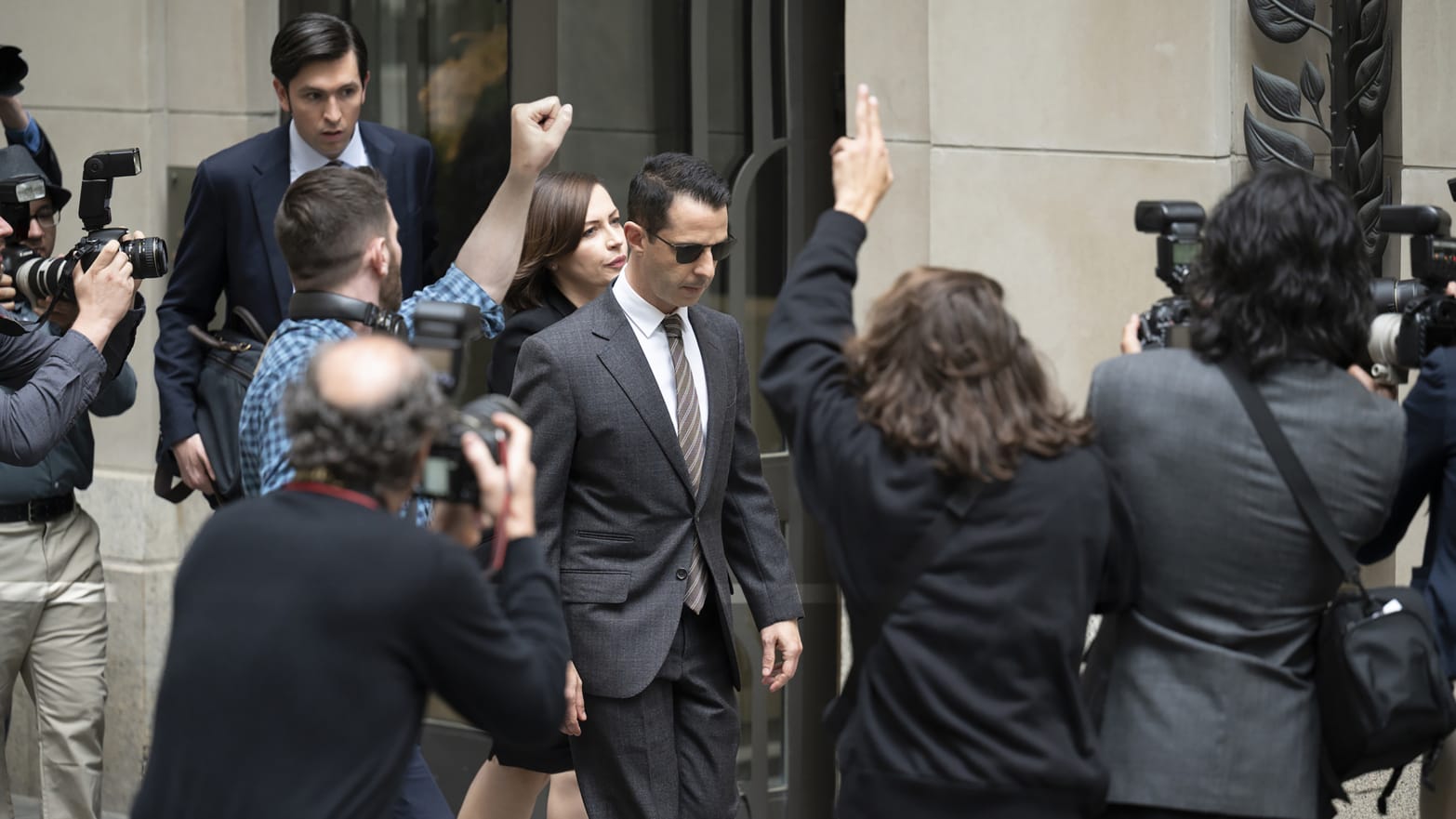


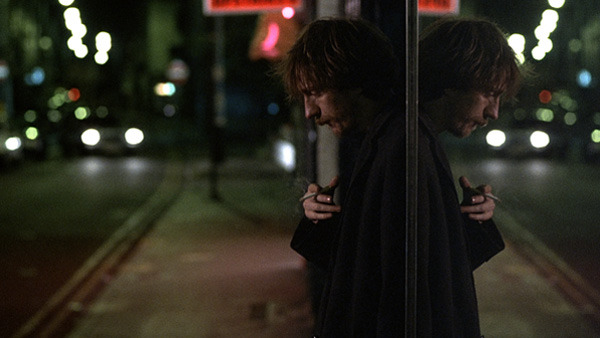


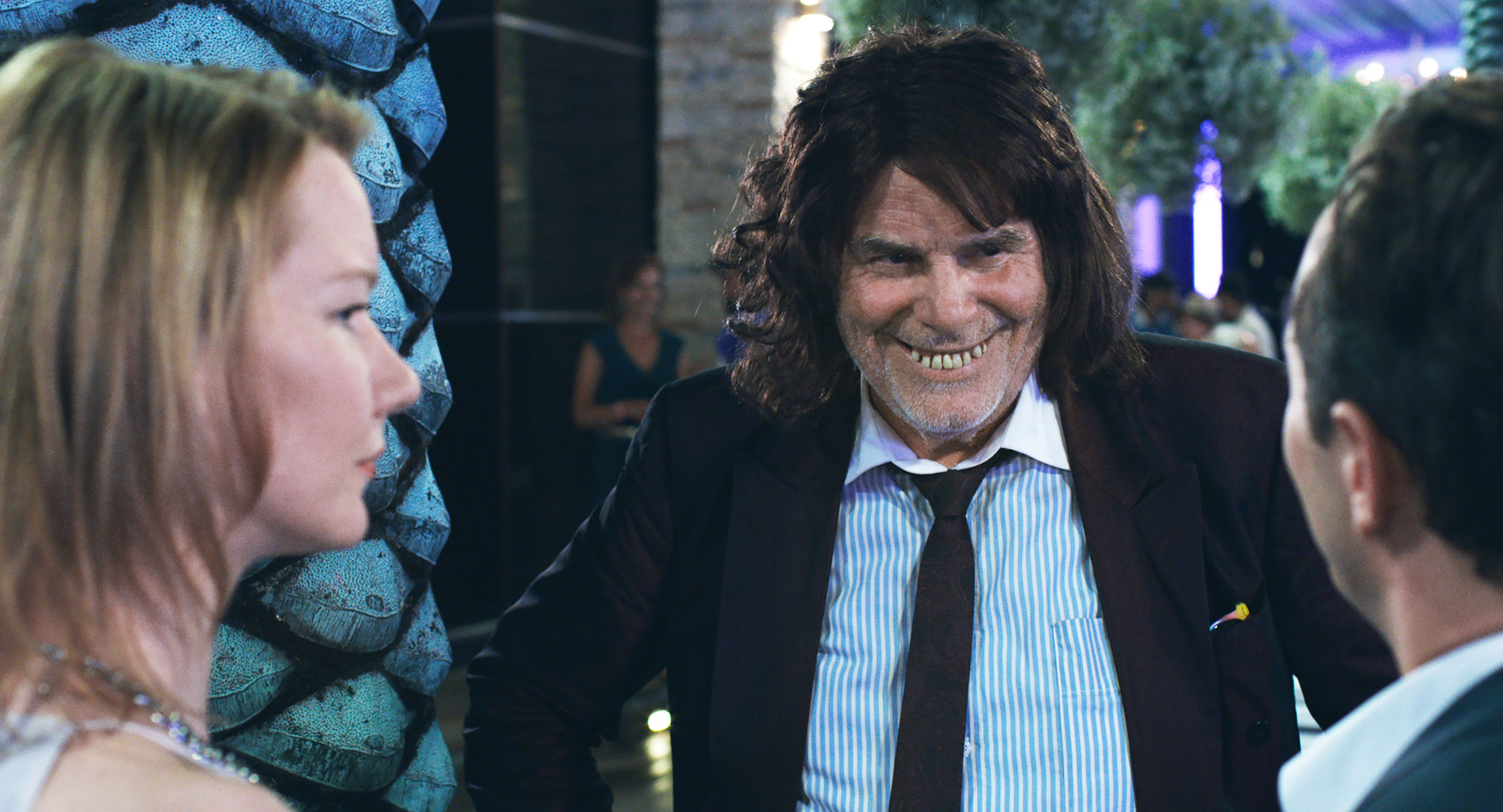

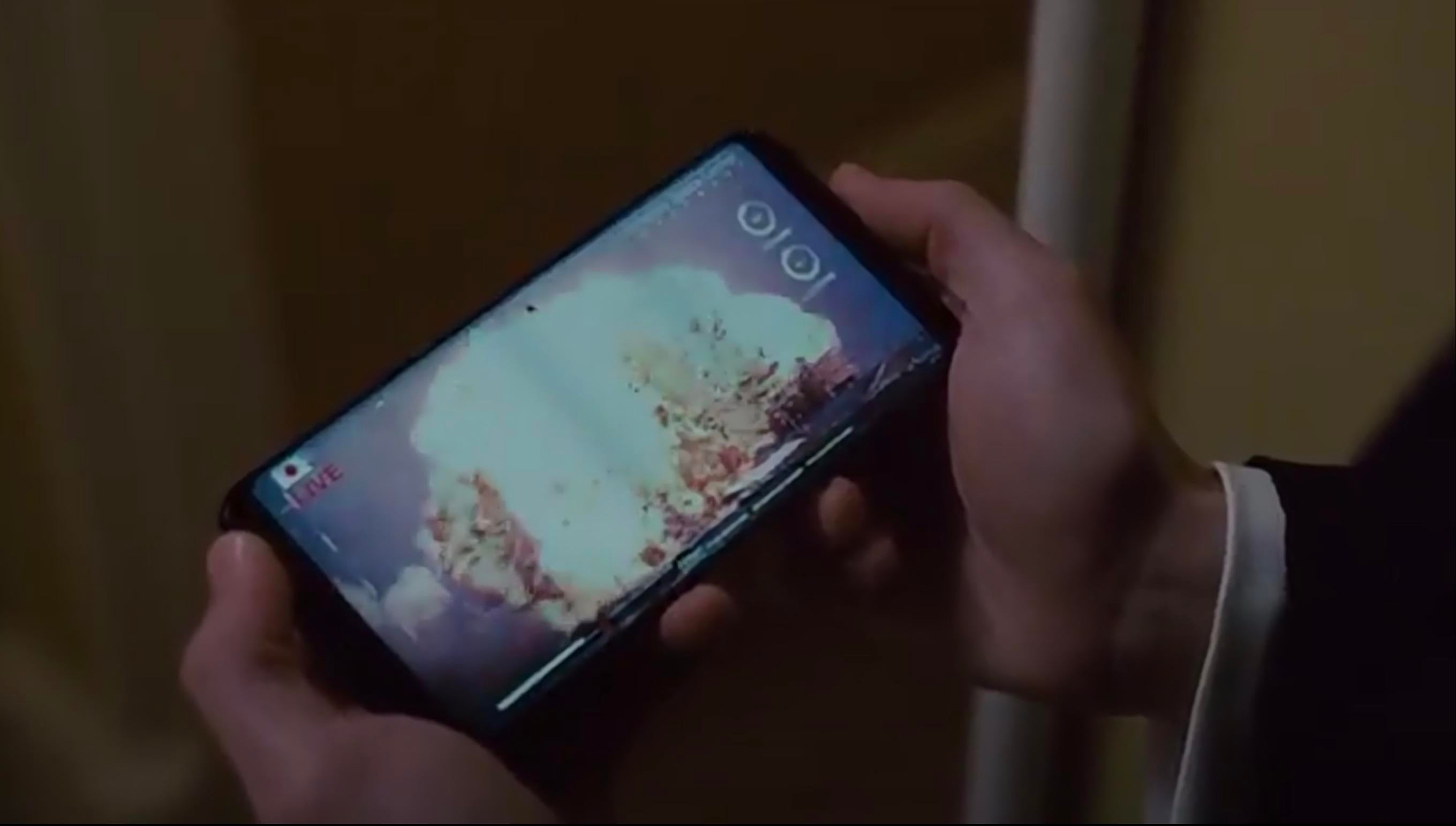
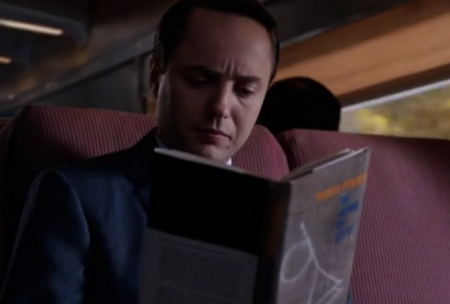
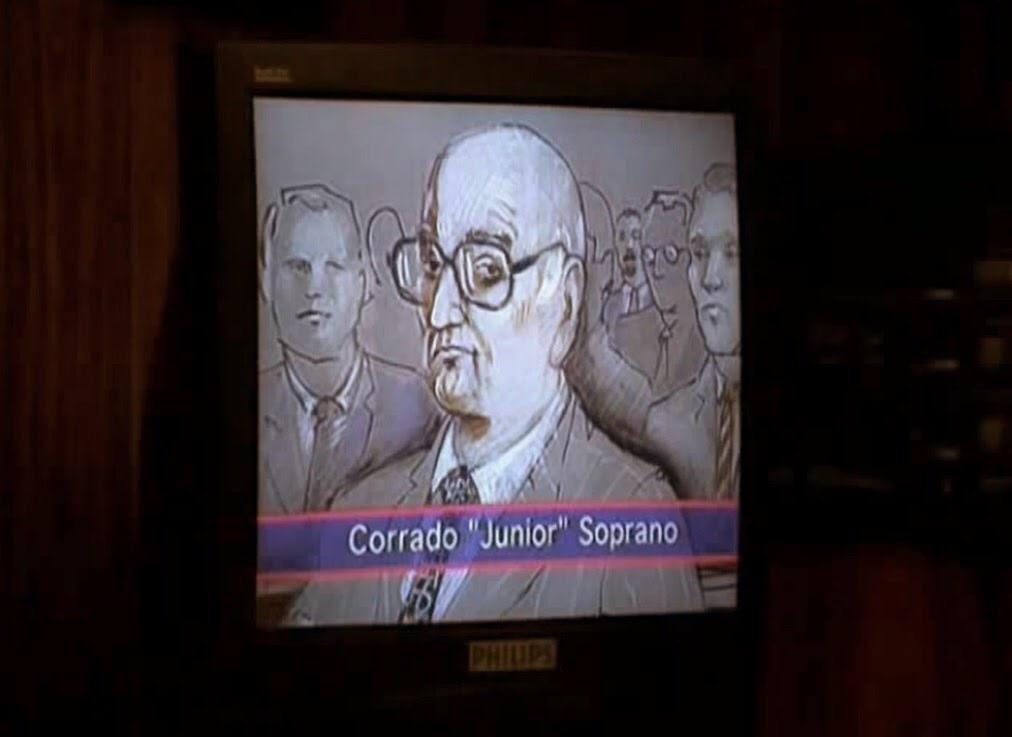
 Sam Writes Shit