Last night I watched My NeighborTotoro, culminating a two month period in which I watched all of Hayao Miyazaki’s films for the very first time. Of course, this comes on the same day that HBO announced all of Studio Ghibli’s films will come to their streaming platform. In short, I bought a DVD player for nothing. These films are so exceedingly delightful though, I don’t really even mind having spent the time and money to track them all down. I tried to rank how these films fit in Miyazaki’s career. But really it was just a chance for me to relive them and ramble about how good they are. So without further adieu, number 11 is….
11. Castle in the Sky (1986) The first official Studio Ghibli film! It’s actually pretty wild how many central elements of Miyazaki’s work are already here. It’s obsessed with flying. The central message of the film is about the environment and conservation. There’s a castle! It’s pretty good. It’s likely the best worst film of any director I admire. Miyazaki truly does not have any complete misses. So what doesn’t work? For one, I’m fairly sure the DVD I rented from the library skipped the first scene. More than anything, this film suffers in that it contains so many elements of Miyazaki’s later work. They are all aspects he would streamline and improve in the future. Here, they’re are a bit dulled by the story. A story which, like a lot of great filmmakers’ early work, is just trying to do too much.
10. The Castle of Cagliostro (1979) Ooof. I can hear the several readers of this post already saying “What does he have against castles?” Nothing! I promise. This is Miyazaki’s first feature film. The reason it’s ahead of Castle in the Sky is that the story is more streamlined. It’s based on a manga and television series that Miyazaki worked on. I think that’s why it feels more fully realized than Castle in the Sky. Unfortunately, it is not a Ghibli film. Which is noticeable. The film feels much less magical than Miyazaki’s later work.
9. Ponyo (2008) I sense this will be contentious. I like Ponyo! I like all of these films. This is undoubtedly the cutest Miyazaki film. It is so delightful. The animation is truly outstanding. There is so much happening in every shot. I may be talking myself out of this low ranking. My beef (or ham) with Ponyo is that there’s not a whole lot of story here. It’s incredibly simple in design. Something that I usually like in most films. But it really is bare bones here. There’s a part in which Ponyo and Sōsuke take a boat to find Sōsuke’s mom. I realized then that the two characters wouldn’t have anything to say to each other. Which they don’t! The film kind of just cuts around it. The animation and the cuteness of the characters make Ponyo more than worthwhile. Compared to Miyazaki’s other work, it’s just not my favorite.
8. The Wind Rises (2013) The Wind Rises is the most unique movie on this list. It feels like the least Miyazki-ish of any of his films. The film is about the scope of an entire life, not just childhood. There aren’t any distinctly magical elements to the story (to be fair there are some magical dreams). Yet this is the movie that’s supposed to be the most autobiographical. It’s about an artist Miyazaki greatly admires. It’s about a life devoted to perfection in art. I can’t lie. I really like it. These types of stories make sense to me. It’s like Boyhood but about an aircraft engineer. I probably like it more than the next two movies on the list, but I can’t argue that it’s better than them. While the movie works, I kind of think it would be better if it weren’t animated. For that reason, it’s hard to rank it any higher on a list celebrating a master of animated film.
7. Nausicäa of the Valley of The Wind (1984) The first unofficial Ghibli film (It was made with essentially the same people but before the studio’s founding). As we are about to get into, Miyazaki’s fantasy stories interest me much less than the magical realism ones. Objectively I don’t think there’s really anything to hold against this film. Especially for how early it’s made. I think the knock on it would be that it feels like an early version of Princess Mononoke. You can make arguments for either film. The advantages for Nausicäa are its unpolished energy and synthy score.
6. Princess Mononoke (2000) You could make an argument that this is a masterpiece. It’s undoubtedly the biggest and most ambitious Miyazaki film. It really has the scope of something like Lord of the Rings. It’s arguably even more auspicious. It’s a film totally devoted to environmental conservatism that uses magic and fantasy elements to convey its message. So maybe more like Avatar, but good? It also has the distinction of being one of the few films over 2 hours that I didn’t think was too long. This film has so many storylines, turns, and complications and I still think they all work. It’s really, really impressive. It’s not my favorite for the simple reason that it’s not exceptionally fun. Given what the movie is trying to do, that’s probably a credit to it.
5. Howl’s Moving Castle (2004) Howl’s Moving Castle is the first Miyazaki film I ever watched. It’s so much fun. It’s light and weird and so funny. Miyazaki makes a lot of subtle decisions in this movie that I absolutely love. The first is when Sophie is transformed into an old woman. He doesn’t have her lament this curse or force a heartfelt moment where the audience realizes how terrible it is. Instead, he just has her journey out to the Waste to try to fix it. One of the best parts of Miyazaki’s films is how much credit he gives to his audience. For as poignant as so many of his movies are, he never really tries to manipulate the viewer. We know that Sophie needs to have the curse removed so the movie doesn’t bother to explain that. It’s intuitive. It makes Sophie funny, tough, and resourceful as a character. It’s such an unusual and smart move. A move by which Miyazaki can keep the movie’s whimsical energy. My favorite parts of Howl’s Moving Castle are its eccentricities. Calcifer and Turnip Head are incredible characters. The reason this film isn’t higher is that I’m not convinced the plot makes any sense. About halfway through things get pretty convoluted. I honestly don’t think I could explain the plot even if I watched it again. I also don’t think that really matters. The movie is too much fun for me to care.
4. Porco Rosso (1992) The genius of Porco Rosso is that it’s a pretty normal movie with the major exception that the protagonist is a pig-man. I love that it doesn’t really factor into the movie save for Porco’s own self-worth. Another hallmark of Miyazaki’s best films is how understated they are. This film leaves so many things unsaid. We learn that Porco was at one point cursed into a pig. It’s not really said how, or why, or what he can do to change back. And only at a couple of brief moments does he dwell on it. Otherwise, he just cracks jokes about his transformation. Likewise, we get a backstory with Porco and Gina. But the film intentionally doesn’t resolve that storyline. It’s left for the viewers to decide. I love that Miyazaki frames this story through what feels like a Humphrey Bogart character. There’s so much enthusiasm and charm here. At the beginning, when pirates kidnap the school children, Miyazaki chooses for them to be oblivious to the situation. Instead of being scared, the girls are ecstatic to be amongst the pirates. It’s delightful. It’s a showcase for Miyazaki’s talent in making scenes unexpected and joyful. It elevates the whole movie.
3. My Neighbor Totoro (1988) Totoro is so beautifully heartfelt. It really feels like a blueprint for all the best parts of Miyazaki’s films. Totoro also plays into the style of his films I like best. The world is mostly normal here, and the trials the characters face are completely natural. The magical flourishes make this world dynamic but don’t really uproot anything. One can make a pretty compelling argument that there is no “real” magic in the film. Our introduction to it is the Soot Sprites which are really just a magical version of dust. Then, over the course of the film, the other creatures appear only to the children and only at trying times in their lives. This tension is wholly intentional. Miyazaki is trying to make a point about beauty, nature, children, imagination and how these things can overcome the worst circumstances of life. I love all the characters on the margins. One of my main takeaways from Miyazaki is how he utilizes secondary characters in his films. The father, for instance, is so full of life. In a typical movie, they would have him be run-down and busy because of his job, the kids, and his sick wife. Miyazaki doesn’t give us this character. Instead, he has the father be present, energetic, and full of life. He’s funny and really pretty strange. We see that he is working at night and that he comes home late from the university. We can assume that all these things are weighing on him. But he never shows it to his kids, which in turn makes him even more sympathetic and likable. Similarly, the neighbor boy is so awkward and shy. In any other film, he would just be a stock character. In this one, I’m genuinely curious about his life and his perspective on the girls. The most impressive part of Totoro is its tone. Throughout the whole movie, I was simultaneously choked up and laughing. I think it does the best job of conveying the bittersweetness of life. That it, like this film, can be both beautiful and tinged with sadness.
2. Spirited Away (2001) The New York Times ranked Spirited Away as the 2nd best film of the 21st Century. So how can I only have it at number 2 here? Well, my first choice is technically from the 20th Century. The real answer is that there’s not any type of case I can make against this movie. It’s a masterpiece. What is most remarkable to me is how understated the movie is. Of course, there are spirits, talking animals, witches, and so much magic. But all of these just serve to move you through the story. They aren’t disruptive. The movie isn’t even about these things. What the movie is actually about is Chihiro’s personal transformation. It’s about the sadness and anxiety of leaving adolescence behind. It very well may be the best film on what it feels like to grow up. This theme is the whole emotional force of the film and it is seamlessly interwoven into the story. It is incredibly sophisticated filmmaking. There are two moments that I think perfectly capture the magic of this movie. The first is the very, very, very famous shot of Chihiro and No-Face riding on the train. What I think is so powerful about this shot is that I’ve seen it a million times and only recently realized that in part of the shot we are looking through another passenger. Like physically through their body. That may be more on me for not noticing it. Still, this is the depth and complexity that exists in these films. The second moment is at the very end when Chihiro has finally earned the friendship and respect of the spa and has come into her own. She has to leave the spa to go back to her parents. Finally, there will be the moment where Chihiro reflects and laments how life always pushes forward and leaves everything behind. But then there’s a literal rule that Chihiro can’t look back at the spa or the magic won’t work. It’s so brilliant and true to life. More importantly, it’s so much more heartfelt than in every other movie in which there’d be an engineered moment where she does look back.
1. Kiki’s Delivery Service (1989) Every aspect of this film is so, so wonderful. I wish I could live inside it. Kiki is such a funny, lovable character. Kirsten Dunst’s vocal performance is maybe my favorite thing in any Miyazaki film. She speaks so fast. It’s as if all her words were jammed together. Kiki so often can’t control the speed or volume of her voice. She sounds exactly like a 13-year-old girl. For a movie about an adolescent witch, this film is so grounded in the human experience. It’s remarkable at how in-tune Miyazaki seems to be with adolescence. I love that this film centers all of its conflicts internally. There’s not a scene in which Kiki gets in trouble for messing up, or is scolded for being too loud, etc. Instead, everyone loves Kiki. The baker is delighted every time Kiki is excitedly shouting. Kiki’s customers all love her. The tension is whether or not Kiki can figure out what’s happening inside her. It’s about how she can balance the burden of responsibility with her own personhood. One of the things I was most surprised by with this film is how slowly some of the scenes move. It’s kind of incredible. There are just scenes when Kiki is puttering around or making breakfast. They don’t have to be in the film for the plot. But they make the story so much more effective. It really humanizes her. It feels like watching the totality of her life, even the boring, minor details. I don’t know if I can really make a case that Kiki is the best Miyazaki film. I think Spirited Away is doing things that are far more complicated. It’s definitely the more polished of the two. But this film is the one that hits me at my core. It’s the reason why Miyazaki’s films have such an impressive legacy. They’re so deeply connective even if you can’t relate to the details. Kiki is the one that feels most true to me even if I’ve never been a 13-year-old witch who can talk with her cat. That’s why it’s number 1.
2nd: Kiki’s Delivery Service – Hayao Miyazaki (1989)
Watched at home with Gioia. It’s my favorite Miyazaki film so far. I don’t know if it’s the best. I think Spirited Away is doing things that are a bit more complicated. Every aspect of this film is so wonderful. Kiki is such a funny, lovable character. I thought Kirsten Dunst’s vocal performance was incredible. Kiki so often can’t control the speed or volume of her voice. She sounds exactly like a 13-year-old girl. I love how these movies tackle universal themes through fantastical stories. This movie knows exactly what growing up feels like but shows it through the story of an adolescent witch. I also love how these movies have all their conflicts rooted internally. There’s not a scene in which Kiki gets in trouble for messing up, or is scolded for being too loud, etc. Instead, everyone loves Kiki. The baker is delighted every time Kiki is excitedly shouting. Kiki’s customers all love her. The tension is whether or not Kiki can figure out what’s happening inside her. It’s about how she can balance the burden of responsibility with her own personhood. One of the things I was most surprised by with this film is how slowly some of the scenes move. It’s kind of incredible. There are just scenes when Kiki is puttering around or making breakfast. They don’t have to be in the film for the plot. But I think they make the story so much more effective. It really humanizes Kiki. It feels like watching the totality of her life down to the boring, minor details. These details are in other films too. I was just surprised they were in this animated “kids” movie. It’s undoubtedly part of why this movie stands out.
Grade: A Kiki’s Delivery Service – Hayao Miyazaki (1989)
5th: The 39 Steps – Alfred Hitchcock (1935)
Watched at home. It’s impressive. A super fun and tightly wound thriller. I was shocked by how early it was made. I don’t know if I’ve seen a movie this exciting from the 30s. I really liked the overall plot. As the movie rolled along it teetered on the point of being too outlandish. I started to fear that the mystery was not solidly fleshed out. It seemed there wasn’t any solid story, just plot to keep Hannay moving. All these fears, were of course, foolish. The plot is a web, and the story is intricately revealed to us. We aren’t privy to the information because it’s a mystery. Hitchcock keeps the audience in suspense. It was incredibly exciting to see everything come together at the end. I feel silly for doubting that it would. The 39 Steps – Alfred Hitchcock (1935)
7th: It Chapter Two – Andy Muschietti (2019)
Watched at the Logan with Gioia. This movie, I think, is a matter of expectations. I went into it expecting it to be overlong and bad. It is certainly too long, but a decent movie. I thought at parts, it was almost a surrealistic horror film. There were times where I struggled with that. I would become lost in thought for a minute and then realize I had no idea where we were or how we got there. For the most part, I thought giving up traditional logic was a smart move. Even in the books, I don’t think Pennywise holds up to logic. The resolution of defeating him with insults was stupid, but I’m not sure any other explanation would have really worked either. The Loser’s Club aspect is what worked best in the film for me. I thought those scenes worked well around the film and helped ground the horror of Pennywise and Derry. I’m pretty surprised at the negative reaction to the film. I didn’t think it was tremendously different than the first installment. It was most definitely better than Scary Storiesto Tell in the Dark.
Grade: C+ / B- It Chapter 2 – Andy Muschietti (2019)
9th: Spiderman: Into the Spider-Verse –Bob Persichetti, Peter Ramsey, and Rodney Rothman (2018)
Watched at home with Gioia. It’s easily my favorite superhero film. I would be remised to not first mention the overall design and illustration of the film. It’s incredibly innovative and so engaging. The characters and the city feel real and lived in. On top of that, the film incorporates elements of comic strips and effects seamlessly into its story. Especially in action scenes. It makes the whole feel of the movie so dynamic. It really was delightful to watch which is something I never say about animated movies. Aside from the animation, the story is the obvious highlight. I loved how they acknowledge how tiresome it is to keep hearing the origin story over and over again. And even though they make that joke, they still mirror Miles’s journey in the same way. He’s still an awkward teenager who’s bitten by a spider and loses his uncle. If you look at the overall scope and plot of the movie, it’s a pretty typical spiderman story. What is so different about this one, is that the filmmakers choose to make small tweaks and changes where they can. I don’t want to undersell how ambitious and impressive this film is. It is both of those things. But I do think this movie’s success is from making dozens of small improvements. For instance, the soundtrack is updated. Miles’ engagement and awkward singing is updated. Miles is awkward like the Peter Parkers before him, but he’s charming. He struggles because being a teenager is hard. On top of that, it’s important to note that Miles is Latino and Black. His dad is a cop. They’re all tiny tweaks that make Miles and the story so much more engaging. The film acknowledges these changes as well. We literally have a gang of alternate spider…heroes. We see how the perception of these heroes changes over place and time. I am truly so impressed with this movie. It could be my favorite film from last year.
Grade: A Spiderman – Into the Spiderverse – – Bob Persichetti, Peter Ramsey, Rodney Rothman (2018)
10th: Personal Shopper – Olivier Assayas (2016)
Watched at home with Gioia. I was in and out throughout the movie. I think I ultimately landed on out. Still, the film is really provocative and obviously elicited a reaction from me. I definitely resonated more with the second act in which Maureen is being texted. The film sets up the possibility that it could be Lewis or Kyra’s lover. The tension in this part of the film works so well because of it. We’ve seen a spirit. We’ve learned different modes of communications that spirits have. Kyra is waiting for a sign from Lewis. On the other hand, she’s obviously unwell. She has a strange and abrupt conversation with Kyra’s lover. A situation in which he immediately offers for her to work for him. I thought everything in this part (and to be fair the majority) of the movie worked really well. It was tense, engaging, scary. I was particularly drawn to the camera. It’s not a feature I typically notice. Here, however, it felt especially voyeuristic. I loved how it would stay behind walls as Maureen moved between rooms. I loved when she is trying clothes on that it scans up and down her body. It was in lockstep with the tone and story of the movie. I have always loved Kristen Stewart. I think she is an incredible actor. It can’t be understated that she literally carries this whole movie. Most of the film is her just looking at and responding to the phone. Moreover, the rest of the scenes are her trying on clothes. It takes a special talent to be able to make this work. I was really in awe of the performance. As much as I thought the ending wasn’t worthwhile, I don’t know if I really have a bone to pick. It does seem like a logical outcome. I just felt a bit underwhelmed after the mystery of the texting was resolved. But as much as this movie and its ending may be flawed, I’m obviously responding pretty strongly to it. Go figure.
Grade: B- / B Personal Shopper – Olivier Assayas (2016)
14th: Porco Rosso – Hayao Miyazaki (1992)
Watched at home with Gioia. It’s wonderful. I am so impressed with how understated Miyazaki’s films are. This film leaves so many things unsaid. We learn that Porco was at one point cursed into a pig. It’s not really said how, or why, or what he can do to change back. And only at a couple of brief moments does he dwell on it. Otherwise, he just cracks jokes about his transformation. Likewise, we get a backstory with Porco and Gina. But the film intentionally doesn’t resolve that storyline. It’s left for the viewers to decide. Something that’s pretty incredible for a kid’s film. I also just love the tone of the film. Miyazaki chooses to tell this story through the framing of a 40s melodramatic movie. It’s a Humphrey Bogart style film about a flying pig. Similarly, I loved the enthusiasm and joy that’s put into the movie. At the beginning, when pirates kidnap the school children, Miyazaki chooses for them to be oblivious to the situation. The schoolgirls are delighted to be amongst the pirates. It’s delightful and hilarious. We already know the stakes of the situation. It’s Porco vs. the pirates. Miyazaki doesn’t have to heighten the tension. Instead, he makes it a comedic moment with the schoolgirls climbing all over the plane. It shows the power in making scenes, and consequently the whole film, unexpected and joyful. It elevates the whole movie.
Grade: A- Porco Rosso – Hayao Miyazaki (1992)
15th: Network – Sidney Lumet (1976)
Watched in three parts with Gioia. It was not the ideal situation, but while the film is funny and ridiculous, it’s also fairly heady. The construction of a movie like this is daunting. Everything is layered and folds back in on itself. The movie opens with Howard saying he’ll kill himself on air for the ratings. The movie ends in the network assassinating him because of the ratings. We not only have this story, but so many others, that weave in and out, and create the movie. We have Howard’s arc as a mad prophet, Diana’s rise as a ruthless television executive, the CAA’s acquisition of UBS, Max’s friendship with Howard, Max’s affair with Diana, and the creation of a program chronicling socially-minded, terrorist groups. The film is hilarious, terrifying, and incredibly prescient. It essentially details the commodification of human eyes. Something that obviously had to exist in 1976. The ruthlessness that is satirical in the movie, feels very real in 2019. This film also feels anticipatory of “peak tv.” It confidently weaves various storylines and arcs. It trusts the viewers to follow and piece them together. So many parts of this film feel akin to something like Mad Men or an extremely cynical version of The West Wing. I was impressed with how Lumet shot the movie. In line with the satirical nature, the film is shot hyper-dramatically. Various characters masquerade as God. I’d love to rewatch this having pieced together the whole film. I think subsequent viewings would not only be rewarding but more entertaining. If I had anything to complain about, I’d say the tone and headiness is a lot to take in the first time.
Grade: B+ / A- Network – Sidney Lumet (1976)
16th: Rebecca – Alfred Hitchcock (1940)
Watched at home with Gioia. My mom called me about 40 minutes into the film. When I told her what I was watching, she naturally asked if it was suspenseful. To that point, it hadn’t been. It had seemed like a straightforward British, generational, romance story. One that was well done, but pretty typical. After that point, obviously, the film turned. The middle third of this movie was by far my favorite. It turns into a psychological horror film in which the new Mrs. de Winter (we don’t even get a first name) tries to replace Rebecca at Manderley. At first, it’s just plainly stressful. She doesn’t know the duties of a lady. She struggles to familiarize herself with the house. The staff is clearly still attached to Rebecca. But Hitchcock slowly dials up the horror. Things get scarier and scarier. It seems as if the whole estate is trying to force her out. It’s pure psychological horror. Something that could be a forbearer to The Shining. Moreover, everything is brilliantly kept under the shadow of Rebecca. It’s not until the twist, in which we learn that Mr. deWinter didn’t love Rebecca but hated her, that the film lets up. The final third is surprising and done generally well, but grows a bit tedious. It made sense for all of the loose plot threads. Rebecca’s cousin has to return. As does the odd boathouse worker, Ben. We need a resolution to the mystery. And it is totally impressive that the film informs us Mr. de Winter murdered Rebecca and still manages to redeem him. But these threads felt the most borne out of a novel. I think the film may have worked better if it stayed rooted in the horror of Manderley, as opposed to resolving every aspect of the story. One last thing to mention. The performances are incredible. Joan Crawford and Judith Anderson, in particular, are mesmerizing. Their dynamic feels rooted in deep psychological hurt and fear. That’s not even to mention Laurence Olivier who gives a completely restrained, and understated performance. It’s one that feels weird until you realize who his character is. When you do, you see how incredible the portrayal truly is.
Grade: A- Rebecca – Alfred Hitchcock (1940)
17th: Perfect Blue – Satoshi Kon (1997)
Watched at home with Gioia. I believe it’s my first real experience with anime. There are things that I think work really well. I like the theme and portrayal of paranoia a lot. I especially like the scope of the film. The opening shots of various crowd members talking about Mimi is really smart. It establishes the tension of the film from the start. Likewise, I thought there were a lot of really cool cuts in the film. It’s kind of a played-out device, but I liked that they would cut in and out of reality with the television show Mima is working on. It certainly adds to the confusion. You feel a bit of what Mima is going through mentally. Sadly, there are some things that I think don’t work at all. First and foremost, this movie is pornographic. I don’t think you need so much nudity or sexual violence in it. I didn’t think these scenes were done in any respectful manner. Part of it could be that I’ve never watched cartoon nudity before. Maybe I was just uncomfortable? But I think most of it comes from the fact that Mima is running around with her shirt unbuttoned for the final 20 minutes. It’s gross. Less troublesome, but still annoying, is the dream sequences. At least here it serves a purpose. Still, I think you can get away with one or two dream sequences. Once you’re over five of them, it’s tough. I think this film has its merits but I can say pretty definitively that it wasn’t for me.
Grade: C Perfect Blue – Satoshi Kon (1997)
19th: Princess Mononoke – Hayao Miyazaki (1997)
Watched at home. So far this is my least favorite of the Studio Ghibli films I’ve seen. It is still pretty good. It is quite beautiful. A lot of the imagery and themes reminded me of The Legend of Zelda. The story is extraordinarily ambitious. Which is definitely an attribute but something that doesn’t work perfectly for me. I’ve been astounded by the restraint and simplicity in the previous Miyazaki films I’ve watched. Those stories don’t have a broad arc. Their conflicts are internal transformations. Princess Mononoke is much more complicated and almost entirely external. It’s a fantasy, war epic that is meant as an allegory for environmentalism. I liked it better than say, Avatar, but still felt a bit overwhelmed and disinterested by the scope of the story. I think regardless of its ambition the film tries to bring together a few too many storylines to work perfectly. There’s Ashitsaka’s exile and curse, his relationship with San, the samurai’s, Irontown, the beasts, demons, and eventually the forest spirit. I will say that the movie felt shorter than its runtime. Still, it was too much for my taste.
Grade: B- Princess Mononoke – Hayao Miyazaki (1997)
22nd: Yi Yi – Edward Yang (2000)
Watched at home. It is already one of my favorite movies. It is so complexly and beautifully told. The story primarily documents the lives of three members of a family. NJ, the patriarch and a partner at a struggling engineering firm, Ting-Ting, his teenage daughter, and Yang-Yang, his 8-year-old son. We watch the family as they deal with change and hardship over the course of the year. The film extends out to other family members too but stays grounded in the perspectives of NJ, Ting-Ting, and Yang-Yang. The film begins at the wedding for NJ’s brother in law. We see Ting-Ting struggle with the marriage as her uncle left his long-time lover after impregnating her assistant, his new bride. We see Yang-Yang get bullied by girls at this wedding. And we see NJ stay muted as he watches all of this chaos. This trait is altogether more pronounced when he runs into a former lover, Sherry, and cannot even speak to her. As the movie progresses the family live their own lives which are informed by, and unwittingly reflect, the lives of their family members. As NJ reconnects with Sherry, he tells that he abruptly left her because she was dictating his life. We now understand why NJ doesn’t condemn his brother-in-law like everyone else. We now understand why NJ leaves Yang-Yang to his own eccentricities, even if it gets him into trouble. Later, NJ and Sherry recount their first date. One that perfectly mirrors the date Sherry is on. It even ends in the same painful and isolated embarrassment. NJ was too bashful to consummate his relationship. Ting-Ting is abandoned by her date as he does the same. Of course, each of these characters is unaware of this connection. They suffer and struggle with the alienation they feel even in such close proximity. Throughout Yi-Yi, the family overhears and catches glimpses of their neighbors’ turbulent life. One that they ignore until it has dire consequences. The only person the family can share their struggles with is a comatose grandmother. A relationship that NJ likens to prayer. It is poignant and heartbreaking. But the film offers some assurance that these muted sufferings are heard. Whether in dream or reality, the grandmother wakes before her death and comforts Ting-Ting. At her funeral, Yang-Yang confides his thoughts aloud, reflecting what each of his family members is feeling. Yi–Yi is a document of life, but one that sticks to emotional truths as opposed to physical ones. The moments reflected in this film are not ordinary. They’re seismic. The film is bookended by a wedding and a funeral. A birth takes place in the middle. Along the way, their grandmother falls into a coma and dies. Ting-Ting’s first boyfriend murders a teacher who had affairs with both members of the neighbor’s family. NJ reconnects with the only woman he ever loved. After explaining why he abandoned her, she does the same to him. A-Di, the troubled brother-in-law marries his lover, is left by her, has a child, fights with his distraught ex, wins and loses his debts, and ends up even. While all these things happen, Yang-Yang is there to document it. Does he capture any of this chaos? No. Instead, he photographs the backs of people’s heads, offering them the one perspective they can’t see. For the family and this film, it is all about the internal turmoil. Yang-Yang is reassuring them that the emotional wreckage they deal with is not as unseen as it feels. If the movie offers anything, it’s that while our turmoil is unique, it is not uncommon. It is the very fabric of life.
Grade: A+
23rd: Nausicaä of the Valley of the Wind – Hayao Miyazaki (1984)
Watched at home. It is very similar to Princess Mononoke. I actually liked this earlier and rougher version more. I thought that its storylines, which are still sprawling, came together a bit more naturally. While Mononoke is more ambitious and more polished, I found charm in some of the more stripped-down aspects of this one. I thought some of the limitations in animation actually provided a little charm to the story. Likewise, I thought that there was something refreshing in the synthy score. I liked that it didn’t try to play into any melo- or hyper-dramatic moments. I still think the grand fantasy stories interest me less than Miyazaki’s everyday life ones. I can appreciate the scope and grand themes of Naucisaä… and PrincessMononoke but prefer the simpler human dramas of Kiki… or Porco Rosso.
Grade: B- / B Nausicaä of the Valley of the Wind – Hayao Miyazaki (1984)
24th: Days of Heaven – Terrence Malick (1978)
Watched at home. It’s visually stunning. One of the most beautifully shot movies I’ve ever seen. Malick puts such care into the world of this movie. The first third of the film is almost a literal document of the harvest. There’s very little in the way of plot besides hints of things to come. Instead, you feel like you’re watching actual footage of life and work at a farm. More than that actually. It’s so beautiful and tactile you feel like you’re there. Not even just watching it in a film. On top of that, Richard Gere and Brooke Adams are stunning. And it really works for the roles the movie requires of them. Gere is so good looking and well-kept that it feels unnatural. There’s a suspicion that he would be above physical labor for the rest of his life. That he has loftier aspirations. Even his wardrobe fits that theme. He’s always dressed a bit nicer than everyone around him. For Brooke Adams, it’s hard not to trust her. You can’t help falling in love with her. On top of that, Linda Manz’s narration is hypnotic. I would listen to her talk about anything. I loved how everything was subtly designed and set up. The movie is so hypnotic that it works. The narration tells you that there’ll be a salvation for the blessed, and everyone else will burn. Her character picks a locust at the beginning of the film. The film even begins with Richard Gere attacking and maybe killing his foreman. All of these things come to pass and they’re still surprising. A locust infestation ravages the harvest. Sam Shepard, in his rage, burns down everything. Richard Gere inevitably kills him. Due to Malick’s design, these things aren’t obvious, they’re inevitable. It makes the impact of the film all that much more powerful. For a brief moment, you are in paradise. And then it’s taken away.
Grade: A- Days of Heaven – Terrence Malick (1978)
25th: The Wind Rises – Hayao Miyazaki (2013)
Watched at home. It feels quite different from most of his work that I’ve seen. First, there aren’t any magical elements in the story. There are dreams, but they function in the way dreams work in real life. Jiro explores ideas and inspirations but besides that, it’s not directly connected to reality. Moreover, this film is centered on Jiro who isn’t young or a girl: two traits for most of Miyazaki’s protagonists. The film also is different in that it spans a lifetime. All of Miyazaki’s other work spans a couple of days at most. How does it all add up? I think it’s pretty good. I am actually drawn to Miyazaki’s simpler stories so this one works for me. I like how rooted it stays in Jiro’s quest to build airplanes. I like that while there are a few other storylines, they’re all connected to Jiro. I think there are drawbacks too. I was actually surprised that I missed the magic. Not in its transformative powers. But I felt that this movie was missing a little eccentricity or charm. Jiro is an endearing figure, but he’s not an adolescent witch or a Humphrey Bogart-esque pig. The thing I find most surprising is that besides it being Miyazaki, I’m not sure why this was animated. I think everything works just as well if the movie is live-action, and some of the more poignant aspects may work even better. Overall, I really like this direction that Miyazaki takes. I’d be interested in him exploring stories like this. This one is pretty good, it just has a few lulls.
Grade: B The Wind Rises – Hayao Miyazaki (2013)
27th: The Shawshank Redemption – Frank Darabont (1994)
Watched at home with Gioia. Probably the first time I had watched it in ten or so years. It really holds up. I was actually surprised by how brutal so much of the film is. I honestly didn’t really remember that there is rape or such excessive violence. The interlude of Brooks and his eventual suicide is really sad. These parts feel borne out of the Stephen King universe. Just unrelenting brutality. It can be argued, that you need these scenes for the payoff to ultimately work. The first 2/3rds of the movie are trying to crush you. They want you to feel buoyed by the humanity of the film, and then to try to crush it out. Of course, this is all to make the prison escape exhilarating. Which it is. I don’t have too much else to say.
Grade: A- The Shawshank Redemption – Frank Darabont (1994)
30th: The Castle of Cagliostro – Hayao Miyazaki (1979)
Watched at home with Gioia. This was a good pairing with The Wind Rises. The first and (as of now) last features by Miyazaki. There is plenty to admire. It’s a good story. It’s funny and action-packed. It even touches on some themes that become staples in Miyazaki’s later work. There is not, however, much refinement. The movie is silly and really slapstick at parts. All of the characters are the most extreme versions of themselves. It’s not subtle. I think to some extent that works for this movie. Even while Miyazaki is figuring things out, it’s still very fun and entertaining. Still, it doesn’t even approach the nuance and emotional depth he becomes capable of later.
Grade: B- The Castle of Cagliostro – Hayao Miyazaki (1979)
Women on the Verge of a Nervous Breakdown – Pedro Almodóvar (1988)
1st: The Suitor – Pierre Etaix (1962)
It’s so funny! I was cackling at parts. My two favorite bits actually happen back to back. It’s when he descends the staircase and the comes back up following the woman to see she has a partner and he turns back around. The next scene is him approaching a woman in a car to reveal that it’s a dog. I should also add I found the background bits and characters so funny. Especially the father.
I really loved following him. I found something so delightful in watching him. The way he moves was just really silly and endearing to me. I thought his face was so peaceful too. Like he’s always lost in a dream.
I noticed that the movie was broken into three bits more or less. The first 30 minutes is the introduction and his attempts to meet women in the city. The second 25 minutes is his encounter with the woman he’s trying to get away from, and the final 30 minutes is his obsession with Stella.
I saw a thematic arc being something like this:
-He’s a bookish, recluse. Seems lost in his own dreams. He’s literally closing himself off from the world with his earplugs.
-He enters the “real world” to find a wife. Has a series of failures. He finds a woman but is repelled by her.
-He sees Stella. Someone who represents the thing he’s seeking but fits into his dream world. He pursues her until she’s no longer part of this fantasy/dream idea.
2nd: Modern Times – Charlie Chaplin (1936) Modern Times started shakily for me. I thought the scale and sheer production of the factory was incredible. The gag of him having a nervous breakdown was funny until he started chasing the woman around because her dress had buttons that matched the bolts. Just an outdated joke. After that, this movie blew me away. I found every gag delightfully funny. More than anything, the storyline carried this one for me. I was kind of shocked at just how much social commentary and anti-capitalism messaging there was. Just beautiful. The Gamin character was also wonderful. I loved how much agency she had in the story. My favorite version of Charlie Chaplin is when he is playing up his boyish side. I was really charmed by how the Gamin kind of led him through the story. I hate to focus on her appearance, but I was pretty blown away by her presence. It was hard for me not to be swept up in their love story. She was so beautiful and charismatic. I just found it to be really touching.
5th: City Lights – Charlie Chaplin (1931)
I definitely liked Modern Times more. It felt tighter and more compact. I thought the gags were more seamlessly woven into the story in Modern Times. Still, there were some real highlights for me in City Lights. I think the whistle at the party is great. It reminded me of The Suitor gag. There are so many stages that build. First, the Tramp mistakes the dessert for the man’s head. Then he takes the whistle. Then swallows it and can’t stop whistling while the musicians attempt to play. When he goes outside, the whistle hails a cab, then stray dogs, and finally, the dogs come in a crash the musicians. I just think I would have stopped at so many stages if I attempted to write a bit like that. I also have to say, I think the boxing match is my favorite Chaplin bit I’ve watched so far. It’s mesmerizing.
6th: Safety Last! – Harold Lloyd (1923)
Lloyd seemed less dynamic as a character than the other silent stars I’ve watched (Tati, Chaplin, Etaix). The description on Criterion describes him as an everyman which I think seems right. I loved the score for this one. It seemed to be more a part of the film than in other ones I’ve watched. I also loved how he kept looping themes and plot lines back in. It struck me as a pretty modern. At the beginning, he’s late for work and adjusts the hands on the clock. By the end, he’s hanging from the hands of a clock tower. Likewise, I think the gag of him mixing up the cops and having his roomie shove the wrong one was extremely silly. But it was cool that he uses it as a device to have the cop chase the roomie away while he attempts to make the climb.
7th: Fry Day (short) – Laura Moss (2017)
Watched at Beronica’s with her and Wills. I really liked it. It’s unique and unsettling. The protagonist especially is captivating. I’d definitely be into checking out anything else Moss does.
7th: Dance, Girl, Dance – Dorothy Arzner (1940)
Watched at Beronica’s with her and Wills! Hopefully the start of a super cool movie club. It was a fun movie. Super melodramatic. Pretty overstated and soapy. It reminded me in some ways of Valley of the Dolls or Mildred Pierce in the scope of what is happening. So much of the movie is over the top. I’m curious as to why this film is considered a masterpiece. Don’t get me wrong, I dug it and had a fun time watching it. But a lot of that was due to its melodrama, not the story. It seems like a big reason for its legacy is that it subverts some masculine framing and ideology. I can for sure see that point in Judy’s speech at the end. However, the portrayal of Bubbles feels out of date. But who knows. Maybe it was progressive to even have a character like her in 1940? Dance Girl Dance – Dorothy Arzner (1940)
9th: Babette’s Feast – Gabriel Axel (1987)
Watched at home with Gioia. Perhaps the most wholesome movie I’ve ever seen. It was so heartfelt and delightful. A type of movie that I’ve really never watched before. It’s definitely a slow burn. But once the plot starts moving, it really is so charming. I wish I had more to say on it. Truthfully, I’m not even sure I can say why I liked it so much. For such a simple premise, there is a kind of mysterious power to it.
Grade: A Babette’s Feast – Gabriel Axel (1987)
9th: Before Midnight – Richard Linklater (2013)
I shudder to think how many entries I’ve already made for this movie. What else to say? It may be my favorite of the series. The first two movies reflect some experiences I’ve had. Falling in love, making a connection. They feel like the fairytales of realism. They highlight the best, most important moments of life. They capture a certain kind of power which is those magical nights that do really happen. Before Midnight may be a more impressive accomplishment. I haven’t had kids or broken marriages. Yet, I understand their arguments. They move in the way real fights do. The characters start with one thing and dance around the issues until they can bring it into the open. You relate to both of them, understand their differences, and yearn for them to keep their connection. This one, again, is steeped in realism but it’s not a fairytale. The ending is incredible. I think I’ll always be moved by it. It’s these two characters stranded and still reaching out to each other. Wouldn’t you know it, I’ve written another long entry about this one. Whoops 🙂
Grade: A
10th: Scary Stories to Tell in the Dark – André Øvredal (2019)
Watched at the Regal City on Western with Wills, Beronica, Beronica’s brother, and Hannah. It’s fun and stupid, but not good. I think the most disappointing thing, is that it seems like it could have been good. I liked the premise of the movie. It was a smart way to incorporate this pre-existing IP into a new story. Likewise, some of the scares were genuinely good. Particularly the scarecrow and the pimple. What I think was lacking in the movie, was any real commitment to flesh out the story. It’s hinted at a couple of times that the stories have particular meaning for the people. The jock really hating the scarecrow for instance. Or that the one friend could feel neglected by his family, making the toe scarier. Instead, none of it is developed. They just go straight into the scares. The fact that there were so many unanswered plot lines just because there will be a sequel is so bad. It’s bad movie-making. What can you do? I still had fun.
Grade: D Scary Stories to Tell in the Dark – André Øvredal (2019)
13th: Baby Face – Alfred E. Green (1933)
Watched at home. Before this film, I didn’t know about Pre-Code Hollywood. It was apparently a brief era between the silent era and 1934 in which there wasn’t much censorship. That would add up. The storyline of Baby Face was surprisingly edgy. I think in some ways, it’s doing what The Love Witch was going for. Turning preconceived notions of gender roles and sexuality on the story to make a point. Here though, these messages are fully engrained in the story. It doesn’t feel like watching a meta-commentary on societal structures. It feels like watching a movie. I really enjoyed watching it. I especially dug that it was like 75 minutes. I’m still wary of the melodrama of most of these 30s and 40s films. I think it’s engrained in the era, but isn’t my favorite type of storytelling.
Grade: B Baby Face – Alfred E Green (1933)
14th: Howl’s Moving Castle – Hayao Miyazaki (2004)
Watched at home with Gioia. This was my first Miyazaki / Studio Ghibli film. It was delightful! Based on my own silly assumptions, I expected it to be weightier. I was afraid that with the reverence people have for these movies, its messages would be telegraphed on to it. Instead, I found this film to be so lighthearted, spontaneous and joyous. It felt completely free of any messaging. That’s not to say that the film doesn’t touch on weighty themes or isn’t worth critical thought. It absolutely is. But I really loved how the characters moved through life and the story without a lot of external motives. For instance, there wasn’t any heartfelt moment of pain when Sophie is transformed into an old woman. Instead, she just goes out to solve the problem. We know that she wants to be changed back and the movie doesn’t try to explain that she would. It’s intuitive. My favorite parts of the movie were its eccentricities. They were so surprising and fun. If I had a critique, it would be that the logic of the story isn’t airtight. I didn’t understand a ton of the plot. In this type of movie though, it really didn’t matter. I was having too much fun with the peripheral details to care.
Grade: B+ Howl’s Moving Castle – Hayao Miyazaki (2004)
17th: Blinded by the Light – Gurinder Chada (2019)
Watched at the Nickelodeon with Gioia, my dad, Barbara, Sophia, and Tom. I don’t know where to begin. Bruce Springsteen is obviously an enormous figure to me. To watch a film try to present and unpack a fan’s relationship with his music is one thing. To try to think about it objectively is another. Overall, I really liked it. I recognized and understood all the reasons that Javed felt such devotion to Bruce and his music. I honestly just liked hearing Springsteen played super loud in a movie theater. I thought the move smartly poked fun at Javed and his devotion. I think it also recognized that this type of relationship can happen between anything. It’s essentially the magic of life to find something that speaks so deeply to you. The film was extraordinarily earnest and that really worked for it. I think the ending is deeply emotional. That tone also means that so much of the film borders right on the edge of embarrassment. As much as I love Thunder Road, Badlands, and Born to Run, it’s hard to watch a teenager sing it so earnestly to the people he loves. I don’t know what else to say. Bruce is the best, and I’m glad this movie was so good.
Grade: B / B+ Blinded by the Light – Gurinder Chada (2019)
22nd: Akira Kurosawa’s Dreams – Akira Kurosawa (1990)
Watched at work. It is really, really slow-moving. I was kind of amazed at how slowly Kurosawa develops some scenes. Specifically, the Mountain / Blizzard one. It pushed me to try and not look at my phone during it. But, it seems like this slowness is very much the point. Many of the dreams are about the downfalls of technological advancement. In the last dream, that point is stated explicitly. I think the pace is a challenge to hold our attention and find the beauty in it. The simple pleasures as it were. I noticed a lot of the scenes provided a moment of catharsis for its characters. Moments that in real life could never happen. I’m thinking specifically of the boy getting to scream and cry about the Peach Blossoms or the soldier confessing his guilt at the dead platoon. I liked it. The film starts with a somber wedding (for foxes!) and ends with a joyous funeral (for a woman :/). Thought those were cool bookends to the film. I don’t think I’ll ever watch this again. It really was a slog at times to get through it. There is certainly a lot of depth to it, but maybe not enough for me to revisit it.
Grade: C+ / B-
22nd: Performance – Donald Cammell and Nicolas Roeg (1970)
Watched at home. It’s exhilarating. The way it is shot and edited seems exceedingly modern. It reminded me of films by Tarantino, Fincher, and Soderbergh. Those films obviously all come 20 years after this. I honestly couldn’t understand about half of the dialogue and am not sure it truly mattered. So much of this movie is a vibe. I think you could definitely go through the script and find a constructed crime film in there, but the real highlights for me were the fast cuts, strange edits, and wild energy spilling out of the film. Also, Mick Jagger is phenomenal.
Grade: B+ / A- Performance – Donald Cammell and Nicolas Roeg (1970)
25th: Harold and Maude – Hal Ashby (1971)
Watched at home. It’s delightful. It’s so funny, odd, and heartfelt. The movie was actually pretty straightforward, but it felt so bizarre due to all its eccentricities. On top of that, everything in the film is brilliantly structured. The film opens with Harold faking suicide and ends with him deciding against it. I loved that there’s never any scene in which Harold and Maude’s relationship is judged. The closest we come is Harold’s mother’s reaction. Even then, Maude isn’t there. It’s so positive and humanistic, even in the face of so much death and gloom. The musical cues work really well down to Harold picking up the banjo and strumming Cat Stevens. A total classic.
Grade: A- Harold and Maude – Hal Ashby (1971)
25th: First Man – Damien Chazelle (2018)
It now makes sense to me that this film didn’t receive any accolades. It’s slow, methodical, and (pardon the pun) grounded. That doesn’t make the lack of awards right. This film is masterful. I really think Chazelle is one of the best filmmakers working right now. His approach here is to focus on the tiny, human details of this mission. There are no grand flourishes, no overtures. There’s not a triumph in beating the Soviets to space. Instead, there’s a reflection on the price to pay for it. He focuses on the silences, on the literal nuts and bolts holding the ship together. Armstrong isn’t a patriotic hero. He’s a quiet genius. Buzz Aldrin isn’t an infallible 2nd in command. He’s a wise-cracking cynic. It makes sense that this film wasn’t a hit. It’s a methodical examination on how we got to the moon. It’s a quiet triumph.
Grade: B+ / A- First Man – Damien Chazelle (2018)
27th: Christopher Strong – Dorothy Arzner (1933)
Watched at work. In a lot of 30s and 40s films, I struggle with their melodramatic tone. It’s just something that hasn’t clicked for me. I feel that it usually takes away from the story. What’s the worst thing that could happen? It happens. Christopher Strong definitely has melodrama in it. But it totally works for me. I think perhaps because so much of it is re-directed or subverted. There’s a scene in which Monica leaves the party with a random dude who talks about how much he’s been drinking. In any other movie, I think she dies in a car crash. Here there is a major consequence, but it’s that her boyfriend leaves her because she confesses to sleeping with this man. Likewise, I think other movies begin the affair at the end of Act 1. Here, the main tension isn’t the affair, but whether or not the two characters can hold out before engaging in it. It was brilliant. Christopher Strong – Dorothy Arzner (1933)
27th: Spirited Away – Hayao Miyazaki (2002)
Watched at home with Gioia. I felt like I’d have some idea of this movie going into it. It’s so renowned. I’ve seen probably a dozen stills from it. There is so much No-Face merch in the world. Plus, I had seen Howl’s Moving Castle earlier and thought I’d have a grasp on these movies. I was wrong. It was so surprising. My biggest misconception was not realizing how understated this movie would be. Of course, there are spirits, talking animals, witches, and so much magic. All of these just move you through the story. They aren’t disruptive. Amidst all of this, Chihiro goes through an incredible personal transformation and it’s never explicitly commented on. It’s the whole emotional force of the film and it is seamlessly interwoven into the story. My favorite decision in Howl’s Moving Castle was that Sophie never laments her curse or has a dramatic moment to ruminate on it. It’s the same here. We see that Chihiro is ignored by her parents and is underestimated and condescended to by everyone at the spa. But it’s never reflected on. There is no moment for her to cry out about these injustices. At the end, when she has finally earned respect and friendship, she has to leave the spa to go back to her parents. Finally, there will be the moment where Chihiro reflects and laments how life always pushes forward and leaves everything behind. And then there’s a literal rule that she can’t look back or the magic won’t work. It’s so brilliant and true to life. Most importantly, it’s so much more heartfelt than in every other movie in which there’d be an engineered bullshit moment where she looks back at the spa and all her friends.
Grade: A Spirited Away – Hayao Miyazaki (2002)
28th: Gone Girl – David Fincher (2014)
Watched at home. The first 2/3rds of the film are perfect. Totally mesmerizing, meticulously executed. It’s impeccably crafted. Every moment of the film can be read multiple ways. The film leads you down avenues even while you’re wary of making conclusions. I especially liked as Nick and Amy’s stories started to diverge. You realized that this isn’t a film with one perspective or truth. And this idea is what the film is centered on. The idea that you never truly know anyone else’s point of view. The twist in the middle is an all-timer. I had even suspected that’s where it was going having waited a few years to see the movie, and it was still stunning. It’s a perfect moment not just because of everything that builds up to it, but because of the execution there. Amy’s monologue is so smart and cutting. Even though she is a psychopath, you completely understand her motive. I do think the movie falters once Amy loses control. Fincher is trying to do something more ambitious and interesting than resolving a traditional mystery. Here, he wants to incorporate aspects of satire and social commentary. Most of which work. Still, I find that this part of the film doesn’t add up to the thrill of the first two hours when Nick (and the viewer) is in Amy’s web. The exception is the murder of Desi which is shocking and grotesque. To me, this is certainly Fincher’s third-best movie. I would still put it a good distance behind Zodiac and The Social Network. While it’s not a masterpiece, it’s arguably his most ambitious movie and has many aspects that are perfect.
Grade: B+ / A- Gone Girl – David Fincher (2014)
29th: Matador – Pedro Almodóvar (1986)
Watched at home with Gioia. It’s really something else. Almodóvar is so stylistically assured. He hits you with his vision immediately. Sex and violence are interwoven so they don’t make complete sense. From there, we move into our story. It’s a fairly tight story. Ángel turns himself in for these murders in an attempt to prove his manhood. There, his visions lead everybody to the two murderers: his teacher and his lawyer, who are almost star-crossed sexual deviants. Throughout it, he uses the metaphor of bullfighting and interwoven into the story are themes of emasculation, toxic masculinity, and sexuality. The aspects of the story that are hard to believe (which are many) are almost completely covered by camp, humor, and stylistic flourishes. Overall, I was really impressed. I think it’s incredibly impressive on paper. There are some moments that are a tad slow or too telegraphed to be truly surprising. My guess is that Almodóvar tightens these aspects up in his future films.
Grade: B Matador – Pedro Almodóvar (1986)
30th: Women on the Verge of a Nervous Breakdown – Pedro Almodóvar (1988)
Watched at home with Gioia. It’s insane how much tighter Almodóvar becomes in just two years. While I really liked Matador there were definitely slower parts. Its mastery was in the way the whole story unfolded. Still, some of its scenes were lacking. Every detail in Women… feels meticulously reworked to perfection. As with Matador, the sets and costumes here are all bright and beautiful. The performances are tremendous. Every detail that comes up in the film reappears at the precise right moment. It’s a movie made out of setups and payoffs. The working of the plot feels like something out of Oscar Wilde. It is remarkable. I’m sad I didn’t catch more of Almodóvar’s movies when they were on the Criterion Channel. He seems like one of the greats.
Grade: A Women on the Verge of a Nervous Breakdown – Pedro Almodóvar (1988)
31st: The Farewell – Lulu Wang (2019)
Watched at the Logan with Gioia. I liked it. The performances were really powerful. The set up of the family was incredibly well thought out. Without too much exposition, you felt like you knew how each family member fit in and their relationship to this decision. I also really liked seeing a movie set in China. I thought it was fascinating to navigate the city and family with Billi. My big critique is this: I felt they really stretched this central tension as far as it could go. It seemed every scene was someone debating whether or not they would tell Nai Nai she was dying. Gioia made the point that it’s probably true to life. Anytime a family or a friend group has a secret, it tends to be the only thing people talked about. Still, the movie hinted at other tensions I would have loved to see explored. The pull Billi feels between the two countries. The toll following your own pursuits costs: in this case leaving your family. I felt this movie took about a 75-minute story and stretched it to 90 minutes. What I would have been more interested in, ironically, is seeing this story really expand. What’s the 135-minute version of this film? Still, the ending was incredibly moving. I was so thankful they never had a scene in which Nai Nai and Billi confront each other over this secret. I am convinced that Nai Nai knew about the secret even though it’s never shown or commented in the movie. That’s good filmmaking.
Grade: B / B+ The Farewell – Lulu Wang (2019)
6th: Midsommar – Ari Aster (2019)
Watched at Regal City with Wills and Gioia. An incredible movie. I have never seen anything like it. The only thing that would come close is Aster’s other film Hereditary. He is just a master at so many aspects of storytelling. For example, he uses this brilliant misdirection at the very start of the film. He spells out exactly what is going to happen to this family, and yet when you see it it’s still shocking. It binds you completely to Dani’s pain. Likewise, there’s an incredible scene about 35 minutes into the film. Two of the characters die in stunning fashion. Yet, it’s all spelled out clearly. It’s always exactly what’s going to happen. But like the group of Americans watching, you just keep going along, oblivious to it all until it hits. And like the scene earlier, you feel the same residual effects as the characters. I felt numb for 25 minutes after it. The film is so brilliantly conceived and thought out. The main group of characters is perfect. From the beginning of the film they each act in the same selfish way. It’s just masked by the traumatic murder/suicide at the start. You’re unaware if they’re acting strangely because of the situation, or because they’re American assholes. This is the type of movie where even writing all of this, I feel like I’ve only scratched the surface. The themes and message of the film are so complex and fascinating. And every moment in the movie reflects it. All the while it’s so entertaining, funny, and hypnotizing. It is by far the best movie I’ve seen this year.
Grade: A Midsommar – Ari Aster (2019)
7th: Girlfriends – Claudia Weill (1978)
Watched at home by myself. It’s a beautiful story. It is a prototype of so many stories I love from Girls to Frances Ha. Yet, it doesn’t feel rudimentary or underdeveloped. Rather, it feels essential and true. It’s the type of movie that once you see it, you feel like you’ve always known or had seen it before. I found Suzie to be so charming. I was so connected to her story even though her life has little resemblance to my own. Overall, it was just a beautiful character study.
Grade: A- Girlfriends – Claudia Weill (1978)
15th: Nashedonia – Will Berry (2017)
Part of the MIFF – Maine Shorts program. This one was pretty incredible. Felt the most in line with the tone we went for in Friendpage, but done much tighter. The short is essentially one joke that’s just perfectly told.
15th: The Sound of a Wild Snail Eating – Elisabeth Tova Bailey (2019)
Part of the MIFF – Maine Shorts program. A really beautiful short. A couple of components stood out to me. First, is just the writing/narration which is so thoughtful and poetic. It made a lot of sense to learn that this had developed from an essay and then a memoir. Second, was the photography of the snails which was amazing to watch.
15th: Three / Four – Gordon LePage (2019)
Part of the MIFF – Maine Shorts program. A delightfully funny stop motion short. The balance between the animation and the story is really perfect. It’s bursting at the seams with energy. It’s something I guess that would come from how precise the filmmaking has to be. It really reminded me how you much life there is in exploring the positive nature of a character as opposed to something more cynical.
15th: The Grey Zone – Brian Gersten (2018)
Part of the MIFF – Maine Shorts program. A really interesting documentary. It was well made too. Out of the shorts I saw, this seems like the most likely to develop into a feature. The documentary did a great job at presenting so many angles to this one issue. I hope that he does do something else with it.
15th: Night of the Fluffet – Raymond Wallace (2018)
Part of the MIFF – Maine Shorts program. This was probably the most visually polished film out of everything in the program. I loved the referential tone this short had. And as silly as the concept was, the special effects behind the fluffet looked incredible. I don’t think the short could have worked if it didn’t look this good.
15th: About John – Lauren Shaw (2019)
Part of the MIFF – Maine Shorts program. Maybe the most moving film I saw during the festival. I loved the approach to the documentary. John’s poetry was so beautiful. I think it captured him more than a traditional interview-style documentary could have. The filmmaking was really nicely done. You could tell there was a lot of affection and reverence for John in it.
15th: Deciduous Impotence – Martha Campbell (2018)
Part of the MIFF – Maine Shorts program though it definitely should have been in the Uncommon Visions section. A really cool concept for an experimental film. The visuals were arresting and the idea of the person in the costume added some levity to it.
16th: Midnight Family – Luke Lorentzen (2019)
A feature that was shown at MIFF. It’s one of the best family films I’ve ever seen. Without any exposition, I felt that I knew everyone’s role and personality in the family. Which was a great approach to take, given the subject of the documentary. Going into the film, I knew so little about EMT’s in America, let alone their privatized nature in Mexico’s health care system. The family provided such a good window into this world. By being so connected to the characters (or subjects as it is technically a documentary), you could really explore how it felt to operate within this system. It’s a tactic I had never considered in a documentary, and it proved so effective here. I was also struck by so many of the visuals. It was hard to remember at times that this was a documentary. Totally blown away by this one.
Grade: A
16th: Hers is a Lush Situation – Samuel Valenti (2018)
Part of the MIFF Uncommon Visions program. This was such a cool, sleek film. As soon as Samuel mentioned Chungking Express in the Q&A it really clicked for me. It totally operated in that style. There was certainly a story and an arc to hold on to, but this one was centered on feeling more than anything else.
16th: The Dressing – Patrick Moser (2019)
Part of the MIFF Uncommon Visions program. I was really into this one. It follows a couple of cardboard monsters with some really trippy sound effects. Although there wasn’t any dialogue, I felt latched onto a story. More than anything, I loved the look of it. The cardboard pieces were so funny and evocative. I was pretty blown away.
16th: Alma Bandita – Marco Antonio Pereira (2019)
Part of the MIFF Uncommon Visions program. This one came from Brazil which was so cool. The storytelling felt in line with Hers is a Lush Situation. There were characters and a story but its telling was fragmented enough to place emotion over logic.
16th: The Sacred Union – Tom Snelgrove (2018)
Part of the MIFF Uncommon Visions program. This one was from Mongolia. Probably the most experimental thing I saw (if you can even qualify something like that). This one was all about the vibe. I think to attach any type of logic to it in the moment is impossible. It requires you to give yourself over to it.
16th: Don’t Save – Davey Rocco (2018)
Part of the MIFF Uncommon Visions program. This one was simple. Just 1 minute of deleting photos. I loved it.
16th: Eidolon – Louise Milne (2018)
Part of the MIFF Uncommon Visions program. Another international one too! This one coming from the UK. I was really into this one. It was a bunch of really cool Super 8 footage soundtracked by repeated classical texts. I think of all the shorts, this one seemed the most self-assured, which is wild considering it’s essentially found footage. But the images chosen, along with the readings were so confident in tone.
16th: His Master’s Voice – György Pálfi (2018)
A feature shown at MIFF. It is a Hungarian / Canadian co-production. It is also maybe the best film I’ve seen all year. The film was so unique, I felt completely immersed in it. There was never any part where an actor, a reference, or a song even took me out of the movie. In some ways, the characters in the film felt more “real” to me than the ones in Midnight Family. Which I think is a testament to what both films were working to accomplish. The film did such a smart job of foregrounding all of its characters. It allowed for all of the really heavy Sci-fi and fantastical moments to work. I could watch this film ten more times and come up with new interpretations. I hope I get the chance to watch it again.
Grade: B+ / A-
19th: Moneyball – Bennett Miller (2011)
Watched at Gioia’s. It’s really surprising. It’s a sports movie that’s completely understated. Which so perfectly fits and encapsulates the message of the movie: substance over flash, deeper meanings, etc. I can’t think of another sports movie that’s so muted. Maybe there are elements of that in Bull Durham or Everybody Wants Some!!. It’s hard for me to exactly pinpoint where the magic is coming from in Moneyball. Right now, I’ve landed on Brad Pitt and Jonah Hill’s characters. They’re both so likable, and maybe most importantly, right. I think their belief in this system is what you latch on to as an audience. Aside from all of this, I should mention that the movie is really fun. Brad Pitt and Jonah Hill’s dynamic is charming and even quite funny at times. The baseball scenes look great. I think it’s in the running for one of my favorite movies from the decade.
Grade: A Moneyball – Bennett Miller (2011)
20th: A Quiet Place – John Krasinski (2018)
Watched at home with Gioia. I am in on this movie. I do think there are holes with the logic. Why not find a soundproof studio? Why not live near a waterfall if that masks sounds? If you can move past those questions, the plot of the film is good. I love the dynamic with the family. That the daughter is deaf makes a whole lot of sense. The fact that her implant pays off at the end of the film is brilliant. I like the pressure of trying to give birth silently and how to maneuver around that. I also was a fan of the cuts between the family at different times. The lighting system and the fireworks bit were great. There are a hundred things I could nitpick, but the movie probably doesn’t work if it tries to answer them.
Grade: B- A Quiet Place – John Krasinski (2018)
21st: Bottle Rocket – Wes Anderson (1996)
Watched at home with Gioia. It’s so smart. Much more so than I remember. The script is really just airtight. Especially given that’s it’s centered around Dignan who is not the most logical agent. More than anything, I love the theme of the film. Enthusiasm vs. cynicism feels more timely than ever. I think it really makes the movie in a lot of ways. I don’t know if you can buy into any of the plot if you don’t buy into Dignan and this idea. I love it. It may be my favorite first film by any director.
Grade: A
21st: Rupture (short) -Pierre Etaix and Jean-Claude Carrière (1961)
Wills showed me this short! It’s insane how much milage the film gets out of a simple task. Just one gag after another and they all mostly work.
21st: Monsieur Hulot’s Holiday – Jacques Tati (1953)
Watched at home. It’s so delightful. There’s no plot. It’s just a group of French vacationers and Mr. Hulot. The gags are so funny. Even funnier than I expected. My favorites were Hulot climbing up the stairs with the bag and the fox carpet getting stuck on his boot. What I am so surprised by is how much heart the film has. It’s really a contemplation on human existence. Sorry if that sounds too college freshman-y. But the film really is examining how attached to work and structure society is, even at this time. So much so, that only Hulot and a few others really appreciate being on vacation. And as weighty as all that sounds, it’s never preachy or judgemental. It’s really all fun and the butt of the joke is almost always Hulot. I don’t know how to really contextualize it, but it felt more akin to a novel or a play as opposed to a movie. I’m pretty blown away.
28th: Once Upon a Time…In Hollywood – Quentin Tarantino (2019)
It’s so weird processing a Tarantino movie in real-time. This is the third one (Django, Hateful Eight) where I had been anticipating the movie forever, and while watching the movie, already thinking about how it fits into Tarantino’s filmography. Is it living up to the hype? How does it fit into his world? There are directors I like more than Tarantino but there aren’t any other directors whose work I feel as compelled to see as soon as possible.
I loved watching it. I was also hyper-aware that so much of it stemmed from factors outside the actual story of the movie. I got so much mileage just out of the actors in this movie. And that ranged from seeing DiCaprio and Pitt together down to seeing Timothy Olyphant, Lena Dunham, Maya Hawke, Al Pacino, and Dakota Fanning show up.
Similarly, I loved all of the driving and the music that went with it. The first driving scene where the tunes changed every street was wild. I half expected him to throw in a Beatles song just to show off how much money he could put into it. It’s a long way from him blowing his entire music budget just to get “Stuck in the Middle With You” into Reservoir Dogs.
Again, these are all just factors that operate outside the script and the story. As much as I loved it, I was constantly wondering if anyone that’s not a Tarantino fan would be into it. I realize most everyone likes cars, music, and movie stars. But I’m curious if it bothered anyone how much Tarantino really shows off in this movie?
Tarantino is hyper-aware that this is a Tarantino movie. Going into this film I expected that it would fall in line with Inglorious Basterds and Django Unchained. A wishful, violent, profane, re-write of history. But as the movie rolled along I completely moved away from this expectation. I was so delighted by how muted, sentimental, and heartfelt this movie felt compared to so much of his work. It’s probably the warmest movie he’s ever made (besides Jackie Brown?) By the time the Manson family shows up, I really thought that they were going to go through with the murder. And I thought it would finish on a sad, sentimental note about not being able to change this tragic event.
But alas, I’m probably just a fool. I talked to one of my coworkers about the ending and he said: “Of course it was going to end like that, it’s a Tarantino movie.” But I truly believed it wouldn’t. Which made the ending pretty incredible (at least for me)!
I probably should have seen it coming but I was genuinely surprised. Stunned even. I feel like Tarantino essentially lulled me into thinking this was the movie that would be different in his filmography. And when it ended in the most Tarantino-esque manner possible, I was somehow blown (and flame-thrown) away.
Grade: A
30th: The Love Witch – Anna Biller (2016)
Watched at home with Gioia. I’m not quite sure what to make of the movie. First off, it’s definitely an homage, parody, and tribute to a certain type of 60s film. The problem with that, for me, is that I haven’t seen a ton these films. In essence, I’m not fluent with the language of the movie. Still, I loved the look of the film. The shots, wardrobes, and color were really striking. I did find the story hard to watch. This isn’t a straightforward movie. The dialogue is intentionally awkward and clunky. It’s playing off a style of film to make a contemporary point. The problem is that it can feel like sitting through a pretty bad movie to be delivered a message. I tend to not love irony in films most of the time anyway. So I think this is a movie I like in theory much more than in reality. I thought the metaphors and message of the movie were really thoughtful and poignant. Again, I just didn’t really enjoy watching the vehicle delivering the message.
Grade: C
True Detective (Season 3) – Nic Pizzolatto (HBO)
The set up in this season was brilliantly designed. The conclusion, I think was less so. I think I enjoyed the week-to-week speculation about it more than the series itself. Which is not to say that the series wasn’t enjoyable. Mahershala Ali and Stephen Dorff were incredible. The series used a three timeline structure surprisingly well. My overall issue is that I think the questions and mystery proved more interesting than the answer. Pizzolatto is interested in a dynamic between isolated life and broader conspiracy. The allusions to other crimes, other towns, and other seasons of the show aren’t an accident. The conclusion of this season is that this particular crime was an isolated incident, a series of accidents. I hope this means that Pizzolatto is waiting for a future season to connect these crimes and actually dive into the larger conspiracy he keeps hinting at. My fear is that he’s more interested in making a commentary on the nature of true crime and theorizing. If that’s the case, I think it’s pretty dicey. He’s clearly using those tropes to drive his show on. To then say, “Wait a sec, this isn’t right” seems pretty weak sauce to me. Regardless, I’m still probably on board for Season 4.
Grade: B- / B
My Brilliant Friend – Saverio Costanzo (HBO)
I found this miniseries to be surprisingly compelling. To be clear, I love the novel and series the show is based on. My concern with this adaption is that those novels are so interior. Their defining characteristic is how the protagonist relates her world to the reader. Adaptations are risky for a million reasons. I thought the stakes of this show would be even riskier. Its first conceit would be relating the world for us. It mostly works. The show is beautifully shot, the actors are both fantastic and well-cast to the characters. The show is rigidly faithful to the book, and the pacing works well. My few knocks are pretty basic. There’s nothing mind-blowing about the show. Nothing incredibly compelling that makes you have to watch more. Instead, it’s a pretty good show, made exceptionally well. That works on its own. Compared to the novel it falls short.
Grade: B-
Veep (Season 7)- David Mandel (HBO)
Veep has to be one of the most consistent shows of all time. Its final season was no exception. It is so brutally funny. Like most shows, its later seasons became more and more a product of itself. Thus, Season 7 was the most outrageous. The characters were the worst possible versions of themselves. I think it worked beautifully. Two decisions they made really stood out to me. First, I loved that they doubled down and just paralleled our current political situation. I think it’s a decision that wouldn’t work in many other shows. Here, I think the world of the show is actually more outrageous, so it feels almost natural. Second, I loved that they had so many great actors and comedians come and do bit parts. It’s such a flex but it totally worked. I don’t think this was a top two or three season for the show, but that would be such an impossibly high bar. I just felt grateful that the season was back and that it was still good.
Grade: B / B+
Trigger Warning – Killer Mike (Netflix)
This series was so surprising, spectacular, and enlightening. I still don’t know if I’ve fully comprehended it. I love Killer Mike and Run the Jewels and still had no expectation that the show would be this good. It’s a wonderful and common premise. Mike takes a look at something that isn’t right and explains it. It’s the same set up as almost any talk show. What sets this show miles apart is that Mike not only offers a solution but goes and enacts it. And these solutions are mostly batshit crazy. But there’s some wisdom and truth in all of them. I feel like he is doing what postmodernist authors try to do. A couple of the episodes aren’t as good as the others, but overall this series was incredible. I hope there’s more.
Grade: A
Pen15 – Maya Erskine, Anna Konkle, Sam Zvibleman (Hulu)
This show hinges upon a unique and pretty daring structural conceit. The two main characters are adults playing middle schoolers. It’s brilliant. Yet, for as radical as this twist is, in almost every other way this show feels pretty old school. Which is not to knock anything about the themes the show is exploring, or how vulnerable the show makes its characters and by extension the audience. In fact, I think it’s this conceit that really opens up the show’s ability to explore these themes. It’s old school in the best way possible. It’s almost a straight sitcom: the situation is middle school, comedy ensues. I love sitcoms and this is the best one I’ve seen in a long, long time. I really found this show to be viscerally funny.
Grade: B+ / A-
Killing Eve (Season 1* & 2) – Phoebe Waller-Bridge, Emerald Fennell (BBC America)
An exceptionally well-done thriller. The two stars are incredible and more than carry the show. Jodie Comer is a delight to watch. Villanelle is such a funny, compelling villain. I would watch a whole show with just her and no real stakes. What sets the show apart is Sandra Oh’s ability to play off of her. It’s so nuanced and subtle. Here, I will acknowledge that the plot is outrageous, contrived, unbelievable, etc. I don’t think it matters. The show is so true to its characters that I’m okay to work with these faults.
Grade: A-
*Aired 2018
Game of Thrones (Season 8) – David Benioff, D.B Weiss (HBO)
An unmitigated disaster. I acknowledged before the season that pulling off this final season would be a near-impossible feat. I expected that the plane would crash into the runway. I did not anticipate it’d burst into flames over the ocean. I am torn because I love Game of Thrones. I have loved it, even simply, as a TV show. Even to the end, I couldn’t wait for each episode. I thought the second episode, “A Knight of the Seven Kingdoms” was one of the show’s finest moments. On the other hand, it’s really inconceivable to me how the show could have ended this poorly. Making good television is an extraordinary feat. It’s really hard. That’s why there isn’t very much of it. But it is shocking to me how something as beloved, and elaborately produced as Thrones, would be capable of ending this badly.
Grade: D
Tuca & Bertie – Lisa Hanawalt (Netflix)
The most pleasant, delightful show I’ve watched all year. The animation is wonderful. The characters are vibrant. Everything about the show is so full of enthusiasm and life. It’s infectious. And that’s not to say this show doesn’t have real weight to it. Almost all of the episodes tackle a pressing issue. It will undoubtedly be compared to BojackHorseman because of its creator and the animation. But I think the real comparison lies in its ability to pull off the balance between absurdity and real issues in a way that few shows besides Bojack have done. And in fact, I think I like the tone of Tuca & Bertie a bit more. I’m glad it’s a just a little lighter than Bojack. It’s one of the things I feel like is a big improvement. More on that next…
Grade: B+
BoJack Horseman (Season 5) – Raphael Bob-Waksberg (Netflix)* BoJack has such a strange trajectory to it. I remember in the first season telling my cousin AJ that he should check out the show because it had crazy anthropomorphic animals and lots of puns. The show still has that in Season 5 but has so much more heaviness to it. In this season, the show explores issues of mental illness, substance abuse, misogyny, and depression more thoroughly than any other show I can remember. I think, for the most part, these explorations are worthwhile and enlightening. But while I really appreciate that aspect, I couldn’t help but feel a bit bogged down by it. You couldn’t help but feel suffocated by how dark and depressing the show has become. That’s not necessarily a bad thing. Still, I found myself not having the urgency to come back for each episode because of it.
Grade: B-
*Aired in 2018
I Think You Should Leave – Tim Robinson (Netflix)
Easily my favorite thing I have watched all year. This show is so fucking funny. As someone who doesn’t watch improv or sketch comedy, here is my understanding of it. Each sketch starts out with a setup or premise and then presents a complication. Literally joke-telling 101. And here, you think a lot of the genius is just in these outlandish premises. They’re so weird it really could be. This is what I think the idea is behind most SNL sketches. And in this show, it’s the idea of a Baby of the Year competition or someone taking a bumper sticker too seriously. But the true genius of this show is that the sketches all take another turn. In most cases, the punchline or resolution is a complete twist. The bystander who is reacting to the bizarre setup has, in fact, gone along with it. The joke is back on the other person. Take the focus group sketch. It’s a normal group of people with one very old, bizarre, Italian man who keeps offering up the worst ideas. So you think the joke is just that there’s this insane person in an otherwise normal situation. But as he starts making fun of one of the other participants, you realize that everybody else in the room is on board with him. They’re playing by his rules. The joke is not on him but on the “normal man”. I have watched the entire show three times and these sketches still keep getting funnier and funnier. It takes a minute to calibrate to Robinson’s style, but once you do, it’s incredible.
Grade: A
Fleabag (Seasons 1* & 2) – Phoebe Waller-Bridge (Amazon)
Let’s get this out of the way. The first season of the show is overrated. Which is to say I liked it. But I did not understand where all of the hype was coming from. It’s a really well-written, dark show that tackles heavy subjects: substance abuse, self-abuse, grief. But I didn’t love the conceit of her breaking the fourth wall. I found Fleabag and the people around her to be a little too terrible for me to grapple with. The first season was a solid B for me. A good show, but not my favorite.
The second season is amazing. I don’t know how she recalibrated it, but every decision is brilliant. Again, I did not like her asides to the camera in Season 1. In Season 2, I couldn’t get enough of them. I couldn’t get on board with the characters in Season 1. In Season 2, I found their individual struggles to be heartbreaking. Moreover, everything about the show was scaled up. It’s evident right away in which the entire first episode takes place at a dinner party. Fleabag is a show that I don’t have much connection to. I’m not on the same wavelength. It’s not always hitting me right in my soul. Yet, it is undeniably brilliant. Every aspect of its storytelling and filmmaking is an 11/10. I’m so glad I stuck with it.
*Aired 2016
Grade: A- / A
Deadwood (Season 1*) – David Milch (HBO)
With all of the hype around the Deadwood film, I decided to finally dive into the show. For me, I’d put the first season right below the prestige TV heavyweights (Mad Men, Breaking Bad, Sopranos, etc.). So what’s brilliant about it? The tone of the show lives up to the hype. Ian McShane’s brutal, profanity-laced, tirades are incredible. You’re sucked into the world of Deadwood. You’re calibrated for the rules (or lack thereof) of the town and of the show. The beginning of the series is a thrill. I loved the decision to kill Wild Bill Hickock. It’s a stunning moment. And one that I didn’t see coming given that this show aired in 2004. I do think the plot loses a little steam after his death. I’m interested to see if they can refocus it in Season 2.
So what is it that holds the show back for me? I think the characters aren’t as fully realized as I would like them to be. Or perhaps, not compelling enough. This show reminds me in a lot of ways of Mad Men. It’s a huge ensemble, each with various roles, that all revolve around this one place. In Mad Men, it’s Sterling-Cooper. In Deadwood, it’s the town. But the best part of Mad Men is the characters. I would have kept watching if there were no plot. In Deadwood, there are many brilliant performances, but fewer dynamic characters. For as masterful as Ian McShane is, Al Swearengen is kind of a one-note person. Seth Bullock, to take it further, is almost the literal definition of a one-note character. There are some exceptions. I love the doc and think that the widow is fully developed too. But it’s a weakness in an otherwise pretty exceptional show.
Grade: B / B+
* Aired 2004
Chernobyl – Craig Mazin (HBO)
The best show I’ve seen in some time. Chernobyl is every accolade you could laud a show with. It’s fully-realized, perfectly pitched, poignant, devastating, sensitive, intriguing, and respectful. I think every decision that Mazin makes is the right one. It’s an incredible accomplishment. Especially given that this is a recent historical event. He is so respectful to all involved in the disaster without pulling any punches about the negligence that led us here. I thought the dynamic between the Soviet Union and the United States was really interesting. While the show acknowledges that this event happened in, and in large part because of, the Soviet Union, it also makes a compelling case that the heroics needed to stop it were only possible there too. I loved how Mazin doled out enough information for the viewer to understand the stakes in each episode but held on to the full truth of what had happened until the end. It was a lasting and powerful message. Last year, my favorite film was First Reformed in large part because it felt like the most relevant film I had seen. It spoke so clearly to the anxieties of being alive in the 21st century that it made other films feel non-essential. That’s what Chernobyl feels like compared to other television. Yes, it’s a show documenting a 25-year-old historical event. But it’s also a show about truth and lies, the responsibilities of the state, man vs nature, the danger belied in the promise of technology. There was no show more relevant this year and Mazin made sure that every punch this show had would hit at full force.
Grade: A
Barry (Season 2) – Bill Hader, Alec Berg (HBO) Barry is no longer a comedy. Thankfully, it is still great. While most of the show worked for me, I realize I am more compelled by the actual filmmaking than the story. I enjoyed following Barry and Sally’s struggles to progress as actors. Henry Winkler is still a delight. Noho Hank is the funniest villain on television. But what I really loved about the show was everything leading in and out of “Ronny/Lily,” the best episode of T.V. this year. Loach’s reveal that he wanted Barry to kill Ronny was perfectly set up. Each development in the episode was stunningly funny. It was a perfect 30-minute horror movie. So while there were no real disappointments in the season, I couldn’t feel like it was all a bit overshadowed by a perfect episode. Definitely not the worst problem to have.
Grade: B+
Stranger Things (Season 3) – The Duffer Brothers (Netflix)
The third season is a return to form in every single way. And in some cases, an improvement even on Season 1. The best decision, by far, is to split the kids up. The season consisted of multiple storylines. Miraculously, each of them was pretty compelling. So while part of me (all of me) would be down for an entire show of just Steve, Dustin, and Robin, I was never disappointed to be hanging out with Janice and Hopper, the other kids, or Nancy and Jonathan. Likewise, I loved the decision to make the entire season essentially all one day. While I’m not always sold that’s a good thing, here there were so many characters and storylines, I’m glad that time wasn’t a factor. More than that, I loved that they got each character into the best possible wardrobe and kept them in it. Were there faults in the season? It depends on how closely you want to read the show. The sci-fi/fantasy elements are, at best, loosely defined. Will’s character existed this season just to warn people about the Mind Flayer or react to those around him. Hopper and Janice’s character turns don’t really hold up to scrutiny. Yet, I think with the way I watch the show, these are all strengths. The surface level sci-fi is enough for me. It keeps the plot and characters moving which is really what I care about. Will didn’t get to be a kid this season, but his reaction to that was pretty moving. Hopper and Janice both acted outside their usual arcs, but it was a welcome change. This season was so big and ambitious that there were plenty of holes. There’s just no way you could make a story this big and told so compactly that there wouldn’t be. For me, I’m glad they’re there. Stranger Things is meant to be a fun binge watch. This season was the best version of that.
Grade: A-
The Knick (Season 1*) – Steven Soderbergh (Cinemax)
Though I had only heard great things, I wasn’t sure what to expect in a television show from Steven Soderbergh. While it’s pretty common for a feature filmmaker to produce a show, it’s usually just to direct the pilot and establish the visual language. After that, the show is typically left to the writers to create the rest of the series in the image of the pilot. That was the case, for example, with Martin Scorsese in Boardwalk Empire or David Fincher in House of Cards. I suppose the other model for a filmmaker doing television is to make a show that is essentially just a really long movie. This would be something closer to Stranger Things.
Soderbergh doesn’t follow either of these paths. First and foremost, he directs every episode. And in a series that works on almost every level, his direction is the standout feature. The shots are all handhelds. For a show that is both a period piece and about very technical information, that decision provides a lot of dynamism. The shaky camera makes the setting and characters come alive. It heightens the tension and terror of the surgeries. The second big deviation is that while The Knick is incredibly cinematic, it is still television. The storytelling is episodic. It takes its time to explore the characters. It’s centered at one location, The Knick. I thought it was incredibly refreshing to watch a high-level television show that didn’t feel like it was barreling toward an endpoint. In the aftermath of Mad Men and Breaking Bad, it feels like too many shows are focused on their endings at the cost of their individual episodes. In fact, my only complaint with The Knick is with the last episode. It felt like such a deviation because of the attention it pays to setting up the next season. Hopefully, that’ll be a small price for Season 2 staying as brilliant as Season 1.
Grade: A
*Aired 2014
Broad City (Season 5*) – Ilana Glazer, Abbi Jacobson (Comedy Central)
The level of enthusiasm in Broad City is infectious. I hadn’t considered it before this past season, but it might be the best aspect of the entire series. So much of this show is about how the world is stacked against its characters, and by extension, the viewer. Obviously, different levels of privilege come into play depending on who the viewer is. But I would assume that 99.99% of the show’s audience doesn’t feel like the “real world” is an especially good or just place. But instead of constantly griping about it as you could expect, Broad City does the opposite. It leans all the way into positivity, enthusiasm, and affirmation. So much of the fifth season is about Abbi and Ilana’s relationship to New York. And in the face of how the city is pushing them down more than ever, they lean into how incredible of a place it is too. It’s profound. This point really makes me think about the episode earlier in the series in which Jaimé becomes an American citizen. It’s kind of stunning that in the face of all the horrors of this country, the characters of the show decide to have a huge, ultra-American celebration for the occasion. Drama is always seen as more weighty or important than comedy. And a lot of times it can be. Not in Broad City though. The message of the show is about how love and positivity really can make a difference in the world. Every aspect of the show seems to embody that. As a result, the show is so great precisely because of its relentless positivity.
Grade: A
*Aired 2018
Vice Principals (Seasons 1 + 2*) – Danny McBride, David Gordon Green, Jody Hill (HBO)
The setup and premise of Vice Principals is the best thing about it. Two deeply problematic high school vice principals ruthlessly compete to become principal. It’s great! That these two characters are portrayed by Danny McBride and Walton Goggins is even better. The mileage you get from exploring that dynamic probably varies. I find Danny McBride’s humor to be quite funny but part of me has always appreciated it more than truly loved it. I thought Eastbound and Down was fun, but not necessarily my speed. This show comes a little bit closer. The best parts, to me, were the most outlandish. I loved seeing the show push its characters as far as they could go. I thought Jen was wonderfully insane. The end of both seasons of the show were real highlights. I found the dramatic elements less compelling. Luckily, there’s not a lot of them. I’m excited to see Righteous Gemstones. I think with the right balance, McBride, Gordon Green, and Hill could create something great.
Grade: B
*Aired 2016 + 2017
Mindhunter (Season 2) – Joe Penhall (Netflix)
Back in July, I tried to determine my favorite show of the year and was shocked by how many sure #1s I had: Fleabag, I Think You Should Leave, Trigger Warning. I finally landed on Chernobyl, a complete masterpiece and perhaps the best show of the past few years. Even without Atlanta, 2019 has been a stacked year of TV. One month later and I already have a new #1. Mindhunter is not just the best show of the year, it’s one of my favorite seasons of television ever.
Admittedly, I was a huge fan of Season 1. I loved the cast. Not just the uncanny portrayals of the serial killers, but especially the two leads: Jonathan Groff as Holden Ford and Holt McCallany as Bill Tench. I found the real strength of the show to be its approach to the material. While the show centered on serial killers and true crime, its focus remained on the toll this work does to its two detectives. Another distinguishing factor: the series didn’t show any of the crimes. It focused instead on cases that had already been solved. The tension lied not in catching a killer, but in the methodical work the agents were doing in establishing their field of research.
There were valid criticisms of Season 1. I am not well-versed in the lore of serial killers so most of the cases covered were new to me. I can understand, though, if Season 1 felt a bit exploitative or a re-tread for those well-versed in true crime. Moreover, I did find some aspects of the show to be a bit one dimensional. Ford’s girlfriend, for example, really only existed to highlight Ford’s own sexual awakening in the midst of his work. She did not really stand as a character on her own.
Ford himself, and specifically Groff’s performance, were divisive. His portrayal is akin to something like Thomas Middleditch’s performance in Silicon Valley. He’s a seemingly naive, morally dubious, stupid-smart, genius. For what it’s worth, Groff’s performance worked for me. I found Ford to be rigid and unlikable, but that’s how I read the show. To some, the character just seemed awkward.
Even as someone with no qualms with Season 1, Season 2 is still an improvement on almost every level. It’s a remarkable feat. There are two storytelling decisions in particular that stand out to me. The first is intertwined with Groff’s performance. It’s the show’s decision to move the focus away from Ford. As I just mentioned, Groff’s performance in Season 1 really only worked if you thought he was meant to be unlikable. But this reading was a but ambiguous. In Season 2, it’s obvious. Ford is almost fully a heel. Despite his genius, he’s oblivious and insensitive. Even his intentions are unclear. His personal and professional ambitions trump many of his moral leanings. And while the show highlights this side of Ford, it also moves much of the story away from him.
In any other show, Bill Tench and Wendy Carr would exist solely as compliments to Ford. In this season, they are the focus. In fact, Ford doesn’t even have a personal life in Season 2. Instead, Tench and Carr are the ones with deep and fully explored personal lives. And these stories don’t just serve to give extra life to the characters. They are deeply and complexly intertwined with every aspect of the show. Wendy, for instance, is struggling to re-establish her sexual identity and autonomy. She was an openly gay woman in Boston but has remained closeted in Virginia. This bleeds into her professional life in which she struggles to assert control. At the end of the season she’s told by her bosses to focus on her limited task in the BSU. Is it a punishment for not sleeping with a superior, for her allusions to her sexuality in interviews, because she’s a woman? Or is it not a punishment at all? The show is unclear. What is clear, is how the personal and professional are interwoven in this world.
Likewise, in any other show, Tench’s storyline would feel too big and too disruptive. His son participates in the killing and crucifixion of a young boy. Seriously! But instead of disrupting the show, it settles into it and strengthens its themes. Like Wendy, Tench’s home life seeps into his work. Late in the season, a multi-episode storyline comes together in which Tench has to build a cross. As he does this, we see him look down at the sight his son must have witnessed. We realize that even he is unable to extract himself from the constant horrors that this show depicts. Crucially, he has to ask himself if his son is on the same path as the criminals he interviews. Writing it all out, this sounds like it would be overdone or hokey. Yet, the show commits to it so fully that it works. It’s seamless.
The scariest moment I’ve ever had watching a film comes from David Fincher in Zodiac. As Jake Gyllenhaal tracks down leads in his case, he arrives at the home of a former movie theater owner. We know that his suspect may have done the artwork for the posters at the theater. When Gyllenhaal asks about this work, the owner responds that the posters are in the basement. A chilling cue to earlier in the film in which we learned that the Zodiac would be one of the few people in San Francisco to have a basement. In the last episodes of Season 2, I had 3 moments that sent that same chill up my spine.
The first is when team finally catches Wayne Williams. I don’t know if I can even describe what I found so chilling about it. Just something about finding a real person to fill in for the almost mythical killer they’ve been trying to find. The second was as an Atlanta agent goes to secretly put a tracker on Williams’ car and the lights in Williams’ house come on. It’s not a particularly unique scene, but this show is so flawless in executing suspense, it’s breathtaking. The final, and most chilling, moment occurs in the final scene of the season. We get one more vignette of the BTK killer with his mask. It’s seeing a monster come to life. It’s truly one of the most chilling pieces of filmmaking I’ve ever watched. It’s these moments that make Mindhunter so special.
Succession (Season 1* & Season 2) – Jesse Armstrong (HBO)
Stop me if you’ve heard this one before, but this is the best show on television. It is so funny and confident. It honestly doesn’t even feel like television. Which is even more impressive because it operates entirely like a “regular” show. It’s not like this is a prestige film or novel that just happens to air on HBO. It plays, almost strictly, by the rules of TV and somehow transcends it. Because the show is so well done, the seams don’t even show even when they’re in plain sight. When I watch Succession, more than anything, I feel totally unprepared for what will happen next. Toward the end of Season 2, I started to feel like I had a grasp on what might occur. Still, this show is impossible to predict. It delights totally in the chaos of not knowing what will happen. You are not even sure when each episode will pick up. Even when an episode airs, it’s hard to determine how much time has passed since the last one. Though the show is documenting the contention of one family to take hold of a media empire, it is rooted in their personal struggles. Instead of focusing on the mechanical aspects of how a media takeover would happen, it focuses on the family’s personal turmoil. It’s a great example of a show knowing its world intimately, but not over-explaining it. If Kendall needs to land a deal, for instance, we watch him because we know what the deal will mean for him. Not what it means for the technical plot mechanics of the show. This, in large part, is how Season 2 was able to end so masterfully. We had watched Kendall fall apart. So when he’s at the bottom, and his father is asking him to sacrifice himself, we believe he will. It makes it that much more exciting and euphoric that he chooses to fight against his dad once more. He has all the cards to play in his hand. And we’ve seen them! We just didn’t think he had the emotional capacity to do it.
Grade: A
*Aired 2018
The Righteous Gemstones – Danny McBride, David Gordon Green, Jody Hill (HBO)
As I alluded to when writing about Vice Principals, there’s something about McBride’s humor that has never fully clicked with me. I certainly admire it. I think him, Gordon Green, and Hill all have really good tendencies as filmmakers. As much as anything, I think their output has been as weird as anything over the past decade. Which is an impressive and important feat. Television, and comedy in general, has grown more homogenous in general. So when I watched Eastbound and Down or Vice Principals, it was often more for shock value than strictly the comedy. I wanted to see how decrepit McBride was willing to go with these characters. They were never the types of shows that had me cackling the whole time. The first half of Righteous Gemstones starts out this way. It is elaborate. The filmmaking has gone to another level. The scope of the show is enormous. I loved the performances and concept. Still, something was missing. It just didn’t feel like a truly hilarious show. Luckily, I found the second half of the show to be so much funnier. Though I don’t even know if its comedy actually gets better. I suspect that I may have just calibrated to it. But the show is able to pack some really, really funny moments in its last few episodes. Moreover, this show gets to be as filthy and outlandish as McBride has ever been. There is so much gross physical comedy in this show. I don’t think I’ve seen a show with as much male nudity in it. The best and grossest parts, however, all belong to Edi Patterson. She is truly incredible. She delivers such disgusting lines. Her performance is absolutely the funniest part of the show.
Grade: B / B+
Watchmen – Damon Lindelof (HBO)
Holy shit. I have never seen a season of TV like this. It was so wild, so weird, and so fully immersive. I think the craziest part of the experience was just how untethered I felt as a viewer. I obviously can’t speak to the experience of book readers, but I imagine it’s similar. As far as I can tell, you really have no idea what the show is about until the big reveal at the end of episode seven. To say Lindelof stuck the landing would be an understatement. In one (albeit long) episode, all of our threads come together and are neatly tied up. It was powerful and satisfying and deeply moving. It seamlessly explained why all of our characters had been there. It’s just mind-bogglingly great. I’ve said all of this without even getting to the real achievement of the show. Lindelof was able to use the framework of existing IP to tell a deeply affecting story about race in America. It is the type of story that I’m sure Marvel wants to tell with Captain Marvel or Black Panther. But they would never make anything as brave or risk-taking as this. Even in what I felt was a flawless season of TV, two episodes stand out in particular. “This Extraordinary Being” and “A God Walks into Abar” are towering storytelling achievements. Easily two of my favorite hours of television ever.
Grade: A+
Unbelievable – Susannah Grant, Ayelet Waldman, Michael Chabon (Netflix)
Gioia and I devoured this show. I think we watched it in three days. And while that pace is definitely worked into the show’s design, it is also fairly surprising. This show is heavy. I think it’s so harrowing that you feel you have to watch it fast. In fact, I would be shocked if anybody watched the first episode and took a break there. It ends on such a brutal moment. It feels like you have to decide to quit or push through. And while I am explaining that the show is often hard to watch, I should note that I loved it. I thought it was extremely thoughtful, extraordinarily well done, and incredibly powerful. I was blown away by the performances. I had seen most of the cast before, but never in roles like this. Merrit Weaver and Kaitlyn Dever, in particular, are amazing. I really hope they get rewarded for their work. Above all, the thing I admired about this show is that it at once feels like a compliment to and a commentary on true crime. What I mean is that this show works in large part because it has all the hallmarks of a true-crime story. There’s the detectives, the casework, the suspects, etc. It’s really exciting. You get fired up for every lead. Yet, this show is also hyper-aware of how true crime usually minimizes the victim. Mindhunter, for instance, focuses very little on the victims’ experience. Instead, it looks at the toll this work takes on the detectives and how they ultimately succeed. Moreover, Mindhunter, by design, specifically hones in on the psychological profile of the criminal. This show doesn’t do that. Its entire first episode is painfully constructed on the victim’s experience. It’s not something I’d ever seen before, especially on TV. You go meticulously through every statement, every piece of evidence, the hospital exam. It’s deeply upsetting. One thing I hate in most films or television is when a character quotes the title. This may be the first instance in which I loved it. At the end of the series, upon gathering every piece of evidence, Merrit Weaver says it was “unbelievable.” That moment felt like such a repurposing and reclamation of the title. And that’s what this show felt like to me. This successful repurposing of a really popular genre.
Grade: A
You (Season 2)-Greg Berlanti & Sera Gamble (Netflix)
Wow. What a show. I started watching with Gioia. I hadn’t even seen Season 1 (though I’m watching now). In general, I reject the premise of a guilty pleasure. I feel like things are either good or bad. This show…complicates that idea. The plot and dialogue are often objectively nonsensical. In the last few episodes alone there is just so much exposition. It’s crazy. Characters operate in no real logical sense. They’re motivated by what would be the craziest thing to happen in the show. But! This is a show after all. So if you can buy in, it’s hard to argue that the show isn’t compelling. Its premise and plot are so addictive. It feels like each episode has an entire series worth of plot in it. What really works is that the show and the actors have just enough fun that it never feels like a slog. They really understand what show this is and that makes it all the better. I honestly don’t think I can assess this with a grade. What am I even grading it on? It’d be like writing a food review about Cheetos. What would you say? Artificial and amazing?
Grade: ???
The Mandalorian – Jon Favreau (Disney +)
This is a show that just hasn’t clicked for me. First, I love Baby Yoda. It is pretty much the reason I’ve pushed through the season. Second, I like Star Wars. I really like the idea of a television series set in this world. My issue with the show, I think, is how much of it seems dependent on that connection. So much of the show’s appeal seems to be that it is tied to Star Wars. This seems to matter even more than the details of the show itself. I did think the last two episodes were by far the best of the series. I’m guessing that I will be on board for the next season. Until then…
Grade: B-
Incomplete:
Lodge 49 (Season 1* & Season 2) – Jim Gavin (AMC)
Gioia and I watched the first season together. There’s so much I like and really admire about the show. I think Wyatt Russell and Sonya Cassidy are tremendous. I obviously love the allusions and homage to Pynchon. Gioia said the thing she really appreciates in the show is that it’s about the actual magic that exists in the world. It really does have this sense of wonder about it. Of course, the show hints at there being actual magic and alchemy in the universe, but it’s really there to underline how strange the actual universe is already. One of the themes in the first season is the real grief the main characters feel for their father. I’ve never seen loss and grief explored in this way. To tie it into the mysticism and uncertainty that exists is a really powerful approach. Now, despite all of this praise, I obviously quit. As much as I love the show on paper, I just found it to be slow. The episodes are long and aside from Sean and Liz’s characters, I couldn’t latch on. I have heard the second season gets much better. I feel bad that it got canceled. Maybe next year, I’ll finish it.
*Aired 2018
It’s Always Sunny in Philadelphia (Season 14) – Rob McElhenney
I don’t have a whole lot to say honestly. Sunny is a true classic. We started the season, thought the episodes were all pretty decent, but haven’t gone back yet. We will.
4th: Rocketman – Dexter Fletcher (2019)
When I saw Bohemian Rhapsody, I expected it to be a train wreck and it was pretty bad. But, it was also better than I had expected. I ended up enjoying it more than I thought. Unfortunately, I had a bit of the opposite problem with Rocketman. All I had heard was how incredible the movie was. And there are some great parts for sure. The campiness, the performances, and the visuals are all lovely. The story, I would say, is about as bad as Bohemian Rhapsody. It’s just (thankfully) not censored.
Grade: C+
8th: LOTR: The Fellowship of the Ring – Peter Jackson (2001)
Watched at home with Gioia. It is unbelievably good. I truly can’t believe how incredible this movie is. The adaptation of the story itself feels like a miracle. The film is three hours long and never drags. Each character is introduced and portrayed lovingly but with no excess. It struck me how each character only says the most important thing they could possibly say. For instance, Gandalf is barely introduced before he’s warning Frodo about the ring. Legolas and Gimli have surprisingly minor parts, yet it feels like you know them completely. Even Boromir has so much depth as a character. Jackson is able to convey both his weaknesses for the ring as well as his family’s honor in just a few lines. Aside from all of that, the movie looks incredible. I was really stunned by how good it is. A true masterpiece.
Grade: A+
9th: LOTR: The Two Towers – Peter Jackson (2002)
This was my favorite of the trilogy when I was a kid. And to be clear, it completely holds up. Surprisingly, I now think it’s the least brilliant of the three films. The battle of Helm’s Deep is amazing. It’s still clearly a feat of filmmaking. Thrones referenced it in their ambitions for the final season. Unfortunately, the first two hours are a little slower. I’m not sure there’s any way to get around that. The film has to set up all of Rohan as well as the stakes for the battle. Merry and Pippen literally have to wait on the Ents to make up their mind. And Frodo and Sam are just in the middle of their journey. It works perfectly for the overall story, but it’s just a little slower than the other films.
Grade: A-
10th: LOTR: The Return of the King – Peter Jackson (2003)
It is incredible how perfect this series is. When the movies were coming out I had no appreciation for how hard it would be to finish this story. It’s probably a testament to how good the movies were that I wouldn’t even think about it. It’s unbelievable how well this film is able to conclude the series. Every sequence is impeccably timed. Jackson is cutting between three separate stories and manipulating their stakes to elevate the others. The fact that Eowyn has such a beautiful arc is amazing. She’s like the fourteenth most important character in the story, and by the end, you care for her so much. I have to imagine Jackson knew he was on a roll. I can’t imagine why else he would have the confidence to have like four endings to the movie. And you know what? It’s a bit long, but it works.
Grade: A
10th: Stranger than Fiction – Marc Forster (2006)
Watched at home with Gioia. I liked it! The premise took me a second to warm up to, but it totally works. I think the most important part, is they never really try to explain it or the ramifications beyond Emma Thompson and Will Ferrell’s characters. Dustin Hoffman is so funny in this movie. It’s really charming. I wish Will Ferrell was a little less creepy. It’s hard for me to believe that Maggie Gyllenhaal would put up with all of his creeping. Other than that, I think everything works, especially the end.
Grade: B
11th: Rolling Thunder Revue: A Bob Dylan Story by Martin Scorcese – Martin Scorsese (2019)
What can I say? This movie is made for about 1% of the population and I’m one of them. It’s amazing. Amazing! The performances are some of the best I’ve ever heard. And everything else is just a trip. I can understand being upset by a lot of it being fake, but I think it makes it even better.
Grade: A-
18th: The Dead Don’t Die – Jim Jarmusch (2019)
Watched at the Landmark with Gioia. It’s a weird one. I think I like the movie in concept much more than execution. For such a silly movie, I’ve found myself thinking about it far more than I thought. Which speaks to its substance for sure. I find myself wishing some of it were just a tad more polished. The dryness of it is charming in parts but also drags on in others.
Grade: C+
21st: Picnic at Hanging Rock – Peter Wier (1975)
Watched at home at night. It is just so visually arresting. The music is incredible. It’s the type of film I’d love to see in theaters. I think the operatic score would be so overwhelming in that setting. In terms of story, it was a bit of a slow burn. I could have been paying closer attention. Everything is so ambivalent and shrouded in mystery. I did love that it concludes without answers. Really reminded me of Terrance Malick or David Lynch.
Grade: B+
21st: The Virgin Suicides – Sofia Coppola (1999)
A double feature! It’s such a good pairing. This movie oddly is so much easier to watch. It’s funny, it has a hit soundtrack. The story moves along so suspensefully. Yet, it’s incredibly disturbing. I was blown away that someone could pull off this type of movie. On the surface, you’d think it has to be insensitive. But it captures the feeling and sentiment of these girls so accurately. Even if the movie is completely surreal.
Grade: B+
30th: Thunder Road – Jim Cummings (2018)
Watched at home. It’s really hard to watch. It takes the original premise of the short and doubles down on the darkness. Everything hinted at in the short is taken to its furthest, saddest extreme here. Normally, I think something like this would be too much for me. A little too Shakespearean. But this movie works. Cummings is a master at narrative hints and plants and payoffs. There are so many small details that come to fruition in the final thirty minutes. It really makes the movie for me.
Grade: B / B+ Thunder Road- Jim Cummings (2018)
5th: Widows – Steve McQueen (2018)
Watched on my flight from Boston to Chicago. I dug it! The best part of the film is by far the ensemble. It’s actually kind of wild to think about. Brian Tyree Henry and Collin Ferrell carry the B-story. Daniel Kaluuya is the B-part of the B story. I also loved the setting of Chicago. Always cool to see your neighborhood in a movie. I do not think the script completely makes sense. It’s one of those where at the end it’s just twist after twist after twist.
Grade: B / B+
25th: Lady Bird – Greta Gerwig (2017)
Watched at home with Gioia. It’s a near perfect movie. I’m constantly amazed at how much about this family Gerwig manages to capture. There are so many details of Lady Bird’s life that in another movie would be forced or telegraphed. Here they feel like natural details that elevate the story. The ending is still so emotional. Really in contention for my favorite movie of the decade.
Grade: A
25th: Saved! – Brian Dannelly (2004)
A Catholic movie double feature. This movie is outrageous. I’m not sure if the premise/concept of it really holds up for me. Still, it’s a fun time.
Grade: C
7th: The Beach Bum – Harmony Korine (2019)
Watched at the Music Box with Gioia, Chris, and Paige. The film is so enjoyable. It’s almost entirely comprised of fun-loving people having a good time. For some of the film, I was worried that this was all that it would be. However, there is a turn that creates a plot and places an underlying message in all of the hedonism. I don’t entirely know if it works, but I had a great time watching it.
Grade: B- / B
12th: Sightseers – Ben Wheatley (2012)
Watched at home with Gioia. It’s so dark and surprising. It’s amazing to me how Wheatley is able to have a compelling narrative when every character in the film is so despicable. I can’t think of many movies like it, especially in terms of genre. Both funny and gruesome.
Grade: B+ Sightseers – Ben Wheatley (2012)
13th: Guava Island – Hiro Murai (2019)
Watched at home with Gioia. It’s really delightful. A pretty perfect short film that’s extended with cool musical interludes.
Grade: B / B+ Guava Island – Hiro Murai (2019)
13th: Dune – David Lynch (1984)
Watched at home with Gioia. It’s so bad. What was surprising to me is that it’s incredibly faithful to the source material. The only major differences are things excluded in the plot, which is where the film falls apart. The movie uses about five minutes to cover the middle 200 pages of the book, which are to me are the heart of the story. It’s hard to have any sort of emotional payoff when the movie fast-forwards through its characters’ development. Instead, the movie is mostly a long set up, and then the conclusion. I’ll be interested to see how Denis Villeneuve’s version is structured.
Grade: D Dune – David Lynch (1984)
13th: High Life – Claire Denis (2019)
Watched at the Music Box with Gioia. Probably the most disturbing film I’ve seen besides Antichrist or Pink Flamingos. Several people even left the theater during a highly disturbing part. I don’t have the background to say whether the instances of sexual violence were gratuitous, appropriate or not. What I can say is that I thought it was supported by the story, and meant to show the exploitation of these characters as prisoners. That all being said, I don’t think I’ll ever watch the film again. The narrative is pulled together for me by the prolepsis to Monte’s now adult daughter. Still, most of the ride is horrifying.
Grade: B- High Life – Claire Denis (2019)
15th: Rashomon – Akira Kurosawa (1950)
Watched at home. A lot of times older movies, despite all of their value and richness, can still be kind of boring to watch. By the time you’ve watched it, you’ve seen countless other movies attempt to update or just imitate the film in a modern light. Rashomon doesn’t have this problem. Its theme and core idea, that truth is subjective and that men are all self-motivating, has preserved its legacy as a classic. Yet, it’s really a masterpiece in every sense. It’s beautifully shot. Each story, even as a flashback, is compelling. I was thrilled even just watching the medium relate the Samurai’s story. It was so creepy and visceral. What I loved most about the film was the final fight scene. Without any dialogue or exposition, Kurosawa is able to show that the men lied largely in part because the fight was shameful, cowardly, and so thoroughly unheroic.
Grade: A
19th: Bicycle Thieves – Vittoria De Sica (1948)
Watched at home. One of the most beautiful films I’ve ever seen. Some of the shots are just truly stunning. I was amazed by the film’s ability to manipulate emotion with some of the same frames. For instance when Antonio first rides out to work among the other workers it is absolutely thrilling. The speed and the purpose of the shot captures so much energy and spirit. Most films strive for a shot like that at the emotional peak of their story. Here it happens within the first act to set up an emotional fall. Later, after the bike has been stolen, each of these city frames feel overwhelming. The scope of the city feels crushing and limiting. It conveys a sense of loss and doom. So, what begins as a thrilling and communal exuberance in the first act, becomes suffocating in the second and third acts. It’s masterful filmmaking. On a more personal note, I had no idea the movie closes as such a tragedy. It is gut-wrenching.
Grade: A
20th: Everybody Wants Some!! – Richard Linklater (2016)
Watched at home with Gioia. What can I say, it’s a movie completely aligned with everything I want. If I had to say I picked up on anything new, it’s just how well-defined each of the characters are, even if they’re only briefly in the film. Each character has a specific role in the ensemble, and they don’t break from it.
Grade: A
Ninety years before the events of the series, Ser Duncan the Tall (Dunk) roamed Westeros with his trusty squire Aegon V Targaryen (Egg). Duncan is renowned for his loyalty and honor. Even Joffrey remarks in Season 4 how Duncan has 4 pages written about him in a history of the Knights of the Kingsguard. But as notable as his service to the King was, his dedication to the entire realm was even more laudable. He was a hedge knight, a protector of the common people.
If this reminds you of Brienne of Tarth, there’s more than just a thematic connection. According to George R.R. Martin himself, Brienne is a descendant of Ser Duncan. What’s more, the stories Martin wrote on Dunk and Egg were published in a collection called, “A Knight of the Seven Kingdoms,” the very title of this episode.
This is Game of Thrones at its best. When it is able to use its extensive and unprecedented world building to color uniquely human stories (even if they’re about dragons and White Walkers). Almost every scene and interaction in “A Knight of the Seven Kingdoms” functioned this way. The episode wasn’t just an exhibition of great character development, it was a masterclass in the conclusion of character arcs. The key to its brilliance was the very thing I couldn’t stop complaining about in the last episode.
Do I still have concerns from Episode 1? Sure. We did finally learn that the Night King wants Bran. And it does make some sense. The White Walkers were created to wipe out men and Bran’s (still largely undefined) role seems to be as a keeper of human history. Still, why then did Bryndyn Rivers (the previous Three-Eyed Raven) allow the Night King to mark Bran? What was Bran doing all of the previous episode? What is Bran doing in general? Did Sam really need to pontificate on the importance of human history for a full minute? Wait, why is Sam at this war council in the first place? Why is Theon speaking at this war council? Why is Jaime at this war council?
But all of these nitpicks pale in comparison with the majesty of the episode’s overall brilliance. In a lot of ways, this episode actually covered pretty similar terrain as “Winterfell.” It was centered on meetings, reunions, and callbacks to past seasons. Yet, here the episode worked because the characters stayed true to their nature. Instead of acting toward the fulfillment of some plot point, the characters acted like themselves. The payoffs didn’t come from artificially created stakes. They came from the arcs of these characters reaching a natural peak after years of development.
The height of this episode, and maybe of Game of Thrones as a whole, was the Brienne and Jaime scene. It is undoubtedly one of the best scenes in the entire show’s history. From the moment we meet Brienne, we know that above all she values chivalry and honor. Over the course of seven seasons, we learn how these values have haunted her. How people have tormented her for not being a traditional Lady. And along the way, we also learn (with her) about Jaime. How despite his Kingslayer (Or Tormund’s “King Killer”) moniker, how despite pushing Bran out of a tower in the first episode, he does have a moral compass. He is perhaps even honorable. Jaime’s redemption is one of the great character arcs in any work of fiction.
So in this scene, it is not simply fan-service that Jaime knights Brienne. It is the culmination of each character’s development over years. It is the result of two people following their personal codes for multiple seasons and logically ending at this point. And along with Pod, Davos, Tormund, and Tyrion, we got to witness it. Even better, the show let us savor it. I couldn’t believe each time they returned to that room. It felt like a blessing to sit with this group of unlikely allies and just let the moment play out. It is a moment that no other show could possibly conceive. No other show would even have the history to make something like this work. But here, Thrones drew on its greatest strength and it paid off perfectly.
I love every easter egg and insane historical fact that comes up surrounding Thrones. Hearing “Jenny’s Song” was a thrill. To learn that Brienne is a descendant of Ser Duncan is wonderful. To have the title of this episode tie Brienne and her ancestor even closer together is a really nice touch. But if these flourishes are just for theorizing and misdirection, it doesn’t mean much. For Thrones to instead use it as the thematic foundation of this episode was special. It may have made for the most heartfelt episode in the show’s history.
Here’s the heartbreaking part: if next week keeps in line with the consequences so brilliantly executed here, there are going to be so so many deaths. Since I don’t have any more thoughts to give on the episode, let’s look at some of the characters we will likely be saying goodbye to:
1. Theon Greyjoy: Theon has either committed himself to death or will yet again flee from his duties at the worst possible moment. I don’t think anybody in the Thrones’ writers room (or any writers room ever) would be stupid enough to bring Theon back through eight fucking torturous seasons just to have him jump ship again. (Odds of death: 100%)
2. Greyworm: In the history of television no character has every laid out their plans for after the war and lived to actually enjoy them. Really pulling for Greyworm to defy the odds and see Zihuatanejo with Missandei. (100%)
3. Jorah Mormont: Jorah had the best episode of his character’s history. He gave selfless advice to Dany, he reunited with his good cousin Lyanna, and he received Heartsbane from Sam. All Jorah wanted was to be forgiven for the shame he had brought upon himself and his family. He has been. (99%)
4. Brienne of Tarth: Brienne had maybe the best episode for any character in Thrones history. This episode seems like the fondest farewell the show could have given her. Plus, Jaime needs a reason to go back and strangle Cersei. Is it because Brienne’s hit with an errant crossbow bolt from Bronn? Is it more simply because Brienne dies in a fight where Cersei refused to send troops? I hope we don’t find out. Still… (95%)
5. Beric Dondarian: I can’t imagine any other reason for Beric to show up this episode except to remind us he’s still here (see Ghost). And if you want to bet on anybody based on past performance, let me remind you that Beric has already died 6 times. I’m pretty confident we get number 7 here. One caveat would be if Beric has been kept around to give his life to another. In the books, it’s to Catelyn Stark. Could it be Tyrion here? (95%)
6. Tormund Giantsbane: Tormund really pulled out all the stops this episode. What a fucking delight. Alas, like Greyworm, not many characters lay out their entire history and hang around for much longer. Here’s to hoping Tormund fucks tradition and sticks around. (95%)
7. Lyanna Mormont: No offense to the Lady of Bear Island, but I didn’t like her chance of survival in a battle anyways. Having argued with good cousin Jorah…it looks tough. Would the show be cruel enough to do it? I think so. (90%)
8. Ser Davos Seaworth: Jesus Christ Davos, stop fucking telling everybody you’re not a fighter! We get it. Jeeze Louise. My eyes are welling up from these onions just thinking about it. (90%)
9. Podrick Payne: Pod looked good in the training yard. Did he look good enough? The song he chooses to sing isn’t exactly a happy one. (90%)
10. Dolorous Edd: Oh Edd. He can’t even get respect as Commander of the Night’s Watch. I think he’s going to die before he gets fucked. RIP Edd. (85%)
11. Ghost: Where have you been, Ghost! Please Thrones, if you don’t have the budget to keep Ghost on the show, okay. But if you use that budget for a Ghost wight that would be unforgivable. Please save our furry friend! (50%)
12. Tyrion Lannister: Something’s gotta give for Tyrion. He has been flat out terrible as Dany’s Hand. Meanwhile, this whole episode he’s oscillating between talking about his imminent death and then proclaiming that he thinks they’re going to make it. My prediction, he dies but is resurrected by Beric. A happy medium for his thought process. It could maybe redeem him or at least snap him out of this losing streak. Plus, if he is a Targaryen, he could join Dany and Jon as having been reborn. Seems pretty interesting to me! (30%)
At the end of Season 4 of The Americans, I proclaimed it to be the best show on tv. A bit hyperbolic. It’s much easier to say that the show nobody is watching is better than the last popular tv show. But The Americans had a lot on its side: impeccable writing, a ruthlessly methodical plot, brilliant performances, and the best mic drops in the game (sorry Ed Sheeran). What truly elevated The Americans over other shows was its commitment to its principles and consequences, even at the expense of what its few viewers may have wanted.
In many ways this was what made the show unique. It’s willingness to delay story, to reward patience, and to not give in to cheap thrills. Any fan of the show wanted Philip and Elizabeth’s marriage to work, for them both to be happy, and for their secret identities to remain a secret. But the show was staked on its characters’ identities. Elizabeth as a strong-willed, uncompromising Soviet agent. Philip as more of a free spirit, EST-loving family man. He sees that America offers a lot of advantages over the Soviet Union. Yet, these differences weren’t pushed aside for the sake of the plot. They were woven into the very fabric of it.
After Season Four, my proclamation of The Americans being the best show on television was derailed (a bit). It was announced that The Americans would have two seasons to tie together its ending. An apparent blessing (and truly a blessing considering its viewership numbers). But this extension tripped up the show in Season 5. What was once deliberate and methodical became boring and about digging a hole (seriously). But when the sixth and final season returned, so did the show’s brilliance. In this case it was a miscalculation of story. Too much was saved for the last season. Season 5 was sub par at the cost of Season 6 being fantastic.
If this seems like a ploy just to reassert my love for The Americans, you’re half-right. The other half of it is to point out that I believed Game of Thrones was suffering from the same problem. Before Season 7 it was announced that there would be two final seasons to wrap up the show. What do you know, Season 7 suffered in many of the same ways as Season 5 of The Americans. Sure, there wasn’t hole digging and wheat growing (again, seriously). Instead, Thrones decided to stuff a season full of nonsense plot lines and excursions which had no real bearing on the stakes that had already been established. In other words they punted on the story until Season 8.
Or so I thought. But after the premiere of Season 8 I’m not so sure. With only six episodes left, “Winterfell” promised to be jammed pack. And on paper, a lot of important and long- anticipated things did come to pass. Almost every major character either met or had a reunion, Jon rode a dragon and finally learned the truth of his identity. So why did this episode feel fraught?
First of all, it introduced us to even more story lines. A move that feels like George R.R. Martin’s worst habit: expanding the story at the cost of closing it. We met The Golden Company and Harry Strickland, a company and character who have a lot of history and potential bearing on the story. Briefly, they are delineated from an offshoot Targaryen House, potentially have the lost Valyrian sword Blackfyre, and maybe have been waiting for an invitation to Westeros to claim back kingdoms and castles they believe to be theirs by right. But at this stage what is there left for them to do besides turn on Cersei? I don’t think the show really has the time to give their full story or history justice. Nor should it. But then why introduce them at this point of the series, and not last season?
The biggest failing of the show last year was a nonsensical plot that centered on a rift between Sansa and Arya that shouldn’t have existed (and maybe didn’t). In other words, a conflict for the sake of it, not for the larger story. If “Winterfell” is any indication, it seems the show is doubling down on this theme. The premiere featured rifts running through many of the central characters. Some, like the iciness between Sansa and Daenerys, Sansa and Jon, the whole north and Jon and Daenerys, feel real and earned. Others, like the one between Sam and Daenerys, feel manufactured to insert drama into the story.
Throughout the show’s first seasons, Jorah existed as a bystander in awe and in love of Daenerys. More functionally, he existed to provide exposition and information to Daenerys and the audience. There’s simply no way he would introduce Daenerys to Sam without mentioning his background or family. It is a moment created only so Sam can have a reason to despise Daenerys when he gives Jon the truth of his parentage. An attempt to create a rift between Jon and Daenerys.
This again is a symptom of the show’s problem at this stage. It should be tying things up and answering questions, not posing them. All of last season Jon reminded us time and time again that there was no time left. Do these conflicts really elevate the story in any way? Do they even make sense given the context of the story? Or are they designed just to heighten the stakes in the moment? I tend to lean toward the latter.
Which brings me to another question. If there’s no time, then what is Jon and Daenerys’s dragon ride meant to do? As a storytelling device it’s designed to re-emphasize their attraction and love one last time before Jon learns the truth of his lineage. But within the story it makes even less sense. Daenerys grew up on stories and lore about her family. It’s all she and her brother had. She then surely, surely knows the history of dragon riding. Specifically, that only those with Valyrian descent can do it. Something she does not know Jon possesses! Moreover, she would also know that riding a dragon successfully bonds the rider with the dragon for life. In other words, she took a chance that Jon wouldn’t be killed riding Rhaegal with the only other outcome being that she just gave up one of her dragons, literally half of her most powerful claim to the throne.
One counterpoint to all of this is that we don’t fully know what’s happening yet. Perhaps Daenerys’s reaction to Jon’s lineage will inform some of the decisions made in this episode. Perhaps she didn’t even accidentally give up one of her dragons. It’s hard to believe but crazier things have certainly happened.
At the center of many of these questions is Bran’s role as the Three-Eyed Raven. The characters certainly don’t even know who or what he is. As Sam says when explaining Jon’s parentage, “And Bran had whatever Bran had.” Much of the success of this season will be in the show’s ability to explain Bran’s role. Throughout this episode, Bran shows up at the least opportune time for resolution between characters. Case in point being that he pushes Sam to tell Jon the truth directly after Sam has learned that Daenerys executed his family. A curious move for someone who has seemingly unlimited sight. Then again, the show has never addressed what is happening with Bran. More disconcertingly, they have never seemed to be comfortable with Bran’s role in the story as the Three Eyed Raven. Most notably, removing him for a whole season when they had run out of source material on him.
Whether or not Thrones is the best show on television is a bit beside the point. Frankly, there’s nothing else even like it. There is certainly nothing else that has the viewership, book expectations, online theorizing, or scope of the show. And yes, it does remain to be seen whether or not it will have enough time to satisfactorily answer all of its questions with five episodes left. Given this episode, I’m really starting to think not. Yet even in what I felt to be a shaky episode, “Winterfell” still provided more thrills than any other show on television, perhaps answering the most important question it faces.



 11. Castle in the Sky (1986)
 10. The Castle of Cagliostro (1979)
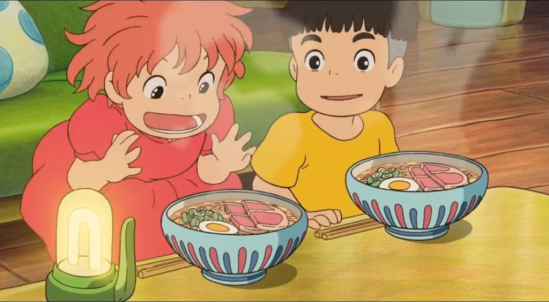 9. Ponyo (2008)
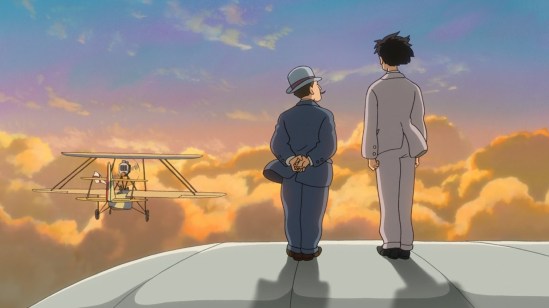 8. The Wind Rises (2013)
 7. Nausicäa of the Valley of The Wind (1984)
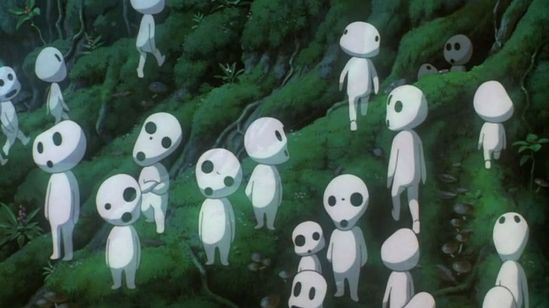 6. Princess Mononoke (2000)
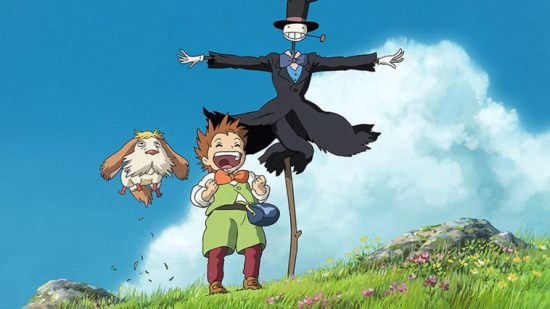 5. Howl’s Moving Castle (2004)
 4. Porco Rosso (1992)
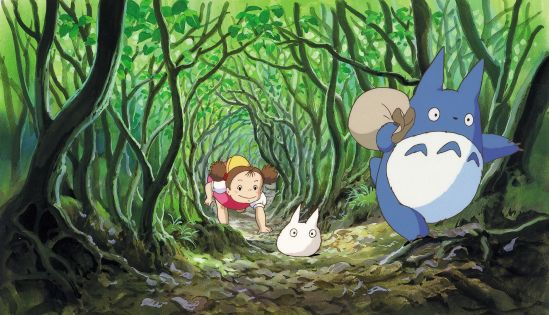 3. My Neighbor Totoro (1988)
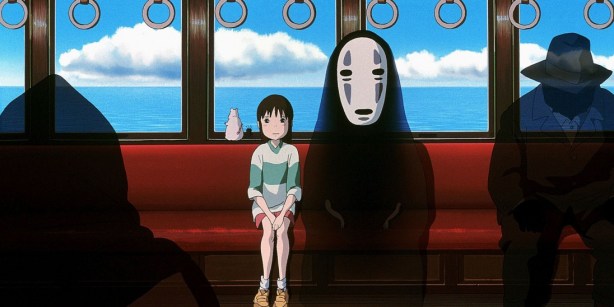 2. Spirited Away (2001)
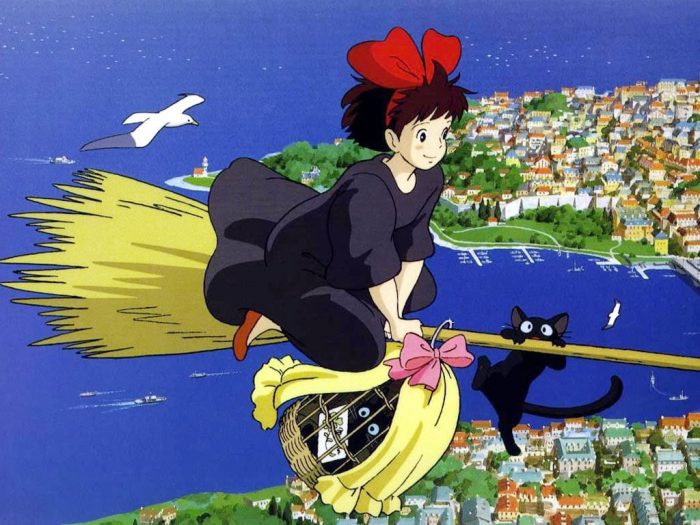 1. Kiki’s Delivery Service (1989)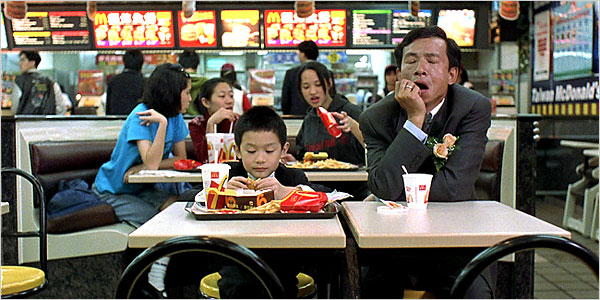
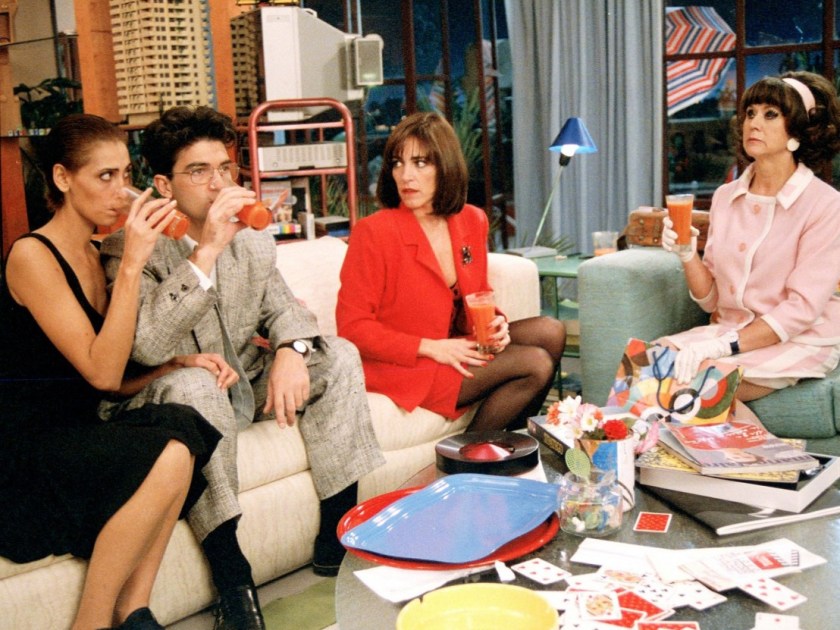
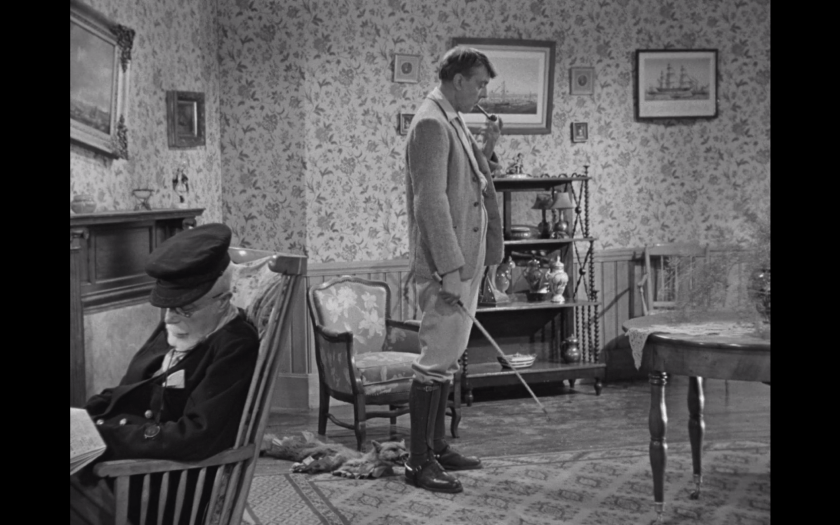
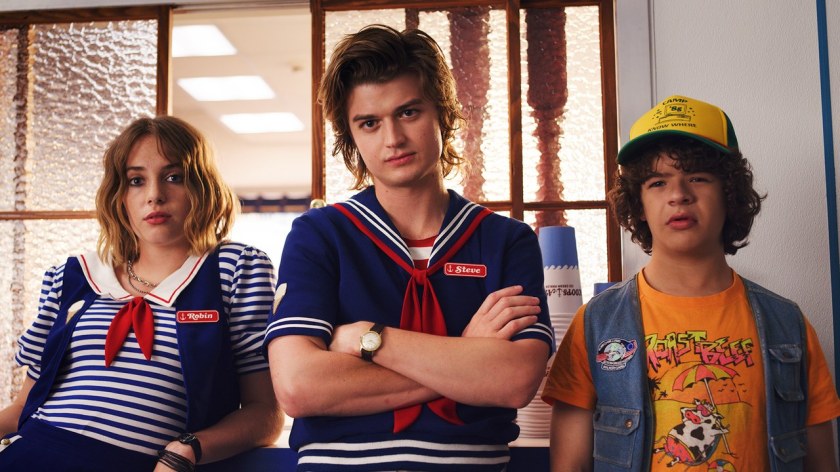


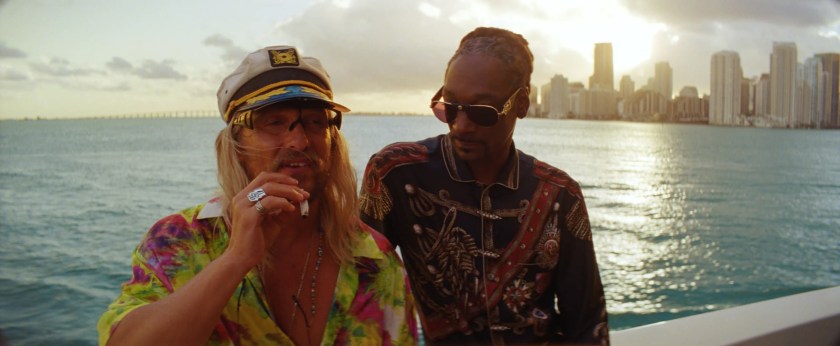
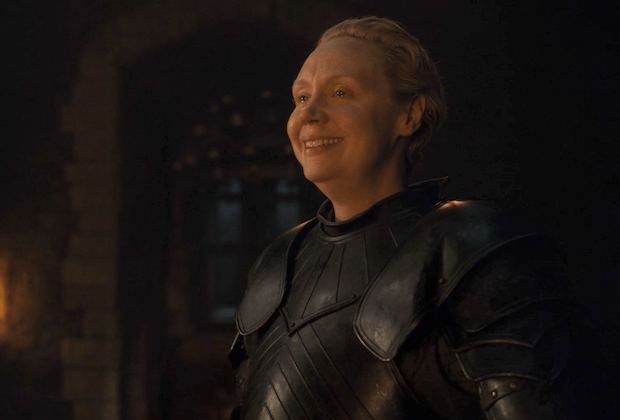
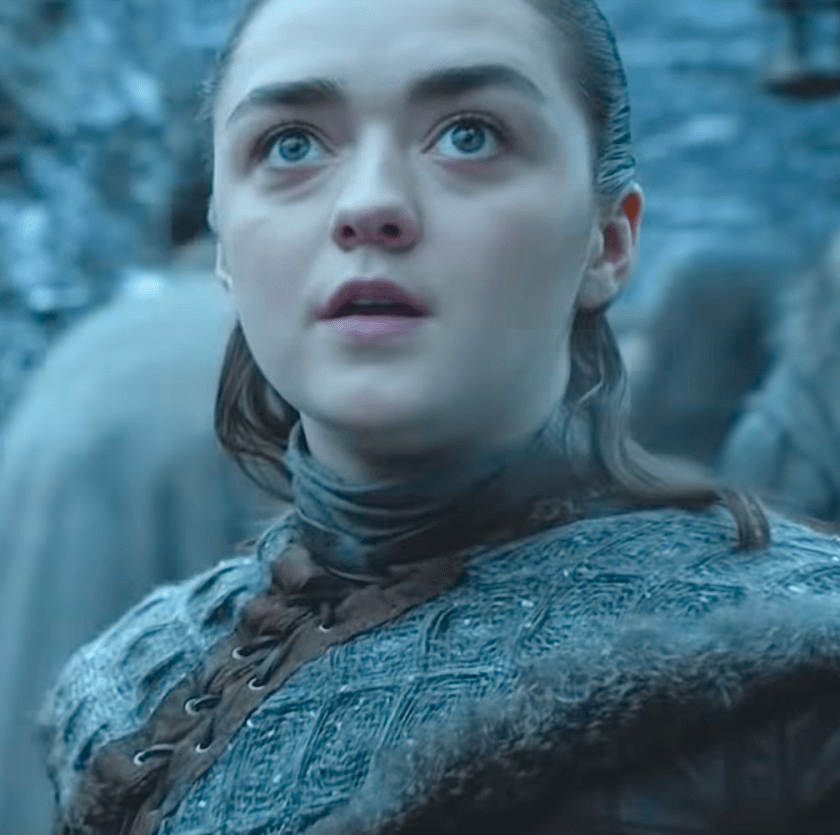
 Sam Writes Shit