2019 Reading Log

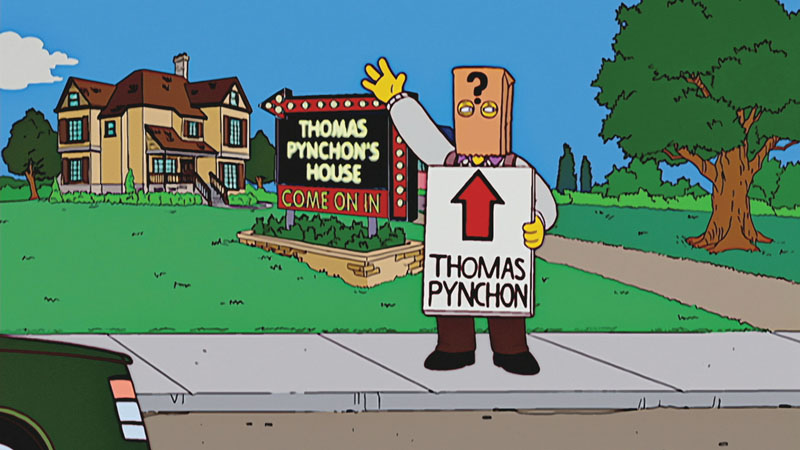
gravity's rainbow

January

The Neapolitan Novels – Elena Ferrante: My Brilliant Friend (2012), The Story of a New Name (2013), Those Who Leave and Those Who Stay (2014), The Story of the Lost Child (2015)):
An absolutely incredible series. The world of the story is so intricately detailed. I felt so connected to it. Ferrante writes more viscerally than any writer I’ve read. Reading the last 100 pages of the third novel is as furious as I’ve ever been from a story. A truly amazing four novels that I will definitely revisit at some point.

The Days of Abandonment – Elena Ferrante (2002)
Another stunning book by Ferrante. But unlike her Neapolitan Novels, I will surely never read this again. The narrator’s anguish is so painful to read. You feel completely trapped by her misery. I’m especially glad I read this after reading her other work. This novel focuses so squarely on anger, paranoia, and despair. I was glad to know she is more than capable of eliciting other emotions when she wants to.

February

Crossing to Safety  – Wallace Stegner (1987)
A beautiful novel. It’s one of the most earnest books I’ve ever read. The characters, and especially Larry, are so full of hope, optimism, and belief in the world. It’s infectious. Of course, the novel takes a turn. The ending is devastating. But I don’t believe the book was ever cynical. If anything its ending only reinforces the ties of friendship and love.

Zen and the Art of Motorcycle Maintenance  – Robert Pirsig (1974)
I anticipated this book being difficult. The first half, at least, is not. It’s incredibly engaging. Both the story of the road trip and the narrator’s reflections on quality feel so urgent. It’s hard to put down. As the story reaches a climax, the philosophy gets more advanced. I definitely started to lose the thread of Pirsig’s thoughts in the last 100 pages. However, I do believe I understood most of his argument.

April

Dune – Frank Herbert (1965)
Most of Dune underwhelmed me. That was surprising. I anticipated really loving it given that it comes up frequently alongside some of my favorite books: A Song of Ice and Fire, The Lord of the Rings, and even Harry Potter. Granted, these are all fantasy novels and series, and Dune is pretty strictly science-fiction. My problems with the book, however, weren’t with conventions of the genre but the storytelling.

Dune‘s scope is enormously broad. I think A Song of Ice and Fire is really the only comparison, and still, that may not be enough. Herbert touches not just on dozens of key characters, but whole planets, races, and the political and religious framework that ties it all together. Yet, as all this is happening, we’re following Paul’s journey from a Duke’s son to a Messiah. I didn’t feel like I spent enough time with any of the characters to form emotional bonds. This especially happens with the antagonists, the Harkonens and Feyd-Rauta, who sporadically appear and then must somehow rise up to be the novel’s villains.

The scope of Dune is incredible. For that reason, I believe the upcoming film could likely be amazing. I just wish the storytelling had been less broad.

Gravity’s Rainbow – Thomas Pynchon (1973)
(Along with A Gravity’s Rainbow Companion – Steven Weisenburger (1998) and Gravity’s Rainbow, Domination, and Freedom – Luc Herman and Steven Weisenburger (2013))

I spent over a year with GR. I read the first 2/3rds in about 5 months, taking meticulous notes and going line by line in the companion. About 7 or 8 months later, I read the final 1/3 in about a month, this time mostly skipping the companion book.

All of that being said, I found GR to be incredible. It’s hilarious, despicable, irreverent, and moving all at once. Everything in the book is inextricably linked, centering upon themes of determinism, capitalism, and war. I’ve found the Domination and Freedom book to make some really good points on the philosophy and psychology Pynchon is referencing in his book.

GR is the type of book that the more you put into it the more you get out. This isn’t surprising to me given its scope and size. I was nervous that this would be limited to an intellectual reward. After all, this is the postmodern novel. Yet, even through all of the hi-jinx and horror, I think that the novel is ultimately emotionally rewarding. It’s extremely dark, but strangely moving nonetheless.

May

Suttree – Cormac McCarthy (1979)
I had read the first 100 pages or so about a year ago for Bryce’s book club. While I found some parts amusing, I was ultimately bogged down by its lengthy descriptions and meditations on the filth (real and metaphorical) of Knoxville, TN. The second time reading, I pushed through. What’s surprising is that the second time through, these meditations are what I found most rewarding. I think it was ultimately a matter of not seeing the forest for the trees. The novel is comprised of stories and adventures involving Suttree. But ultimately, these stories aren’t really connected in a major way. What’s more, there’s not really a major plot they build toward. Instead, these vignettes could almost function as a collection of shorts that give us an impression of Suttree, the town, his life, and the people around him. At the beginning, I felt unsettled each time McCarthy would leave one story for another. But then, I learned to trust the novel and appreciate each new story for where it was going. The best example is Suttee’s time with the Oyster farming family. At first, I was so disappointed. I didn’t like the characters. I was displeased to have physically left the setting of Knoxville. By the end, it was my favorite part of the book. A biblically dark rumination on work, sacrifice, life, and death. I’m so glad I pushed through. It wasn’t an easy read, but it was rewarding.

July

What I Talk About When I Talk About Running – Haruki Murakami (2007)
I flew through this book. It’s definitely designed to read that way. I found the first 150 pages to be incredibly compelling. Murakami’s prose is so simple and vivid. It’s a fascinating window into his mind. The crux is that this clear, no-frills writing style really relies on the specific mediations to be worthwhile. The majority of the them are. I was particularly fascinated by Murakami’s recollections of starting out as a writer, and then as a runner. I was intrigued by his approach to training, and specifically how his relationship with running has evolved as his body starts to age. I found the last section of the book to be less interesting. And in this case, his clear cut approach doesn’t allow for any stylistic flourishes to elevate it. I was not particularly interested, for example, in hyper-specific descriptions of his swim lessons. Still, I haven’t spent much time reading memoirs. I can see from this one that there’s real value in getting a glimpse inside someone else’s mind.

The Hundred Secret Senses – Amy Tan (1995)
This was a real struggle for me. So much so that I finished a couple of other books while reading this one. Overall, I think it’s squarely mediocre. The biggest issue with I had with the book was that the characters are unlikable. The plot centers on many fantastical elements happening within the framework of a normal universe. I’m guessing it’d be classified as Magical Realism, a genre I have little familiarity with. Moreover, I’m guessing for the genre to work, you need to be on board with the characters’ journey through these fantastical elements. And in this book, I really could not get on board with Olivia. For most of the novel, I felt like the story was completely convoluted. It does all come together at the end in a pretty impressive way. I’d be interested to see if Tan’s other work lives up to the hype. But for now, I will be taking a break from her.

Seven Plays – Sam Shepard: True West (1980), Buried Child (1979), Curse of the Starving Class (1976), The Tooth of the Crime (1972), La Turista (1967), Tongues (1978), Savage / Love (1981):
My first entry into Sam Shepard! Really my introduction into 20th Century Theater. Aside from Shakespeare, and the ancient Greek and Romans, I really haven’t read much theater at all. It’s clear in these plays that language is the dominant force. It feels very much in line with Quentin Tarantino. The story, drama, and themes are all weighty, but it’s the words that are supposed to punch you in the mouth. True West, Buried Child, and Curse of the Starving Class were my favorites. They are also apparently part of a thematic trilogy. It makes sense. Each of these plays is structured in incredibly similar ways. Each centers on a fractured family dynamic. Each play features a member or members of the family attempting to remake themselves or have an awakening. Each also deals with the actual bonds of the family. Many of these members are distant or unrecognizable to each other. Aside from these dynamics, Shepard zeroes in on economic disparity and inherited hardship. Out of the collection, these three plays were also the most straightforward. They aren’t necessarily easy or what I would expect to be mainstream, but they are rooted in conflict and have a clear resolution. The Tooth of the Crime is wild. It’s a surrealistic rock and roll musical. I imagine it has to be seen to be fully understood. From reading it, my impression is that Shepard is trying to create his own mythological world in the likeness of so many rock and roll songs. Jungleland by Springsteen comes to mind. My least favorite play in the collection was La Turista. It is a bizarre, surreal, two-act, meta-commentary on…I’m not sure. It uses really provocative language and racist characters. It deals with Western expansion, privilege, and colonialism. Finally, there are the plays Savage/Love and Tongues. While I understand they’re meant to be performed and accompanied by music, on paper they are poems. So while I didn’t get the full scope of what these plays were meant to accomplish, I did feel like I could appreciate their language to some extent. 

Ordinary Grace – William Kent Krueger (2013)
This book was so good. I haven’t had such a compulsion to keep reading a story in a long time. I literally couldn’t put the book down during the middle 100 pages. It’s a strange and powerful amalgamation of so many stories I like. On the one hand, it’s a deeply meditative book on innocence, loss, and death. It touches on a broad swath of issues including trauma from the war, racism, prejudice, and colonization. Yet, there is a crime story set on top of this world. One that moves pretty fast too. The second half of the book is in many ways a pretty straightforward mystery. At times during the last stretch, I wished the book would slow down and remain a little more meditative. In some ways, I think the novel could have been even more powerful if the mystery wasn’t solved. Along similar lines, I wish the death toll didn’t get so outrageously high. The outing and death of Karl Brandt started to border on melodrama. That being said, I liked the ending of the book. It was powerful, satisfactory, and moving. I think what really carried the novel was the strength of its characters. They were all deeply rooted. You couldn’t help but feel for and admire them amidst all this tragedy. The standouts are Jake and the father. The father felt to me like Atticus Finch in Minister’s clothes. Still, he fit into this story and provided a moral compass. Likewise, Jake’s arc was incredibly moving. He served as a pillar of innocence and goodness. I was really moved when he’s able to overcome his speech impediment. In any other story, I’d probably be dubious. But amidst all the heartbreak, this one felt just. Overall, this book just hit me in all the right spots. I think it probably has some flaws. I’m still not sure if it’s a religious / Christian book.  I think the portrayal of women in the book is a little cliché. Still, it has me thinking about the type of stories I’m drawn toward. Ones that are thoughtful and deep and structured on its characters.

August

Calypso – David Sedaris (2018)
Although I’ve seen David Sedaris before, this was my first time reading him. I found this collection of stories to be so profoundly human. Sedaris has a real talent at telling colorful, insane, outlandish stories. So much of this book, in fact, is focused on his talent in telling stories, as opposed to the stories themselves. In “Sorry,” Sedaris compares his family to his in-laws specifically in the way they tell and listen to stories. How exaggeration, suspension of belief, and attachment to the narrator are all practiced in his family. Meanwhile, Hugh’s family interjects to dispute details and find compassion with the other side. In “Why Aren’t You Laughing,” Sedaris details his family’s relationship with their mother and her alcoholism. Specifically, he recalls how she actually groomed all their kids in telling stories: what details to focus on and what parts to leave out. The title is a commentary on this very feat. It’s about Sedaris letting his partner read manuscripts and his focus on the feedback. It calls attention to the way he balances sadness and comedy. The balance of this collection is probably 65% comedy, 35% tragedy. It really makes the somber moments so poignant. The greatest examples are Sedaris relaying stories about his estranged Sister who committed suicide. Likewise, Sedaris details his difficult relationship with his father. I really loved this book. It made me feel so connected to Sedaris and his family. I will definitely be reading more.

To the Lighthouse – Virginia Woolf (1927)
I had read To the Lighthouse at some point in college, but not close enough for it to stick. It is a masterpiece. What Woolf is doing is dazzlingly impressive. Word for word, she could be the best prose writer I’ve ever read. This novel is a clinic in stream of consciousness writing. It moves effortlessly between different characters’ thoughts within the same paragraphs and sometimes even within the same sentences. Lily Briscoe will look at Mrs. Ramsay as she paints, which transitions to Mrs. Ramsay’s thoughts about how Charles Tansley disappointed her son, which moves into a trip she took into town with Charles Tansley, which will transition back into her looking out at the field and seeing Lily Briscoe painting her. The novel’s major accomplishment is this presentation of multiple perspectives. It never feels like a gimmick or purely stylistic exploration. It’s so interwoven, it feels like the only way you could tell this story is through this style of prose. I am really just in awe of Woolf’s writing. I will definitely be exploring her other work.

September

Pet Sematary -Stephen King (1983)
Shamefully, this was my first Stephen King novel. I had previously read Faithful, his email correspondences during the 2004 Red Sox season, as well as Four Past Midnight, a collection of (mediocre) short stories. I had wondered what the trick was. Why do people love Pet Sematary so much? I can understand the buzz around It or The Shining. The premise of those books is terrifying. But Pet Semetary? It’s always seemed so silly to me. And while the movie is laughably bad, I figured it could be due to production and execution issues as much as the story itself. Here’s the thing: I think Pet Sematary is extraordinarily silly. It is so steeped in horror and magic, it’s just hard for me to take it seriously. That being said, I think Pet Sematary is also a pretty good book. Stephen King is a master storyteller. It’s really unbelievable. I’ve never felt so compelled to keep reading a story that I didn’t especially care for. I think the power of this book is almost solely in its telling. What’s more, King probably knows that. Throughout the first 2/3rds of the book, he spoils everything. Not even just foreshadows but straight up announces each death that will occur. On its face, it’s impressive King is good enough to do this and trust that his readers will keep going. Beyond that, it sets up the final act of the book. The part of that book that is genuinely terrifying. Through the novel, you’ve been trained by King to feel the pull of the story and of the sematary. By the end, when for the first time he isn’t telling you what will happen, you still know what will happen. It’s inevitable! And like the characters, you have to stand by and watch it happen. It’s incredible. He’s the best for a reason.

The Haunting of Hill House – Shirley Jackson (1959)
It was funny reading this after Pet Semetary because this book feels like a prototype for so many King stories. Particularly, The Shining. I thought Hill House was incredible. It’s short but perfect story. I loved how every aspect of it was carefully layered. We meet our gang: Eleanor, Theo, Luke, and Dr. Montague and realize that they reflect the history of this house. Luke, for instance, is a petty thief. We learn that his ancestors, squabbled over inheritances in the house as they appeared to go missing. Likewise, Eleanor arrives having just lost her mother. The twins who first inhabited the house also lost their mother. The novel is carried by the characters. They’re funny and compelling. You feel a sense of camaraderie living in the house with them. The relationship between them sours as the novel moves along. But at this point, the disturbances more than carry the book. I particularly liked when Arthur and Mrs. Montague come to the house. They’re perfectly hatable. The real hallmark of Hill House though is the ending. As I mentioned before, the story really works because of how carefully layered it is. It’s made even more powerful as we learn the disturbances are being caused by Eleanor. Whether it’s possession by the house or just a psychological break is left up to the reader. But it allows the story to completely resolve itself in surprising fashion. I was really impressed.

The Bluest Eye – Toni Morrison (1970)
Early in college, I read Beloved. While I found it challenging and impressive, more than anything I was deeply unsettled. It’s a provocative, difficult novel. It’s supposed to be confrontational and upsetting. I’ve read some other books that are meant to provoke. Lolita or A Clockwork Orange come to mind. But in both of these cases, the narrators are charming. The prose is fun and disarming. Confronting that is difficult, but the act of reading is made easy.

The Bluest Eye falls somewhere between these two modes. For a while, it is certainly upsetting, but not an unpleasant read. The care and detail Morrison puts into each of these characters is disarming. You feel their pains and desires. You find delight in their pleasures. More than anything, I think the amount of empathy you feel is overwhelming. It’s hard to be put off by a book that makes you feel so deeply for its characters.

This structure is part of a larger design. The Bluest Eye is undoubtedly meant to be upsetting and confrontational. Morrison builds up these different characters to show how they all contribute to the horrors left for the end of the novel. Like each of the characters in the book, Morrison makes you, the reader, feel complicit in this outcome.

I feel lucky to have read so many great books this year. That’s the wonderful aspect of reading classics. Most of them are bound to hold up. The Bluest Eye may be the best one I’ve read. If not the best, certainly the most impactful. From my own sheltering, Beloved was too painful for me to fully grasp the power and message of Morrison’s writing. I feel like this novel unlocked it. In a forward, Morrison laments her lack of ability in changing writing styles throughout the book. With respect to her, I have to disagree. I thought the way she is able to weave in and out of styles with different characters is astounding. By the time they come together at the tragic end of the novel, it’s all the more powerful.

Little Women – Louisa May Alcott (1868)
In the words of my brother Max, “What a delightful book!” It’s a remarkable document of life. It’s insane how well the humanity shines through considering it was published in 1868, 151 years ago. I mean, the first part of the novel is written and set during the Civil War. I know there’s a lot of classic literature that holds up. The Iliad is believed to have existed before written literature. Still, even with something like The Great Gatsby or In Search of Lost Time, they feel tied to a period in time. I think those novels are so focused on documenting their reality that they can’t help but feel dated. It’s not to knock either one of those books. They’re both profound works of literature. My point is that Little Women feels true to life in a way that few works of art do, even if it is 150 years old.

I think the best parts of Little Women are all in Part 1. The life that exists between our 6 main characters is incredibly charming. You grow to not just understand, but to love Meg, Jo, Beth, Amy, Mrs. March, and Laurie. It’s made all the more impressive considering that most of the trials are fairly minimal. It usually has to do with chores and manners. Alcott finds life in everyday moments. There are quite a few big moments in Part 1 too. Beth and Mr. March’s mutual illnesses are harrowing. Meg’s courtship and engagement is a big moment as well. I’m still drawn to the smaller bits though. The dinner party in which Jo and Laurie meet is one of the most charming moments I’ve ever read. I’m smiling just thinking about it. Another highlight is Beth’s relationship with Mr. Laurence.

Where Part 1 is almost timeless for me, Part 2 has a few moments that are dated. First off, I think it hurts the novel that the sisters are apart. Nobody suffers for it more than Meg. In Part 1 she shines as a character for her reserved leadership as the oldest sibling. You feel for her as she goes through many of life’s trials first. The ball in which she dresses up or her courtship are examples. In Part 2, these moments don’t work as well. Her trials as a mother feel less meaningful without her sisters there to learn from and support her. I think the book shows its age here too. Many of the ideas of family and young marriage feel especially dated. Part 2 also suffers in that it removes Beth. Aside from Jo, she’s the best character in Part 1. In Part 2, she doesn’t have any point of view chapters. She exists as a model of faith and suffering for her family. It’s less impactful when she dies because we don’t see her truly live in Part 2.

The Jo, Amy, and Laurence storylines are the highlights of the second part. I do feel aversion to how it turns out, but I think that’s a sign that it works. It’s eliciting such a strong reaction, even if it’s disagreement. Alcott still does a great job of resolving everything well. You feel surprised and delighted when Mr. Baher shows up to court Jo. Still, it’s hard for me not to think of Jo and Laurie as a perfect couple. It feels off for Laurie to be rejected and then end up with Amy.

I’m incredibly glad I decided to read Little Women. I wish I could bottle up the experience of reading the first 300 or so pages. I’m excited for the movie even if it’s supposed to focus on Part 2. I think it may actually work better for me to re-contextualize some of the parts I didn’t like. I hope Gerwig can capture the many aspects of this novel that are timeless. It’d be a bonus if she can update the few parts that aren’t.

October

The Elegance of the Hedgehog – Muriel Barbery (2006)
To start off with, I think this was one of the worst books I could have followed up Little Women with. Little Women is the most earnest, optimistic, and life-affirming piece of literature I have probably ever read. It is wholesome. The Elegance of the Hedgehog starts out being one of the most cynical and pretentious pieces of literature I have read. For about the first 200 pages I really hated it. Why? The novel is told through the perspectives of two characters who I really couldn’t stand. You have Renée, the concierge. She has lived a life hiding her intelligence, working as a concierge at a bourgeoise apartment building. She is unbearable. Despite the fact that she feels the world has done her a great injustice (which it has), she is the worst person in the apartment complex. She sits and picks apart her tenants. All because they have money but not the same intelligence as she. When she reads through Colombe’s thesis, she laments the fact that this is what the rich, well-educated, waste their privilege and resources on. All the while, she has been hyper-intelligent and is literally hiding it from the world. She doesn’t do anything except pick her tenants apart. We also get the perspective of Paloma. A precocious 12-year-old who has decided that the world is so terrible and unworthy of her intelligence and perception, that she’s going to set fire to the apartment and kill herself. I find her more bearable than Renée, but just in the fact that at least she is young so she has an excuse to be so stupidly arrogant. That’s where I was, 200 pages into the book. I was sure this was destined to be a novel that I hated. While I don’t think it’s particularly good, the novel proceeds from there at a best-case scenario for me. Renée and Paloma meet Monsieur Ozu who is able to unlock the intelligence from both characters. The thesis of the book becomes not a rejection of the unintellectual elite, but that art, culture, and intelligence need to be shared. The novel rejects and repositions both Renée and Paloma’s outlooks on life. So thankfully, I really enjoyed the last 120 pages of the novel. There were some parts that were charming and really funny. I’m not sure they really do enough for me. You still have to sit through 200 pages of pretension to get there.

The Secret Life of Bees – Sue Monk Kidd (2001)
I flew through the first half of this novel. Lily, the narrator, is so engaging right from the start. I think the prose was refreshingly breezy after Elegance of the Hedgehog. You probably can’t get much farther apart than a French philosophical translation and a rural South Carolina dialogue. The novel is fine but didn’t completely hold together for me. It roots itself in one issue which is Lily’s guilt and sorrow over her dead mother. While I think the events of the novel provide some catharsis and shed light on grief, I’m not sure it was enough to earn the whole novel for me. In a way, it was similar to The Hundred Secret Senses. I think every theme and issue each novel tackles is worthwhile. But it feels a little too neatly put together to pay off in a big way. In other words, I don’t think the major themes each novel tries to convey are totally earned. This novel also had something of a Green Book issue. It’s set in 1964 South Carolina at a black home. Yet our protagonist is white. The novel is decidedly more interested in Lily’s internal struggles than any of the other characters or the Civil Rights Movement. I don’t think anything in the book is problematic per se. It just feels like it’s telling a less essential story.

The Art Of Hearing Heartbeats – Jan-Philipp Sendker (2002)
I think the beginning of this novel is really rough. I don’t know if I’ve seen an exposition download quite like this one. The story opens with our avatar, Julie, arriving in Burma and hearing paragraphs upon paragraphs of information we need to know. What is odd is that this becomes the framing device for the rest of the novel. The rest of the novel is U-ba telling Julie the story of her father. But we don’t know this yet. At this point of the novel, we think the story will be Julie’s quest to find her father. I really don’t know why they framed it this way. Obviously, the book is trying to set up this great mystery. How could Tin Win vanish and abandon his family? What would justify this action? For the rest of the book we get a fairly compelling case. I think the best parts of this novel are good. It’s magical and so, so romantic. The novel doesn’t have any issue setting up how much Tin and Mi Mi loved one another. So this solves the initial problem. But, it really just creates a bigger one. I don’t buy for one second that Tin Win would have left Mi Mi. In the story, it’s chalked up to the conservative nature of Burmese society. That seems extraordinarily weak to me. What’s even more perplexing is how utterly cartoonish the villain behind their separation is. His whole goal is to cure Tin Win’s blindness and thus appeal to the gods. His task is to help a distraught and suffering family member. So he does this and chooses to provide Tin Win the best education he can buy. Yet he also reads Tin Win’s and Mi Mi’s correspondences and hides them from each other? He works tirelessly to keep them apart. And why? Because he thinks love is foolish? It’s total bullshit.  So does the novel work? On the one hand we get a very endearing and compelling love story between Tin Win and Mi Mi. On the other hand, Sendker chooses to frame it through the less of Tin Win’s daughter and to double down on it being a tragic love story. So no, the novel does not work. Sendker has a compelling story in here. But in an attempt to dramatize it even more, he completely fucks it up.

Tenth of December – George Saunders (2013)
This is the best thing I’ve read this year. I feel like I’ve discovered a new favorite author with this collection. I’ve never felt so in line with the sensibilities of a book. The stories here are mostly comedies, all of which are very dark.

The first story, “Victory Lap,” is such a feat. We get internal monologues from three perspectives. A 15-year old girl who fantasizes about different suitors appearing to court her. During this narrative, she looks out the window and sees her weird neighbor running home from cross country. We shift to his perspective. He is hyper-sheltered from his parents. His objective is to place a geode in the backyard garden so he can earn chore points and get a scoop of yogurt with raisins. As he goes to do this task he sees a man approaching his neighbor’s house. We then move into the man’s perspective. He is here to kidnap and rape the girl. He’s stolen his friend’s van to do it. As he kidnaps her, the three perspectives come together. The girl and the man are in a struggle. The hyper-sheltered kid is frozen, knowing his parents would kill him if he did anything but look away. But he breaks free, running with the geode and smashing the man and his car. It’s so dark and so unbelievably funny. Besides the absolute genius in how Saunders structures the story, it is how much empathy he has for each of the character’s perspectives. He gives them realistic hopes and aspirations. Even if they’re totally depraved. For how dark the story is, you really come away thinking what a humanist Saunders appears to be.

I would argue this is no more clear than in “Escape from Spiderhead.” This story is definitely much less funny than some of the others. It does something maybe even more challenging. It is so dark and yet probably shows more humanity than 99% of other stories. We meet our narrator who, through a dystopian, future prison is subject to drug testing. One of the drugs, in particular, makes you fall in love at such high intensity. In each situation, he and his counterpart have sex three times and talk as if they’ve known each other all their lives. We realize as the experiment goes on, that the prisoners will have to be subject to the opposite sensation. A drug so thoroughly depressing that it kills one of the prisoners. At the end of the story, our narrator uses this drug to kill himself in order to stop another prisoner from experiencing it. It shows such humanity, from a killer no less, in the face of utter darkness.

The best story in the collection, and arguably the best story I have ever read is “The Semplica Girl Diaries.” There were times reading this story in which I couldn’t even look at the page from laughing so hard. The conceit of the story is that it is a series of journal entries, one page, every day, from a downtrodden, ordinary man. The outset is hilarious. He drops articles frequently. It feels like a precursor to the way Drumpf addresses the nation on twitter. He also addresses us as “future reader” and asks us if we’re still familiar with such mundane things as credit cards. It feels like such a joke. But there’s a twist. It actually reminded me of how the comedy in “I Think You Should Leave” is structured. We are laughing from the outset, but we don’t even know what the joke is yet. The twist here is that this man is not writing from our world but an actual dystopia. One in which, as a display of wealth, families hang up living immigrant girls as garden decorations. The man, in another absurdly comical twist, wins the lottery and finally has a chance to buy these symbols of wealth. It wrestles with the complexities of wealth and morality, while also being obscenely dark and funny.

I feel like I could highlight every story in the collection. I would definitely like to shout out “Puppy” as well as “My Chivalric Fiasco.” What really cemented this book for me is the title story. There’s not a whole lot to say except that it’s funny, beautiful, and so sad. Saunders is so good at writing from the perspective of the down-trodden and yet never really makes fun of them. If he does have some laughs at their expense, it’s because we ultimately sympathize with them. It’s such powerful and lively writing. I’m sure it’ll stick with me.

November

The Hitchhiker’s Guide to the Galaxy – Douglas Adams (1979)
I read this on the recommendation of Bryce. When I had mentioned Tenth of December, he said he hadn’t read a really funny book in a while and wanted to re-read this. This book is really funny. It’s extraordinarily absurd. The level of absurdity actually threw me off a bit. This book is so unconcerned with traditional mechanics, like plot, I was a bit lost in it. Because my book contains a making of the feature section in the back, I didn’t even realize I was near the end until it was over. Looking back on it, I’m beginning to appreciate the novel as a whole. It’s a small, clever story. One that really only comes together when you take it in as a whole. I wouldn’t say this is one of my favorites. Especially not in the way it is for a lot of people. It was fourth in the BBC’s Big Read! Still, Adams’ narration is really funny. The book is smart and clever. I think I would have appreciated it more if not for its legacy.

The Old Man and The Sea – Ernest Hemingway (1951)
I don’t have a lot to say. Will my brevity be as profound as Hemingway’s prose? Hopefully. This story is wonderful. It’s completely engaging. It’s thoughtful and meditative. I’m so glad I read it. The thing that shines most is Hemingway’s writing. His language is crisp and clear. He writes 127 pages without breaks. It’s one continuous story. It’s a real feat as a writer.

Movie Log – August

lady snowblood
Lady Snowblood

3rd: Mission: Impossible – Fallout – Christopher McQuarrie
A wild movie. Watched at the Logan with Gioia. Truly, truly enjoyable. The fight scene in the bathroom stands out in particular. Honestly, this movie was 147 minutes and it didn’t feel that long. Probably the highest compliment I can give. Of course, the plot is convoluted but who really cares?
Grade: B
MI Fallout – Christopher Mcquarrie (2018)

11th: Blackkklansman – Spike Lee (2018)
Watched at the Logan with Gioia. Really enjoyed this too. I think the tone got pretty bizarre at the end. Seemed like endings to two different movies back to back. First, the failed KKK attack, then the wire to get Flanders to admit to assaulting Patrice. The real coda, the 2017 Virginia attack, was brutal and really juxtaposed a lot of the comedy and playfulness in the film.
Grade: B+
Blackkklansman – Spike Lee (2018)

23rd: Lady Snowblood – Watched at home with Gioia. I do not remember many of the specifics. My biggest takeaway was that so much more of Kill Bill was taken from this movie than I can imagine. It was great.
Grade: B+


Movie Log – July

Stand By Me

1st: Mildred Pierce – Michael Curtiz (1945)
Watched at Music Box with Maureen. Pretty fun movie to watch. It’s so melodramatic. The opening scene was terrific. I thought the last bit of the movie dragged a little. I also definitely didn’t understand some of the internal logic of the film. But it was undeniable fun and Joan Crawford is amazing to watch.
Mildred Pierce – Michael Curtiz (1945)

13th: Sorry to Bother You – Boots Riley (2018)
Watched at Logan with Alice, Ben, and Adam. I liked it but didn’t love it. My initial impulse was to resist a lot of the surrealism and insanity of the movie. Which was clearly not how the movie is meant to be watched. And I think that set up is the only way the movie ends up coming together with the big twist at the end of the 2nd Act. I’ll definitely rewatch at some point. Aside from those story issues, I thought the performances and visuals were terrific.
Grade: B-
Sorry to Bother You – Boots Riley (2018)

16th: The Big Lebowski – Coen Brothers (1998)
Watched at home. Still a top 5/ top 10 movie for me. For sure my favorite Coen brothers movie. It’s so smart, stupid, and hilarious. I feel like I pick up 10 new jokes every time I watch it. This time I picked up on how much of a satire/parody it is of Raymond Chandler-esque noir films.
Grade: A
The Big Lebowski – Coen Brothers (1998)

27th: Stand by Me – Rob Reiner (1986)
Watched at the Music Box with Alice. Unbelievable good. I really loved it. The last time I watched it was probably when I was 10 or 11. It’s remarkable how many of the moments (especially the train and the body) I remembered. And still, I think my impression of the film was totally different. Especially the sentiment about not staying in touch with your childhood friends.
Grade: A
Stand By Me – Rob Reiner (1986)

28th: The Dead Zone – David Croenberg (1983)
Watched at the Music Box with Alice. Fucking weird movie. I thought it was pretty mediocre. It felt like 10 movies crammed into one. Apparently, others really love it. Who knows?
Grade: C+
The Dead Zone – David Croenberg (1983)

28th: Needful Things – Fraser C. Heston (1993)
Watched at the Music Box with Alice and Ben. Another fucking crazy Stephen King movie. I also thought this one was pretty mediocre. Apparently, most people agree with me here. I did enjoy how over the top it was.
Grade: C+
Needful Things – Fraser C Heston (1993)

29th: Pet Semetary – Mary Lambert (1989)
I don’t know what I could even say. It was a pretty perfect midnight movie.
Pet Semetary – Mary Lambert (1989)


Movie Log – June

kidman.jpg
Nicole Kidman in Eyes Wide Shut

3rd: Barry Lyndon – Stanley Kubrick (1975)
Watched at Music Box with Maureen. It was the perfect way to watch it. I think if I had fired it up at home I would have got up to the kitchen, started looking at my phone. Seeing it at a theater, that’s obviously not an option. The film is so visually beautiful too. I would guess it did really help to see it on a big screen. The most impressive part of the film is how it looks. Kubrick is the best. How he does it is something I have resigned myself to never really understand. Aside from that, I was blown away by the tone. Over the three and a half hours it never wavers.
Grade: A

8th: Hereditary – Ali Aster (2018)
Watched at Regal Webster 11 with Paige, Alice, Ben, and Adam. It was a really fun viewing experience. I haven’t seen a horror movie with a crowded theater before. The best part of the whole movie was just hearing people’s ridiculous reactions. I thought the movie was closer to just being really well done as opposed to truly terrifying. Not that those are mutually exclusive. But it didn’t scare the shit out of me like I expected. If there’s one part of the movie that’ll last it’s the car-ride sequence. The moments after, in which Peter can’t turn around, were exceptionally brutal.
Grade: B+
Hereditary – Ali Aster (2018)

9th: I, Tonya – Craig Gillespie (2017)
Watched at home during the day. It was an enjoyable watch. My favorite parts were the music and the performances. I’m still not sure how I feel about the set up of the movie. The mash of staged interviews, characters breaking the fourth wall, and then a standard narrative felt a bit overstuffed. The approach to investigate truth through the biopic was a good choice though I’m not positive it completely pulled it off.
Grade: B
I Tonya – Craig Gillespie (2017)

9th: Eyes Wide Shut – Stanley Kubrick (1999)
Watched at home at night. I loved it. I really don’t know how much to add besides that. It’s incredible to look at. The premise of the movie, following Tom Cruise, throughout three nights is brilliant. Mostly, I just loved how the same themes kept coming up over and over again. Each place Bill enters adds to his suspicions and paranoia, and eventually to his emasculation. I think it’s a movie I’ll keep revisiting and never watch the same way twice.
Grade: A

10th: Taxi Driver – Martin Scorsese (1976)
Watched at home with Bryce. An absolutely incredible film. It’s a masterpiece. The film has easily one of the best screenplays I’ve ever seen. I love how the first half of the movie is a slow unraveling of Travis and the second half is an action-packed test to see if he can contain himself. Travis has to be one of the best characters in movie history. His disgust at the city is hilarious, scary, and a little too relatable for comfort.
Grade: A
Taxi Driver – Martin Scorsese (1976)

16th: Bull Durham – Ron Shelton (1988)
Watched at home alone. I really liked it. I forgot how much the movie is about sex. It’s probably more about sex than baseball. I also forgot how goofy a lot of the comedy is in it. The dialogue and the performances are top notch. I really appreciated how every aspect of the movie is going for it. Crash’s speech, for example, is not exactly subtle but it’s what is great about the movie.
Grade: B+ / A-
Bull Durham – Ron Shelton (1988)

17th: Scott Pilgrim Vs. The World – Edgar Wright (2010)
Watched at home as part of the I’m sick as shit movie marathon. It’s a pretty great movie to watch while sick. Every aspect of it is pretty fun and enjoyable. My favorite part of the movie was the cast, especially Mary Elizabeth Winstead and Brie Larson. Some of Edgar Wright’s hyper-stylized approach doesn’t always land with me (and I would argue this is his most stylized movie) but it mostly worked here.
Grade: B/ B+
Scott Pilgrim Vs The World – Edgar Wright (2010)

17th: Bill and Ted’s Excellent Adventure – Stephen Hereck (1989)
Watched at home as part of my I’m sick as shit movie marathon. Another great movie to watch when feeling dazed. I thought it was pretty stupid and mostly funny.
Grade: C+
Bill and Ted_s Excellent Adventure – Stephen Hereck (1989)

18th: History of the Eagles – Alison Ellwood (2013)
Watched at home. Still really sick during it. Part One is easily the best music documentary I’ve ever seen. And I didn’t even like the Eagles. And now I kind of do. It’s just unbelievably good. The archival footage and performances are so much fun to watch. Even better is the members’ updated commentary on the situations. Part Two is a bit of a letdown.
Part One Grade: A / Part Two Grade: C

18th: Die Hard – John McTiernan (1988)
Watched at home. Still sick as shit. It’s incredible. Just a perfectly crafted and executed action movie. The screenplay is so tight. Everything that happens ties back together and its motivated by something we see. The performances are terrific. Hans Gruber is an all-time villain. It’s an all-time movie.
Grade: A
Die Hard – John McTiernan (1988)

18th: The Maltese Falcon – John Huston (1941)
Watched at home. Yes, we’re still in the sick-time movie marathon. The performances in the movie are remarkable. It’s mesmerizing to watch Humphrey Bogart. There’s so much happening. I definitely need to re-watch to get a firm grasp on it. But it is undoubtedly a classic.
The Maltese Falcon – John Huston (1941)

19th: Rebel Without a Cause – Nicholas Ray (1955)
Watched at home sick. One of the most beautiful looking movies I’ve ever seen. James Dean is undoubtedly one of the best looking people I’ve ever seen. I feel like I could watch it multiple times just paying attention to the colors, settings, and framing. Another classic.
Rebel Without a Cause – Nicholas Ray (1955)

19th: Two Friends – Jane Campion (1986)
Maybe the best movie I saw during this whole sick time film festival. It’s such a beautiful, moving film. Maybe the best movie I’ve seen about friendship. It’s certainly the best movie I’ve seen about female friendship. The reverse timeline never feels like a gimmick. Instead, it feels like a meaningful and useful exploration of this relationship.
Grade: A

19th: The Piano – Jane Campion (1993)
Another sick time film festival selection. This movie is so well crafted and plotted. Holly Hunter gives an amazing performance. She does more than most actors without speaking a word. I was astonished by how nuanced each beat of the film is. The little play is especially stunning. My only complaint is that this isn’t an easy movie to watch, but that’s not what it’s trying to be.
Grade: A-
The Piano – Jane Campion (1993)

23rd: Seven – David Fincher (1995)
Watched at home at night. I mostly really liked it. I really liked David Fincher. I thought a lot of the movie was truly terrifying. The jump scares with the dying pedophile and with the suspect firing at Mills and Somerset were terrifying. The ending is pretty rough.
Grade: B+ / A-
Se7en – David Fincher (1955)

24th: The Sixth Sense – M. Night Shyamalan
Watched at home during the day. It’s a really good movie. I think the most impressive thing about it is that even knowing the twist ending, it still works. It may work even better.
Grade: A-
The Sixth Sense – M Night Syamalan (1999)

27th: Bound – The Wachowskis (1996)
Watched with Maureen at the Music Box. There was a wonderful Q+A with Lana Wachowski afterward (where we found out we had just watched her personal print!). It’s a really, really fun movie. I’m thrilled I saw it at a theater. It feels like this movie is so ahead of its time. it’s a neo-noir thriller that flips the script on genre conventions. What’s more, it ends on a note of empowerment for the two main characters, a lesbian couple that drives into the sunset.
Grade: A-
Bound – The Wachowskis (1996)

28th: The Witch – Robert Eggers (2015)
Watched at Maureen’s with Maureen, Alice, and Paige. I really loved it. It tapped into a primal fear of just facing the wilderness with little to no technology. I thought showing the witch right away was a brilliant twist. Moreover, I just really liked how the movie unfolded. By the end of the 2nd act, I wasn’t sure that Thomasin was innocent.
Grade: B+ / A-
The Witch – Robert Eggers (2015)


Movie Log – May


show_2011_almost-famous_13045899171551
A recreation of the cover to Neil Young’s Time Fades Away in Almost Famous

10th: Eighth Grade – Bo Burnham (2018)
Watched at the Music Box. Part of the Chicago Critics Film Festival. It was sold out which was a new experience for me watching a movie. I thought this film was so well done. The crowd, in particular, was really loud because so many scenes elicited visceral reactions. My greatest takeaway from the film was just how far the stakes in individual scenes can take a movie. Every scene left you on the edge of your seat because they all had huge emotional stakes for the main character. It also really helps to establish the tone throughout, a combination of hilarious and cringe-worthy scenes and deeply heartfelt emotional weight. I think my favorite moment was at the very very end of the film where the main character goes on a date and the guy asks if she believes in god. It’s a hilarious moment, but we’re not laughing at these characters exactly. We’re laughing because we’ve all been on a first date in middle school and asked ridiculous shit like that.
Grade: A
Eighth Grade – Bo Burnham (2018)

11th: Sweetie – Jane Campion (1989)
Watched at home alone. It’s such an incredibly layered film. It’s amazing to me that this was her first feature. Aside from the structure and plot of the movie, the photography is almost always gorgeous. I particularly loved in the beginning as Kay narrates about her fear of trees, the camera follows her on the sidewalk but moves behind the trees. It feels like all of these details are interwoven. I’m positive it’s a movie that I could watch and keep picking up new information every time. This is a limited comparison, but it reminded me of Mike Leigh’s emotional sensibilities combined with Terrence Malick’s visual filmmaking.
Grade: A
Sweetie – Jane Campion (1989)

12th: Rififi – Jules Dassin (1955)
Watched at home alone after seeing it come up in an episode of The Americans. Really cool movie. It makes me wonder how many later robbery/heist movies are essentially trying to re-frame this. This coolest part is the heist itself, where there’s no dialogue for an extended period of time. I thought what especially makes the whole film work is the setup at the beginning. All of the information we learn before the heist it really put on hold until the 3rd act. It ties everything up after the actual robbery.
Rififi – Jules Dassin (1955)

12th: My Dinner with Andre – Louis Malle (1981)
Watched at home during the day. It’s stunning. The entire movie is just a real-time (maybe even extended) dinner between two people, and it is unbelievably captivating. Obviously, it’s the dialogue that carries this movie. I have no idea really how it does it. It’s just endlessly fascinating to listen to. The only real structural manoeuver I could make out is how Wally’s attitude changes over the course of the conversation. He starts out as someone who doesn’t even want to have this dinner, the becomes a tepid reactor for all of Andre’s points. Finally, he turns the conversation and starts inserting his own viewpoint, which in many ways is the embodiment of the philosophy Andre has been preaching.
Grade: A
My Dinner with Andre – Louis Malle (1981)

12th: Last Flag Flying – Richard Linklater (2017)
Watched at home at night. I was really moved by it. For whatever reason, it exceeded all of my expectations going into it. The parts of the movie I found most interesting were the humanistic, character-driven parts. Steve Carrell’s character was so heartbreaking. I even loved the interplay between Bryan Cranston and Laurence Fishbourne’s characters as surrogate Angel and Devil stand-ins. I think the movie works because of how enjoyable it is spending time with the characters even in the face of personal tragedy. The movie makes you hang on to see if Doc can have any peace after all of this. I’m pretty neutral on the arguments the film makes on war. I could understand if people thought it was preachy. I did not.
Grade: B+
Last Flag Flying – Richard Linklater (2017)

13th: Glengarry Glen Ross – David Mamet (1992)
Watched at home alone. My first encounter with David Mamet. It is really quite something. I loved it. The dialogue and the performances especially are so fun to watch. I think the writing is great. It’s the dynamic that keeps the film moving, and while a lot of it is styilistic flourish, it allows the film to hide the key bits of information in plain sight.
Grade: B+ / A-
Glengarry Glen Ross – David Mamet (1992)

13th: Other People – Chris Kelly (2016)
Watched at home alone.  I did not mean to watch a super sad movie about a mom dying on mother’s day. It just worked out that way. I really like a lot of the movie. I thought the callbacks to “Drops of Jupiter” were great. The film also does a really good job at setting up each family member’s relationship with David without explicitly stating it. I think the most powerful example is the distance between him and his sisters, which ends up being his mom’s greatest concern at the climax of the movie. My only critique is that it’s a slow burn. The first act, in particular, feels long.
Grade: B / B+
Other People – Chris Kelly (2016)

14th: Singles – Cameron Crowe (1992)
Watched at home at night. It’s a pretty entertaining watch. I can’t lie, I really dig the soundtrack. I also really enjoyed the cameos in it, especially Eddie Vedder. I also thought that Bridgett Fonda was so good despite playing a really pretty dumb part. My main issue with it is that I think it has too much of the cheesiness of most romantic comedies. It’s bending over backward to be cool and to almost comment on a generation of young people. I hate that.
Grade: C
Singles – Cameron Crowe (1992)

19th: Antichrist – Lars Von Trier (2009)
Watched at Wills’s with Wills and Tommy. I think this film surely has merit. I don’t think that Von Trier is just a thoughtless provocateur. However, I don’t really want to think about this film anymore. I certainly don’t imagine I’ll ever watch it again. It was an experience for sure though.
Antichrist – Lars Von Trier (2009)

20th: Fahrenheit 451 – Ramin Bahrani (2018)
Watched at home with Bryce. I thought it was alright. Not the most flashy or compelling film. But it was short. I thought the story was pretty effectively streamlined. There was one main tension the movie followed without getting into other distractions from the book. I agree that a lot of the dystopia aspects don’t hold up to much scrutiny. The social media aspect seemed like a failed attempt to modernize the story.
Grade: C / C+
Fahrenheit 451 – Ramin Bahrani (2018)

25th / 26th: Hoop Dreams – Steve James & Simon Schumann (1994)
Watched at home. It starts a bit slow but unfolds into something incredible. It’s honestly one of the most human films I’ve ever seen. By that pretentious terminology, I mean it really captures life over the span of four years. Each scene feels so real, and yet seems to act as a microcosm for so many things. Which is amazing, because, in reality, those are just moments captured in a documentary. In many ways, I thought the minor characters were the most compelling part. It’s unbelievable to me that William’s brother, Arthur’s dad, or the St. Joseph’s coach were all real people. You couldn’t have written fictional characters better than them. This is definitely a movie I’ll revisit. I think you could watch it ten times with a focus on a different issue and have plenty to work with.
Grade: A

26th: Creepers (aka Phenomena) – Dario Argento (1996)
Watched at Music Box with Maureen and Frank. A truly insane movie. It is a ridiculous premise with ridiculous dialogue that looks amazing. Would definitely watch again.

27th: Almost Famous – Cameron Crowe (2000)
Watched at home at night. I wanted to revisit this one after watching Singles. I think this one is so, so good. It’s set up on a premise that is insanely fun to watch. But what really makes it great is the way it unfolds. It is, of course, very sentimental. I could see a scenario in which this movie, or any other Cameron Crowe movie, is derailed by it. But here it works! There are so many setups that are buried in the fun of being on a rock and roll tour that when Crowe starts paying them off it’s really moving and surprising. I expected the premise of the movie and the soundtrack to hold up. I really wasn’t expecting the script to be as air-tight as it was. I love it. I think it’s almost perfect.
Grade: A
Almost Famous – Cameron Crowe (2000)


2018 Movie Log – April


florida project
Brooklynn Prince in The Florida Project


1st: Lincoln – Steven Speilberg (2012)
Watched at home during the day. Really surprised by how much I liked it. I thought the dialogue was especially riveting. The performances were great. Especially Daniel Day-Lewis. If I have one complaint, it’s probably that it’s a bit overstuffed. Especially for the short time-frame, the movie takes place in. However, I did think keeping the movie in a tight time-frame was pretty effective.
Grade: B+
Lincoln – Structure

1st / 2nd: The Zen Diaries of Garry Shandling – Judd Apatow (2018)
Watched over the course of two night at home. Probably the best documentary I’ve seen since OJ: Made in America. Like that movie, this one explores the entire life of a person. The journey of Garry Shandling. Thinking back on it, it’s amazing how at the end he’s a completely different person. There’s a letter at the beginning where he confesses that he doesn’t know if he’s funny. Then at an interview at the end, he says he knows he can be funny whenever he wants, he just doesn’t know when it’s appropriate. I do think there are chunks of the movie I would cut. While I was watching it, I felt that they kept coming back to his relationship with his mother without having much else to say. Yet, the documentary is five hours long and it’s only maybe 30 mins I would cut. And everything with his mom comes back at the end and emotional climax of the documentary. I thought that this was a remarkable watch. I really did not expect to be as moved or transformed as I was.

3rd: A Wrinkle in Time – Ava DuVernay (2018)
Watched at Regal Webster 11 with Alice. This movie makes no sense. I honestly don’t know what it’s about or what it’s saying. I honestly think it may have nothing to say. There are a few things that are shot in interesting ways. Besides that, nothing. The rules of the world are never established. The characters don’t grow or change. They accomplish tasks with no explanation. I don’t even know how they’re getting around. I honestly can’t believe something this bad gets made.
Grade: F
A Wrinkle in Time – Structure

4th: Annihilation – Alex Garland (2018)
Watched at Logan with Alice, Ben, and Frank. I really liked it. I thought it was particularly amazing visually. More than that, I think the movie really worked on tone. It doesn’t attempt to really answer questions. But it’s okay. Each twist in the new world is interesting and compelling. I kept comparing the movie to A Wrinkle in Time. A movie I had criticised (see right above) for not explaining how the world works. And yet, this one doesn’t do that either. I think this one works because it actually asks compelling questions, and leaves the viewers with enough pieces to put some things together.
Grade: B/B+
Annihilation – Structure

7th: Isle of Dogs – Wes Anderson (2018)
Rewatch! Watched at Logan with Alex. Still really fun. I was more impressed this time with the plot/story structure of the film. I think it’s a really tight script. Especially a lot of the smaller details like that Jupiter and Oracle are the narrators at the beginning.

7th: Everybody Wants Some!! – Richard Linklater (2016)
Rewatch! Watched at home with Bryce and Alex. Still ridiculously fun. I really took away how much of the movie is centered on Jake. It doesn’t follow a traditional plot structure but he’s pretty close to a traditional protagonist. A lot of the movie works because of tension centered on him: will he fit in, will he get the girl. I also noticed that the movie may (very) loosely conform to a three-act structure: Act 1 being the setup, Act 2 being the baseball stuff, Act 3 being the romance. The only part I don’t like is the phone call between Jake and Beverly.

8th: Slacker – Richard Linklater (1991)
Rewatch! Watched at home with Alex. Was surprised at how much I enjoyed it. It’s a really compelling, easy movie to watch, even with no plot. I noticed that each scene works like a typical scene in a movie would work except 1, it’s not connected to a further plot and 2, there’s usually an eccentric twist. For instance, there’s the woman who gets run over. There’s the disappearance of the roommate. Both of those could be compelling scenes in full-length movies. But here, there more like crazy observations. I love the idea of messing with the camera’s gaze. I’d like to try doing some stuff like that.

8th: The Death of Stalin – Armano Iannucci (2017)
Watched at Logan with Alice. Thought it was really funny. It’s super reminiscent of Veep. I love the idea of exposing evil scary men as humans and imbeciles. It was hard for me to follow a lot of connections between the plot. My guess is that a lot of the intrigue and structure would work better a second time around.
Grade: B
The Death of Stalin – Structure

9th: The Little Hours – Jeff Baena (2017)
Watched at home at night. I thought it was hilarious. I was really impressed by a lot of the performances. It seemed really well cast to me. A lot of the actors played variations I’ve seen them do before, but it added a dimension in the context of the movie. Aubrey Plaza as a nun for example. I kind of can’t believe how much I liked it, but I think it does everything it’s trying to do super well.
Grade: B+
The Little Hours – Structure

12th / 13th: Andre the Giant – Jason Hehir (2018)
Watched at home over the course of two nights. Really compelling, even as someone who has never watched wrestling. I appreciated how short it was. I didn’t think the documentary ever slowed or lingered. Thought the approach was really humanizing. Had never considered the toll that being 7’4 would take.

13th: The Florida Project – Sean Baker (2017)
Watched at home at night. I absolutely loved it. I found so much of it compelling and really enjoyable to watch. The cast was so good, especially the girl that played Moonee. I also thought it was incredibly well shot. I loved the bright, artificial colors. There were a lot of cool shots taken from far away. I also really liked how much of it was shot low. It made the world look so big, like from a child’s POV. The best part of the movie is the story. It’s incredibly moving and never exploitative. You really just want to spend time in this world. It’s so visceral and real.
Grade: A
The Florida Project – Sean Baker (2017)

13th: Sideways – Alexander Payne (2004)
Watched at home at night. The friendship between Miles and Cole is so fun to watch. It feels so real. I think the movie works in large part from the situations Miles is put in. Especially after the midpoint when he and Cole go on the double date. You’re rooting so hard for him to get his shit together and not blow his chance with Maya. I think the movie navigates a really tough line with the wine thing. Here it works, but I just feel like that being the theme could go so wrong. Really, my only complaint is that it could have been 20 minutes shorter.
Grade: B+
Sideways – Alexander Payne (2004)

14th: Midnight Cowboy – John Schlesinger (1969)
Watched at home at night. Super weird movie. Especially to have come out during the sixties. The flashbacks (which aren’t entirely resolved) are terrifying. The New York setting is so grimy and real. I think more than anything the characters, especially Rizzo stand out. He has so many memorable moments maneuvering through the city. It’s a really heartfelt look at two characters in a bad situation.
Grade: A-
Midnight Cowboy – John Schlesinger (1969)

15th: Meantime – Mike Leigh (1984)
Watched at home at night. It took me a while to sink in. The setting and opening were hard to comprehend as a lame-o American. But once I settled into the world, and especially into the characters it was magnificent. There are so many cool shots of this town. It’s slow and grey but still has so much life. The dynamic in the family is what makes the movie especially great. I wish I could hang out in the bedroom with the two brothers at the end forever. Definitely will rewatch.
Grade: A-
Meantime – Mike Leigh (1984)

16th: The Imitation Game – Morten Tyldum (2014)
Watched at home at night. Kind of a slow burn. There are so many moving parts and timelines. Alan Turing doesn’t start out super likable. I was all in by the time it hits the second act. It’s a really tightly written script. I loved how everything kept tying back to each other. The sequence where they crack enigma is thrilling. I thought some of the directing decisions were shaky. I didn’t love how the war / historical footage was handled. I also was confused by the infrequent use of voiceovers. I think the movie probably would have been more effective without those tricks.
Grade: B+
The Imitation Game – Morten Tyldum (2014)

18th: Atonement – Joe Wright (2007)
Watched at home at night. Started off thinking I would hate it. I really did not like the set up of the story. I ended up hanging on because the visual filmmaking was so good. It was really compelling to watch. Eventually, the story did start to win me over. I think it’s kind of remarkable that I came around on Birony when she’s so terrible in the first act. The long tracking shot is pretty cool. So yeah, I think that as a story it’s probably a c+. I wasn’t particularly won over by the twist at the end. But the visuals and the performances are all exceptional.
Grade: B
Atonement – Joe Wright (2007)

21st: Casablanca – Michael Curtiz (1942)
Finally got around to watching this one. Really wonderful. There are so many cool things the film pulls off. I was most impressed by how many layers it fits into a relatively simple A-B story. Almost the entire movie occurs in two places. Yet the audience keeps receiving information in clever ways, and those pieces of information complicate and unfold the story. I don’t have much else to say. It’s intimidating and inspiring as hell from just the level of storytelling. Pretty obvious why it’s a classic.
Casablanca – Michael Curtiz (1942)

21st: Life is Sweet – Mike Leigh (1990)
Watched at home during the day. I loved it. Mike Leigh has such a unique an interesting tone in this movie. It’s a sentiment that I really love. The performances are all really cool. It’s a world of characters I’m not used to seeing on TV. And even though they’re all eccentric and pretty out there, they feel so real. I think where the movie really transcends is in what isn’t said. There’s a lot of information that is just loosely implied. Yet, it colors the whole movie. Especially the ending and the reconciliation between the mother and Nikola.
Grade: A
Life is Sweet – Mike Leigh (1990)

21st: Drinking Buddies – Joe Swanberg (2013)
Watched at home at night. I thought it was pretty cool. In a lot of ways, I think it’s a pretty smart movie. It takes the concept of the will they / won’t they rom-com dynamic and stretches it over the whole movie, without any explicit mention of it. I really liked that. I also thought that the characters and relationships felt pretty real. I did not love all the Chicago shoutouts in the movie. That felt pretty forced to me. I think the danger of making hyper-realistic films is when you do something like that, it easily takes you out of the movie.
Grade: B
Drinking Buddies – Joe Swanberg (2013)

23rd: Waitress – Adrienne Shelly (2007)
Watched at home at night. Thought it was a funny, well-made movie. At times, I didn’t find it to be the most compelling story. But, I really liked the hyper-stylized southern culture in it. The cast, especially Keri Russell, is great. It was absolutely terrible to learn what happened to Adrienne Shelly after watching the movie
Waitress – Adrienne Shelly (2007)

25th: Election – Alexander Payne (1999)
Watched at home at night. I think the movie works in terms of story and plot. The plant and payoff with the janitor is really good. The performances and especially Reese Witherspoon are great. The tone of the movie is just too nihilistic to me. Everyone is a terrible person except for Paul Metzler who is just an idiot. It felt like a 90s movie in the sense of doing the suburban community has a dark underbelly.
Grade: C+
Election – Alexander Payne (1999)


2018 Movie Log – March

oracle-isle-of-dogs
Oracle (the tv watching dog) from Isle of Dogs


1st: Capote – Bennett Miller (2005)
Watched at home at night. Beautifully shot. The performance by Hoffman is remarkable. The film and the ending especially moved me, but as a tragedy. The murder scene and the hanging scene are so grizzly and shocking. I really felt bad after watching.
Grade: B
Capote – Structure

2nd: The Post – Steven Speilberg (2017)
Watched at Webster 11. Whatever thoughts I have about this movie seem to come down to “this could have been so much better.” Which may be unfair. I think they could have established more of a moral arc for Meryl Streep’s character. Especially with the fact that her son served in Vietnam. I think a lot of the performances could have been better, even from a bunch of people I really like. More than anything, I thought that the story got sidetracked by being so heavy-handed a few times. Especially with the “Nixon is evil” part. A better movie would have included Watergate as a postscript. Not as the ending.
Grade: C+
The Post – Structure

3rd: Darkest Hour – Joe Wright (2017)
Watched at Davis theater. Thought it was a well made, well-performed movie. The script was tightly written. Though how much credit can you give to a screenwriter for Churchill’s witticisms? Bryce said he heard it was like the British Lincoln which sounds right to me. I guess my problem with this movie is less about how good it is, but why tell this story?
Grade: B
Darkest Hour – Structure

4th: Tracktown – Alexi Pappas & Jeremy Teicher (2016)
Watched at home at night. The first act of the movie is so good. Unfortunately goes off the rails a bit after that. There are problems with it anyways, but I think they are for sure exacerbated by how bad the lead guy actor is. Their relationship makes sense for the plot of the movie, but it’s not earned at all, and at times feels really gross. Still, I think I have more time for a movie like this than something like The Post. This movie is all voice with no refinement. The Post is all refinement with no voice.
Grade: B-
Tracktown – Structure

5th: Schindler’s List – Steven Spielberg (1993)
Watched at home at night. An absolutely brutal movie. I knew it’s reputation, but was still surprised at how brutal of a depiction it is, given that it’s Spielberg. The only part of the movie that felt off was Schindler’s breakdown at the end. There are scenes and images I’ll never forget. Particularly the raid on the ghetto and the burning of the corpses at the concentration camp.
Grade: A
Schindler_s List – Structure

6th: Logan Lucky – Steven Soderbergh (2017)
Watched at home with Bryce. Really good set up, world, characters, premise. The acting is phenomenal. I loved how light the tone was. I think the movie could have been 30 minutes shorter. It’s written well. Everything ties in and comes back. I just think the last act takes so long.
Grade: B
Logan Lucky – Structure

6th: What If? – Michael Dowse (2013)
Watched at home at night. I think I just can’t hang with romantic comedies. Everything seems telegraphed from a mile away. The characters don’t feel real at all. I think the redeeming quality of the movie is the cast. But then it makes you feel like what a huge waste of Adam Driver. At least he was a real/interesting person on Girls. Not just a bro.
Grade: C
What If – Structure

8th: Game Night – John Francis Daley & Jonathan Goldstein (2018)
Watched at Logan with Alice. Pretty funny, enjoyable movie. I like the director team a lot. It feels like they make a classic type of big comedy movie that doesn’t get made anymore. I do wonder how hard a movie like this would be to pull off without having great performances from everyone.
Grade: B
Game Night – Structure

9th: Hidden Figures – Theodore Melfi (2016)
Watched at home at night. I thought there were a lot of really cool things about it. I liked a lot of the color schemes they used to frame Catherine as being an outsider (her bright dress among all the men in identical white shirts). I also thought the performances were all really good. I don’t know if it was on me or the movie, but a for most of it, I was very aware of how it was being structured and paced out. For whatever reason, I wasn’t fully sucked into the world of the story. Overall, still pretty good.
Grade: B / B+
Hidden Figures – Structure

13th: Badlands – Terrence Malick (1973)
Watched at the ArcLight with Bryce and AJ. Really phenomenal. I can’t get over how amazing it looked. It completely pulls off the anti-hero thing, I think largely, by just making Martin Sheen look amazing.
Grade: A
Badlands – Structure

17th: The Beguiled – Sofia Coppola (2017)
Watched at home at night. I kept warming up to the movie as it moved along. A lot of it really does remind me of PTA. The whole movie has this strange tone that stays consistent. The 2nd act turn and the twist were both so good too.
Grade: B+
The Beguiled – Structure

24th: Training Day – Antoine Fuqua (2001)
Watched at home at night. Insane movie. Truly a type of movie that doesn’t get made anymore. I think most detective, crime thrillers either go way more over the top and are bad, or play it too smart, and are less dramatic. Not to say that this is a great movie. But it’s going for it. I think Ethan Hawke and especially Denzel pull it together.
Grade: B-
Training Day – Structure

25th: Goodfellas – Martin Scorsese (1990)
Watched at home at night. An absolute masterpiece. Really the best. It’s funny how I hadn’t seen it in like ten years, so while all of it was still fresh, I still remembered so much from it. A lot of how it works is a mystery to me. My main takeaway is just how much I love being in that world. It’s a long movie and doesn’t feel long at all.
Grade: A
Goodfellas – Structure

26th: Wind River – Taylor Sheridan (2017)
Watched at home at night. Really dark movie. Not surprised that it’s by the same guy who wrote Sicario. It has a very similar vibe to it. I think it’s a good story and mostly really well executed. I’m not sure how I feel about how dark some of it gets. Some of it too is delivered in really blunt ways, which may be true to the story and reality, but feels harsh. Overall though, I liked it.
Grade: B
Wind River – Structure

27th: Full Metal Jacket – Stanley Kubrick (1987)
Watched at home at night. I was really affected by it. It’s so dark and layered. It really feels like a movie that I’d have to watch three times to get a grasp of. One thing I noticed is in the first act, which takes place all in marine training, I think it’s the camera work that keeps things interesting. Honestly, not that much else is going on and it’s still compelling to watch. It almost feels like a different movie by the time they get to Vietnam.
Grade: A
Full Metal Jacket – Structure

28th: Isle of Dogs – Wes Anderson (2018)
Watched at the ArcLight with Alice, Adam, Ben, Bryce, and Ryan. It felt like a straight injection of dopamine into my brain. I thought it was a remarkably pleasant, mostly hilarious movie. It seems like Wes Anderson gets some flak for making the same kind of movies over and over. One thing that I think gets overlooked is how clever his movies are. Especially this one which has a lot of smart, delightful details. I personally didn’t see any racial insensitivity issues or racist undertones, but can believe they exist. Aside from that, which I’ll keep examining, my only issue with the movie was that it didn’t have a tremendous emotional arc. I think it’s that detail that keeps it from being comparable to his best work like Grand Budapest.
Grade: B+ / A-
Isle of Dogs – Structure

2018 Movie Log – February


brie larson free fire
Brie Larson in Free Fire


3rd: 30 for 30: The Two Bills – Ken Rodgers (2018)
Watched at home at night. Pretty interesting documentary. A look at two football geniuses who have an interesting relationship. My only complaint is it seemed a little too complacent. It was super entertaining but didn’t feel like the story mattered that much to me.

5th: Nightcrawler – Dan Gilroy (2014)
Watched at home at night. Really cool thriller. Some awesome shots of LA. Liked how it all took place at night. It’s a pretty well-executed movie. I think my gripe is how evil Jake Gyllenhaal’s character is. I thought the scene where he blackmails Rene Russo into sleeping with him is pretty hard to make it past.
Grade: B
Nightcrawler – Structure

7th: Walk Hard: The Dewey Cox Story – Jake Kasdan (2007)
Watched at home at night. Really dumb, pretty enjoyable movie. I wish it were funnier. Afraid that it relied too heavily on portrayals of famous people by other famous people.
Grade: C+ / B-
Walk Hard – Structure

7th: The End of The Tour – James Ponsoldt (2015)
Watched at home at night. Still amazing. Unsure of how accurate all the DFW stuff is, but it feels so real. Love how contained the whole movie is. The script is so tight. Ponsoldt even pulls off DFW freaking out about Lipsky hitting on his friend. Noticed how beautifully shot it was this time. Especially some of the car scenes. And the elevator ride at the end of the second act.
Grade: A
The End of the Tour – Structure

9th: Free Fire – Ben Wheatley (2017)
Watched at home during the day. I think it’s one of the most fun movies. Was blown away by the personalities of each character. The performances are amazing too. I really don’t know how this wasn’t a bigger hit. Also pretty cool during the rewatch to see how tightly written everything is. I don’t even think I picked up on the Martin bit the first time.
Grade: B+
Free Fire – Structure

9th: A Ghost Story – David Lowery (2017)
Watched at home at night. Pretty amazing. The opening hooks you because you’re waiting for Casey Affleck to die. Was amazed by how some of the scenes worked. Especially the 5-minute scene of Rooney Mara eating a pie. I thought what really made the movie was the third act. One of the coolest endings I’ve seen in a while.
Grade: B
A Ghost Story – Structure

10th: Marie Antoinette – Sofia Coppola (2006)
Watched at home at night. I found it pretty entertaining. Not super moving. I was kind of on board with the contemporary soundtrack though. Everything in the movie looked gorgeous too. Just didn’t find the characters or story compelling.
Grade: C+/B-
Marie Antoinette – Structure

13th: Jumanji: Welcome to the Jungle – Jake Kasdan (2017)
Watched at Webster with Alice, Melissa, Teo, and Daniel. Really entertaining. Thought the movie was genuinely hilarious. I wish a movie like this didn’t have to do all the sentimental shit at the end required for the story.
Grade: B
Jumanji Welcome to the Jungle – Structure

14th: The Meyerowitz Stories (New and Selected) – Noah Baumbach (2017)
Watched at home during the day. Think it’s one of his better movies. The characters are all so developed and real. I think that’s what really makes the movie. It’s perfectly structured. A lot of plants and payoffs. All the heady/intellectual stuff that Baumbach is great at. I feel like his movies usually lack on the emotional side. I wasn’t super moved by this one, I thought the characters were compelling enough to really care about.
Grade: B+
The Meyerowitz Stories (New and Selected) – Structure

15th: Jackie – Pablo Larraín (2016)
Watched at home at night. Thought it was great. Really moving. You can’t take your eyes off Natalie Portman. I loved that the beats of the movie are structured on emotional notes. The climax being the reveal that the story is about how Jackie left her mark on history.
Grade: A-
Jackie – Structure

16th: Three Billboards Outside Ebbing, Missouri – Martin McDonagh (2017)
Watched at Logan. Was pretty unsure about it until the midpoint (Chief Willoughby’s suicide). From that point on I thought it was pretty good. My only nitpick is that I didn’t love the surrealist / play-like feel of it (where everything is as big as it can be).
Grade: B-
Three Billboards Outside Ebbing – Structure

17th: Star Wars Episode II: Attack of the Clones – George Lucas (2002)
Watched at Alice’s with Melissa and Alice. Woof. This movie is unbelievably bad. I don’t even know where to start. It’s nonsensical. It looks terrible. The characters and dialogue are incredibly poorly written.
Grade: F

18th: Fantastic Beasts and Where to Find Them – David Yates (2016)
Watched at home during the day. Pretty entertaining movie. Has some cool plants and payoffs and a nice twist. Overall a lot of good stuff. It’s probably 20 minutes too long. Really made me want to re-watch the Harry Potter Movies.
Grade: B-
Fantastic Beasts and Where to Find Them – Structure

18th: Harry Potter and the Sorcerer’s Stone – Chris Colombus (2001)
Watched at home at night. Much better than I thought it would be. Was fairly surprised at how concisely plotted it is. I think they did a pretty great job of introducing the world all in a movie. Overall, I think it’s a pretty decent movie. The major drawback is that the main characters are all kids and they mostly do a good job. Sometimes it’s pretty awkward to watch.
Grade: C+
Harry Potter and the Sorcerer_s Stone – Structure

19th: Harry Potter and the Chamber of Secrets – Chris Colombus (2002)
Watched at home at night. A slight step up from the previous movie. The acting is much better. The plot is cooler than I remembered too. I think my major gripe with this one is that it’s probably the least fun of the early ones. It’s really dark.
Grade: B-
Harry Potter and The Chamber of Secrets – Structure

20th: Samurai Cop – Amir Shervan (1991)
Watched at Matthew’s with Matthew, Ryan, and Wills. Awesome time. Brutal movie.
Grade: F

20th: Harry Potter and the Prisoner of Azkaban – Alfonso Cuarón (2004)
Watched at home at night. A legitimately good movie. Everything is a big step up from the first two. The acting is better, the effects are better. A lot of it looks like an old-school horror movie. I don’t know if I should credit Rowling or the directing, but the story is amazing too. There’s the huge twist with Sirius Black at the end of the second act, then another twist with the Time Turner just a bit later. Everything is set up and paid off too: Hermione being in two places at once, Lupin being a Werewolf. I’m shocked at how good it was.
Grade: A-
Harry Potter and The Prisoner of Azkaban – Structure

21st: Harry Potter and the Goblet of Fire – Mike Newell (2005)
Watched at home at night. Overall pretty good. The visuals (like the Azkaban) are a major improvement over the first two movies. I wasn’t super into the tone of the movie. A lot more jokes, gags, attempts to do slapstick stuff. I think it’s because the beginning and end of the movie are so dark. The movie really picks up in the third act. I know Rowling created a lot of it, but the Death Eaters and Voldemort imagery are legitimately terrifying. Still, I think this should have been 20-30 minutes shorter (a crazy thought considering how long the book is?).
Grade: B- / B
Harry Potter and the Goblet of Fire – Structure

22nd: Sweet Smell of Success – Alexander Mackendrick (1957)
Watched at home with Wills. Really good. It looked amazing. I thought that the movie had an energy to it that is sometimes missing from old school movies. The dialogue was fantastic. Going to re-watch.
Sweet Smell of Success – Structure

22nd: Harry Potter and the Order of the Phoenix – David Yates (2007)
Watched at home at night. Pretty good. I think the story is far more interesting than Goblet of Fire. It is obviously much darker. The climax would be amazing too if not for the really dumb flash cuts of Voldemort. This is the shortest film in the series and it’s an adaptation of the longest book. And I think it works. It kind of backs up my belief that a lot of these movies are twenty minutes too long. I think it’s more important to create the movie as opposed to capturing the entire world of the book.
Grade: B
Harry Potter and the Order of the Phoenix – Structure

24th: Harry Potter and the Half-Blood Prince – David Yates (2009)
Watched at home at night. I think this is my favorite in the series. It introduces so many mysterious. Who is Professor Slughorn? What happened to Dumbledore’s hand? What’s Draco doing? Who is the Half-Blood Prince? I’m starting to see that Rowling’s genius as a storyteller was to use the framework of a fairly conventional structure and weave mysteries and twists within it. This one is remarkable too for the way everything comes together at the same time with Dumbledore’s death.
Grade: A-
Harry Potter and the Half Blood Prince – Structure

25th: Harry Potter and the Deathly Hallows: Part One – David Yates (2010)
Watched at home during the day. Much better than I remember. The biggest issue is the lack of material. So much of it is just the three of them walking around in the woods. I thought the chase scene was filmed in a really cool way.
Grade: B/B+.
Harry Potter and the Deathly Hallows Part One – Structure

25th: Harry Potter and the Deathly Hallows: Part Two – David Yates (2011)
Watched back to back with Part One. Way better than I remember. I didn’t realize that almost the entire movie is the Battle for Hogwarts. It reminded me of the Two Towers in a lot of ways. It was remarkable to me how well the story ends.
Grade: B+
Harry Potter and the Deathly Hallows Part Two

2018 Movie Log – January

Screen Shot 2018-01-21 at 11.21.21 AM
Bruce Springsteen recording “The Promised Land” – From The Promise


Dec 31st – Jan 1st: Zodiac – David Fincher (2007).
Watched home alone at night. Slow burn. Pretty terrifying. Gruesome deaths. Very freaky toward the end in that dude’s basement. “Not a lot of people have basements in San Francisco.”
Grade: A
Zodiac – Structure

1st: Star Wars Episode 8: The Last Jedi – Rian Johnson (2017).
Watched at Logan with Wills. The second time I had seen it. Liked it much better the second time. Adam Driver, Daisey Ridley, and Porgs make the movie.
Grade: B+
The Last Jedi – Structure

2nd: The Shape of Water – Guillermo Del Toro (2017).
Watched at Logan with Alice. Really warm movie. Sprinkled with enough fucked up moments to spice things up: Michael Shannon’s fingers, headless cat, etc.
Grade: B
The Shape of Water – Structure

4th: The Big Sick – Michael Showalter (2017).
Watched at home during the day. Took me a while to really warm up to it. Totally on board by the end. Ray Romano and Holly Hunter make the movie for me.
Grade: B+
The Big Sick – Structure

4th: Get Out – Jordan Peele (2017).
Watched at home at night. Forgot how tightly written it is. Everything is set up/ paid off incredibly well. Only nitpick is some of the comedic elements. Not even sure that they didn’t work. Some just struck me as off in tone.
Grade: A-
Get Out – Structure

6th: Beware the Slenderman (Doc) – Irene Taylor Brodsky (2016).
Watched at Melissa & Richie’s with Melissa, Richie, Alice & Ben. Pretty sad story. Probably like 30 mins too long.

7th: The Lost City of Z – James Gray (2017)
Watched at home with Bryce. I don’t get it. It was a beautifully shot movie. Aside from that, I thought it felt rigid and lifeless. Trying to do and cover so much. It didn’t leave me with much feeling.
Grade: C
The Lost City of Z – Structure

9th: Star Wars Episode 1: The Phantom Menace – George Lucas (1999)
Watched at Alice’s with Melissa, Alice, Barney, & Callie! It’s a really bad movie. I actually think there’s some cool stuff but the plot’s so convoluted and boring. Also, the Jar Jar thing doesn’t make any sense to me. He’s in every frame of the freakin’ movie. Very fun to watch though.
Grade: D

10th: 20th Century Women – Mike Mills (2016)
Watched at home at night. Still piecing this one together. I thought the tone was perfect. I found a couple parts truly moving. Especially when Dorothea goes out with Abbie and returns home. I also found the voiceover montage at the end very effective. One more thing: all the skateboarding shots were cool.
Grade: A- / A
20th Century Women – Structure

11th: Michael Clayton – Tony Gilroy (2007)
Watched at home at night. Slow burn. Took me a while to sink in. Payoffs all happen at the end. It’s a super tight script that’s hinged on being that. A lot I took away from it in terms of structuring a film. I did think it lacked some heart/messiness.
Grade: B
Michael Clayton – Structure

15th: Swiss Army Man – Daniel Kwan and Daniel Scheinert (2016)
Watched at home with Bryce. Really, really, really dumb. But also great. The performances definitely pull it together. Ultimately don’t know if there was enough material there for a whole feature, but it was weird, funny, and pretty delightful.
Grade: B-/B
Swiss Army Man – Structure

16th: Birdboy (The Forgotten Children) – Alberto Vázquez and Pedro Rivero (2015)
Watched at Gene Siskel Movie Center with Alice and her dad. A beautiful and super dark film. My preferred tone is probably like ten degrees warmer. Still was a great experience. Haven’t seen anything like it.
Grade: B-/B
Birdboy – Structure

16th: Spotlight – Tom McCarthy (2015)
Watched at home at night. An almost perfect movie in my book. The only flaw I think is some of Ruffalo’s anger at end of the film. Though I don’t know how else you play that. Everything in the script matters and everything in the script builds on what we know.
Grade: A
Spotlight – structure

17th: The Promise: The Making of the Darkness on the Edge of Town – Thom Zimney (2010)
Watched at home at night. A lot of footage I can’t believe exists. A lot of information I didn’t know. Legitimately couldn’t put the laptop down. Still, this is a doc about my favorite album, and I still wanted more. Maybe I’m too close. Overall, a pretty good doc about a perfect album.

18th: Wings For Wheels: The Making of Born to Run – Thom Zimney (2005)
Watched at home at night. Same impressions as The Promise documentary. I wish there were more of a narrative about each song and the construction of the album. Less about the overall impact and legacy of it.

19th: 500 Days of Summer – Marc Webb (2009)
Watched at home at night. I really like what this movie is going for. I liked that it wasn’t afraid to be sentimental. I liked that Summer’s cat is named after Bruce Springsteen. I feel like none of these characters are real people. Especially the loser friend character. Reminded me of the minor characters in Noah Baumbach’s first two movies.
Grade: C
500 Days of Summer – Structure

20th: Hot Rod – Akiva Schaffer (2007)
Watched at Alice’s with Stacy, Melissa, Juj, and Alice. Awesome time. The biggest thing I took away is how much shit you can get away with if your movie is funny. It allows you to play with how rigid three-act structure can be instead of trying to blend into it. Obviously, that is way easier said than done.
Grade: B
Hot Rod – Structure

20th: Don’t Think Twice – Mike Birbiglia (2016)
This movie comes together in such a nice, surprising way. I was really surprised how well done it was. I think the best feature of this movie is that every character in the improv group is a real person. It felt incredibly real. My only gripe is with Mike Birbiglia & Keegan Michael-Key’s characters. They were performed really well, but just so unlikable.
Grade: B/B+
Don_t Think Twice – Structure

21st: Phantom Thread – Paul Thomas Anderson (2017)
Watched in 70mm at the Music Box with Alice and Bryce. Seeing something like this reminds you of how good movies can be. Makes me want to lower previous grades of a bunch of these entries. Just so good in so many ways. Everything in the script is so well set up. The food, their personalities, etc. I think I could see this 5 more times and pick up new things each time.
Grade: A
Phantom Thread – Structure

23rd: The Passion Of Joan of Arc – Carl Theodor Dreyer (1928)
Watched at Siskel Film center with Wills and Matthew. Really amazing film. I have a lot more work to do before I could write adequately about it or silent film in general. Aside from being beautiful and startling, it reminded me of how much information you can convey visually. Probably a good thing to keep thinking about.

24th: Paterson – Jim Jarmusch (2016)
Watched at home at night. Really cool movie. Super heartfelt. Love how it’s structured around making it through a week. Love that there aren’t any weird conflicts where you think there would be. A lot of really subtle details in the movie, except for Infinite Jest cameo.
Grade: B/B+

25th: Call Me by Your Name – Luca Guadagnino (2017)
Watched alone at Logan. Incredibly moving. One of the most enjoyable movie experiences I’ve had in a while. There are millions of reasons why the film worked. I kept noticing how the tension between them really drove home each scene. Especially in the first half of the film before a move is made. Though the father’s speech at the end was a wonderful twist.
Grade: A

26th: Chungking Express – Wong Kar-Wai (1994)
Watched at Wills’s with Wills. I didn’t really get it. I would be super afraid to write any of the dialogue that was in that movie. Something obviously didn’t click. Probably out of my wheelhouse.

27th: Ingrid Goes West – Matt Spicer (2017)
Watched at home at night. I thought it ended up being pretty good. The cast was great. Aubrey Plaza can really act. Holy shit. I was squirming the whole movie. Especially the first act which was super Instagram stalker heavy. Ahhhhh!
Grade: B-/B
Ingrid Goes West – Structure

28th: Good Time – Safdie Brothers (2017)
Watched at Music Box with Wills, Ryan, Skylar, and Bryanna. Flawlessly executed chase movie. The midpoint of the movie is one of the best twists I’ve seen in a while. It seems like a movie that’s supposed to hit you all surface level at first. On ride home realized how layered every detail of the movie is.
Grade: A-/A
Good Time – Structure

29th: Boyhood – Richard Linklater (2014)
Watched at home at night. Still holds up. Super moving. I love everything about it. Honestly still figuring out how it works. Just know that it does.
Grade: A

30th: Good Time – Safdie Brothers (2017)
Rewatch! This time with Alice, Ben, and Adam at Music Box. Was paying attention to how the movie was sequenced/formatted. Think it’s normally structured but with almost no third act. Picked up on how relevant each detail is. I.E. RP’s love of dogs, racist undertones, etc.

31st: Before Midnight – Richard Linklater (2013)
Watched at home at night. Another incredible Linklater movie that I have no idea how it works. The whole movie is really only four extended scenes: the drive from the airport, the dinner, the walk, and the 45-minute fight at the hotel. I think my favorite part besides the end is all the false starts during the fight. Especially Ethan Hawke pouring the wine but not being able to drink it.
Grade: A